Month: November 2019

  • What’s in a Name?

    Within an hour yesterday I experienced two moments that are familiar to most of us. The first occurred when I said hello to a man I worked with in a previous company several years ago. I saw his face light up in recognition, a quick hello and a betraying glance down to my name tag for help. Reassured we carried on with our conversation and moved on to others. An hour later turnaround; an industry acquaintance from years ago said my name with a big smile, shook my hand and it was my turn to betray a glance to his name tag. These two moments occurred a couple of times over during the day. Such is life at a trade show.

    You know many people at a trade show when you’ve spent any time in an industry. Faces are familiar, names are sometimes elusive. A trade show is a sensory explosion of people and product, sights and sounds, quick meals and long, slow expensive meals. Grasping for a name is understandable given the distractions, but it always bothers me when I’m at a disadvantage. Saying someone’s name is a sign of respect, and I don’t want to slight an old acquaintance, even if the acquaintance was brief and long ago.

    Names are part of our identities, and I make the effort to learn a bit about the people I’m doing business with and stay in touch afterwards. But jobs and roles change, time marches on and years later you’re facing that person once again after just looking up from another conversation and… blank. And so we begin again.
  • We’re All Wealthy Today

    James Clear has become my favorite resource, from his book Atomic Habits to his weekly newsletter to his Twitter account. Today he posted this gem, which I share if only to always remind myself of this. We all enjoy immense wealth today. Make the most of it:

    “You are richer than 93% of people.

    Not in money, but in time.

    108 billion people have lived throughout history. 93% of them are dead.

    You have what every king and queen, every pharaoh and ruler, every CEO and celebrity of the past would give all their wealth for:

    Today.”

    Amen.

  • I’ll Take the Train, Thank You

    There are many ways to get from Boston to New York City. Driving or taking a bus are viable options that offer advantages in flexibility and economy. Flying used to be the fastest way until security requirements stretched the time commitment to be roughly the same as driving. And then there’s the train, the oldest and still the best option when you’re going from downtown Boston to the heart of Manhattan. And that’s where I find myself this morning, rolling down the tracks looking at the changing landscape of Rhode Island and Connecticut, phone charging, wi-fi and Bluetooth on, coffee at the ready.

    I’ve recently taken the train from London to Liverpool and back, and a sleeper train from London to Edinburgh and back, so the comparison is still fresh in my mind. Amtrak is more expensive and slower than that Virgin train to Liverpool. The infrastructure and number of stops simply don’t allow for long runs at high speed. The difference between the Acela and the regional train is only 30 minutes. If you can tolerate the multiple stops it makes a lot of sense to just take the regional. And really, who cares? I’m sipping coffee, writing and listening to music while someone else does the work. And I didn’t have to wait in a TSA line or take my shoes off for the honor of sitting in this seat. Dog sniffing my bags? Any time you want.

    I’ve driven to New York countless times. It’s a miserable experience unless you manage to time the traffic. Humans aren’t at their best in stop and go traffic, and the 5 minute delay I hit at 5 AM this morning driving to the train station was a good reminder of the horror show that is I-95 through Connecticut. Why subject yourself to that when you don’t have to? And when you finally get to Manhattan mentally spent, you get to spend a fortune to park your car. Then do it all over again going back home. I’ll take the train, thank you.

  • The Fruitful Kernels of Time

    “The truly efficient laborer will not crowd his day with work, but will saunter to his task surrounded by a wide halo of ease and leisure, and then do but what he loved best.  He is anxious only about the fruitful kernels of time…  Some hours seem not to be occasion for any deed, but for resolves to draw breath in.  We do not directly go about the execution of the purpose that thrills us, but shut our doors behind us and ramble with prepared mind, as if the half were already done.  Our resolution is taking root or hold on the earth then, as seeds first send a shoot downward which is fed by their own albumen, ere they send one upward to the light.”  – Henry David Thoreau, A Week on the Concord and Merrimack Rivers

    Sometimes I’ll pick up any old Thoreau book and flip to a random page to see what he has to offer.  Thoreau offers a lot. Often he’ll casually flip a healthy dose of wisdom across time, and I’m the better for having found it. I’m in a post-vacation/pre-holidays work funk where I haven’t quite found my stride again (Some hours seem not to be occasion for any deed), and Thoreau’s analogy of the seed setting its root resonates for me. I don’t seem to have this funk with writing, but with my career it’s been a struggle. These are not days to work from home. To find your stride again you need to move, and I’ve booked meetings in faraway places to do just that.

    Writing seems immune to the funk, but the reality is that the fuel for writing is the distraction in my career. Solitude, travel, reading and long walks inspire writing but not sales. Business meetings, commuting, grinding out proposals and crafting concise emails suck the life out of writing but fill the sales pipeline and ultimately keep the lights on. Knowing this, I work to balance the two appropriately. My job isn’t going to offer immortality but it feeds the family. Allocate time accordingly, and write in the quiet corners of the day.

    “Perfect freedom is reserved for the man who lives by his own work and in that work does what he wants to do.” – R.G. Collingwood

    The reality is that most of us aren’t living in perfect freedom. We live in chains of our own creation. Does that have a negative connotation? Only if you view it that way. For me I happen to enjoy feeding the family, and the grind of the job offers its own rewards too. The writing is transformative, and I regret the years of neglect, but shake myself free of that trap when I recognize it. We’ve only today, and so I produce what I can in this moment, bit-by-bit, like the seed taking root before reaching to the light. Will it yield fruit eventually? Every seed believes so.

  • Writing with Purpose

    “I believe that God made me for a purpose. For China. But He also made me fast. And when I run, I feel His pleasure. To give it up would be to hold Him in contempt… To win is to honor Him.” – Eric Liddell, Chariots of Fire

    I re-watched Chariots of Fire tonight with the perspective of having recently been in Edinburgh and London, and in immersing myself in the horror of World Wars I & II in reading, visits to museums and the epic long-form Hardcore History podcast on the First World War. It’s an entirely different movie when you watch it through the lens of history and the accumulation of life experience. But then again, the same can be said of life. Too many people ignore the lessons of history, and we all suffer as a result.

    Eric Liddell died in a Japanese internment camp in 1945. He’d dedicated (and sacrificed) his life to his missionary work in China. But he’ll always be remembered as an Olympian who chose not to run in a qualifying heat on the Sabbath, who would go on to win the 400 meter sprint and solidify his place in history. You can make a strong case that his Olympic medal was secondary to the rest of his life’s work.

    I have no idea if Liddell ever uttered the quote above. But I do know it fits what I know of the man, and I can imagine him saying it. I’m not particularly religious, but the quote resonates for me. We are created by some miracle of God or infinitesimally random luck, completely unique from the 100 billion other people who have ever lived. I’m no Olympic runner, but I have some talents that I work to bring out. Writing seems to be one… if a work in progress. To give it up would be to hold Him (and myself) in contempt… So why not embrace whatever magic makes you who you are?

  • 2020 Vision

    “No man ever steps in the same river twice, for it’s not the same river and he’s not the same man.” – Heraclitus

    There are just 44 days left in 2019, and with that realization, I’m looking ahead at 2020.  What will the new year bring?  Major political change?  A swing away from nationalistic tendencies towards a global, we’re all in this together outlook?  An acceleration in the economy or a recession? Environment progress or rapid climate change after years of neglect?  A return of common sense and dignified communication or an increase in bitter, antagonistic rhetoric?  I don’t see the future, but I’ll hope for improvement in 2020.  Either way, I do know that change comes whether you want it or not, and it’s best to be as prepared as you can be for when it does.

    So with that in mind, and a look towards the New Year, what’s the mission?  Outside of a vote I can’t control larger political forces at play in the world that may lead to conflict, but I can control my general fitness and health through exercise and better nutrition.  I can’t control whether we go through a global recession in 2020, but I can control how much money I spend and to a certain extent how much I earn.  I can’t control the clickbait, extreme views that pull society apart, but I can choose what media to consume.   If stoicism teaches you anything, it’s to focus on improving yourself, and don’t try to control what the rest of the world is doing.  Step in when you can make a difference, offer support and encouragement, but don’t try to change people.  That’s on them.

    Reading, exercise, writing and travel have done more to improve my state of mind than anything else.  Doing more of each makes a lot of sense, and will help build a stronger foundation as I turn the calendar into 2020.  Looking at the future and assuming you’re in it is a fools game, but not preparing for the future is too.  So building habits that offer value today and long-term benefits tomorrow makes sense.  It’s a win-win when you pick the right habits. Change happens, and building resilience through positive habits helps us survive and maybe even thrive when it does.  So that’s my focus as we march towards 2020, tweaking the good habits and phasing out the bad whenever possible.  Acknowledging my small role in the universe, I’m hoping that occurs on both a micro and macro level.

    Today’s post was directly influenced by The Daily Stoic, providing both the Heraclitus quote and the reminder that we can only change ourselves.


  • A Walk With Ghosts: King Philip’s Seat

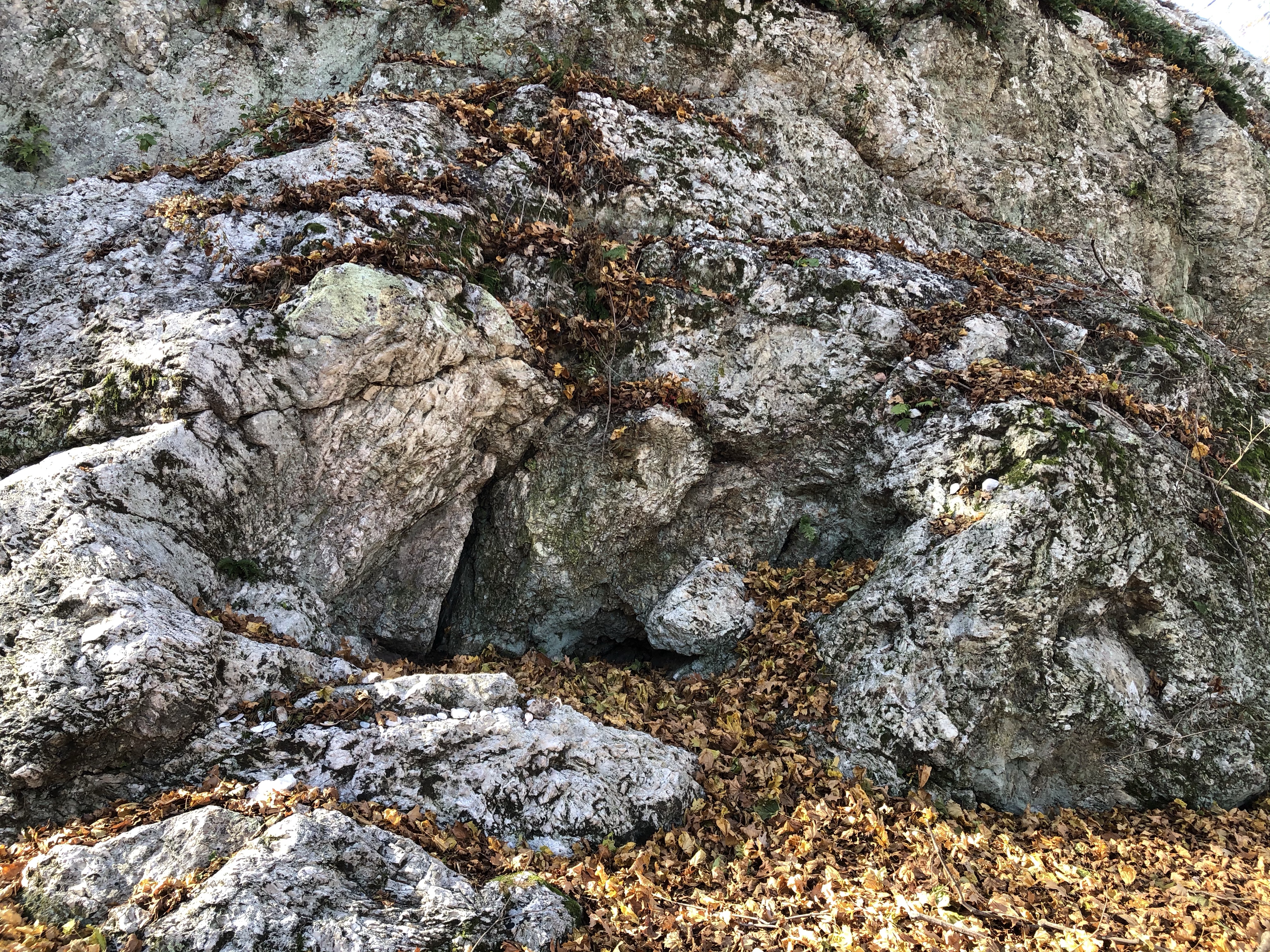
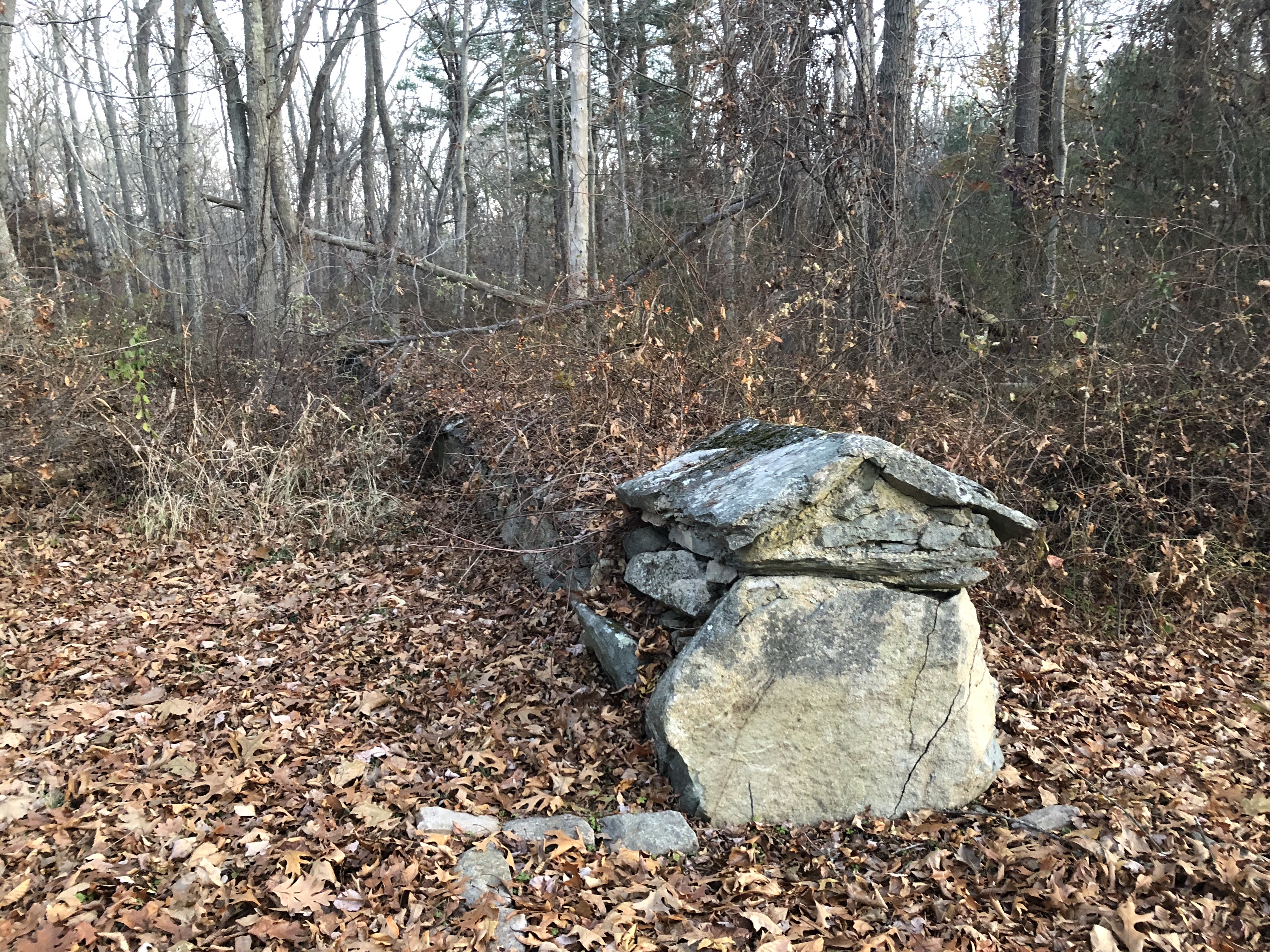
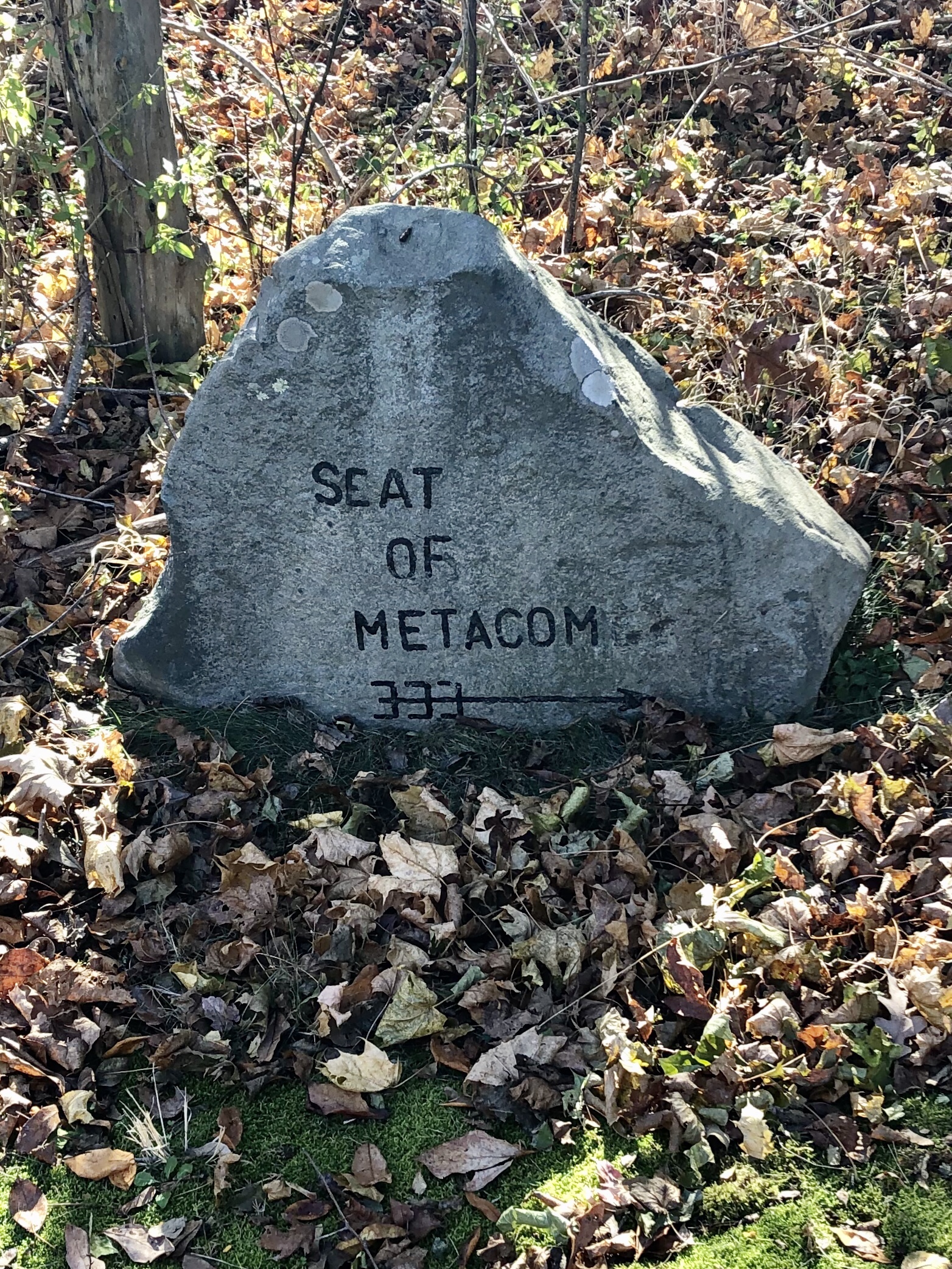
    If you want to walk amongst ghosts of the past, the walk from Brown University’s Haffenreffer Museum to the rocky outcropping forever known as King Philip’s Seat offers ample opportunity to feel you are. This is where the sachem Metacom (aka Metacomet), who had once taken the English name Philip as a gesture of goodwill, waged war on the English settlers in King Philip’s War from 1675 to 1678, when Metacom was killed. Metacom was the second son of Massasoit, who was born near this spot too, as countless generations of Pokanoket were. If Massasoit is remembered for trying to manage a peaceful coexistence with the English settlers, Metacom is remembered as the first to rise up against the relentless encroachment on their lands.

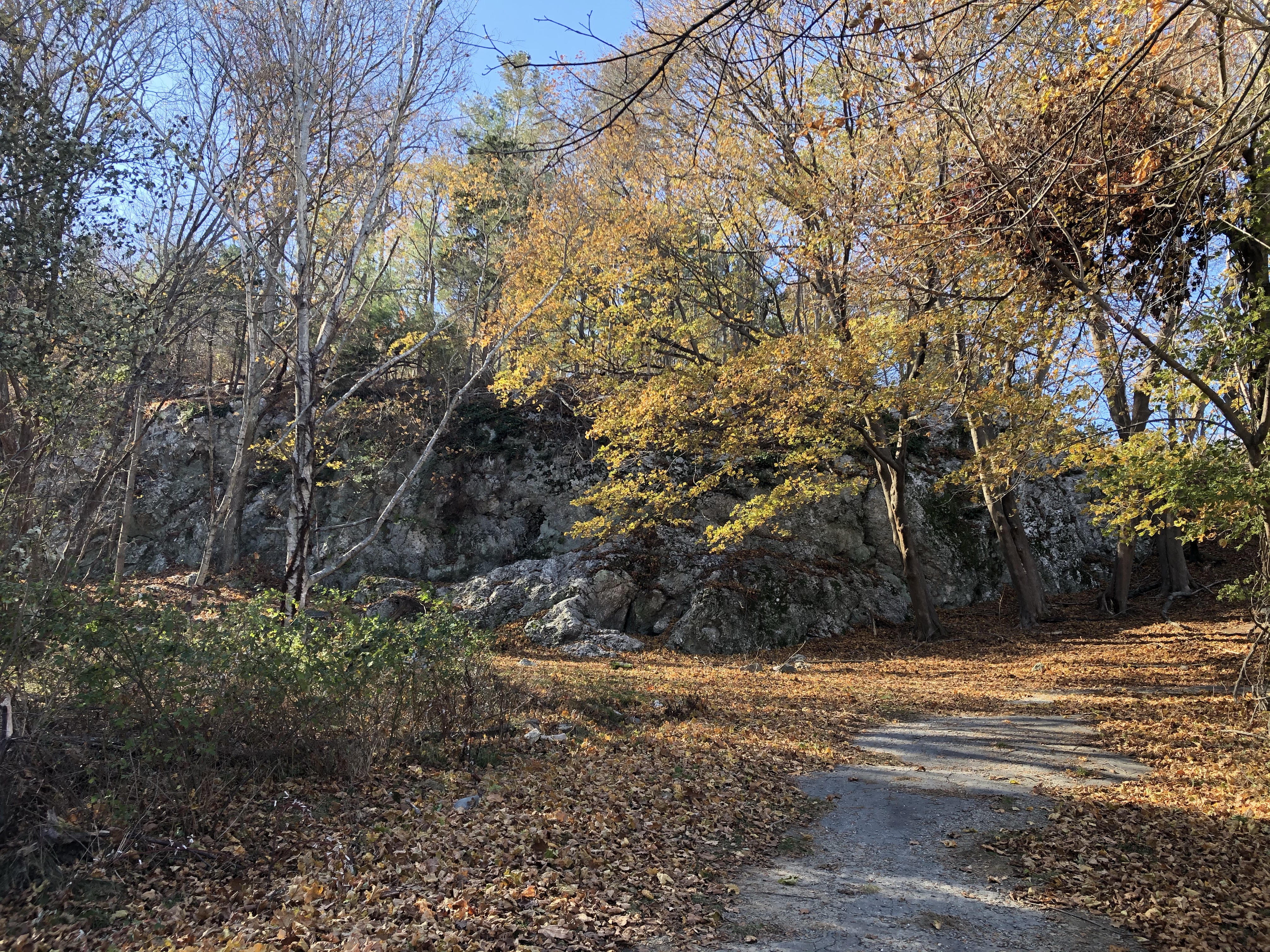
    Walking through the woods on an old paved road slowly being consumed by the forest, I spooked a hawk from the ground and watched it leap to the sky and arc above me, white feathers on blue sky. A sign? A welcome from Metacom or another ghost from the Pokanoket? I keep moving and soon after I saw the rock outcropping that was Metacom’s seat. And it just looked like a seat of power, silently commanding the forest and looking out to the bay, just like its sachems did before they passed, and the land passed to the settlers. Pokanoket survivors were sold into slavery in the West Indies, a final, brutal indignity.

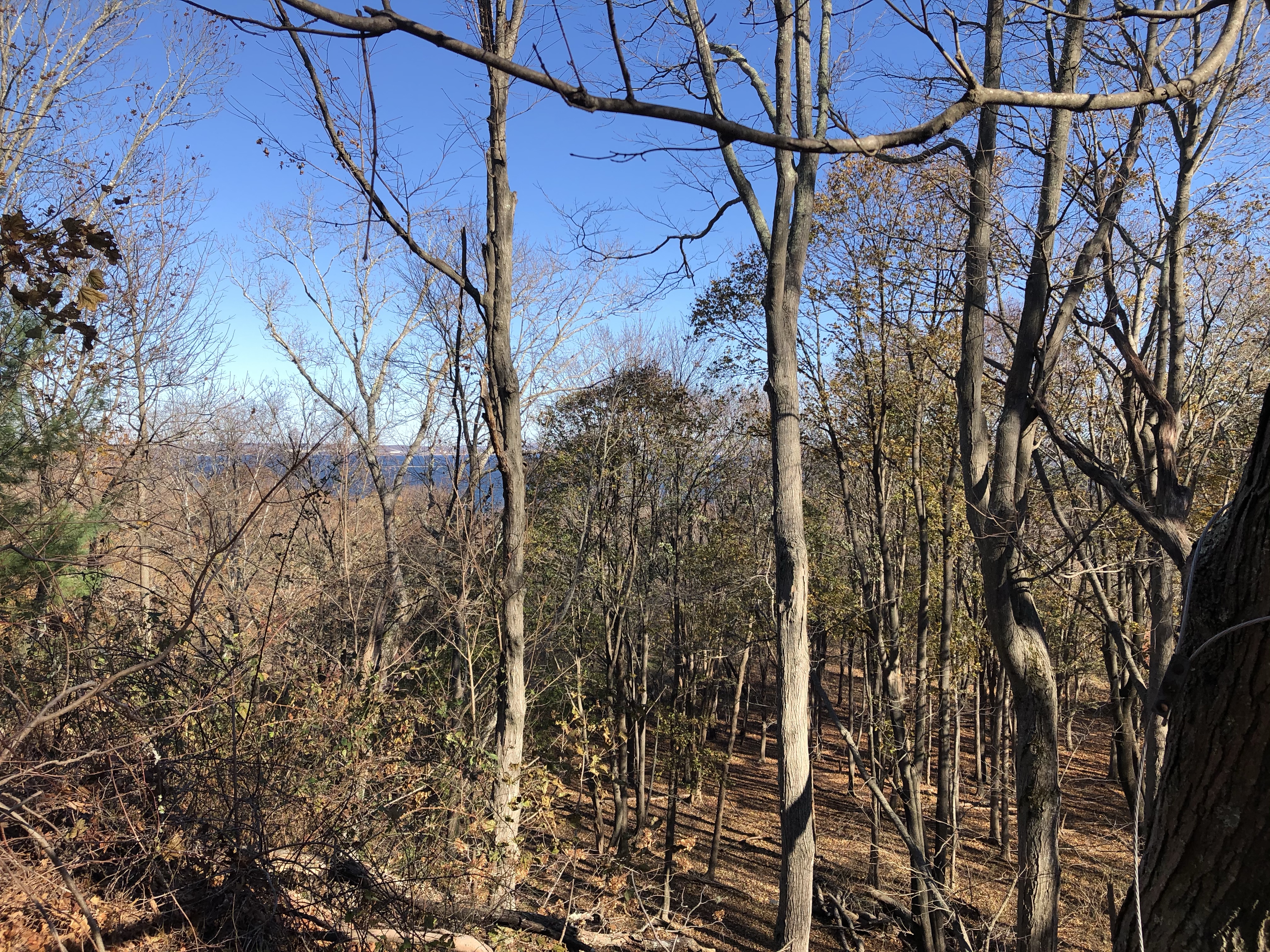
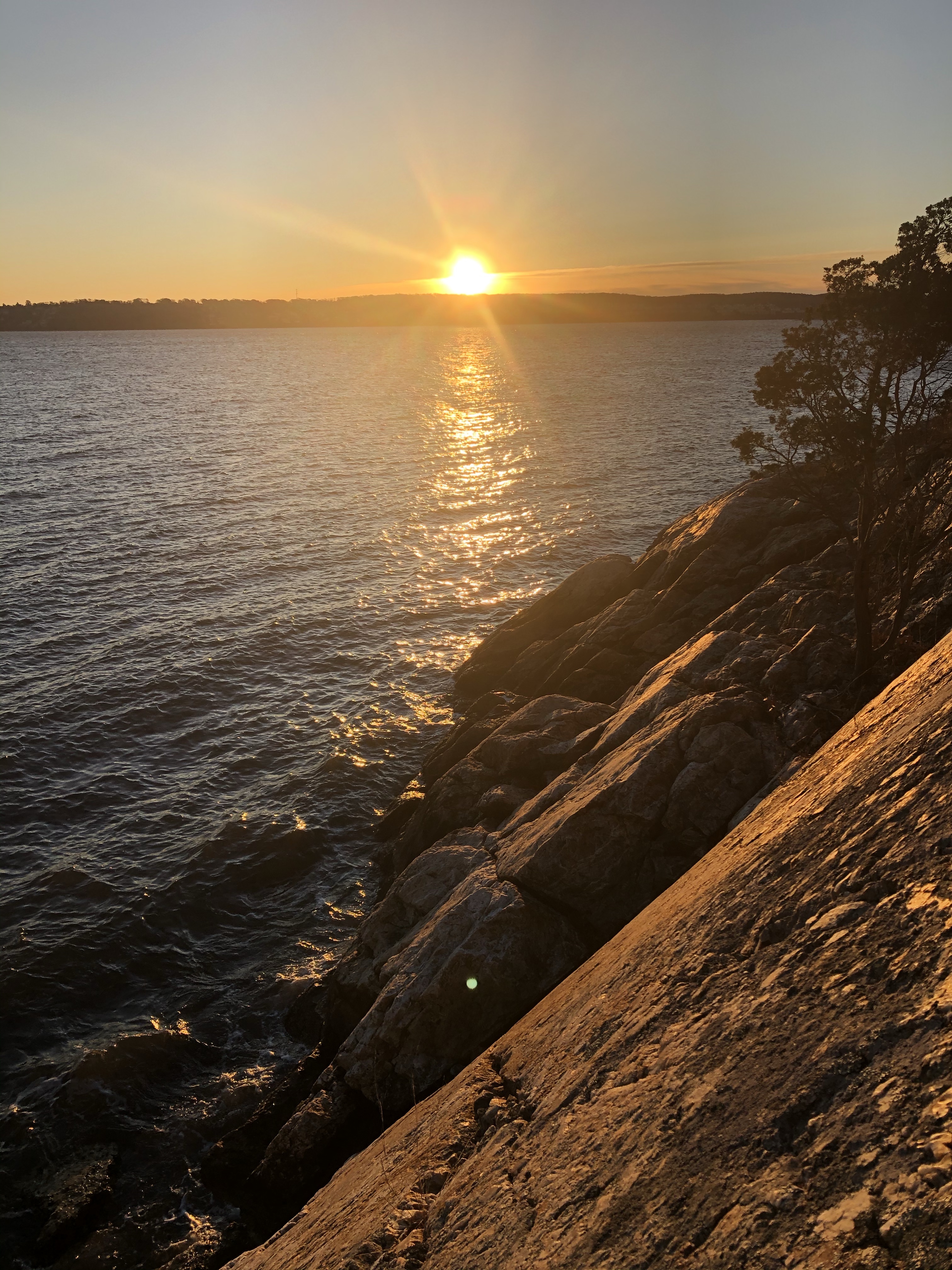
    I’m told that the Pokanoket recently attempted a takeover attempt to win back the land from Brown University. 341 years after Metacom’s death this place still evokes passion. This is one reason I had to get a permit to enter private property, and I was only given an hour to walk around. It was enough time this time, though I’d like to go back again knowing I missed more than I saw. I was alone as I walked and relied on written directions and one sign on the property to inform me where I should go. Instinctively I climbed the outcropping to see what Metacom saw: blue water above the dancing treetops. But I relied on a feeling about the place not signage. It seems they’ve made it challenging enough to visit that most people don’t. But I never really felt alone. That hawk, and many more spirits in the wind, were with me the whole time.

  • Whispers of Montaup: Mount Hope Farm

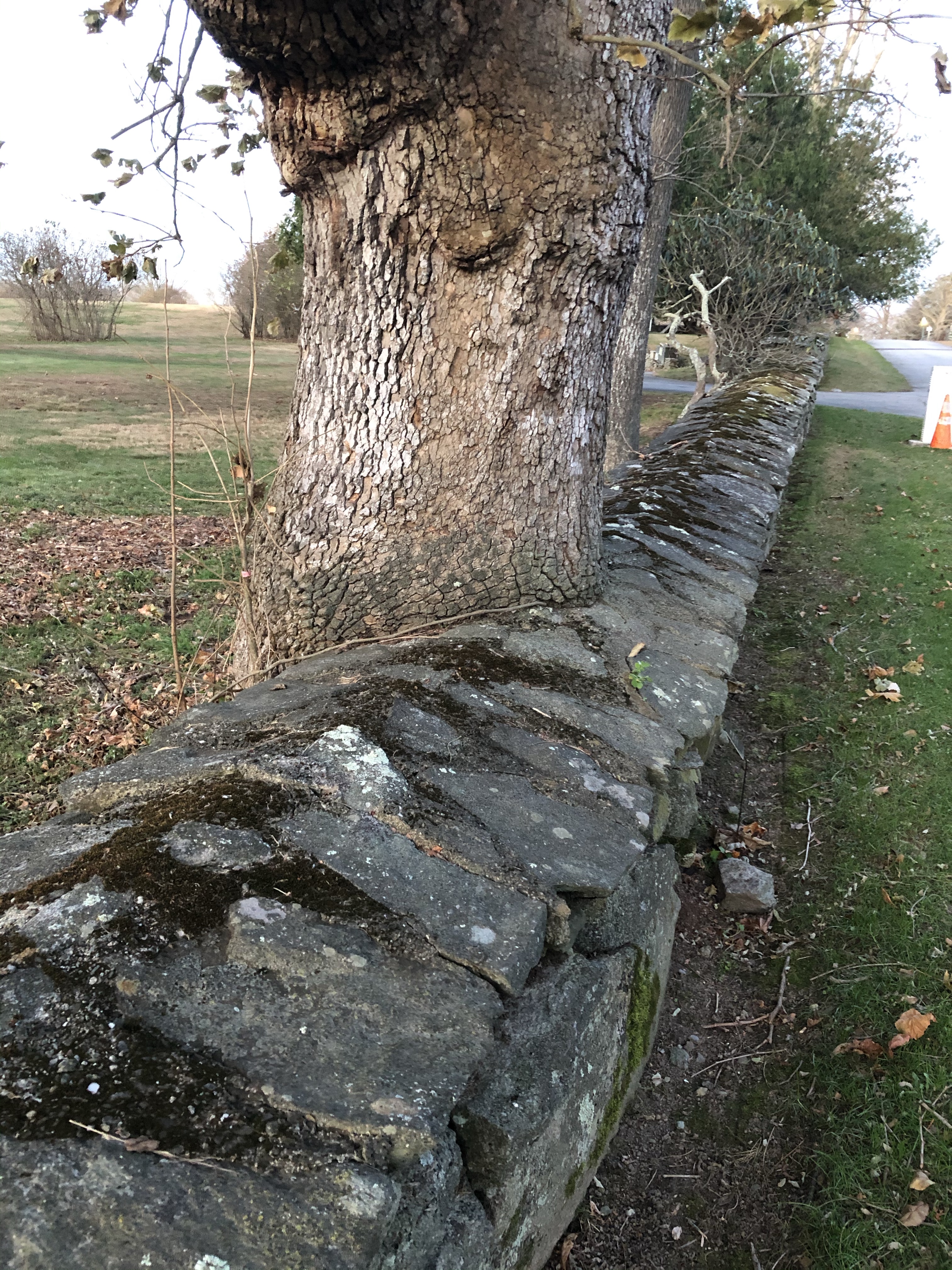
    Undiscovered places offer a bit of wonder, and I had that in spades on an early morning walk at Mount Hope Farm in Bristol, Rhode Island. Mount Hope Farm is a non-profit, running a bed and breakfast, educational programs and a camp. Walking the grounds is a time warp, with mossy old stone walls lining the road and running perpendicular off into the woods. They say this land has been farmed since the 1680’s, and there are places on this walk that feel like you could be stepping into that time. This land was once called Pokanoket, where the Wampanoag lived for untold centuries. It’s said that the first Thanksgiving actually happened here in 1621, when Pilgrims were welcomed by Massasoit. Walking the land, it whispers convincingly of those early days.

    When Massasoit died, his sons had a very different experience with the English settlers. The oldest, Wamsutta, took the name Alexander and his younger brother Metacom took the name Philip, which would become more famous. Alexander would die after getting roughed up by the English during an interrogation. Philip would unite tribes and wage war against the English in King Philips War. The land around Mount Hope was the heart of operations for Philip, and it’s where he would ultimately be killed in 1676. His wife would be sold into slavery in the West Indies. Not all whispers are pleasant.

    This land was eventually the property of the Royall family, which made their fortune from the slave trade. For all the beauty here now, there’s a healthy dose of human tragedy whispering through the grounds. Eventually the land was sold to a loyalist who fled during the Revolutionary War, and old New Hampshire friend General John Stark and General Sullivan would use the land as an encampment for the 2nd Rhode Island Regiment during the Battle of Rhode Island.

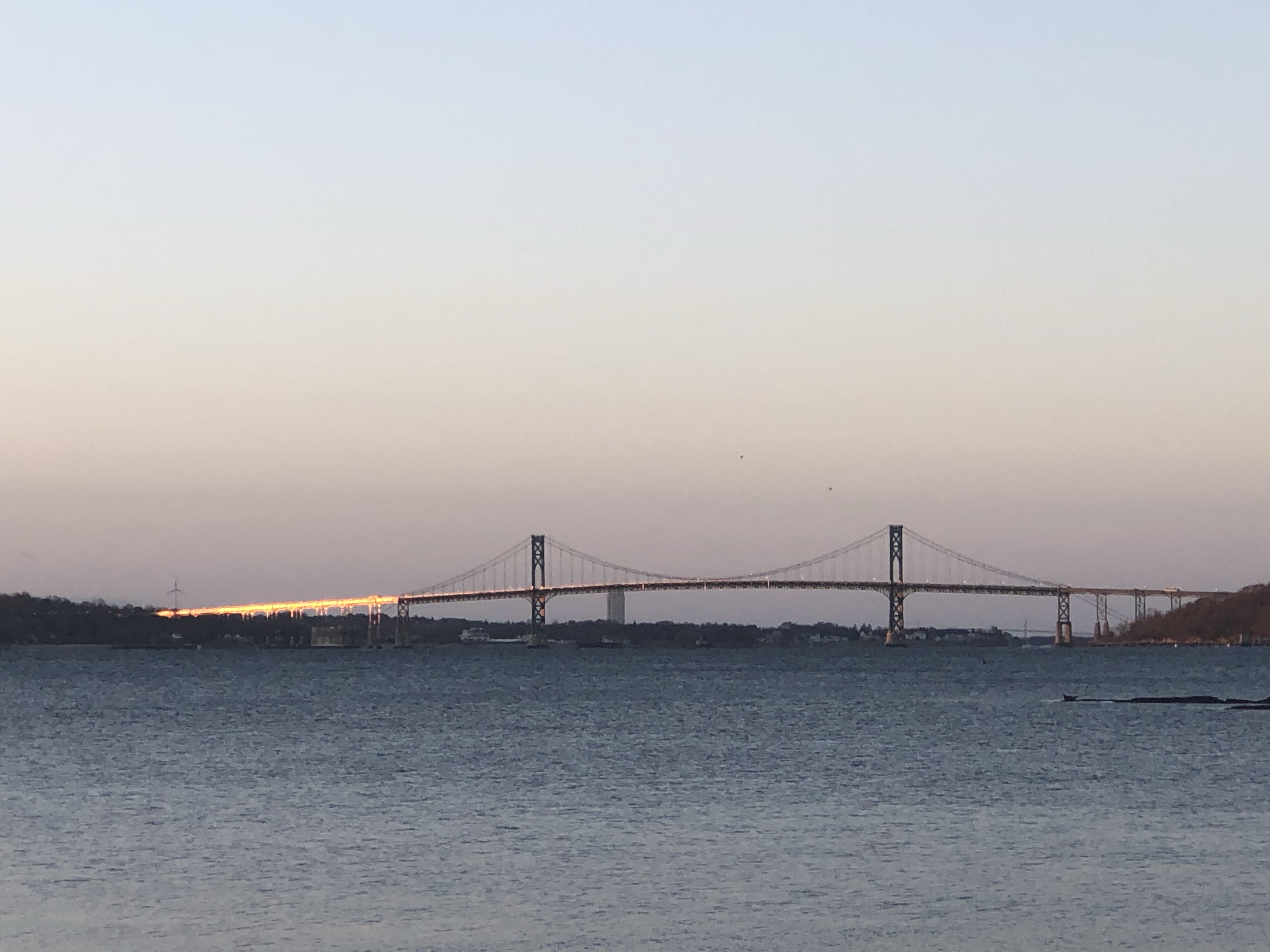
    Walking the farm, I’m thrilled to see the land preserved, but also used as a functioning farm. And for all the whispers, this farm has a strong foothold in the present. The Mount Hope Bridge is omnipresent, rising solemnly over Narragansett Bay, spanning the gap between Portsmouth and Bristol. The bed & breakfast, run out of the Governor Bradford House, is a wonderful place to stay and immerse yourself in history. The barn hosts weddings and a great farmers market every Saturday morning. The Mount Hope Farm – Montaup – is very much alive and well.

  • The Last Autumn Holdout

    The neighborhood has worked diligently to clean up every fallen leaf of Autumn.  Lawns neatly mowed in uniform stripes, offering green carpeted bliss house after house.  But one house stands out like a shaggy-haired hippy at a military parade.  Piles of brown oak leaves mix with maple, dogwood and a dozen other trees.  The piles blow in the wind, scattering across the street and invade the pristine lawns of the neighborhood, like chicken pox claiming a classroom.  The last holdout is mine.

    Neighbors politely hold their breath, knowing we’ve been traveling.  Knowing our track record of good neighboring.  Knowing…  but wondering.  A weekend has past since we you went away.  Another weekend approaches.  Thanksgiving week is just around the corner.  When, they surely wonder, will you clean up the leaves that continue to blow onto our lawns?

    Not just yet.  Though I know the time is flying.  And Pumpkin Spiced Latte has given way to Eggnog Latte.  I’m aware of the early “Black Friday” sales and the traces of Christmas music in certain retail environments.  I’ve seen the snowflakes – not the political term that diminishes fellow human beings to “them”, but the real ones drifting down to let us know they’ll be here in greater numbers soon enough.  But the leaves have their time too, and I tell you somewhat defensively but with a slight twinkle in the eye, not just yet.

  • Moments in the Light of Eternity

    “To perceive the world in the light of eternity, to accept your death as a gift, to accept suffering as a path toward joy. All of those are in Christ on the cross.” – Stephen Colbert

    I’m not particularly religious, but I do believe I’m a bit player in eternity.  Is eternity God?  Or is eternity timeless energy reshaping itself into various forms like planets and oceans and trees and sunsets and a cup of tea and people?  It’s way above my pay grade to state a definitive answer.  But like most humans I wonder about the universe and our place in it.  If religion helps you sort this all out in an acceptable way, perhaps you’ve got an advantage over me.

    Stoicism cuts to the root of my pragmatic approach to this eternity, but it isn’t a religion as much as a virtuous approach to life.  Common sense laid out by people long dead, who remind us that it’s right around the corner for us too (so you might as well savor every breath and live the best life you can with what you’ve been given).  Stoicism is thinking about eternity without fairy tales.

    But reading this Stephen Colbert quote twice this morning gave me pause.  Colbert lost his father and two brothers in a plane crash when he was ten years old.  He’s Catholic and his faith is the foundation of his life.  I’m Catholic and don’t give it much thought.  We’re both trying to live a virtuous and good life.  So who’s approach is better?  I don’t believe it matters so much as the end result.  Will all my deceased relatives be standing at the Pearly Gates telling me they told me so as I’m shuffled off to purgatory?  You’ll know that answer someday yourself, and you can point out my sin of doubt when you see me.  Religion uses stories to highlight virtue versus sin and the infallibility of God.  Eternity is infallible.  Put whatever name you want on it.

    Colbert talks about the loss of his father and brothers as a gift from God that he didn’t want.  That’s an extraordinary way of looking at a tragic event, but it makes sense to me. We’re all going to die and we’re all going to be challenged by the passing of those we love.  The reality of death won’t change whether we like it or not.  The question is what are you going to do with that reality?  And what will help you find an answer?  His mother’s answer was to look at that moment, as devastating as it was, in the light of eternity.  And whatever you call eternity, that makes sense to me.