Author: nhcarmichael

  • Stupid Prizes

    I’m not sure where I heard the phrase first, but I know for sure I wrote it down most recently when I heard Naval say it, so I’ll offer him credit for repeating it once more that I might truly hear it: “Play stupid games, win stupid prizes.”  Boy, have I played some stupid games in my life.  To be fair, haven’t we all?  Life is full of stupid games, and what are you really pursuing in the playing of it?

    I once played a stupid game where we threw glass bottles in a stream and threw rocks at them to try to break them as they floated by.  The thought of that horrifies me now, but I was a dumb kid in a time when it didn’t seem like a big deal to introduce litter and broken glass into a stream.  My prize for playing that stupid game was getting hit by a car when I tried to run across the road to throw rocks at a bottle that had gotten away.  I deserved that car windshield, and I’m grateful the prize didn’t include a coffin in my size.  I’m not sure my mother deserved the prize of hearing her son was hit by a car but hey, I was playing a really stupid game and there were ample prizes to go around.

    More typical stupid games are trying to be cool in school and missing out on better prizes while you play stupid.  Taking a job you hate to try to play the corporate ladder game for another rung into a job you’ll hate more but has more prestige and money you’ll waste on stupid prizes.  I’ve had a few dress shoes pressed into my forehead owned by ladder climbers in my time climbing ladders.  Chasing metrics and KPI’s and all manner of Chutes and Ladders in the pursuit of differentiation in a red ocean of sharks feeding on one another most famously profiled in a New York Times profile on the culture five years ago at Amazon.

    Stupid games include competing to get your child into the right school, with the right social activities, playing the right position in the right sport on the right travel team, to win the next “right” prize.  It’s another ladder with people stepping on top of each other on the scramble, made worse as it’s removing childhood from the lives of children in the pursuit of status.  That seems a particularly cruel stupid game.  Rising above stupid games isn’t easy, but it’s our only hope of winning better prizes.  But then again judging people for the games that they play is a stupid game in itself.  What does it get you but resentment or jealousy or condescension?  Now that is stupid.

    It would be easy to write that I’m done playing stupid games and this pandemic has shaken me of the beliefs that made me play them.  But we’re all human and will make decisions that in hindsight will be stupid.  No, life itself is a game and sometimes we find ourselves pursuing stupid.  I can’t guarantee to myself that I won’t pursue stupid games, but I can promise myself that I’ll stop playing the game as soon as I realize it’s stupid.  There are only so many games we get to play.  So I’ll at least try to raise my game and play at a higher level.  A higher level where I’m not worried about prizes and how others play the game.  That seems a worthy pursuit.


  • There But For The Grace Of You Go I

    “And as I watch the drops of rain
    Weave their weary paths and die
    I know that I am like the rain
    There but for the grace of you go I”
    – Simon & Garfunkel, Kathy’s Song

    These lyrics were highlighted for me by a young lady I met when I was 19 and figuring things out.  I’ve never forgotten them, though I haven’t spoke to her in years.  She married a friend of mine.  I don’t recall being invited to their wedding.  So it goes.  The lyrics remain with me, even if the person that brought them to me is a distant memory.  But isn’t that the way with so many moments in our lives?  People punctuate the moment, and then they’re on to other things, or maybe you are.  Life is a series of such moments built on one another.  I have the entire soundtrack of Simon & Garfunkel’s greatest hits permanently engrained in my brain from a constant cycle of flipping the cassette tape back when people bought cassette tapes.  Sure, everyone knows Mrs. Robinson and Bridge Over Troubled Water and The Sounds of Silence.  All classics.  but deep into the night when everyone else was sleeping I carried on with The Boxer, America and Kathy’s Song.  Years later, they remain my highlights in the Simon & Garfunkel catalog.

    Kathy’s Song was the one that seized my attention and truthfully hasn’t let go, beginning with the lyrics:

    “And a song I was writing is left undone
    I don’t know why I spend my time
    Writing songs I can’t believe
    With words that tear and strain to rhyme”

    Damn it Paul, I know how you feel.  We all work on things we can’t believe, that tear us apart inside.  I’m with you now…  and he doubles down with with the next verse:

    “And so you see I have come to doubt
    All that I once held as true
    I stand alone without beliefs
    The only truth I know is you”

    Followed by “And as I watch the drops of rain” and the rest, ending in perfection with There but for the grace of you go I... And I’ve been trying to write a line as beautiful as that ever since.  I was a teenager when the song was brought to my attention by an old soul in a young body passing through my life.  People come and go in our lives, but sometimes as they pass through they plant a little seed that takes root in our soul.

  • April Snow

    Normally I’d react differently to snow in April. Normal years I’m thinking about spring and hurrying along in life. But normal seems quaint in 2020. So when I looked out the window in the early light of morning and saw a snow globe I shook my head in mock indifference. Whatever. I slipped on some boots and walked out into the snow fall. There’s magic in early morning snow, whether you welcomed it or not. It’s not like I’m commuting somewhere, or worried about clearing the driveway. My commute was over when I walked downstairs.

    So out in it, I soaked up the silence as the world shrunk to snow-coated trees and grass and soon me too as millions of flakes drifted out of the sky like salt from a shaker and clung to every surface. I inspected the bluebells and daffodils and saw they shrugged indifference to the affront. Let it snow. Indeed. The northern hemisphere has tilted back to the sun and this won’t last forever. Nothing lasts forever; not snow or pandemics or daffodils or us. Take what the day brings you and embrace it. For this too shall pass.

  • Return to Normal

    I know they’re up there, just not as many. I’m sure the flight paths from Europe to America or Boston to Chicago are still traveled by some planes, but they aren’t flying over my home anymore. Chances are they aren’t over your home either. Like many businesses the airlines have furloughed thousands of employees and planes around the globe are getting an extended break from the constant flights that make up their existence. The highways and roads of the world are getting a similar respite from the constant flow of vehicles. Factories are shuttered while the curve flattens. And the planet gasps the cleaner air. The people in India see the Himalayas for the first time in a generation. People in Los Angeles see blue sky. Even here in relatively rural New Hampshire the stars seem clearer.

    No, the sky isn’t empty at all. It’s as full as it ever was, we’ve just finally cleaned the windows enough to see outside. The universe pirouettes above and around us, and collectively we finally see it. Perhaps we’ll remember it when things return to abnormal. For isn’t this far closer to the planet’s normal state than the constant buzz of machinery spewing emissions into the air? Billions of years of normal versus a century or two of abnormal. We just don’t see the forest for the trees.

    Too many act like temporary renters of the space we occupy. Having experienced the attitudes of renters versus homeowners, I know not all renters feel enough of a sense of ownership over where they reside to treat the place well. There are plenty of people roaming the planet with a renter’s mentality. Use it up, discard, get another one. But there are too many of us for that to go on indefinitely. There’s nothing good about COVID-19 for humanity, but the planet might feebly raise a hand to express gratitude. We’re too deep in it to know the long-term impact, but maybe we needed the pandemic to shake us all awake from the drunken stupor we’ve been in. The planet gets a much-needed breather while humans focus on something besides themselves for a bit. The return to abnormal will come, will it be enough of a jolt to reset our worldview? It seems to me that Earth could use more homeowners and fewer renters. What will the new normal be?

  • Dry Towns, Blue Laws and Border Crossings

    There was a time, within my time, when towns were well known for being wet towns or dry towns. I’m not talking about the amount of rainfall, but rather whether a town allowed alcohol sales or not. I went to a dry wedding once and marveled at the resentment in the room as people found out about it. Imagine moving to a dry town and realizing it afterwards? Like that wedding people would simply carry in what they’d like to drink. Rules are meant to be broken, aren’t they?

    New Hampshire only has one “dry” town out of a combined 259 total towns, cities and “unincorporated places”.  That town is Ellsworth, a small town just west of I-93 between the Lakes Region and the White Mountains.  There are only 83 residents in Ellsworth, and every one of them of drinking age have to go to another town to purchase alcohol.  I’m guessing there aren’t a lot of restaurants or stores selling alcohol in Ellsworth anyway, but if they have anything going for them it’s that quirky statistic that makes them unique in the state. Live Free or Die indeed.

    Neighboring Massachusetts by comparison has 8 dry towns. It used to be many more in my lifetime, but the trend is downward. Look, even the Puritans drank alcohol, and for generations it was safer than water in those early colonial years when life was hard and cholera was common. The Pilgrims brought beer across the pond and negotiated with Massasoit with aqua vitae. People went straight from the cold church to the warm tavern. Alcohol consumption was common right up to a century ago, when Prohibition crashed the party for the entire country. From 1920 until 1933 the United States was “dry”. But rules are made to be broken, and organized crime and small time bootleggers, rum-runners and illegal moonshine stills came into prominence immediately afterwards.

    Dry towns are bureaucracy in action, or simply inertia. Most dry towns today are in rural, sparsely populated places that don’t have restaurant and store owners campaigning for change. Dry towns are a curiosity now, 100 years after Prohibition, but also a legacy to the cultural and political winds that blew across the country then. Being a wet town kid, I remember going with my grandfather to the bar where he would proceed to drink many beers in tiny glasses. That bar was on the edge of town, and that edge was wet meeting dry. How many people crossed the border over the years to have a couple of drinks and zig-zagged home? Now that former dry town sells much more alcohol than that old wet town. Money talks, and there’s money in alcohol sales.

    Sunday’s were once a sacred day in Massachusetts, with Blue Laws that prohibited the sale of alcohol. So naturally residents drove across the border to states that didn’t have blue laws. New Hampshire’s southern border is dotted with old convenience stores that sold beer to eager Massachusetts residents on Sundays. New Hampshire built liquor stores on the highways for the quick and convenient sale of alcohol to out-of-staters. The Blue Laws are long gone, but “sin taxes” aren’t. People still stop to fill up their trunks.

    So Ellsworth, New Hampshire remains the lone holdout on the dry side of the law. I hope they always will be, as a reminder of where the country was 100 years ago. If we’ve learned anything over the last few years, it’s that the political winds can blow in strange ways, and a few people can impose their views upon the masses given the opportunity. But if Prohibition teaches us anything, it’s that Americans chafe at arbitrary rules and find ways around them. Our forefathers would recognize the debate either way, and marvel at the choices in the liquor stores.

  • Grateful For The Connection

    They say the Striper return to New Hampshire waters when the lilacs bloom. By “they” I mean a guy standing in front of me talking to another guy six feet in front of him. That the statement was overheard in a COVID-19 mandated line to get into a store is a curiosity of our times, but interesting to me if only because I don’t generally participate in fishing talk. I’m not much of a fisherman, more a fish eater, but I instinctively heard the truth in that statement.

    I’ve been in the woods of New Hampshire for a month now, and other than two trips to visit the in-laws from afar I haven’t strayed out of the 603. I’m plotting covert salt water visits in my mind. I scroll through old photos on my phone and think about excuses to visit Cape Cod once again. Salt water is just out of reach… damn. I’m told that social isolation helps flatten the curve and like most people in the world I hear the truth in that statement. I’ll remain here in the woods for now.

    “Sometimes we are starving to see every bit of what is right in front of us.” – Brian Doyle, The Shrew

    I’ve learned the truth about myself over the years. Especially now I suppose. I’ve learned that it’s easier to listen when you turn off the flow of distraction the world offers. I suppose that’s why people turn on the flow; for distraction. Or to feel connected to the world. We all do, in some measure. The truth about me is I don’t need much distraction. But I do need connection. I learned long ago to have connection you need to reach out for it, because most people are dancing with their own distraction. I turned to the poets and songwriters because they offer connection in spades, even when they’re long gone from this world. If they are so bold as to reach out to me I ought to listen to what they have to say.

    As I stood in that line waiting for enough people to exit that I might enter the store, I found silent connection with a couple of fishermen. It was a bit like stealing because I picked up pieces from them but didn’t give anything back in return. So instead I paid it forward with others I’ve spoken with since, and now with you. Connection is a chain, and we are the links. Distraction weakens the link, attention strengthens it. It doesn’t always seem like it, but I do try to pay attention. And since I have yours, let me say I’m grateful for the connection.

  • A Trip Back to the Old City

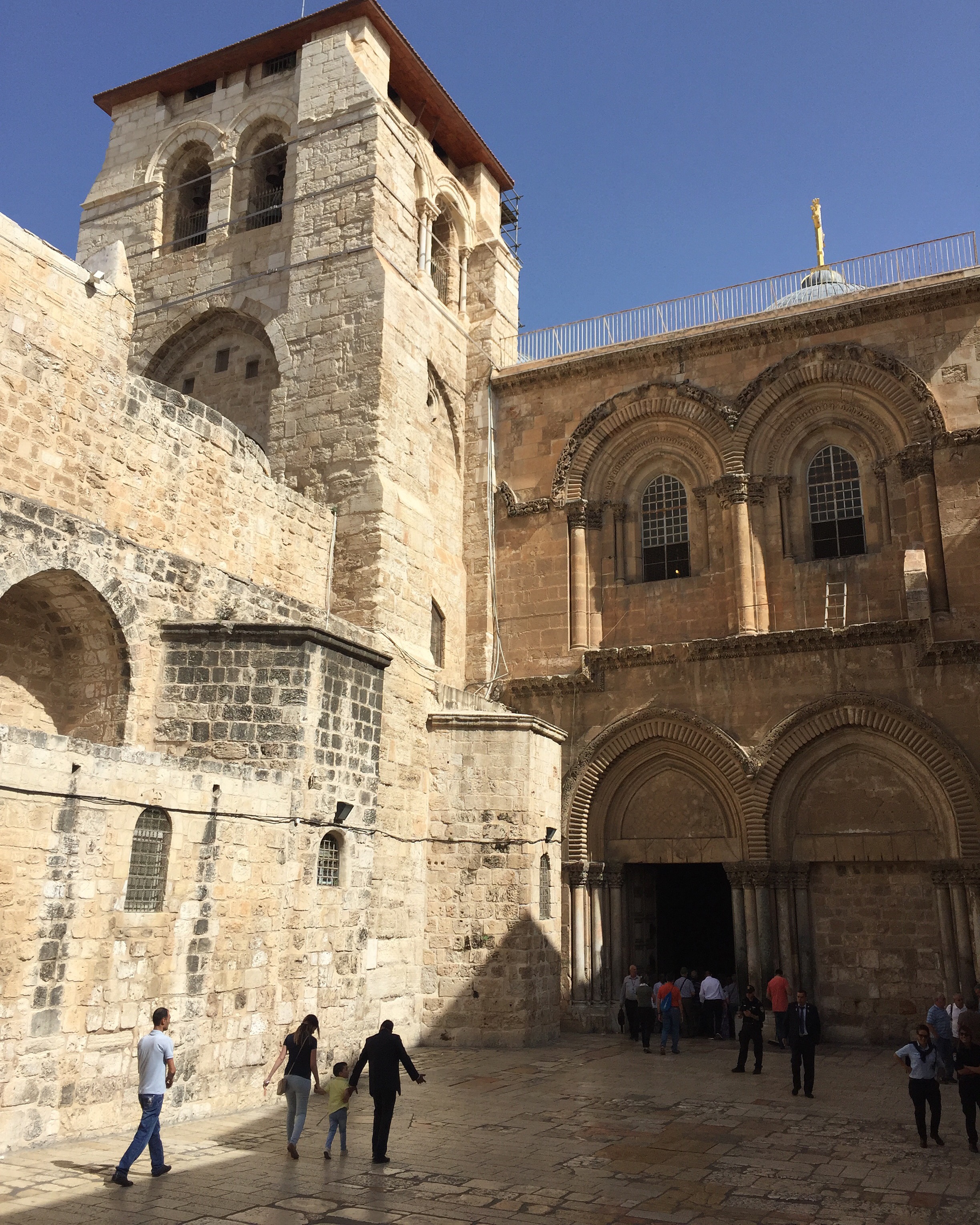
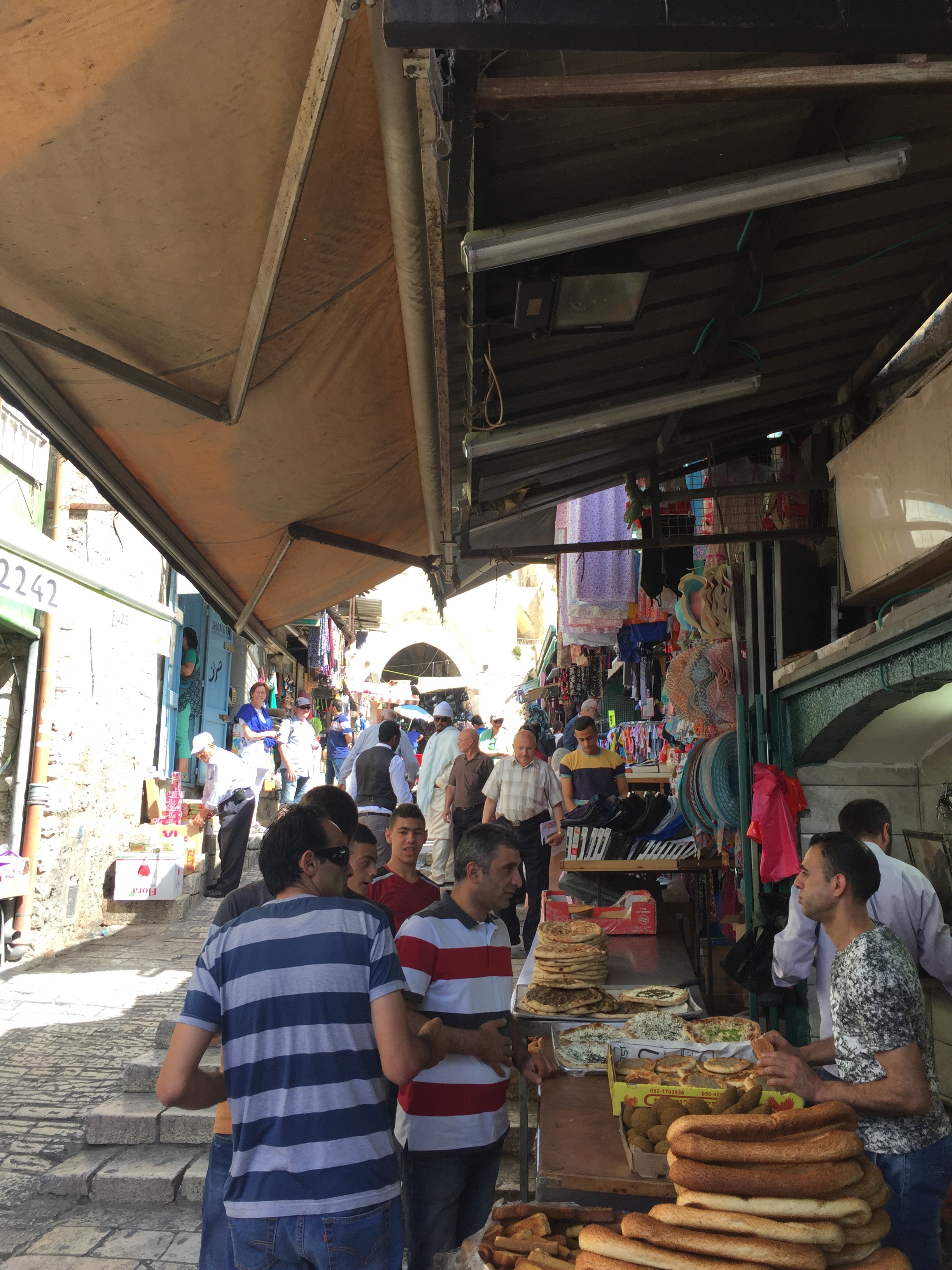
    I visited the Old City in Jerusalem four years ago. Today is Easter, and I reflect back on my time in the holiest site in Christianity somewhat humbled by the opportunity I had then. I’m not the most religious man you’ll ever meet, but I’m highly spiritual and know a place of significance when I see it. The Old City is the most significant place in Western Civilization.  Divided into quarters that betray the historical importance: The Muslim, Christian, Armenian and Jewish Quarters.  

    I walked the Old City with a guide who brought me into places I would never have seen otherwise, and of course a couple of jewelry stores for his cousins to hard sell me. I felt perfectly safe while there, and found people respectful of each other no matter their beliefs. Based on my experience, be prepared for guides and merchants to sell you hard on their services and wares. It’s all part of being a tourist, and that’s what I was that day. I never saw them disrupting pilgrims, so they know their audience and no matter how much I thought I was fitting in I stood out as the American tourist I was.

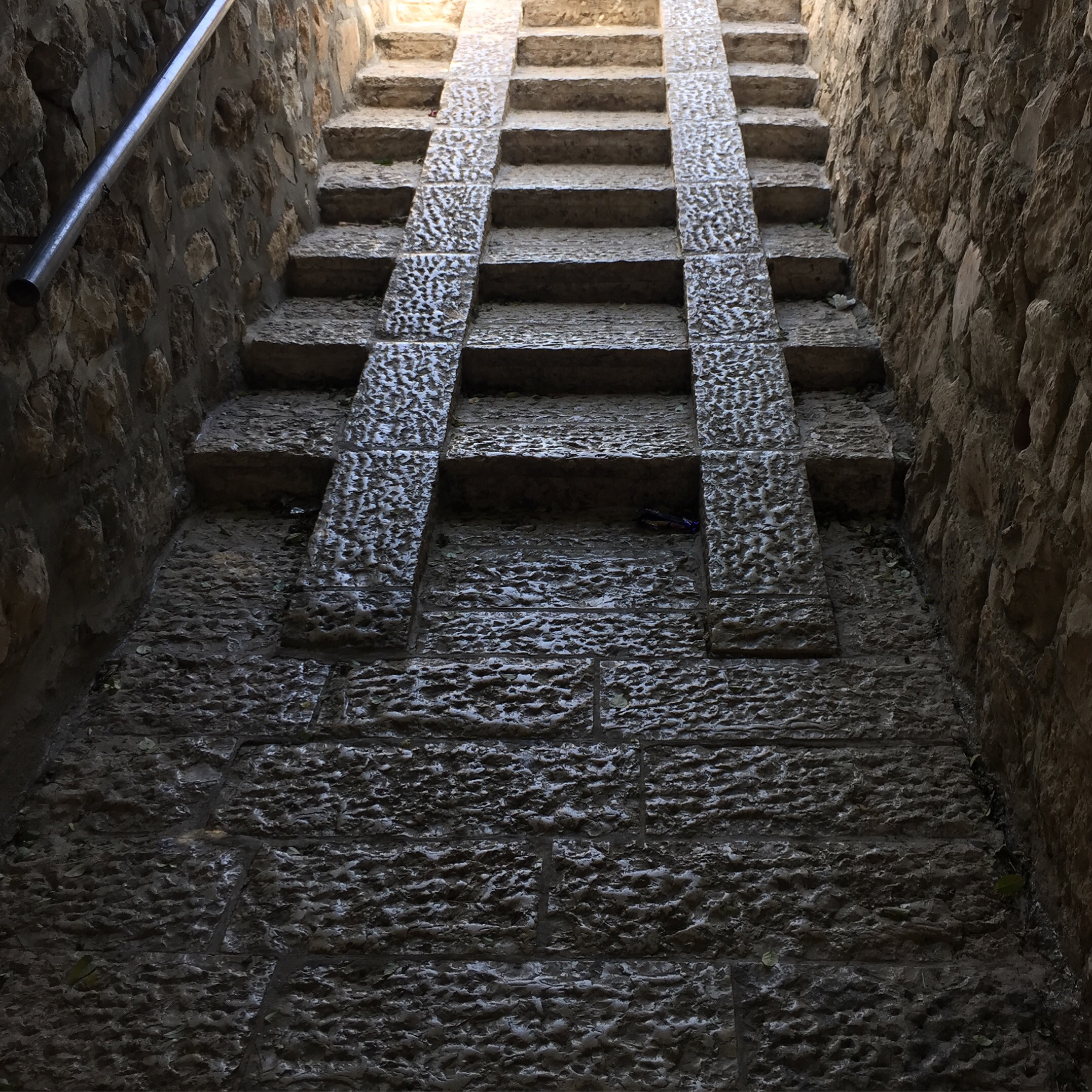
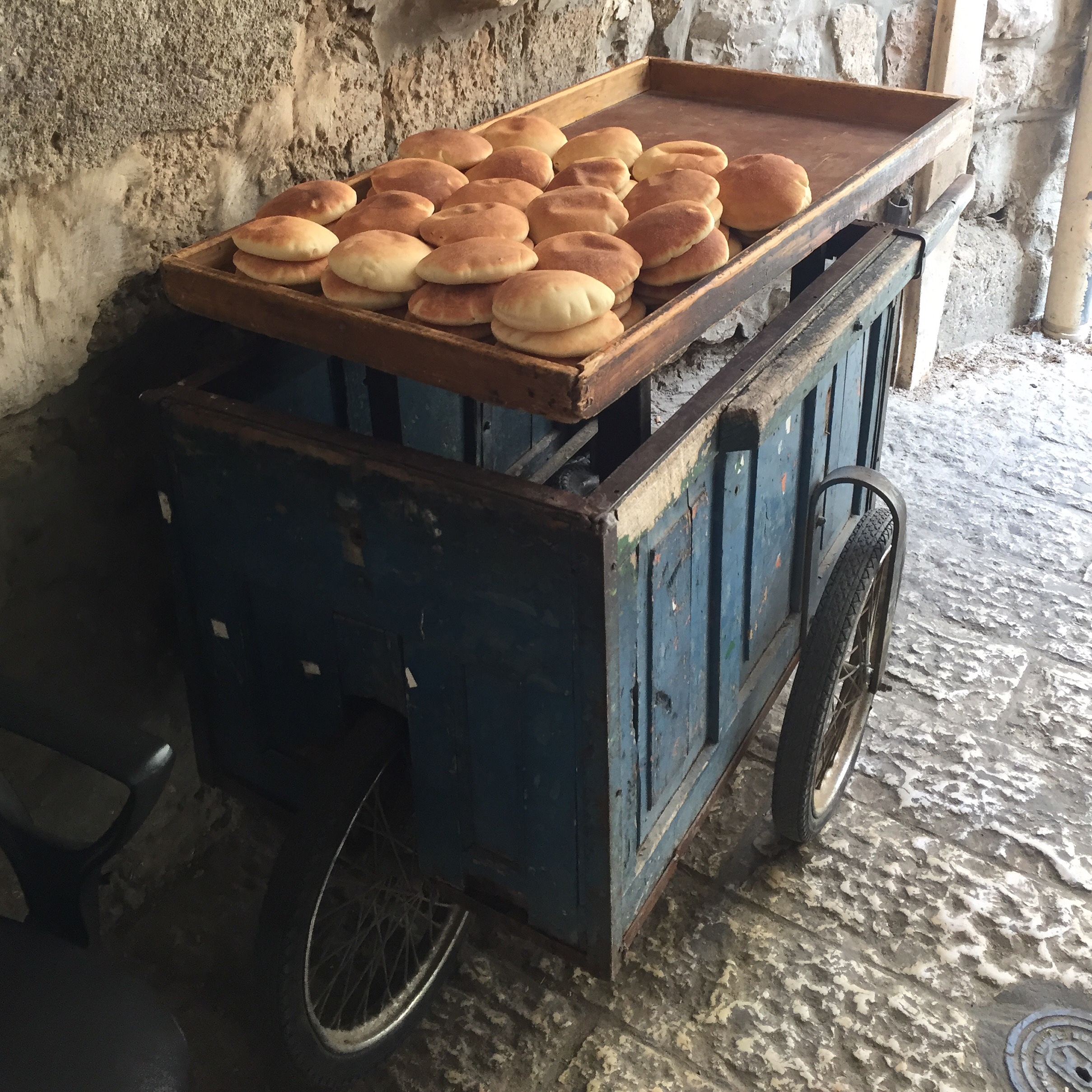
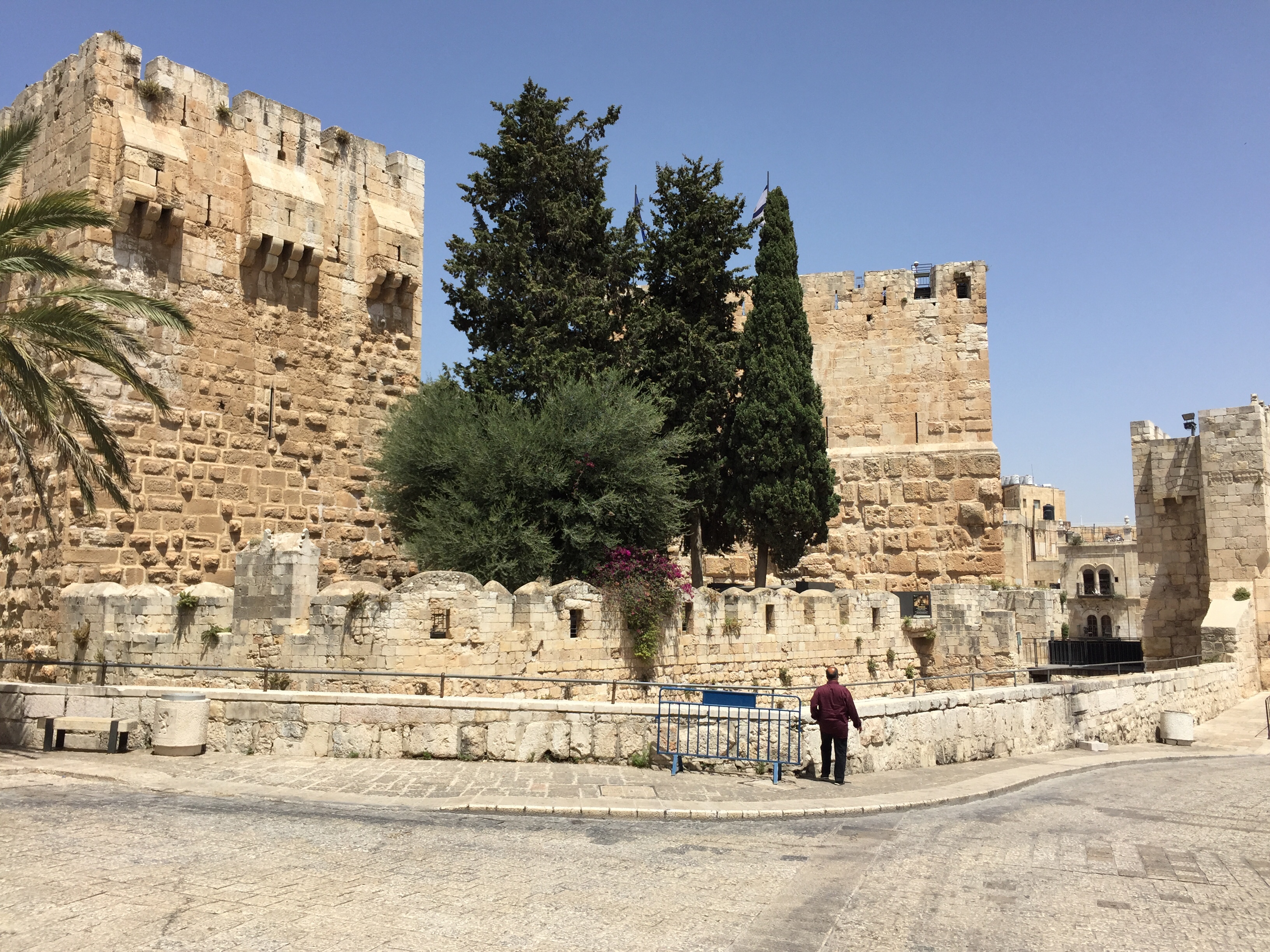
    Today Jerusalem is under the same quarantine that the rest of the world is under. Residents are not allowed to move more than 100 meters from their homes except to get food and essential items. Businesses like those jewelry stores are shuttered and the Old City must feel surreally still at a time – Passover and Easter – when it’s normally packed with pilgrims and tourists. Since the world can’t be there this weekend, I’m sharing some pictures from my visit in 2016. May the Old City, and the world, return to better times soon.  

    The Church of the Holy Sepulcher
    Ancient stairs with ramps for carts
    Who paved these ancient market streets? How many have walked upon them in that time?

    Tower of David
    The Western Wall

    Damascus Gate

  • Horses and Butterflies and Viruses

    “For years and years I struggled
    just to love my life. And then

    the butterfly
    rose, weightless, in the wind.
    “Don’t love your life
    too much,” it said,

    and vanished
    into the world.”
    – Mary Oliver, One or Two Things

    I woke up restless. It builds rather than dissipates as I go through my morning ritual of hydration and caffeine and reading. I recognize it immediately. The writing will be more difficult today, I thought, and surely it has been. I struggle at times with structure: chafing at rigidity and schedules and routine. But I chase these things anyway, thinking a proper to-do list brings order to life. My morning routine saves me more than it imposes on me, and today will be no different.

    Yesterday I walked four miles at lunchtime to shake off the feeling. In the last mile of the walk I saw the horses by the fence and eagerly anticipated saying hello to them when I reached the bottom of the hill. As I was thinking this another walker came into my vision, marched purposefully to the fence with his camera phone rising above his head and spooked the horses away. Resentment at this intrusion boiled in me until I realized it would have been reversed had I been in his shoes and he mine. The horses didn’t care which of us intruded first, only that they wanted no intruders. They stood at the edge of the fence because they’d found their end point of freedom. Yet rebelliously snuck their heads through the slats for a nibble of grass on the other side. I finished my walk with mixed feelings.

    Like most of the world I need to fly away from the cage; to weightlessly catch the wind and let it carry me away. To vanish into the world and return again someday, maybe. Such is life in the cage, it seizes the restlessness inside you and amplifies it. Serving the greater good staying in place offers mixed feelings as well. The virus doesn’t care who it intrudes upon, only that it has room to grow, and careless or prudent hosts alike offer that given the opportunity. The virus is restless too. Who’s patience will run out first?

  • Learning Anew

    “Spirituality is… unlearning all the rubbish they taught you.” – Anthony De Mello, Awakening

    I’ve pondered this De Mello quote since I read Awakening last year.  Admittedly I was late the game with De Mello as with many other writers, but then again, I don’t believe there are prizes for learning everything before a certain time in your life.  More to the point, we don’t really know much of anything until we live.  When you’ve lived words resonate differently.  Life lessons are a self-paced game, and I’m slowly climbing like the rest of the world.  I’ve become much more patient with some things people say and do, and much less tolerant with other things.  But I recognize the stoic challenges thrown out at me either way; choose how you react to the world for it’s the only thing we really control.  I can’t control what someone says or does, but I can control how I react to it.  Find the truth in all things, starting with ourselves.

    “Whatever happens to you has been waiting to happen since the beginning of time.  The twining strands of fate wove both of them together: your own existence and the things that happen to you.” – Marcus Aurelius, Meditations  

    Reading Meditations was one of the more impactful things I’ve done over the last decade.  It’s a quick read if you want it to be, or a lifetime read if you let it be.  I chose the latter.  As with every writer I refer to here, the lessons mean more when you’ve taken a few hits in life.  We’ve all been entwined in the strands of fate in 2020.  We were quite literally born to live in this moment.  So how will we react to it?  Rise to the moment or crawl into the fetal position of self-pity or the life atrophy of absorbing the same inane rubbish they taught you over and over?  An open mind and a strong desire for the truth in this moment and in life.  What will you do with your time?  What has fate woven you into, and how will you react to it?  Worthy questions to ponder.  And I do ponder…  and hope to act appropriately in this time.


  • Jam and Honey and Joie de Vivre

    When I was in London last fall I got back into tea, and with it back in the habit of adding a spoonful of honey. London also rebooted my brain on the delight of spreading some of that honey or a great jam on a bit of bread or a scone. Small, commonplace joys sprinkled into the day. Europeans are much better at these things than Americans. Here we drive through a coffee shop and eat something out of a bag while commuting to work. Sometimes you don’t even see what you just ate. Cheap fuel with no joy at all. Hopefully you tipped the drive-through person?

    The French long ago figured out the simple pleasure of being fully alive. Joie de vivre, the joy of living, is an expression but also a lifestyle pursued with zeal.  We’re all finding our stride with the joy of living right now, but I’ve seen plenty of evidence that joie de vivre is alive and well in the world. Zoom family calls, group text strings with old friends, Italians singing from balconies and drive-by celebrations of birthdays or just thanks for being in our lives.

    When this collective sacrifice for the greater good of humanity ends, the stories of these moments won’t end, and neither will the memories. I miss connection with the everyday world, but find joie de vivre in smaller bites – or sips – now. Gently fold the very best small pleasures into the daily habits of your life and these little joys punctuate the moment. The joy of living is now, this moment right here, spread out over your life like honey on a bit of bread.

    “Whisper, “I love you! I love you!” To the whole mad world.” – Hafiz

    Isn’t that the whole idea of joie de vivre? Loving life and all the nooks and crannies in our days. Embrace the suck and get through it as best you can, celebrate the small joys and dance with life. Our time on the floor is limited. Maybe stop to celebrate the small bite of food you’re unconsciously nibbling on. Add a bit of sweetness and savor the gift of that morsel of food just a wee bit more. And find ways to make the bigger moments bigger.

    Last weekend I visited my parents from six feet away. We had a bit of rum to celebrate the moment; them with their glasses, us with disposable paper cups on our side. Eye contact is important in such moments, and we fed energy across the fence and sipped spirits. We all miss the hugs and handshakes and kisses on the cheek, but we make the best of what’s still available. In this time of so much death and financial devastation, celebrate being alive in the smallest of ways. Whisper “I love you” to the whole mad world. For it really is a wonderful life.