Category: Walking

  • November Woods

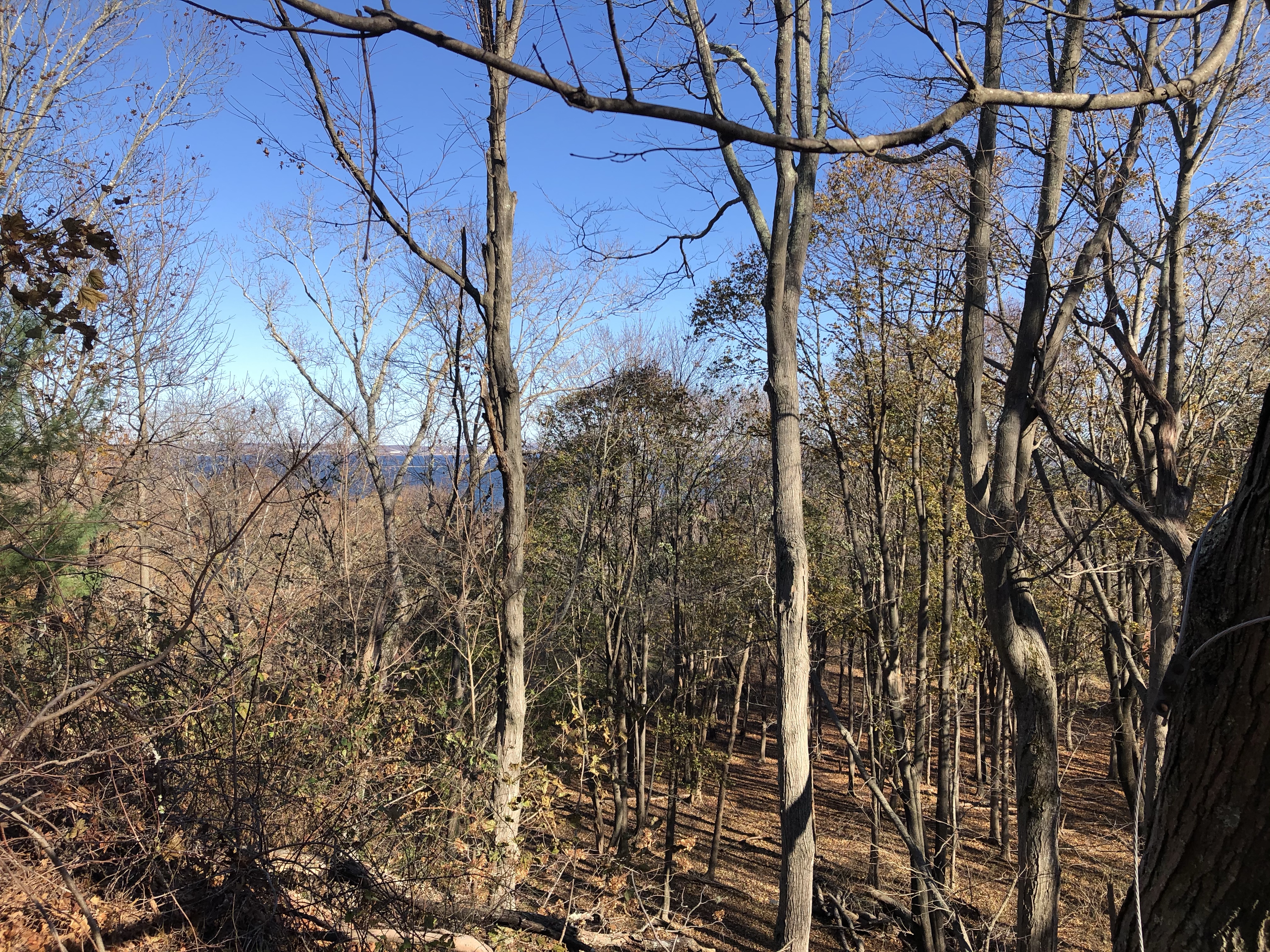
    My favorite walks are November walks in the woods. The leaves stir underfoot, announcing your progress for those who would listen. And I have no doubt they listen. Deer, fox, squirrels and rabbits for sure, and many more I don’t consider. But I’m not here for them today, I’m here for the land, and the productive solitude it offers.

    I don’t take the time to understand people that don’t walk in the woods. There’s nothing to understand, really. You either come alive in the woods or you remain detached and resistant. Some people come alive shopping for bargains, a place where I’m detached and resistant, so I know that we all have our element. Mine is the woods.

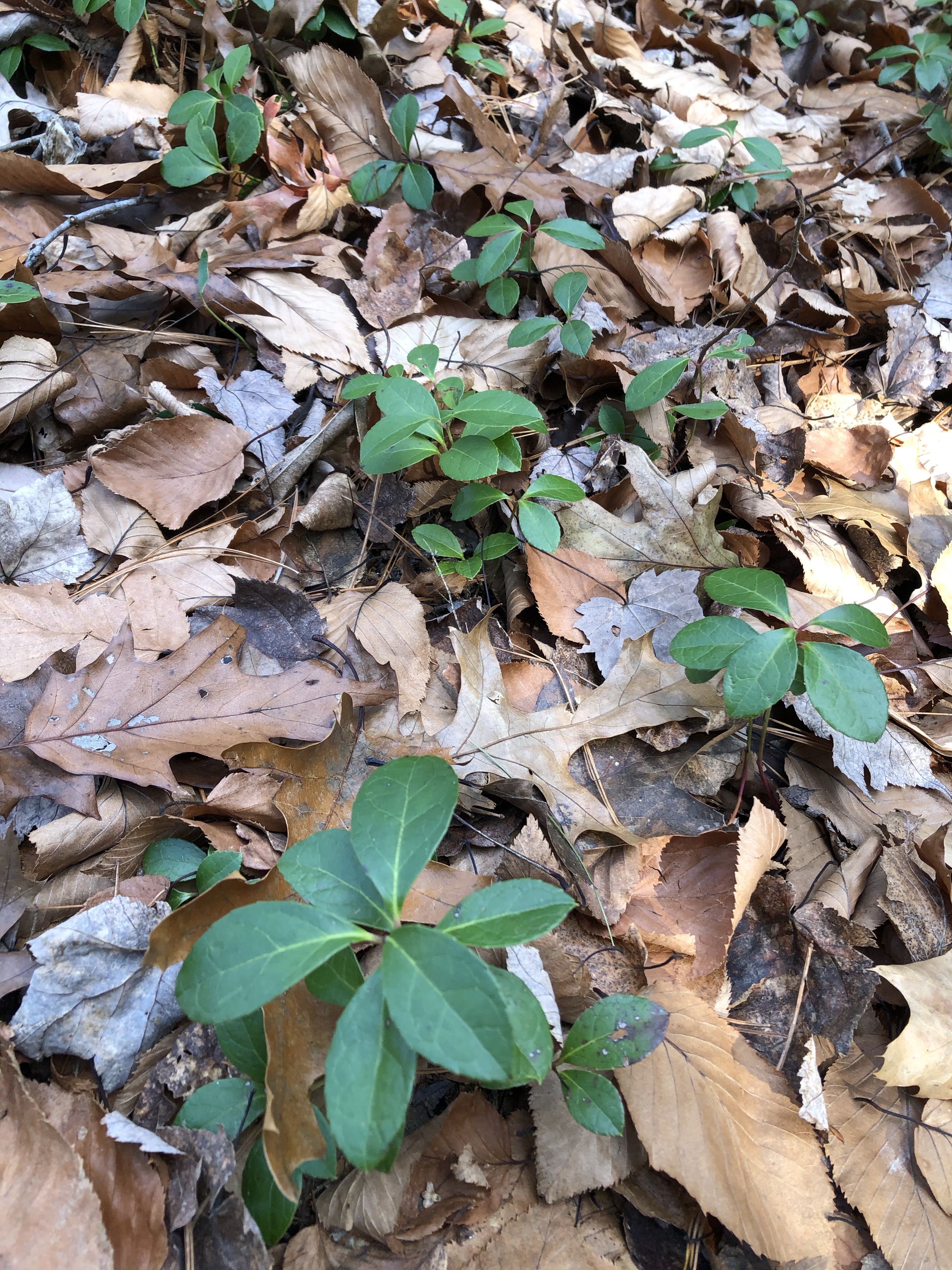
    I walk on and come across wintergreen in a sea of brown oak leaves, which reminds me of Carlisle, Massachusetts and the Great Brook Farm State Park. I pick a leaf, snap it in two and smell the minty freshness. Memories of wintergreen moments from years ago invade my mind for a moment, and I smile and release them with the folded leaf.

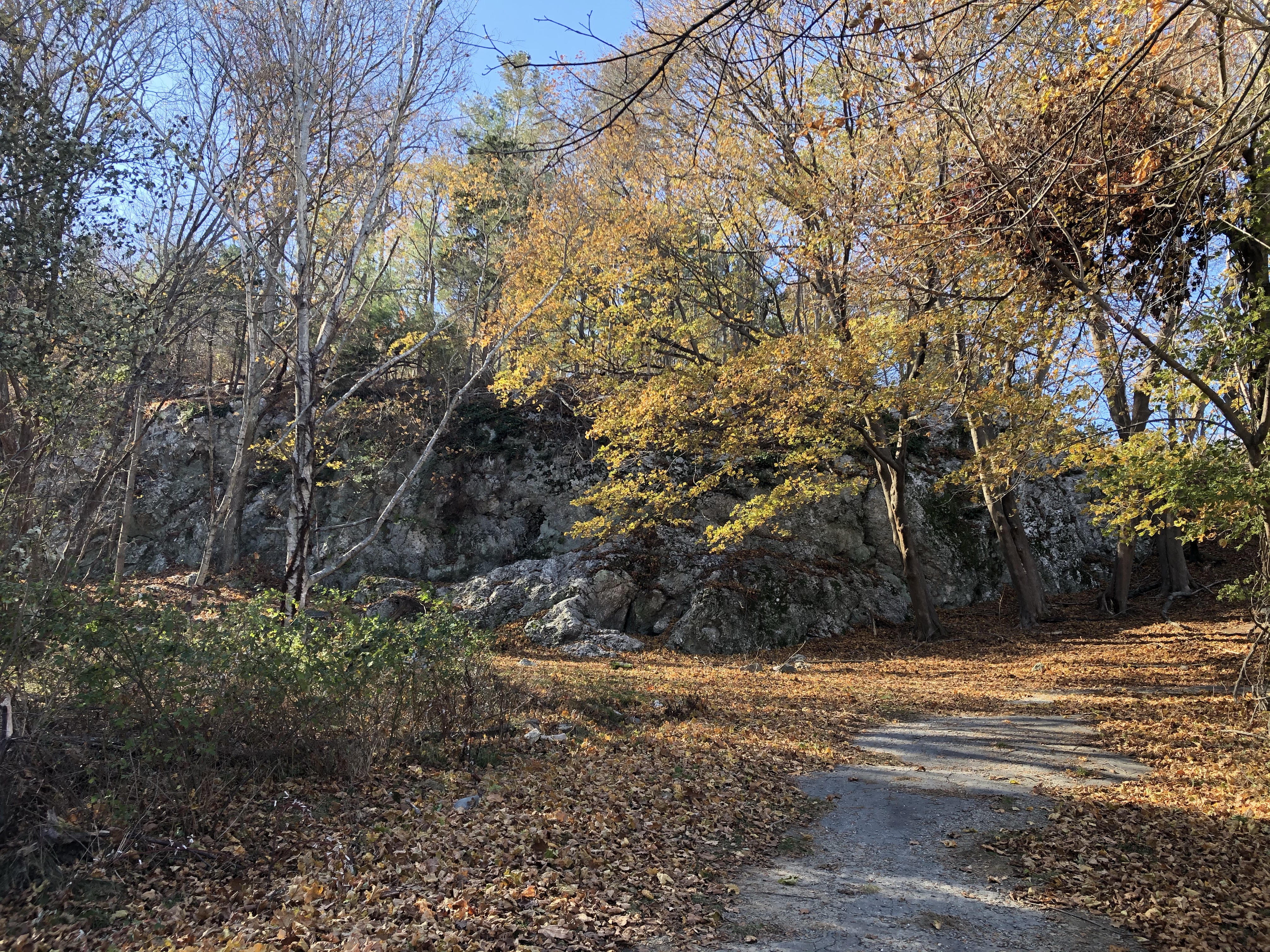
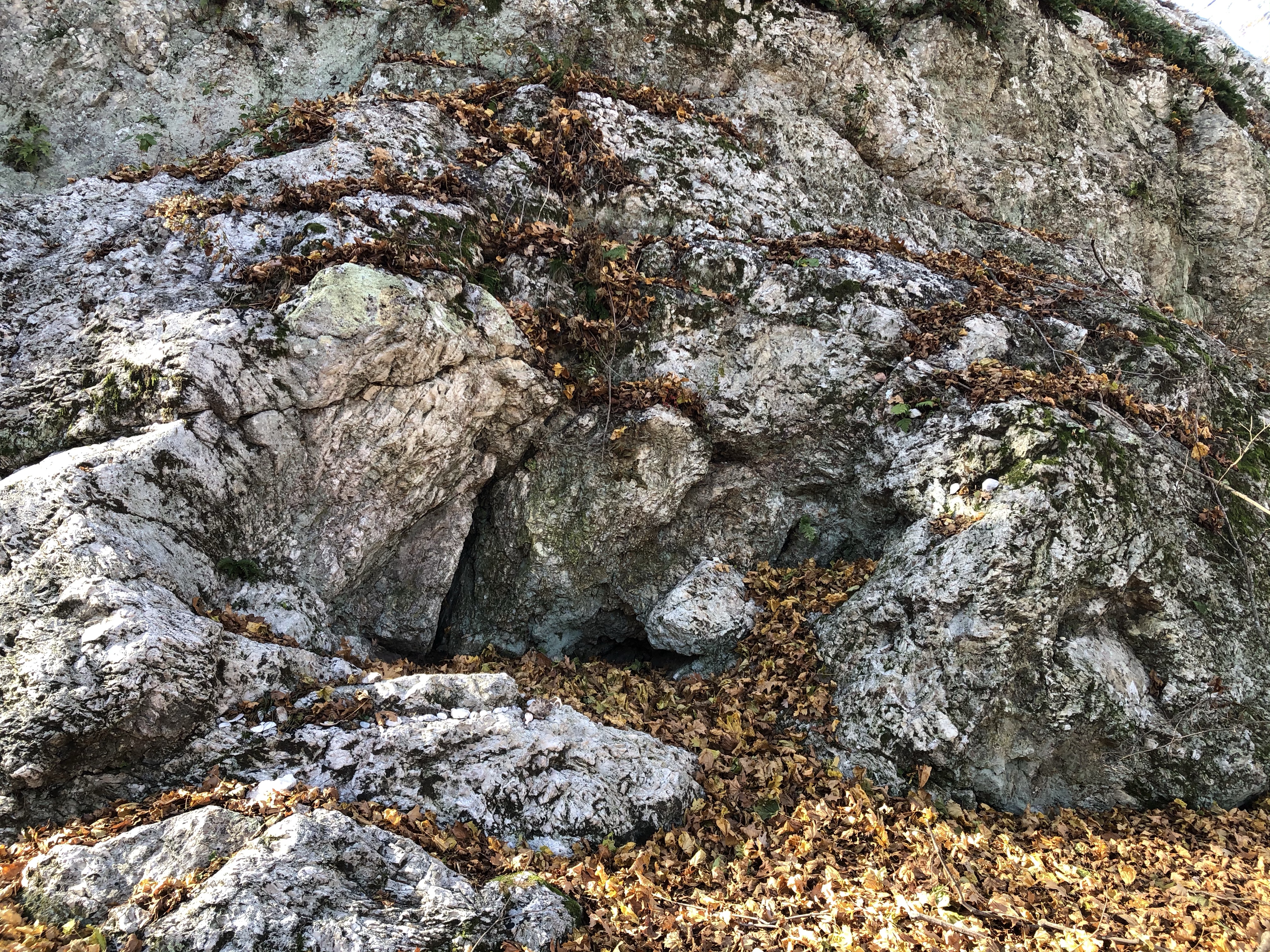
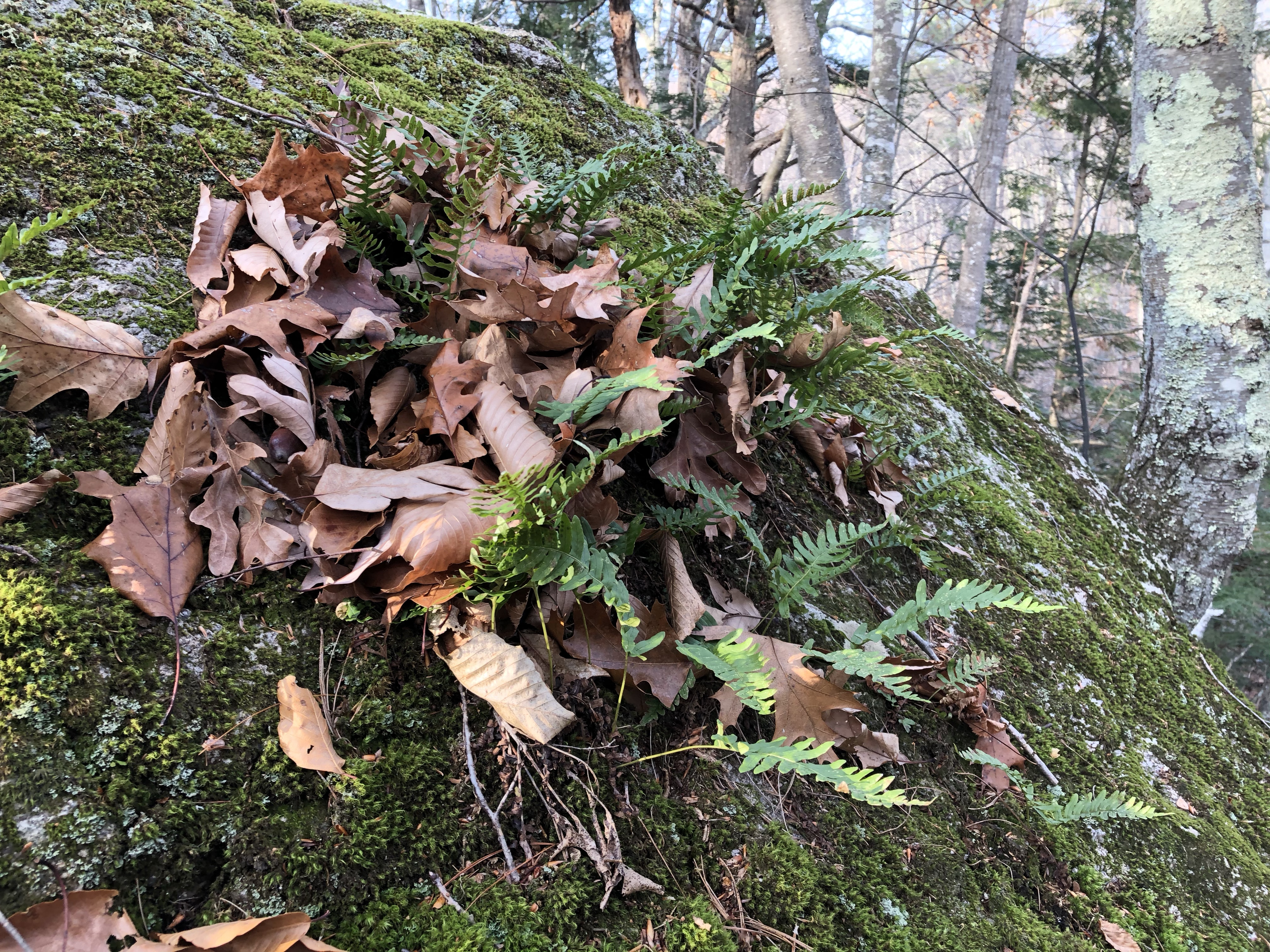
    I walk slowly through the woods; I’ve already reached my destination. I’m here to see not to get somewhere. Climbing a rise I wonder at the moss-covered granite ledge. Ferns cling to the moss, catching oak leaves that only wanted to fly. Will they return to the earth, or feed the ferns right here on the granite? That’s a question for time.

    Conservation land offers familiarity without risk. Risk that this will become yet another housing development. It’s a friend that won’t be betrayed like that friend down the street was. The land has been betrayed before, you see it in the walls and cellar holes. It may be again someday, but in conservation there’s hope for more permanence. At the very least these woods should outlast me in some form. Still, there are no guarantees: Even these woods show signs of recent harvesting.

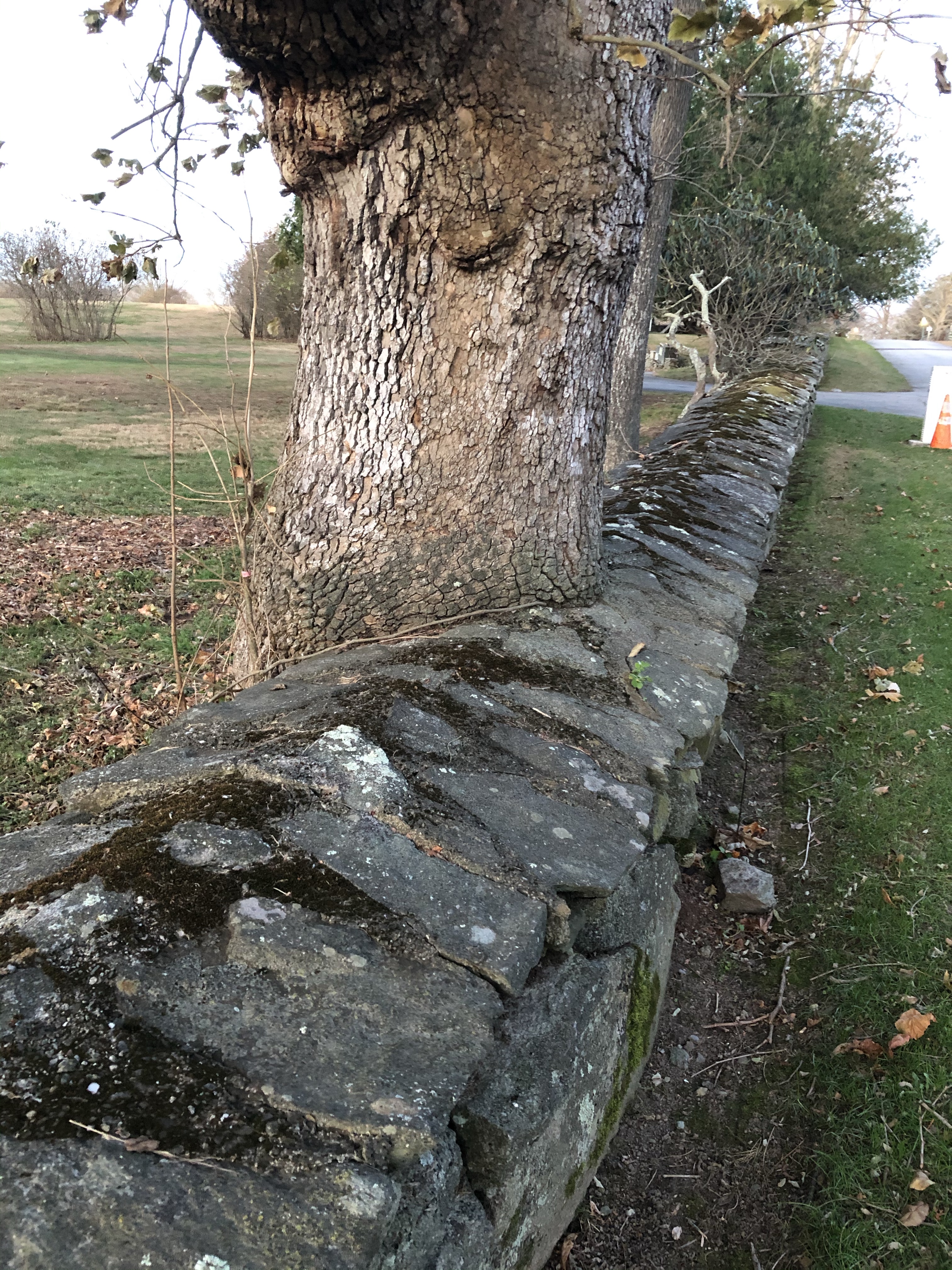
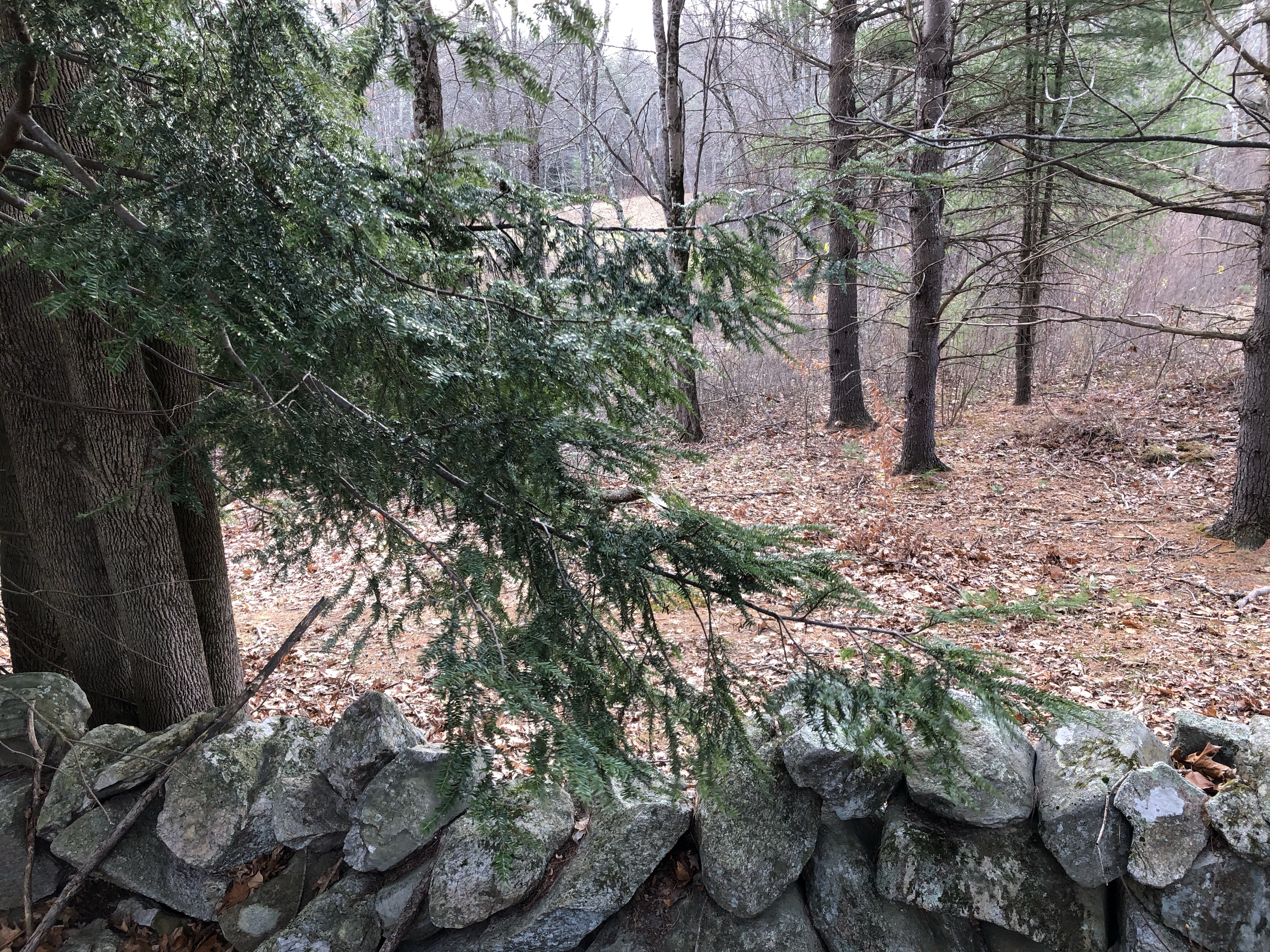
    I turn back towards home. The days are short now and I have things to do. But I pause once again for the hemlocks. For all the bare trees in the November woods, a few remain evergreen. My favorite is the hemlock, with their lacy green limbs riding the breeze. These limbs fold down neatly under snow load, while the oaks stoically resist. This means the oaks stand naked in November while the hemlocks still proudly wear their deep green dress. A case for being flexible under stressful conditions, it seems. So I stay still, watching one limb bouncing above a stone wall that stand tired but proud amongst the clutter of fallen late autumn leaves. It reminds me of an Irish step dance on a carpet of oak leaves in a granite hall. I reluctantly walk on from this performance for an audience of one with a nod to the performer. And I’m awake once again.

  • The Farmer and the Poet

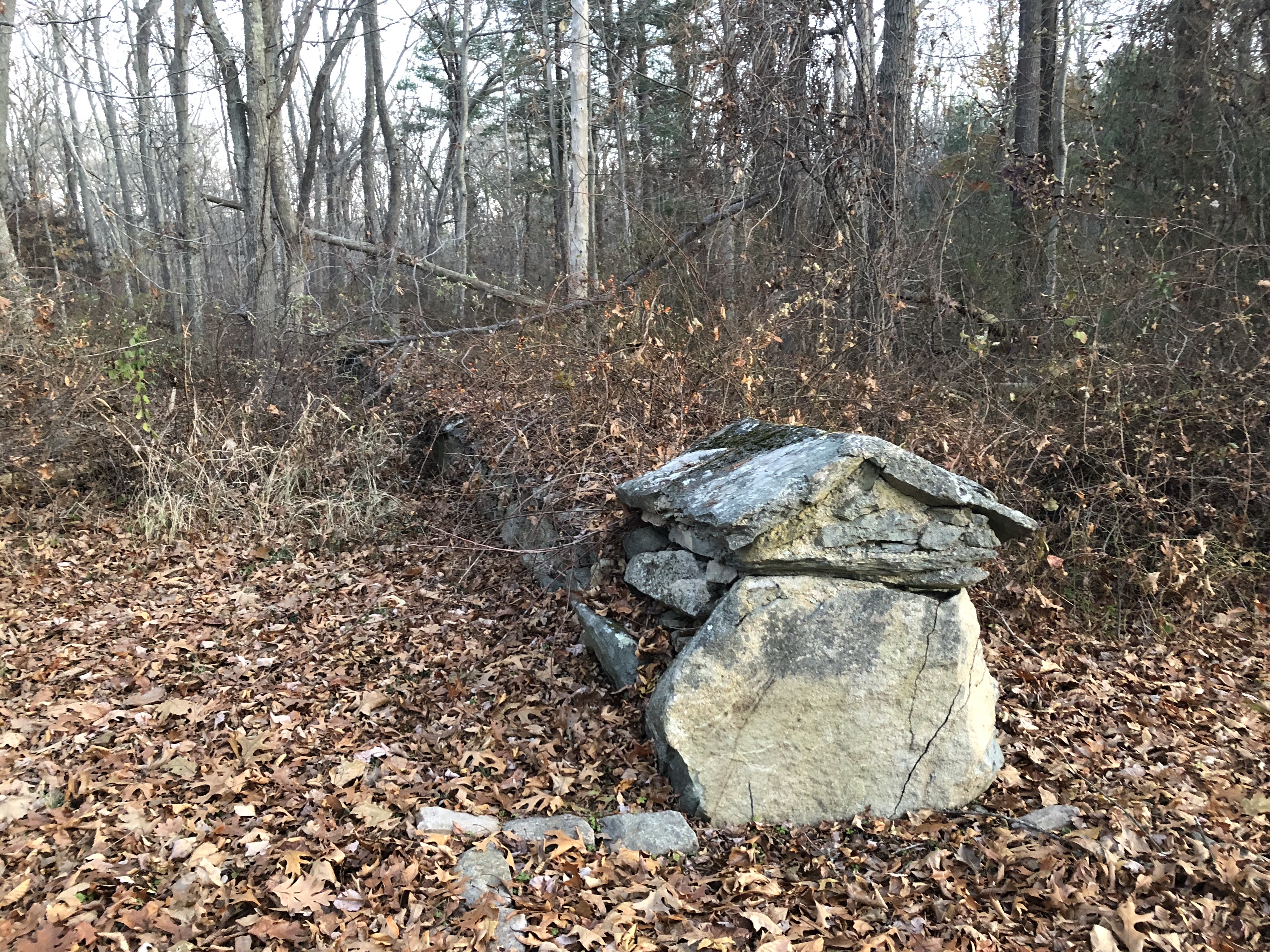
    It sits perched atop its fellow stones, neatly laid as a capstone of sorts. Who’s hands laid this stone? A farmer from the earliest days of this nation? Or perhaps their grandchild, the last generation to farm this land before the young turned to the mills or went west? Once the land surrounding the wall was cultivated, bearing harvests of corn, beans and squash. Then the farms faded and the trees regained the land. This wall marks the past, and this stone waits eternally to tell its story, like that poem buried in a musty old book on a library shelf. The farmer and the poet each speak to us through their creations long after they’re gone. If only we’ll listen.

  • Meeting The Old Man of Storr

    Hard rain and fog don’t lend to an optimal hiking experience. But that’s what greeted us as we drove up A855. This was to be the one day where the weather mattered most on the entire trip, and the weather wasn’t good. Disappointed, I scratched Quirang off the list. But I held out hope for the Old Man.

    Looking up as we drove past the car park, it was clear this wasn’t going to be what I’d hoped for. The Old Man of Storr was completely obscured in fog. Perhaps wait it out a bit and hope it would lift? We drove onward to Kilt Rock and Mealt Falls, took the obligatory photos that everyone else takes and made our way back to try the Old Man once again.

    Heavy rain greeted us as we got out of the car, but the fog had lifted just a bit, giving a peek at our evasive friend. We hiked up to say hello, pelted by rain, optimism in our hearts. But this wouldn’t be the day, as the fog descended once again, completely obscuring the Old Man of Storr. This wouldn’t be our day to meet, and we turned for the descent. There’s always Talisker. And thoughts of when I might return again.

  • Arthur’s Seat

    The views from this old volcano are stunning, and not terribly hard to earn. But Arthur’s Seat does present challenges. Most notably the tricky combination of mud, craggy rock face and people. The sheer numbers of people ensure more mud, more slippery rock, more erosion.

    The stream of people making their way up to the summit was fascinating to me. This was the off-season after all, but we passed hundreds of people making the pilgrimage. All manner of footwear went with them, from dress shoes to clogs to flat-soled boots that had no business stepping off pavement. But many wore hiking shoes too. You can tell a hiker by their assuredness on tricky ground and for the respect they give to the trail. Arthur’s Seat deserves more of that respect.

    A worthwhile side trip on the hike is a visit to the ruins of St Anthony’s Chapel. You can also explore Salisbury Crags, which offers a bit more solitude than the popular summit hike. The views on a clear day make the summit hike worthwhile. On a rainy or foggy day St Anthony’s Chapel would still impress, and pairs well with a visit to the ruins of Holyrood Abbey. You’ll be tracing in the steps of those 16th century monks, but with more amenities.

    Anyone with a good level of fitness can do this walk. I recommend packing a water bottle and extra patience if you go later than 10 AM. This is a hike best done early and with good weather. Heavy rain would make it treacherous in places if you aren’t property equipped. Respect for the trails are critical, if only to ensure Arthur’s Seat isn’t loved to death.

  • Live Awakened

    The book Awakening begins with a foreword by Francis J Stroud, relaying a story the author of the book used to tell when he was alive:

    “A man found an eagle’s egg and put it in a nest of a barnyard hen. The eaglet hatched with the brood of chicks and grew up with them. All his life the eagle did what the barnyard chicks did, thinking he was a barnyard chicken. He scratched the earth for worms and insects. He clucked and cackled. And he would thrash his wings and fly a few feet into the air. Years passed and the eagle grew very old. One day he saw a magnificent bird above him in the cloudless sky. It glided in graceful majesty among the powerful wind currents, with scarcely a beat of its strong golden wings. The old eagle looked up in awe. “Who’s that?” he asked. “That’s the eagle, the king of the birds,” said his neighbor. “He belongs to the sky. We belong to the earth—we’re chickens.” So the eagle lived and died a chicken, for that’s what he thought he was.” – Anthony De Mello

    Today I’m walking all around Edinburgh, feeling quite awake. Yesterday I came across Memento mori at Greyfriars Cemetery and smiled at the sight of this familiar reminder that life is short. Learn who you really are and live a larger life. The rest will take care of itself.

  • The Odd Greeting

    Walking offers a unique experiment in etiquette. My upbringing as a hiker trained me to greet everyone I passed along the way with at minimum a “hello”. But this doesn’t go over well in some places. People are naturally on guard for the unwelcome intrusion on personal space on city sidewalks, but surprisingly on rail trails too.

    Sure, I understand a female jogger not wanting to invite trouble by being too engaging on a trail with a tall stranger walking towards them. Completely understandable that you’d want to minimize risk. But I am surprised by the number of men who avoid eye contact, let alone a curt “Hi” as you march on by. Such is the world we live in where sensational outcome stories run top of mind, like a bleeds-it-leads story on the 6 o’clock news.

    I don’t push the issue. You know within five paces whether someone is a greeter or not. Which presents another etiquette problem. At what point in your walk towards each other is it proper to make eye contact, say your greeting and look away. Staring at someone as you walk towards them is unnerving at best, will get you berated or physically assaulted at worst. No, a quick glance over at two paces, a clever remark as warranted or a quick hello and back to the path with those eyes. Staring after a greeting is right up there with pre-greeting staring, with the same result just as likely.

    I’ve found that the more you’ve worked to get wherever you happen to be passing someone, the more likely there will be a greeting. Hiking the White Mountains? Pretty likely. Walking the path across Boston Common? Improbable. Unless you’re brought together by circumstance. Like walking in a snowstorm or driving rain, when you greet each other with that “can you believe this?” look. Shared experience builds comradely, if only for a brief moment. And really, we’re all in this together, aren’t we? Well, except for those people who hike with earbuds in. They’re definitely flying solo.