Tag: Austria

  • Finding Soulfulness in Inefficient Places

    “Everything that feels soulful in life is inefficient. All the vacations that we find very soulful are inefficient places. The food that we really, really like and find soulful are inefficient to cook… maybe soulfulness is a function of chaos and inefficiency... It is impossible to imagine scaling in life without standardizing. And standardizing is the enemy of soulfulness.” — Kunal Shah, Interviewed on The Knowledge Project

    Don’t you feel the weight of truth in Shah’s words? Don’t we feel the lack of soulfulness in a “corporate” vacation destination versus the times we march to our own beat? Who seeks out a national restaurant chain for soulfulness and individual expression by the chef? No, we go to places like Disney World and Applebees for the predictability—good product delivered as expected. No need for translation or a Google search, it’s. just. as. expected. <yawn>.

    We all seek predictable when we can. Heck, I stayed at a Hilton in Vienna instead of a boutique hotel because I could use points and I knew there would be an iron and ironing board in the closet—because there is always an iron and ironing board in the closet of every Hilton property I’ve ever stayed in anywhere in the world. Sometimes you don’t need soulfulness, you just need to iron a damned shirt yourself.

    Contrast this my hotel in Castelrotto, Italy, where our room didn’t have a window but a skylight, no air conditioning or fan, uneven floors and a reception desk in another building down the street. The bell in the tower right above our heads through that open skylight would begin ringing at 06:00 sharp. And you know what? I loved it. The building was older than the United States, that bell was ringing long before I entered this world and the breakfast was a lovely spread of soulful local expression I’d never have found in a hotel chain. There’s something to be said for inefficiency too.

    So how do we create soulfulness in our own work? We don’t do it by parroting whatever business book we just read in our next meeting with coworkers or customers. And we don’t do it by following the corporate handbook to the letter (but don’t you dare stray a step too far). No, we create soulfulness when we find our unique voice in the process of turning chaos into order and eliminating inefficiencies. Ironic, isn’t it? But meaningful work isn’t chaotic, it’s expressive yet contributive. We don’t add to the Great Conversation by shouting over the crowd, nor do we help a company meet its quarterly objectives without following an informed policy or two.

    Here’s the twist: we find soulfulness in our work through routine. This isn’t standardization, this is disciplined dues-paying to reach a place where we might transcend the average. We write a million average phrases to turn one clever, soulful phrase that resonates. We refine widgets over and over again until something perfect emerges. Soulfulness is developed through routine but released through individual, and thus inefficient, expression.
  • Vienna, At Last

    Slow down, you crazy child
    And take the phone off the hook and disappear for awhile
    It’s all right, you can afford to lose a day or two
    When will you realize, Vienna waits for you?

    — Billy Joel, Vienna

    A traveler seeks magic in places big and small, and in mountains and cities alike. Two weeks of trains, planes and automobiles carried us to some of the most beautiful places in the region, but we had to come to Vienna before we felt our trip was complete. Maybe it was Billy Joel’s reminder that the city—the world— is out there waiting for us to stop the madness and seek out the magic that inspired a visit, or maybe it was a voice inside. Vienna, like Paris or Budapest or Prague remains a myth until you reach out and meet it.

    The first impression a visitor may have of Vienna is that the city is far bigger than one might expect. The larger city looks and feels like the working city it is. Cranes all over the horizon indicate it’s still growing, and quickly. But for all its bigness the Old City itself is very walkable.

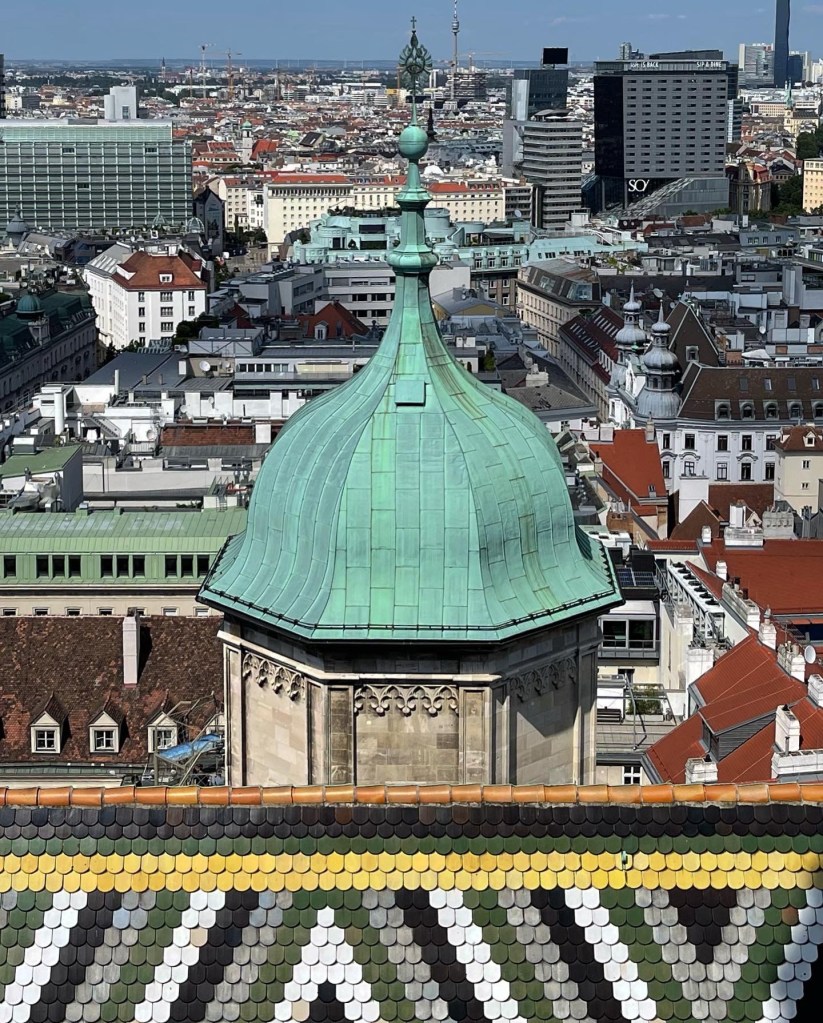
    Where do you go first when you visit Vienna? For me the choice was obvious: St Stephen’s Cathedral. Seeing the massive and ornate structure of the church itself was a goal, but climbing the 343 steps up the South Tower for the incredible views of the city was my underlying goal.

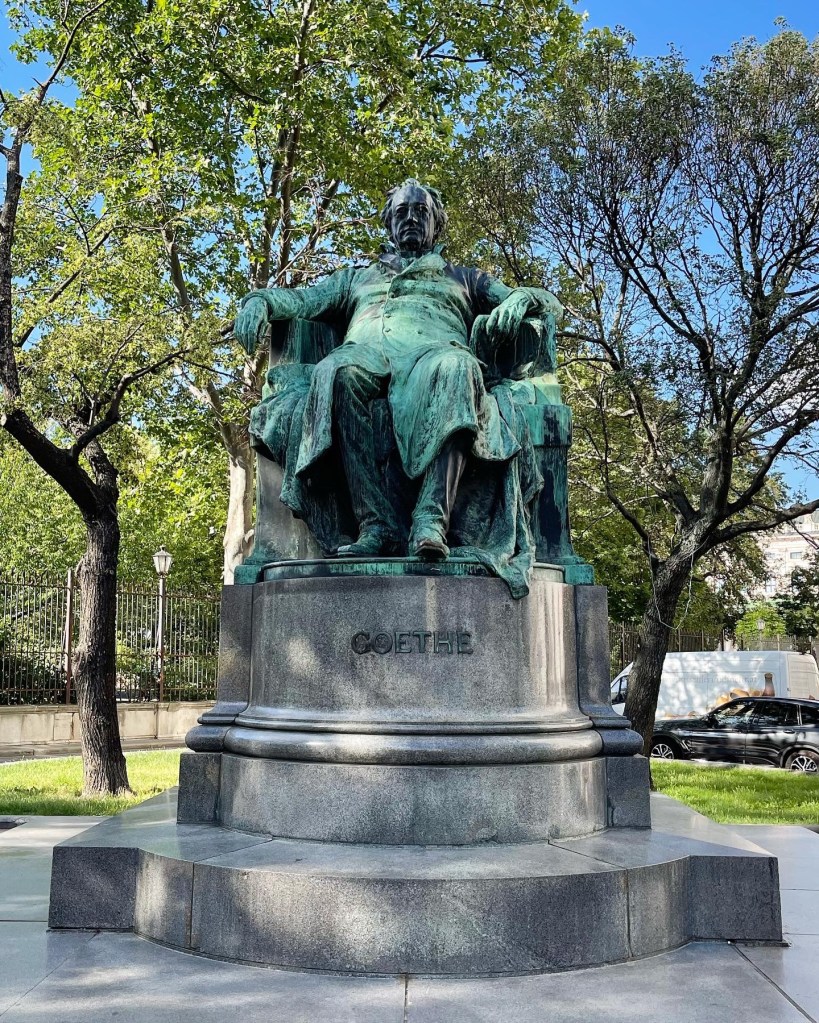
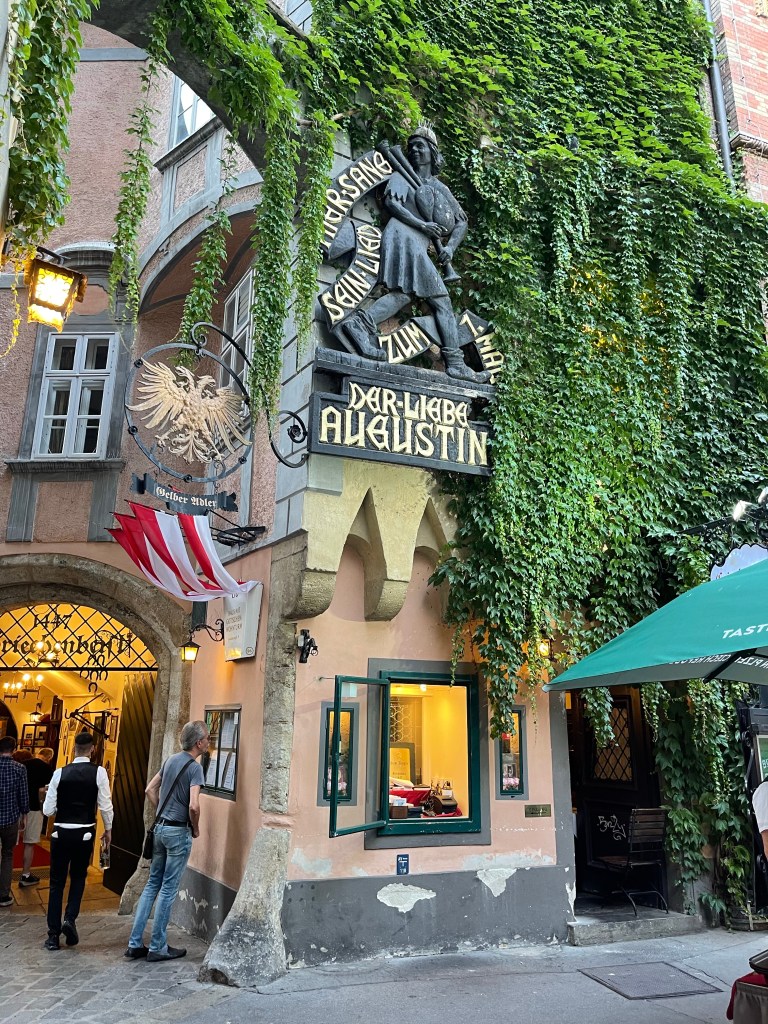
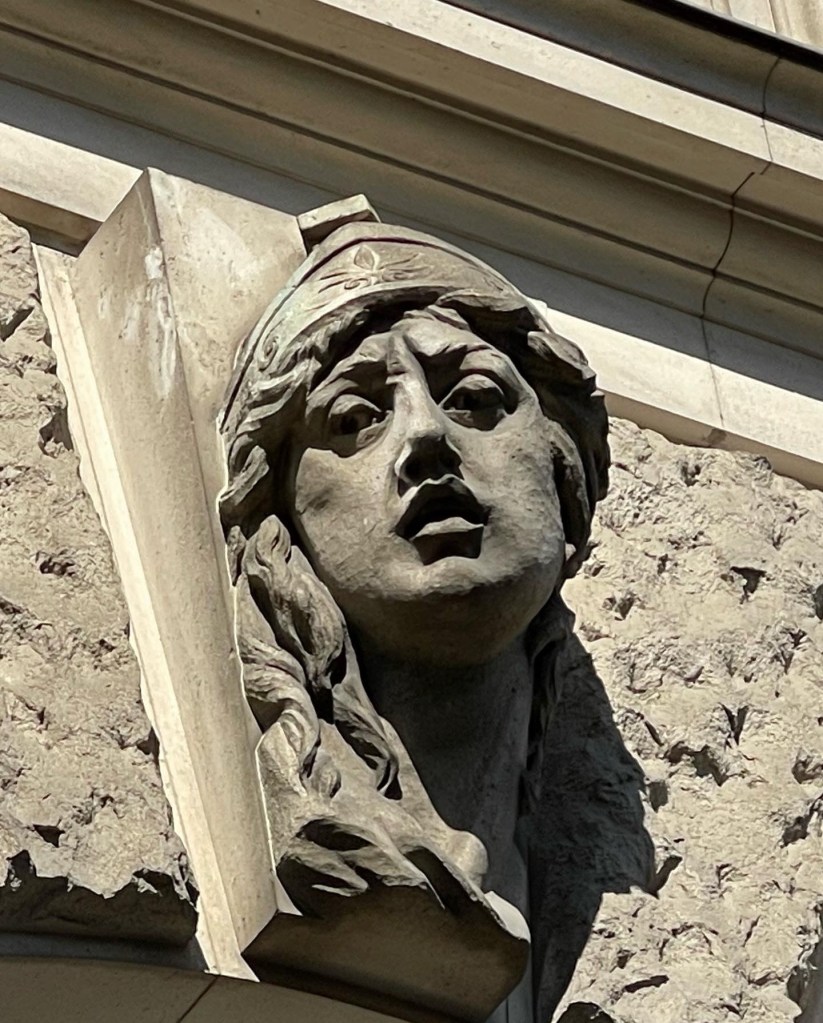
    Having seen the city from a high vantage point, it was time to find the details that make Vienna unique. One must walk an old city and find that which hides from casual visitors. This city offers something around every corner.

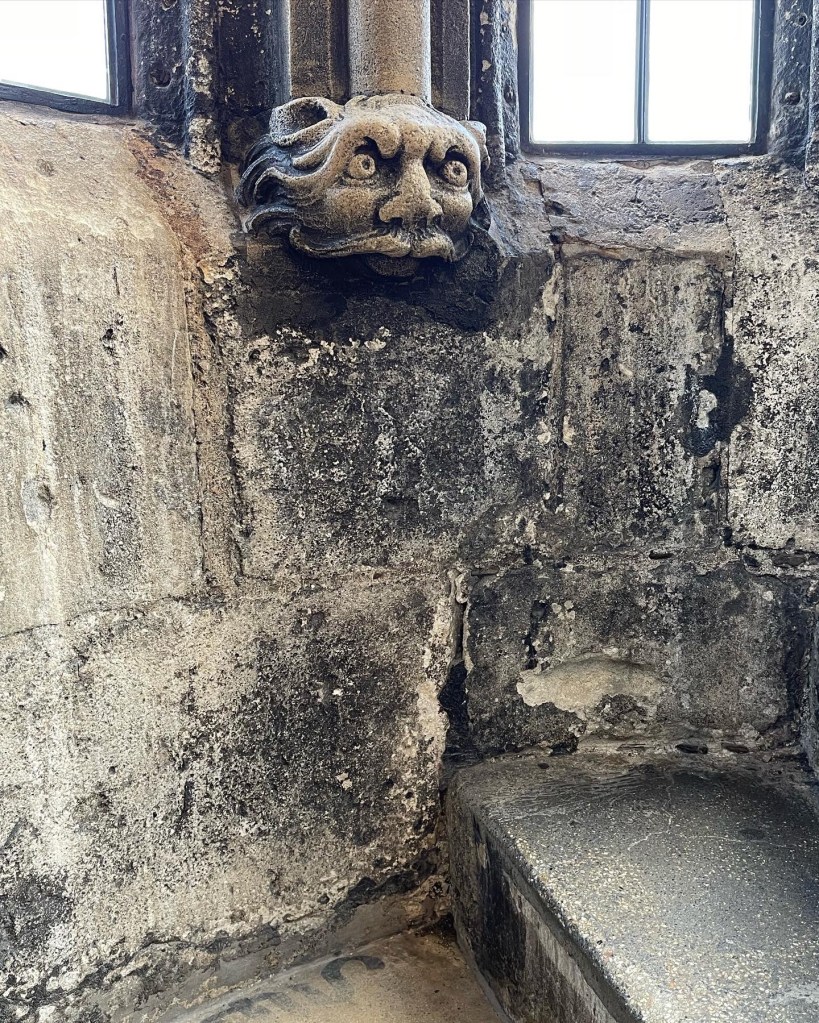
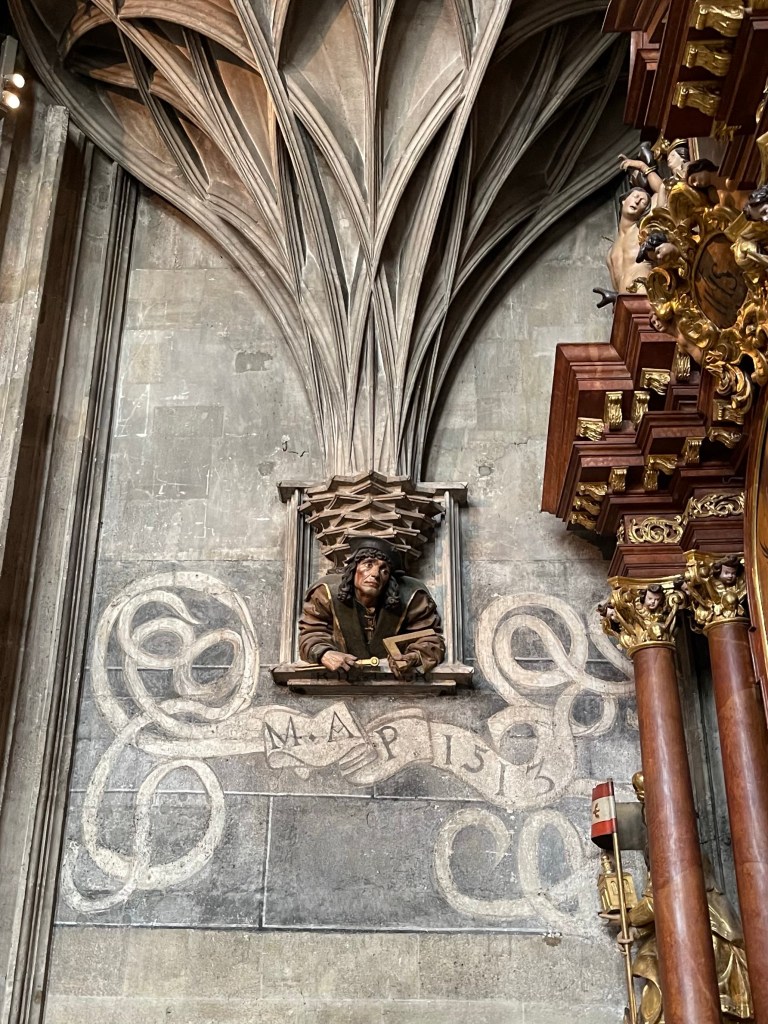
    When you’ve heard about Vienna your whole life don’t just skip across its surface like a stone, sink in! One should visit the palaces and museums and cafés to know Vienna, but you should also seek out the nooks and crannies where the place reveals its magic. Those who built this place leave a bit of themselves for us to discover, should we only look for it.

  • Courageously Memorable

    “All I insist on, and nothing else, is that you should show the whole world that you are not afraid. Be silent, if you choose; but when it is necessary, speak—and speak in such a way that people will remember it.” — Wolfgang Amadeus Mozart

    Taking the train between Salzburg and Vienna I’m reminded of Salzburg’s famous son, Mozart, who made this journey himself. Doing so launched his contribution to music and humanity to a level than it would have had he stayed home—a level of mastery very few attain in their lifetime. Sure, we know that taking this trip on its own doesn’t make us memorable, we’ve got to deliver the goods when we get there. Young Wolfgang delivered.

    Maybe that’s too much pressure for now. Maybe following in the footsteps of Mozart now might stir inspiration for later. We don’t accomplish great things without a rigorous apprenticeship and the courage to raise our hand when our time comes. Knowing when to raise our hand is as essential as knowing when to keep it down. Yet too many never get around to saying it’s our time. That shouldn’t be us.

    We sense when it is necessary for us to raise our game. We know when we can do more. The world may remain indifferent, but no matter. What matters is that we summon up the courage to rise up and do our very best to make our work memorable.

  • A Visit to Hallstatt

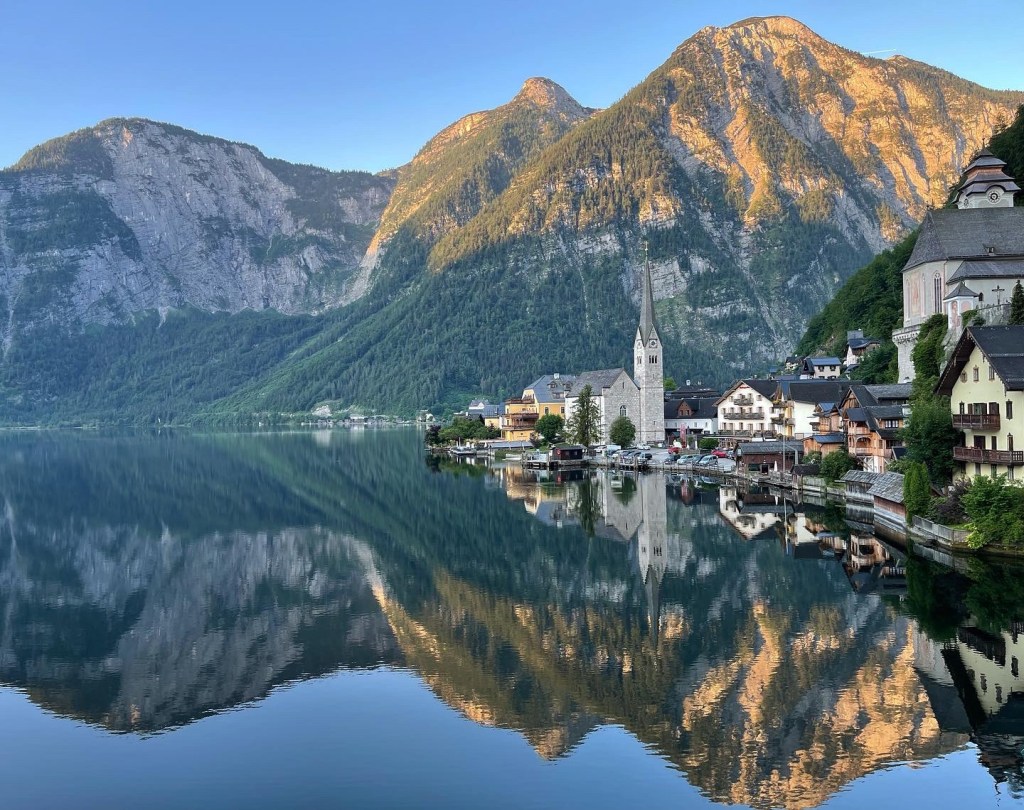
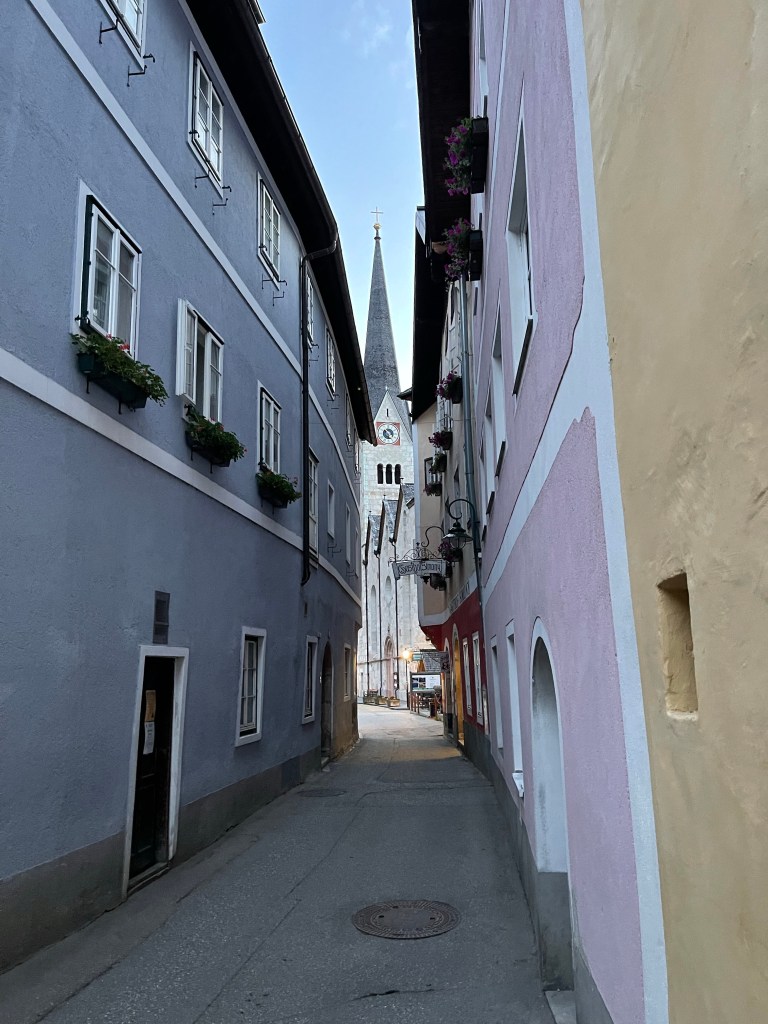
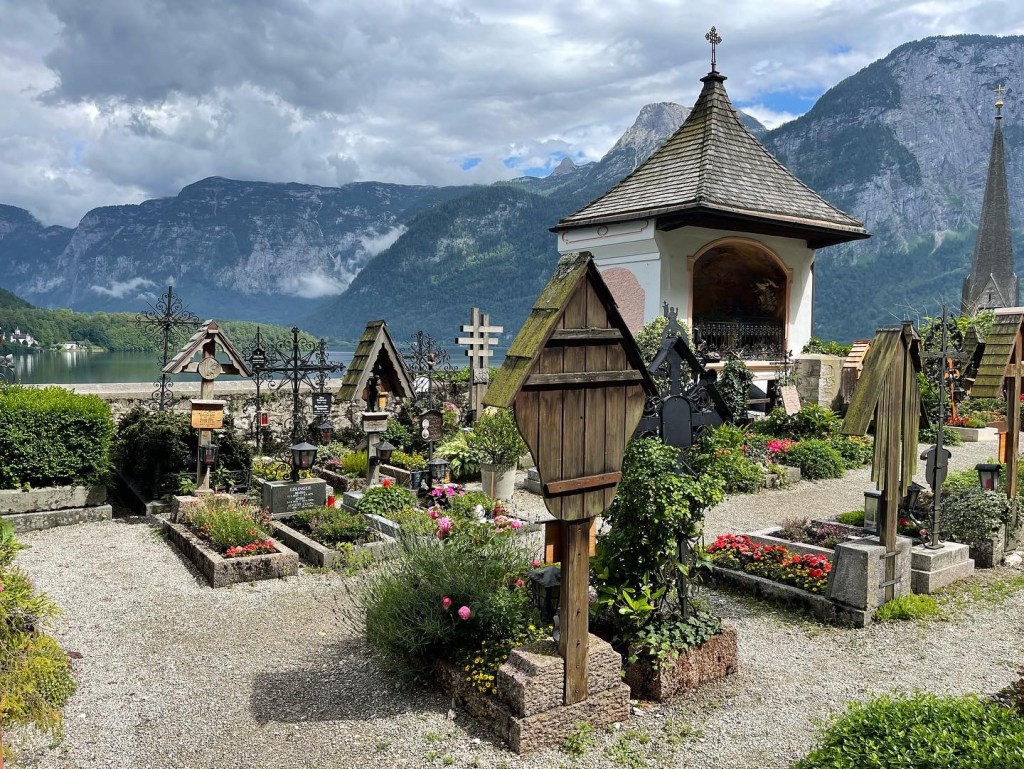
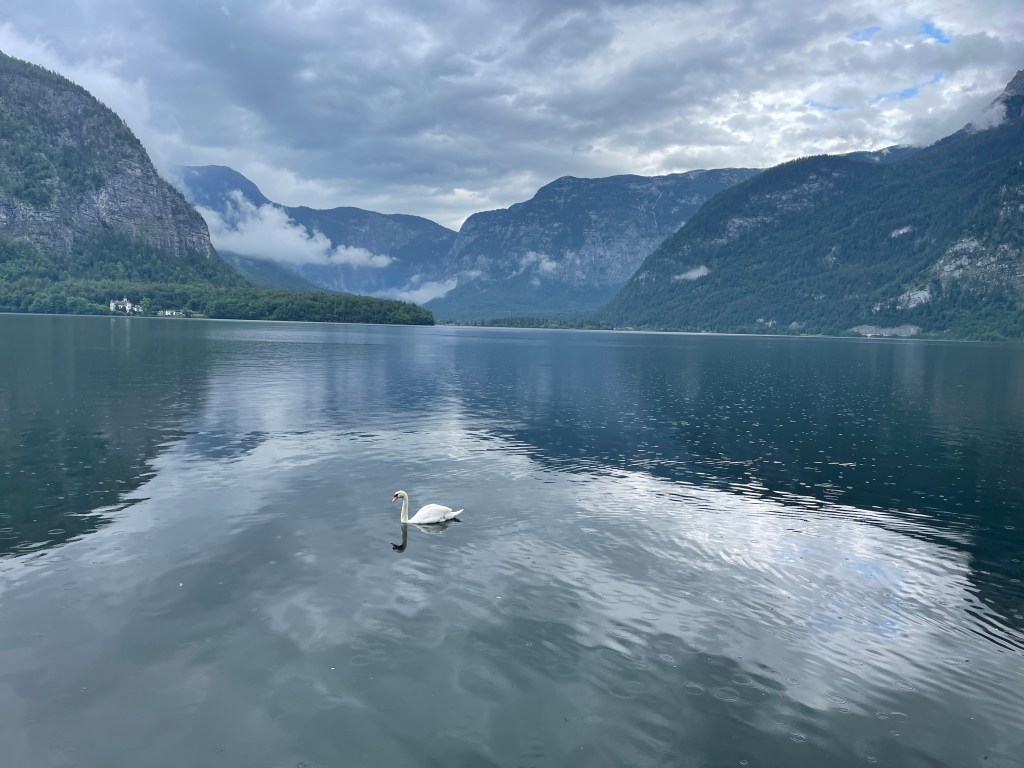
    Let’s get the obvious out of the way: Hallstatt is a tourist town. Thousands visit, take the same photos and leave. The crush of people in the middle of the day is an adjustment if you aren’t expecting it, but really—you should be expecting it. Hallstatt is famous for the iconic vista and the swarms that seek it out. But that doesn’t mean you shouldn’t go, just go prepared.

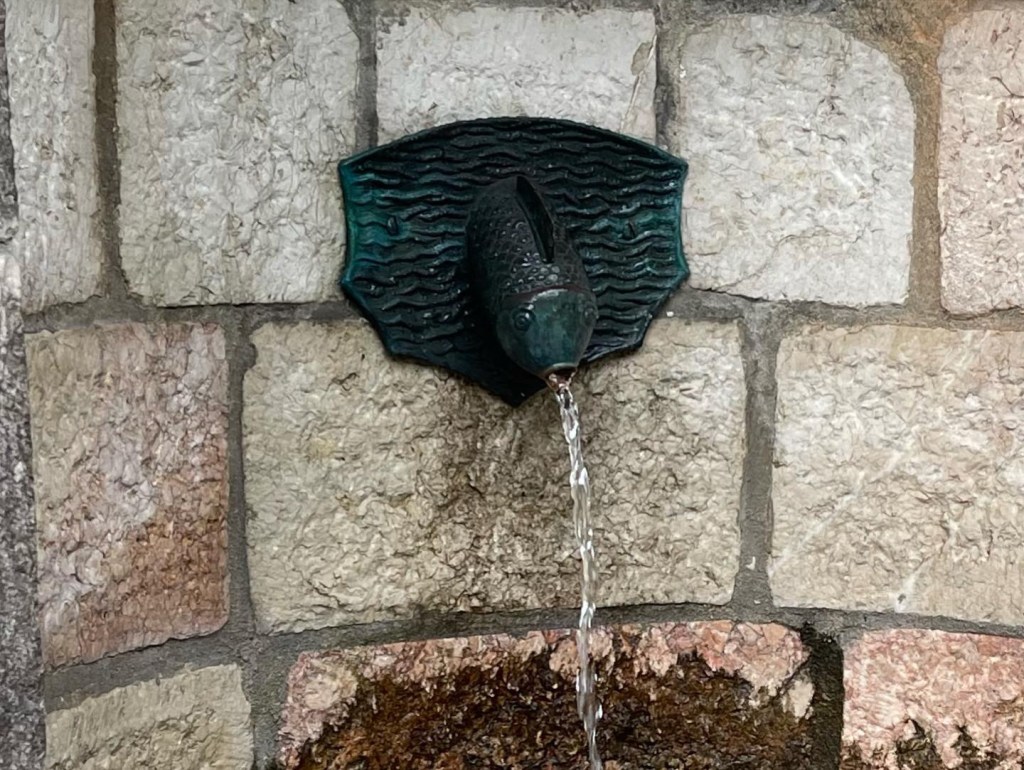
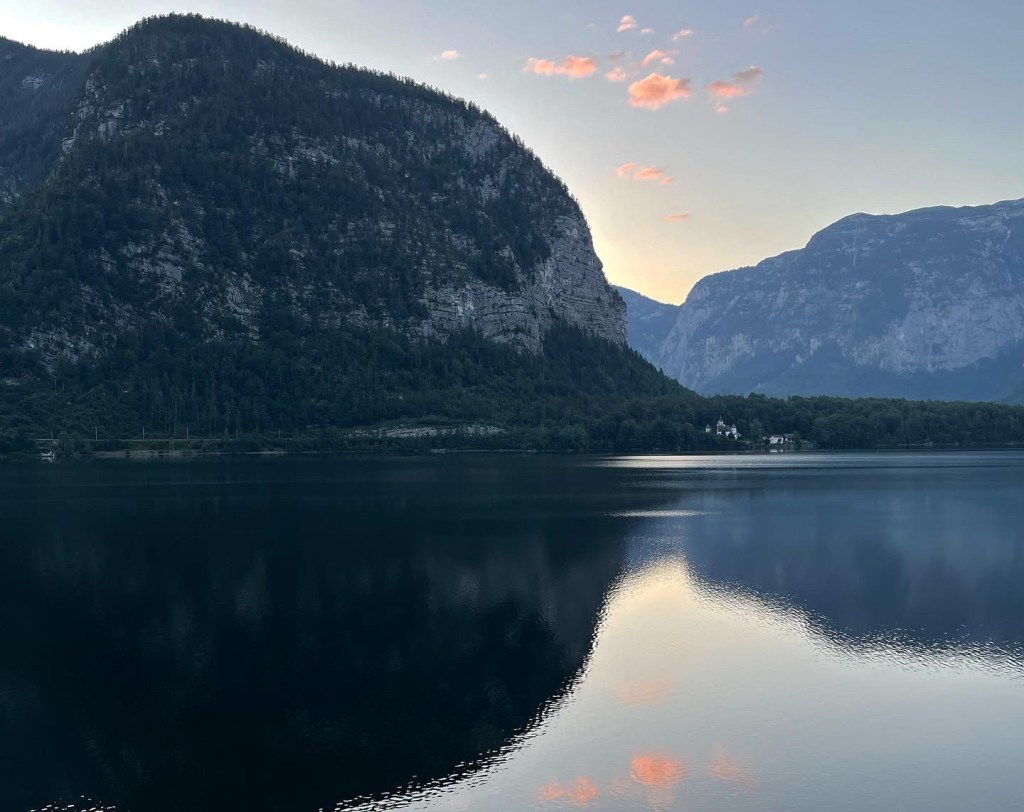
    Hallstatt is popular because it’s incredibly beautiful. like anything beautiful you either see it at surface level or you take the time to understand it at a deeper level. Linger with the little things. Savor the prolific roses that obviously love the climate. Get up really early and walk the town before anyone else is awake. Hike out to where the masses aren’t inclined to go. Don’t just be mesmerized by that pretty face looking back at you, ask for more.

    There’s a camaraderie that develops with early risers. We all seek the same thing, and respect boundaries. After all, mornings are for reverence. In Hallstatt the mission seems clear—get your money shot photo. Before dawn there were two of us waiting for the light, that number soon doubled and then tripled just before the bells rang at 6 AM. It was time to move on. You learn to linger, but never overstay. You must remember to savor this place you’ve imagined going to for so long.

  • The Magic Is in the Smallest Things

    Walking around in Salzburg, Austria offers a visual feast of bustling streets and five squares, the Salzach River, the Salzburg Cathedral, the cafes and biergartens, and above all, the Hohensalzburg Fortress high atop Festungsberg hill. The core hardscape is essentially the same for us as it was for Mozart 250 years ago. You can feel history with every step in this city. You can hear the whispers of all those who came before you.

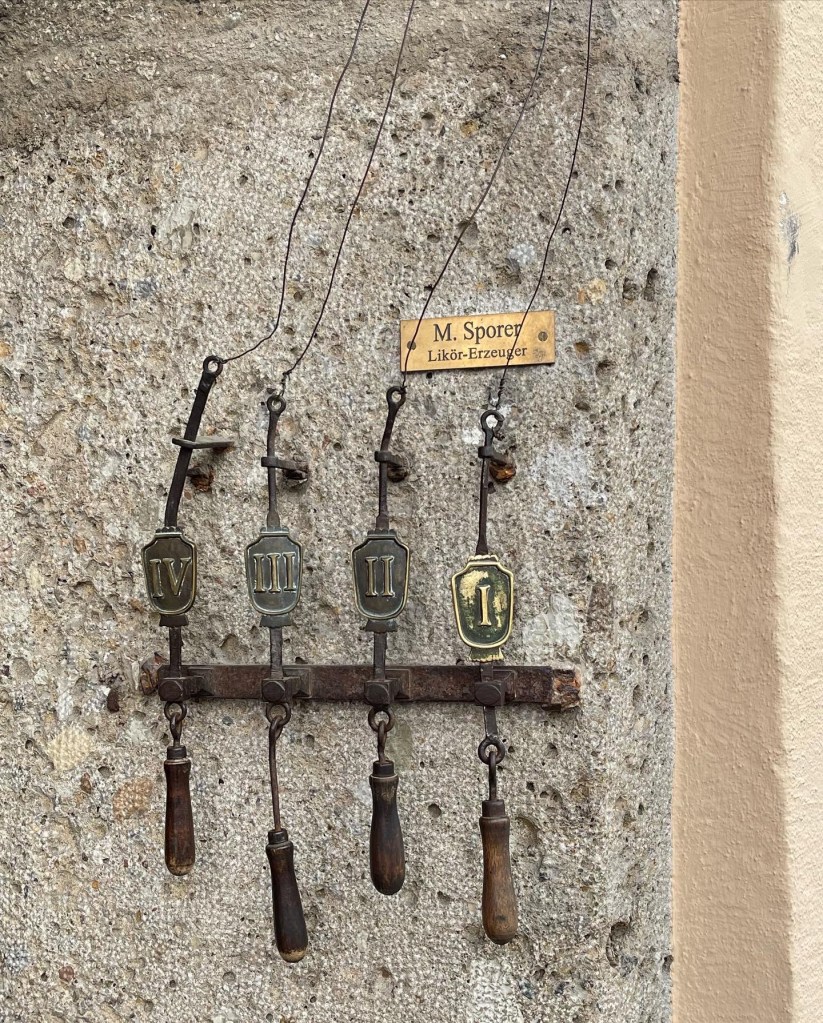
    One small detail struck me more powerfully than all the ornamentation in Salzburg combined. Walking along the Getreidegasse, with all its shops and people from all over the world, I came across a doorway with four pull cables that ran up the outside wall to the four floors above, each cable run to the inside of each apartment. It was an old doorbell system from the days before electricity, still functional today. I wanted to ring the bell and ask the local resident if I could see the bell on the other side of the cable. And imagine this has likely happened many times on such a busy street with such a tantalizing pull readily at hand for those returning from biergartens late in the day.

    It’s funny the things that stick with you when you travel. I look for small details like this wherever I go, for these details are where the magic is. The smallest things speak the loudest if you’ll only slow down long enough to listen.

    Doorbell pulls from another era
  • Bravado and Bluffs (How Wars Begin)

    “We have to remind ourselves that, at that moment, Blitzkrieg was nothing. It was just a bunch of stalled Panzers. Just a monstrous traffic jam on the Austrian highways, some furious men, a word that was coined later, like a gamble. What’s astounding about this war is the remarkable triumph of bravado, from which we can infer one lesson: everyone is susceptible to a bluff. Even the strictest, most serious, most old-world souls: they might not give in to the demands of justice, they might not yield to an insurgent populace, but they’ll always fold before a bluff.”
    — Eric Vuillard, The Order of the Day

    It’s hard not to read this quote about the earliest days of World War II and not see current events in the world. We’re seeing bravado and bluster all around us, and the voices of those who stand up against it shouted down in social media and in mob rallies. This isn’t far off from what was happening in 1930’s Europe. We’ve always seen it, really, for humans live to react and take time to think about the consequences when it’s too late.

    History is full of thugs and gangsters rising to power on a bluff and a healthy dose of intimidation. To think it’s not happening now is to live with blinders on. But we wonder, who are we to raise a voice in protest? Why rock the boat when you see what happens to others who do? We all have our filters on, biting our tongue when the oddball rambles about something a bit too extreme for our tastes. Why give them any momentum at all?

    I was at a trade show in Las Vegas, listening to some people I know parroting some mob rally talking points. I wasn’t surprised at their point of view, but taken aback that they’d voice it in the midst of industry peers. And what are you to do in that moment? Argue the contrary? Who wants to argue with someone you’re trying to do business with? And that’s exactly how a fringe idea vocalized becomes accepted by some who lean in that particular direction.

    I write this with a sense of optimism. It feels like the world has recoiled, finally, in the face of Putin’s aggression. In the face of Trump’s sedition. Yet the mob rallies continue. The lights are on and the cockroaches scatter, but they’re still there, waiting for their opportunity to come back out. Don’t give it to them.

    Bravado and bluster attracts some even as it repulses others. We either rise up and face it or we enable it. Strong leadership requires a play for the middle. The middle must recoil and throw them out before they gain momentum. Call their bluff—before it’s too late. As we’ve seen, it can happen here too.