“Everything that feels soulful in life is inefficient. All the vacations that we find very soulful are inefficient places. The food that we really, really like and find soulful are inefficient to cook… maybe soulfulness is a function of chaos and inefficiency... It is impossible to imagine scaling in life without standardizing. And standardizing is the enemy of soulfulness.” — Kunal Shah, Interviewed on The Knowledge Project
Don’t you feel the weight of truth in Shah’s words? Don’t we feel the lack of soulfulness in a “corporate” vacation destination versus the times we march to our own beat? Who seeks out a national restaurant chain for soulfulness and individual expression by the chef? No, we go to places like Disney World and Applebees for the predictability—good product delivered as expected. No need for translation or a Google search, it’s. just. as. expected. <yawn>.
We all seek predictable when we can. Heck, I stayed at a Hilton in Vienna instead of a boutique hotel because I could use points and I knew there would be an iron and ironing board in the closet—because there is always an iron and ironing board in the closet of every Hilton property I’ve ever stayed in anywhere in the world. Sometimes you don’t need soulfulness, you just need to iron a damned shirt yourself.
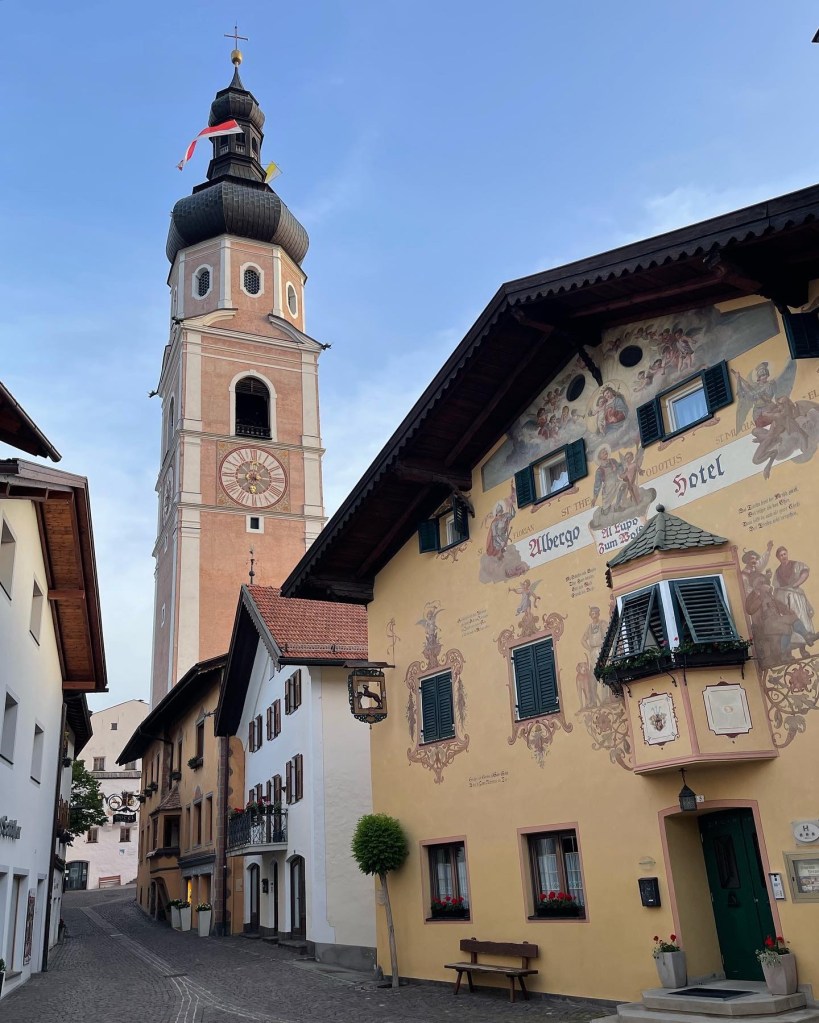
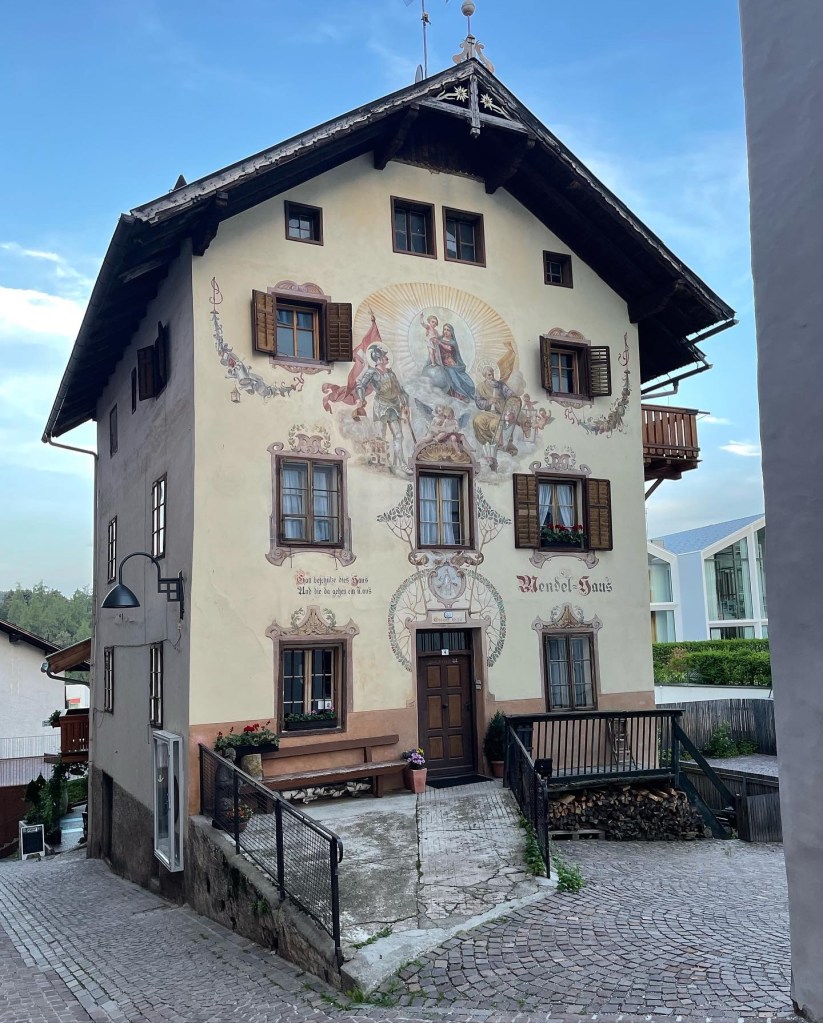
Contrast this my hotel in Castelrotto, Italy, where our room didn’t have a window but a skylight, no air conditioning or fan, uneven floors and a reception desk in another building down the street. The bell in the tower right above our heads through that open skylight would begin ringing at 06:00 sharp. And you know what? I loved it. The building was older than the United States, that bell was ringing long before I entered this world and the breakfast was a lovely spread of soulful local expression I’d never have found in a hotel chain. There’s something to be said for inefficiency too.
So how do we create soulfulness in our own work? We don’t do it by parroting whatever business book we just read in our next meeting with coworkers or customers. And we don’t do it by following the corporate handbook to the letter (but don’t you dare stray a step too far). No, we create soulfulness when we find our unique voice in the process of turning chaos into order and eliminating inefficiencies. Ironic, isn’t it? But meaningful work isn’t chaotic, it’s expressive yet contributive. We don’t add to the Great Conversation by shouting over the crowd, nor do we help a company meet its quarterly objectives without following an informed policy or two.
Here’s the twist: we find soulfulness in our work through routine. This isn’t standardization, this is disciplined dues-paying to reach a place where we might transcend the average. We write a million average phrases to turn one clever, soulful phrase that resonates. We refine widgets over and over again until something perfect emerges. Soulfulness is developed through routine but released through individual, and thus inefficient, expression.