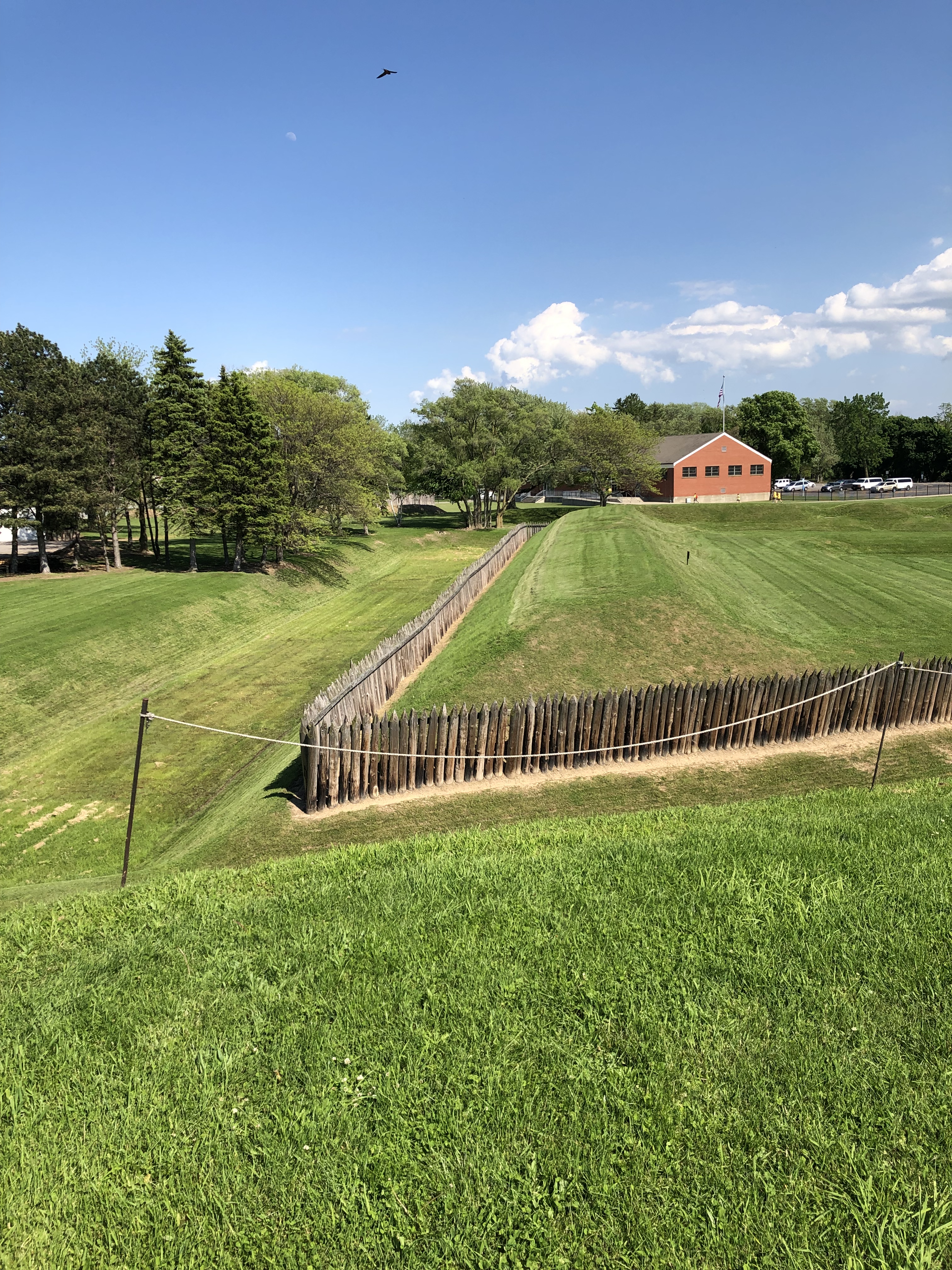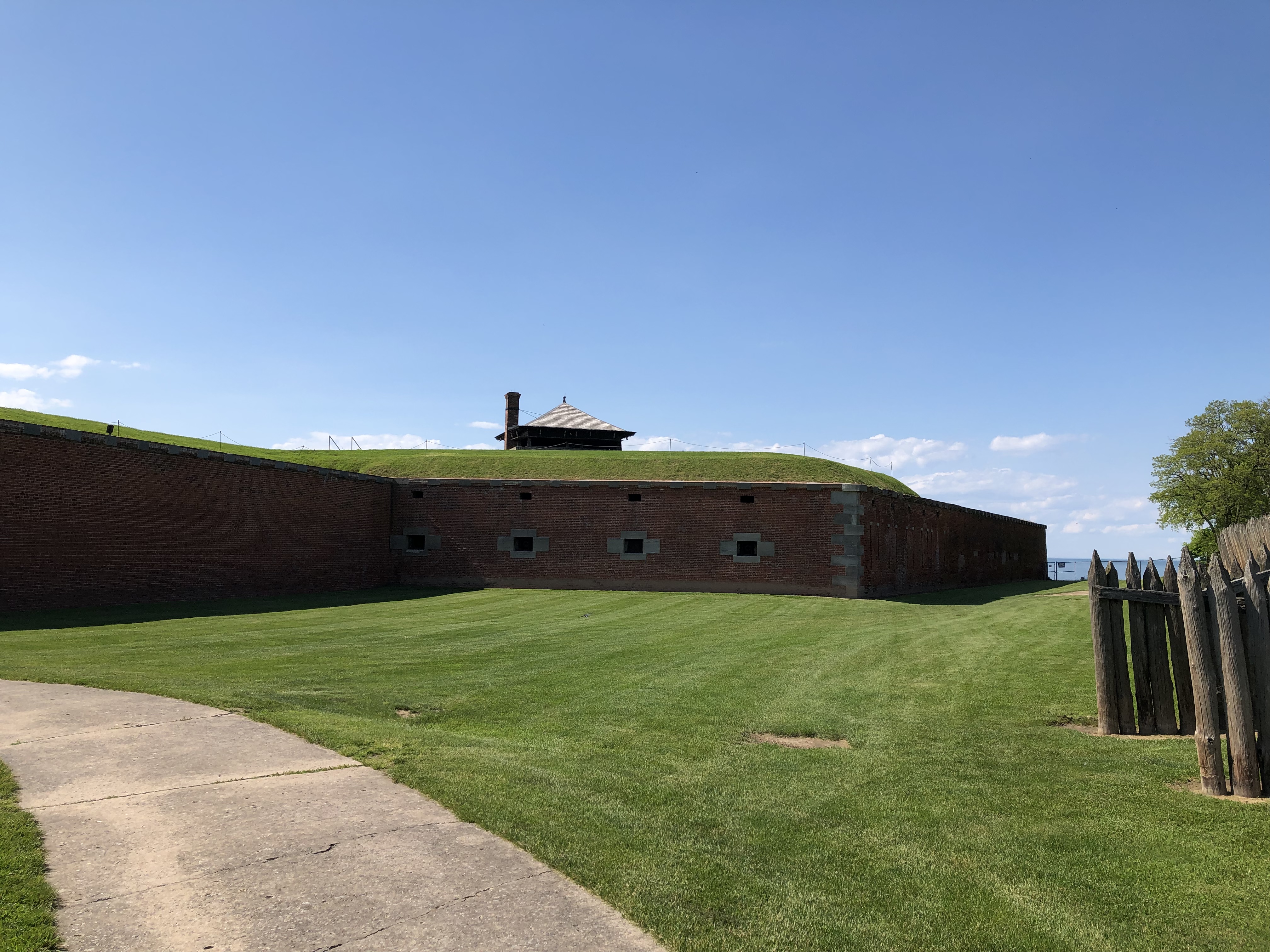
The northeast United States is dotted with old forts that once played a critical role in our history. Four of the most famous during the French and Indian War and the Revolutionary War were Fort Duquesne, Fort William Henry, Fort Niagara and Fort Stanwix. They were famous because they each occupied a critical point in the waterway transportation of the day, and because of their strategic important each was attacked (sometimes on multiple occasions). Because they were protecting waterways, each was located on relatively flat land. Without the high ground and hard ledge that prevented digging, each of these forts was attacked using the same tactic; siege trenching called sapping.
The act of laying siege on a fort requires significant manpower, patience and a willingness to continue pressing forward towards the enemy, thus pressuring them to surrender. A well-entrenched enemy isn’t going to wave the white flag and come out if they’ve got strong enough fortifications, enough food, enough manpower of their own, and enough ammunition to continue the fight… in short, if they have enough hope that they’ll prevail in the fight. To diminish this hope, an army laying siege would deploy multiple strategies – negotiation, bombardment, psychological warfare, and sapping. Sapping was the act of digging trenches closer and closer to the fortification, where bombs could be set to open up the walls. Trenches were dug in a zig-zag towards the fort to avoid enfilading, which is devastating fire directed directly down the trench killing many people at once.
“By persistently hanging on the enemy’s flank, we shall succeed in the long run in killing the commander-in-chief.” – Sun Tzu, The Art of War
There are two ways to fire on the enemy; defilade was firing straight into the face of the force attacking you, and enfilade, which is flanking fire. Enfilading is a favorite tactic for any army or navy as its lethally efficient. One cannonball can take out a hundred soldiers as it flies down the column destroying everything in hits. In the Battle of Trafalgar raking fire shot into the stern of the French ship Bucentaure resulted in 195 killed and another 85 wounded – simply stunning casualties in any battle, but particularly on a ship. Enfilading creates carnage quickly.
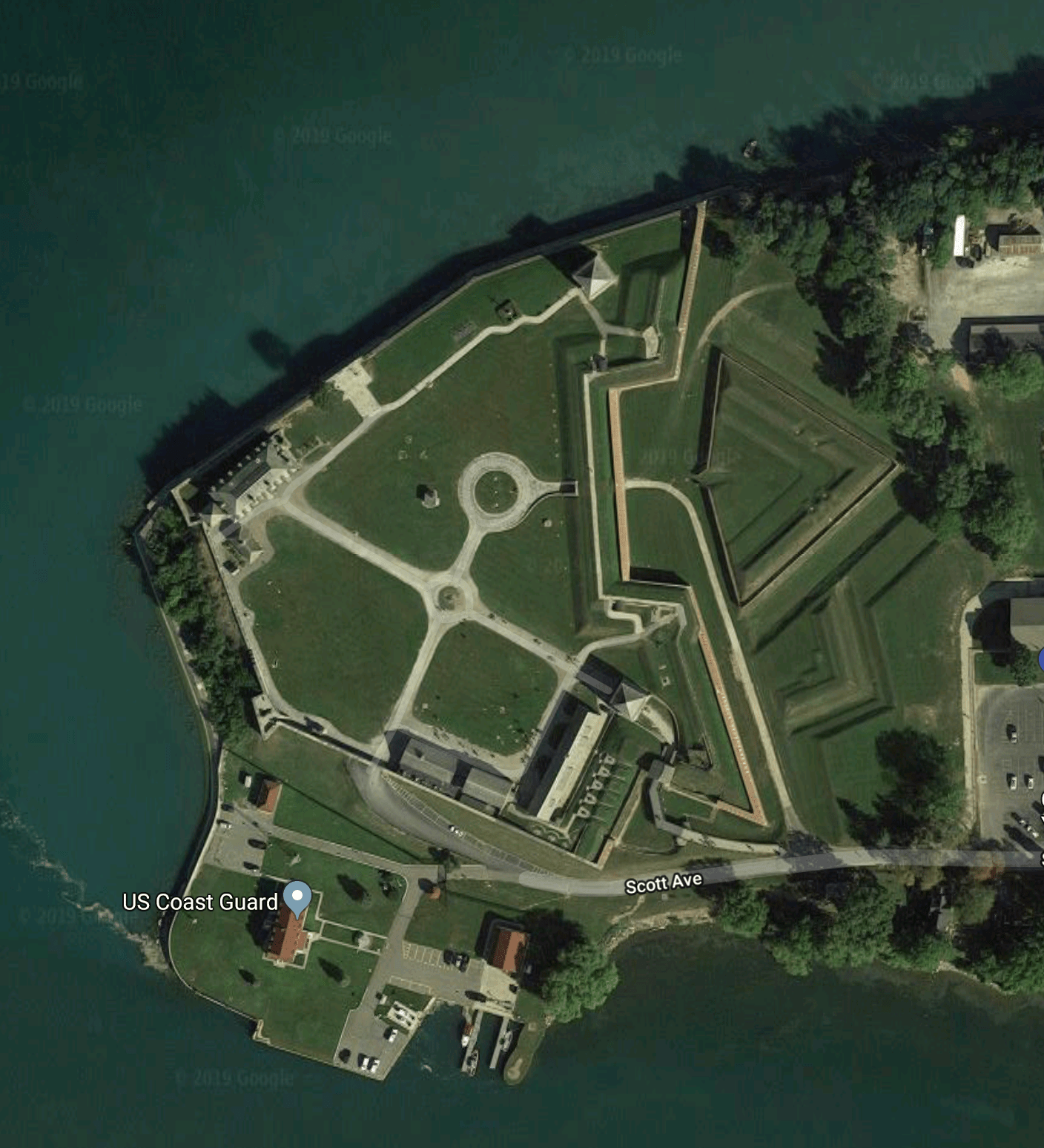
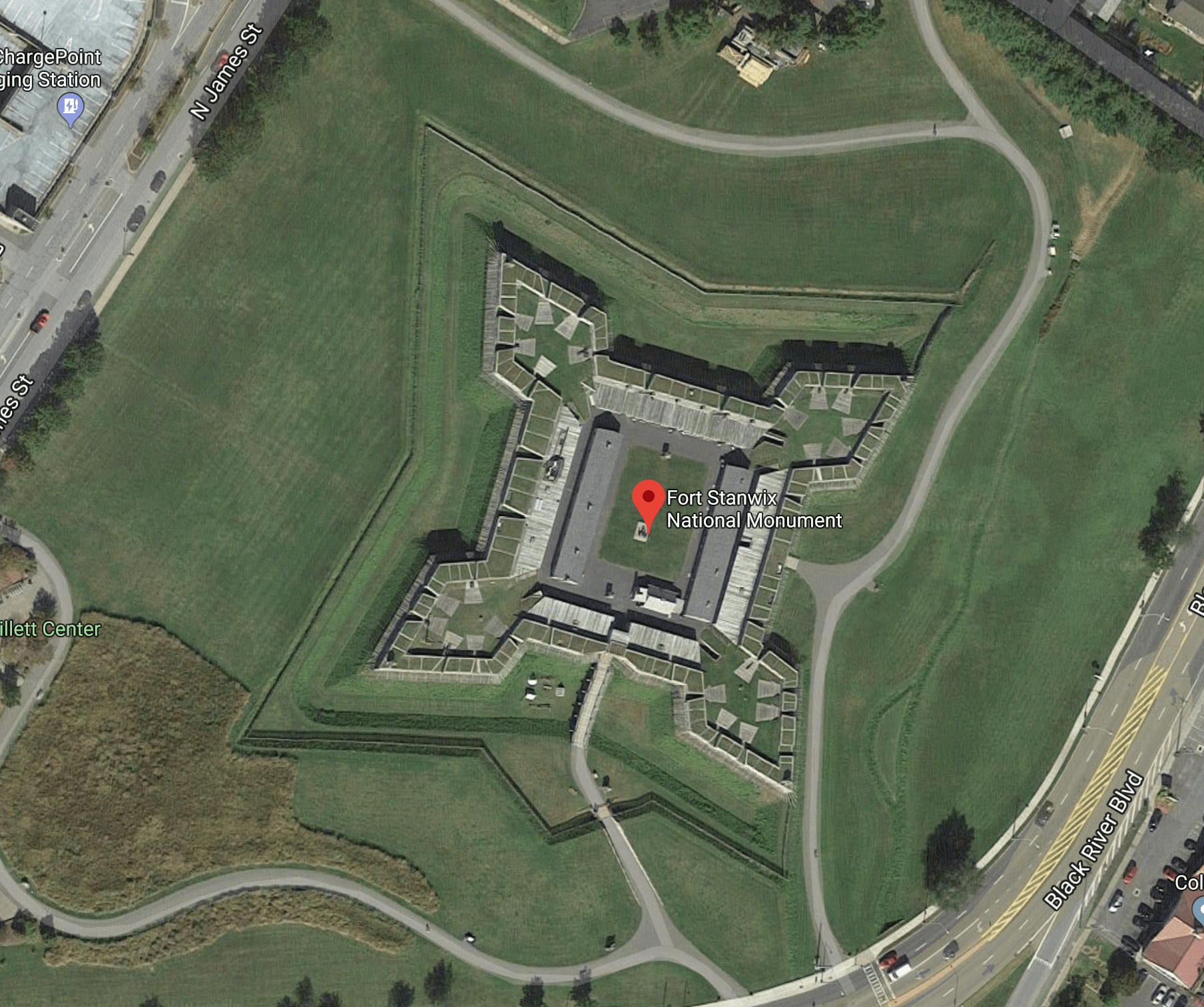
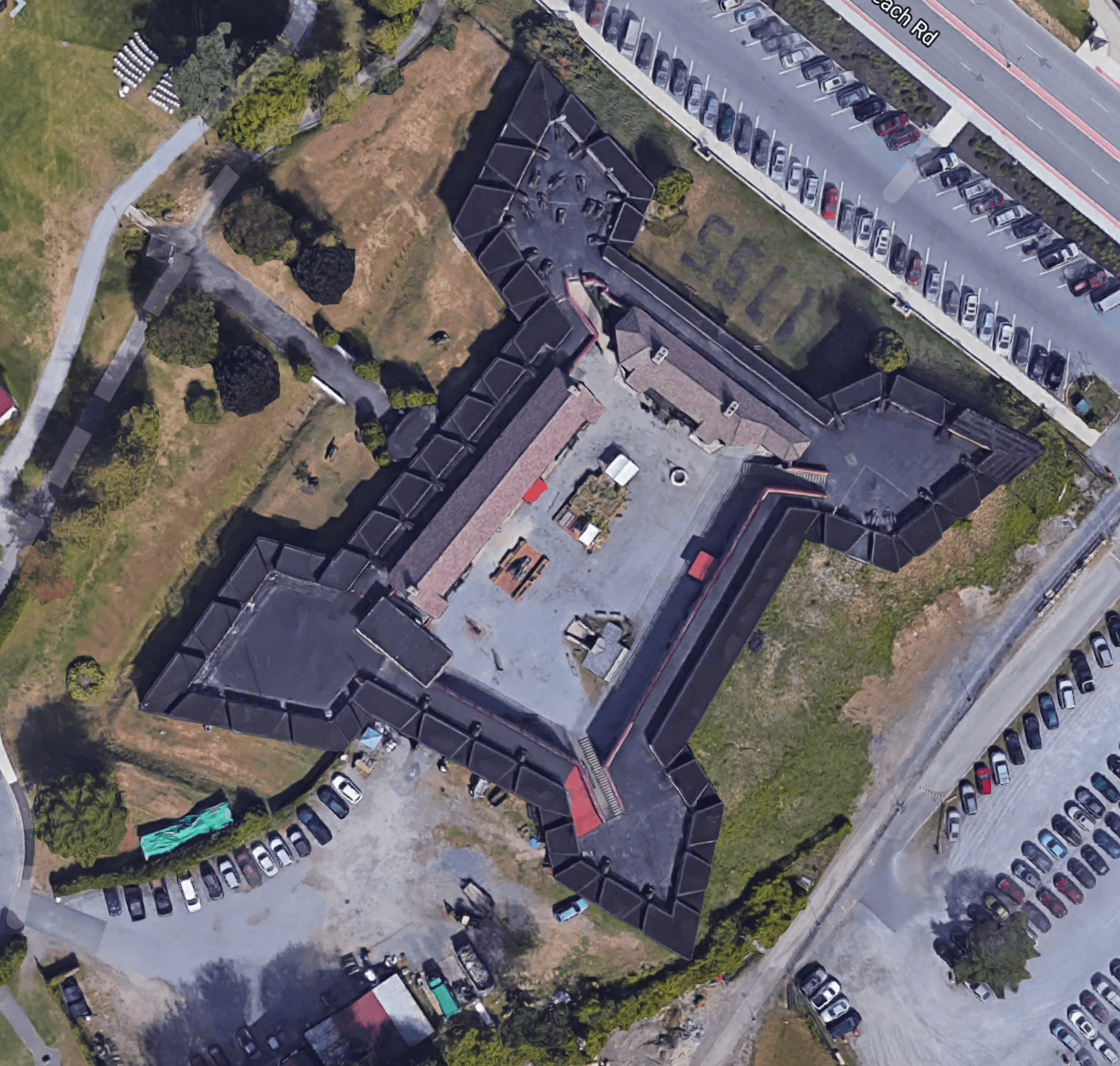
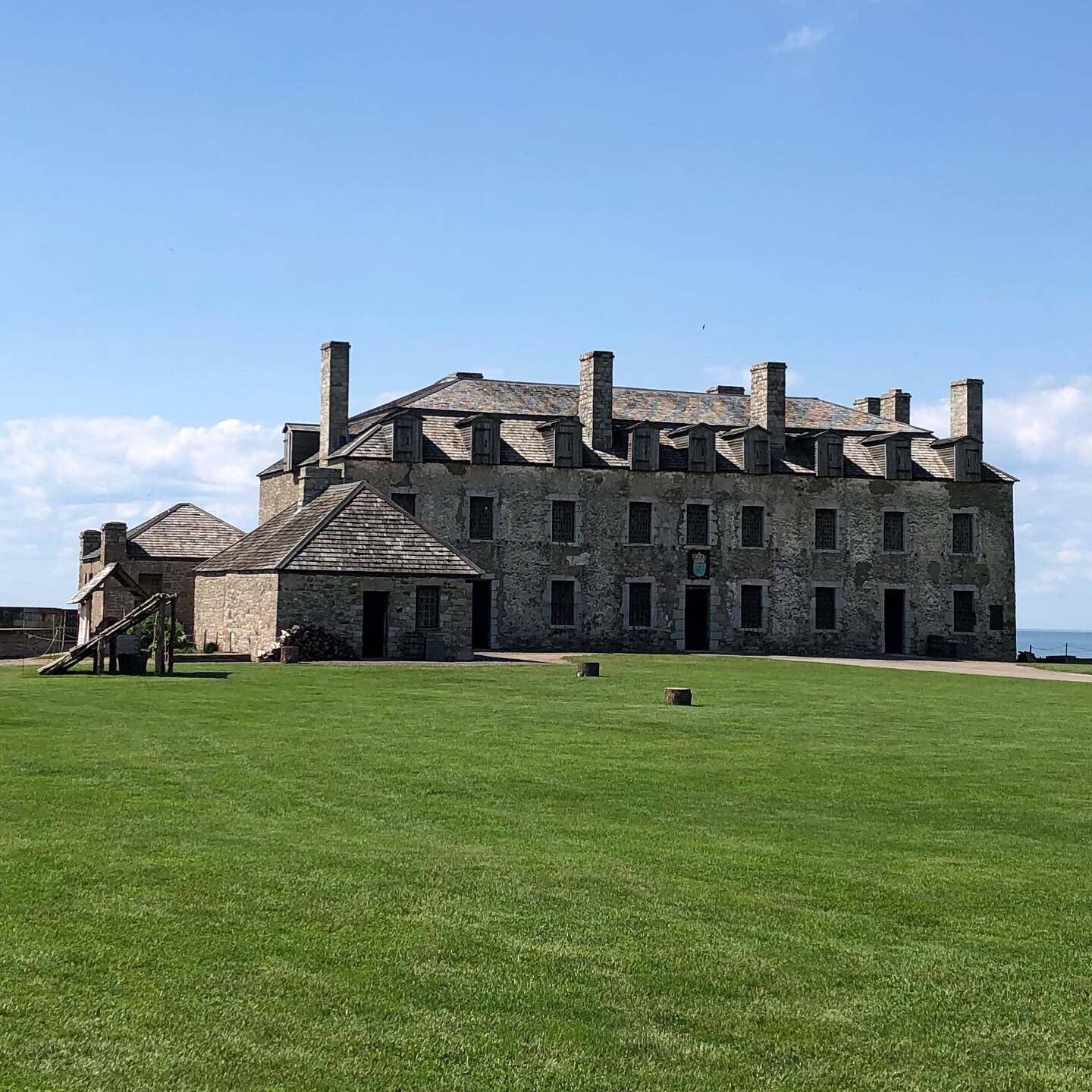
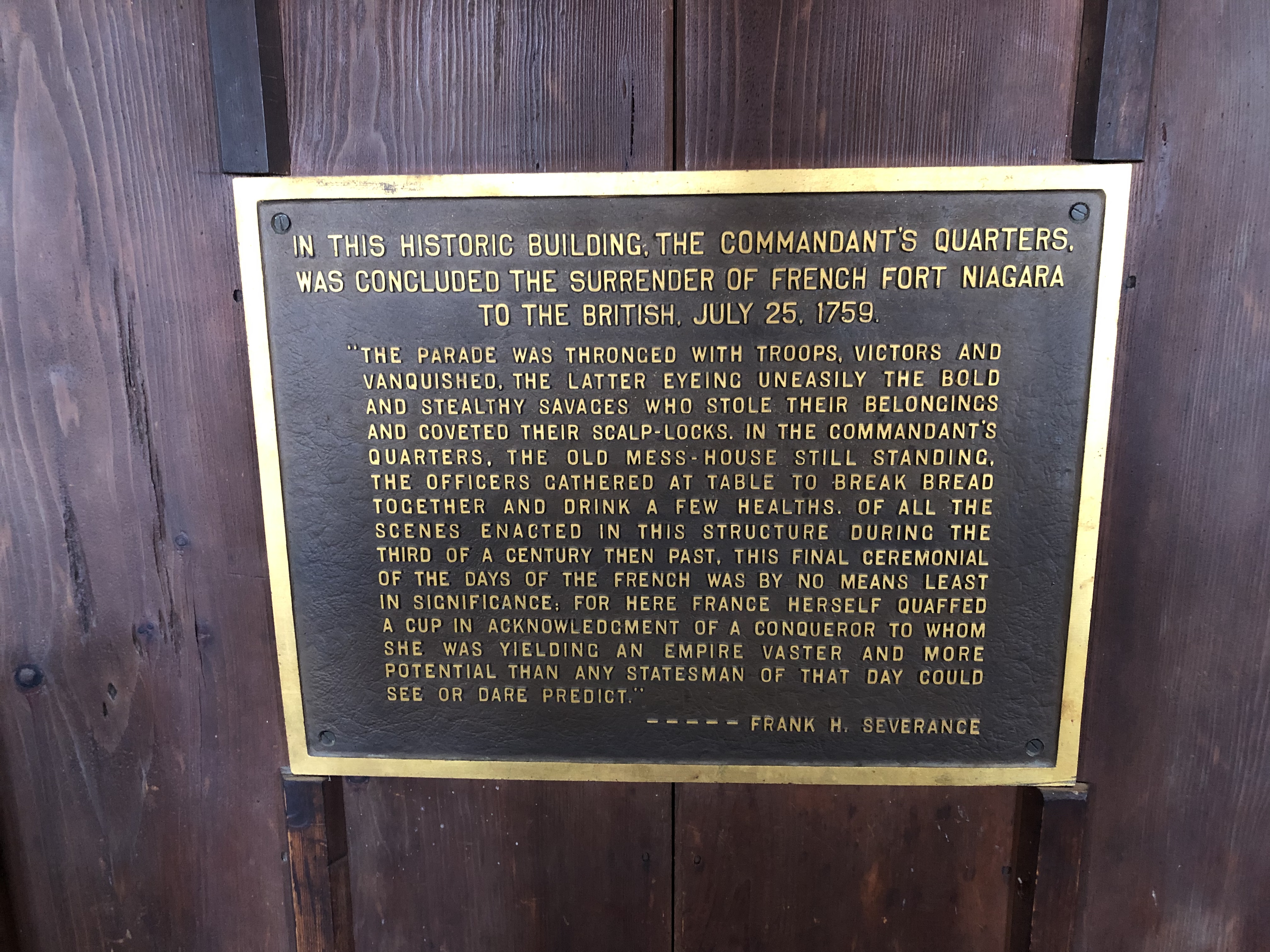
Forts were built with enfilading in mind. Bastions protruding at the corners opened up fields of fire by eliminating blind spots, making them very challenging to approach. Bastions provided defenders with an opportunity to apply cross fire into attackers, creating an enfilade. A quick look at the Google Earth images for Fort Niagara, Fort Stanwix and Fort William Henry (rebuilt on original footprint) show the shape of the forts. Fort Niagara, pressed up against a point on Lake Ontario, didn’t have the complete star shape because it didn’t have the threat of armies rolling up on their flank, but you can see how the walls offered fields of fire consistent with enfilading attackers.
So sappers – trench diggers – had to contend with steady musket and cannon fire raining down on them from many angles. This had to be one of the worst jobs in the army, especially in soil with heavy rocks and roots, to be digging a trench while someone is trying to kill you from an elevated position. But sapping worked, and throwing bodies at a problem has historically been appropriate behavior with European armies. To give sappers a fighting chance of finishing the trench, they used mantlets and other protective structures to shield them from enemy fire. Eventually the fort they were digging towards would run out of ammunition, or the besieged would grow exhausted from constant bombardment, and momentum would shift from the inside to the outside of the fort. There’s another definition for sapping, and that’s gradually draining the strength and energy from someone, and that’s exactly what a siege would do to the inhabitants of the fort. Watching the enemy get closer and closer must have been incredibly stressful, especially when you knew some of those enemy chose not to take prisoners.
Fort Duquesne, in what is now Pittsburgh, wasn’t the most robust fort to begin with, and quickly fell to the French siege to begin hostilities in the French and Indian War in North America. At Fort William on Lake George, the British and American forces held until their cannon began to overheat and fail. A failing cannon was a dangerous thing indeed, often exploding and killing the crew that was manning it. During the Revolutionary War, Fort Stanwix famously held the siege off, but largely because the British, loyalists and Iroquois laying siege on them were scared off prematurely by Benedict Arnold’s deception (fed a rumor that he was much closer and with a much larger force than he actually had). If it weren’t for Arnold’s ploy the fort may have fallen within a day or two.
Sappers got the enemy to your walls, but cannon was the great equalizer. Without cannon to pulverize walls and the people behind them, armies had to play a waiting game. Basically starving the besieged out. With enough stores the army might run out of time before they were able to get through. The Shawnee tried this tactic on Boonesborough in Kentucky; burning crops and killing cattle to starve the settlers out. When it didn’t work quickly enough they dug a tunnel towards the settlers walls to plant British gunpowder. Heavy rains collapsed that tunnel killing many of the Shawnee and saving the settlers. Tunneling, or mining, was different from sapping in that you’re completely underground and vulnerable to these types of collapses. The most famous mining attack took place at the Battle of Messines in Belgium during World War One when upwards of 10,000 German soldiers were killed when a million pounds of explosives mined below the German lines were exploded. Clearly, digging towards the enemy didn’t end with the Revolutionary War, and no war proved that like World War One.
Having walked through a few forts in my time, I’m struck by the amount of work that went into their construction. It must have been formidable and more than a little terrifying to be on the outside trying to fight your way in. But being trapped on the inside surely wasn’t much better. When you hear about the defenders of Fort Stanwix or Fort William Henry fighting to exhaustion, knowing the fate of many who surrendered to the Native American warriors in other battles, its clear there wasn’t much pleasure rendered on that side of the wall either. Troops sent to relieve the besieged were often vulnerable to ambush, which is exactly what happened at La Belle-Famille during the siege on Fort Niagara and at Oriskany during the siege on Fort Stanwix.
Sapping offered refuge from the designed killing fields that star shaped forts created. It was a harsh, horrific, exhausting slog digging under fire from the perimeter to the fort walls. The alternative was an exposed, high-casualty ground level attack. Given the choice, I’d probably have grabbed a shovel myself. Thankfully, I can just stroll the grounds and contemplate the violence that took place around these forts early on in our history.

 p
p