Tag: Fort William Henry

  • From Pemaquid to Andover: A Tale of Abenaki Revenge

    On February 22, 1698 a group of Abenaki warriors raided Andover, Massachusetts and killed five people and two more (Haynes and Ladd) in Haverhill.  Raids like this were somewhat common in the Merrimack River Valley at that time, as it was the frontier and friction between settlers encroaching on the lands of Native Americans who had lived there for generations was an unpleasant reality for everyone living in this area.  What was particularly interesting about this raid was who they killed, which leads to why they chose this place for a raid in the first place.

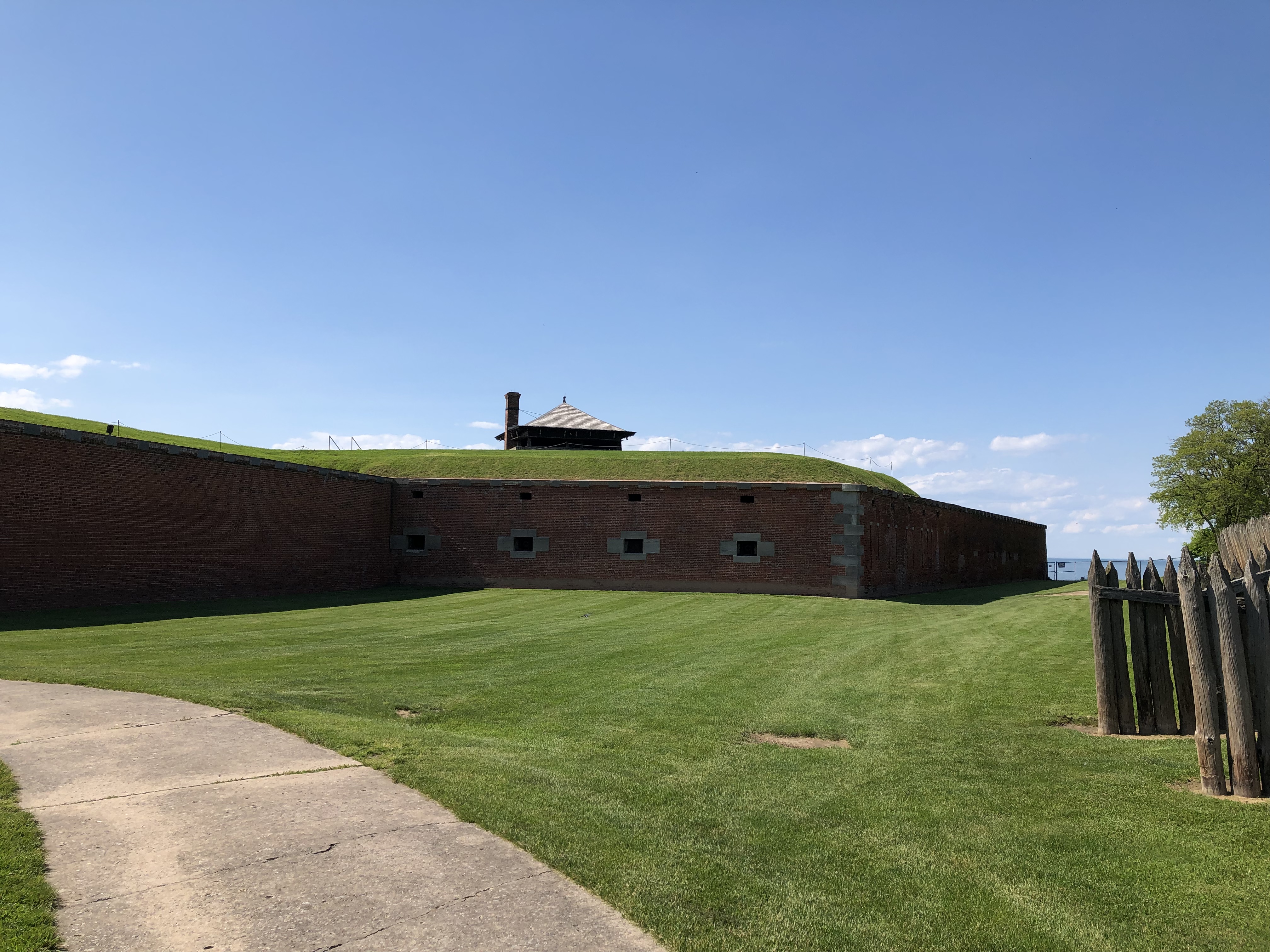
    Two years earlier at Fort William Henry in Pemaquid, Maine, Captain Pasco Chubb commanded a garrison of 60 soldiers who were stationed here, tasked with defending this relatively new stone fort from the French and Abenaki who would prefer to have them elsewhere. This site, on a point of land jutting out into Johns Bay at the mouth of the Pemaquid River, wasn’t particularly strategic, but it represented what was meant to be a permanent foothold on the coast of Maine (then part of Massachusetts) and the northernmost settlement by the English. Fort George, A wooden stockade on this spot hadn’t fared well just a few years earlier, so in reconstructing the fort the British stepped in and built it of stone and armed it with 15-20 cannon. It was completed in 1692 and held by a garrison of 60-90 men.

    There were at least three critical weaknesses with Fort William Henry. First, it was isolated and any reasonable hope for reinforcements was small. Second, the small stone and lime walls were not particularly strong, making them vulnerable to the cannon the French would bring. And third, and an unforgivable mistake given the other vulnerabilities, the supply of drinking water was outside the fort walls! So a siege of any length would prove highly effective as water in the fort was depleted.

    Ongoing tensions with the French and Native American population almost guaranteed that a siege would eventually take place.  And Fort William Henry was indeed besieged on August 14, 1696 by 100 French and 400 Abenaki. Prior to the siege, two Abenaki chiefs named Edgeremet and Abinquid went to meet with Captain Chubb under a white flag to inquire about some fellow Abenaki captured by Chubb’s predecessor and shipped to Boston. The goal was a prisoner exchange with the British.  Chubb and his men raised their guns and shot Edgeremet and two of his sons. Depending on the account you read, Chief Abinquid may have escaped. Either way this act of cowardly violence against Abenaki tribal leaders under a white flag enraged the besiegers. They wouldn’t forget Chubb and the British betrayal.

    The Abenaki wrote a letter that demonstrated their rage and feelings of betrayal.  It would set the table for later violence against settlers:

    “Lord who write at to me, listen and understand what I am about to say, аnd write, to you. Thou wilt easily recognize my words, and why wilt them not recognize them. It is thou (so to express myself) that furnishest them to me. Writing with too much haughtiness, thou obligest me to reply to thee in the same style. Now, then, listen to the truths I am about to tell thee of thyself; of thee, who dost not speak the truth when thou sayeth that I kill thee cruelly. I never exercise any cruelty in killing thee, [a*I kill thee] only with hatchet blows and musket shots. Thy heart must have been еvеr addicted to wickedness and deceit. No other proof is necessary than the acts last autumn at Saco and Pemkuit, taking аnd detaining those who were going to obtain news from thee. Never in the universal world has it been seen, never has it been related of a man being taken prisoner who bears a flag [of truce] and goes to parley on public business. This, however, is what thou hast done; in truth, thou bait spoiled the subject of discussion. Thou hast covered it with blood; as for me, I could never resolve to act in that manner, for therein I have even an extreme horror of thy unparalleled treachery. How then dost thou expect that we would talk. What thou sayest I retort on thyself. There, repent and repair the grave fault thou hast committed; seize those who killed me at Saco, and made me prisoner at Pemkuit. I will do the like by thee. I will bring thee those who killed thee when I shall be able to find them. Fail not to do what I require of thee; of this, I say, who killest me without cause; who takest me prisoner when I am off my guard. – Abenaki letter, written by French missionary brothers Vincent and James Bigot, in response to the treachery at Pemaquid

    The French weren’t as surprised, writing in an account of the events that day that “It is to be hoped that the Abenakis will not place any confidence hereafter in English promises.”  

    The English were disgusted with Chubb for quickly surrendering the fort and fleeing back to Boston.  He was thrown in jail for months when he was set free, and only freed when he wrote a petition to the Court.  In it he wrote the following:

    “And whereas ye petition is a very poore man, having a wife and children to look after with by reason of his confines & poverty are reduced to a meane and necesstous condition, having not wherewith all either to defray his prison necessary charges or to relieve his indigent family…”

    Chubb would indeed be released from jail and return to Andover to be with his wife and child.  It was there that a party of 30 Abenaki warriors led by Chief Escumbuit from Big Island Pond would become reacquainted with Pasco Chubb, killing his wife and child, and paying extra attention on Chubb, shooting him several times to ensure he was dead.  Sweet revenge, perhaps, but with the loss of innocents as well.  Chubb has largely been forgotten in the early colonial history of America, and when his name is mentioned it’s appropriately with distain.
     

  • Keep Your Head Down and Sap That Fort

    The northeast United States is dotted with old forts that once played a critical role in our history.  Four of the most famous during the French and Indian War and the Revolutionary War were Fort Duquesne, Fort William Henry, Fort Niagara and Fort Stanwix.   They were famous because they each occupied a critical point in the waterway transportation of the day, and because of their strategic important each was attacked (sometimes on multiple occasions).  Because they were protecting waterways, each was located on relatively flat land.  Without the high ground and hard ledge that prevented digging, each of these forts was attacked using the same tactic; siege trenching called sapping.

    The act of laying siege on a fort requires significant manpower, patience and a willingness to continue pressing forward towards the enemy, thus pressuring them to surrender.  A well-entrenched enemy isn’t going to wave the white flag and come out if they’ve got strong enough fortifications, enough food, enough manpower of their own, and enough ammunition to continue the fight… in short, if they have enough hope that they’ll prevail in the fight.  To diminish this hope, an army laying siege would deploy multiple strategies – negotiation, bombardment, psychological warfare, and sapping.  Sapping was the act of digging trenches closer and closer to the fortification, where bombs could be set to open up the walls.  Trenches were dug in a zig-zag towards the fort to avoid enfilading, which is devastating fire directed directly down the trench killing many people at once.

    “By persistently hanging on the enemy’s flank, we shall succeed in the long run in killing the commander-in-chief.” – Sun Tzu, The Art of War

    There are two ways to fire on the enemy; defilade was firing straight into the face of the force attacking you, and enfilade, which is flanking fire.  Enfilading is a favorite tactic for any army or navy as its lethally efficient.  One cannonball can take out a hundred soldiers as it flies down the column destroying everything in hits.  In the Battle of Trafalgar raking fire shot into the stern of the French ship Bucentaure resulted in 195 killed and another 85 wounded – simply stunning casualties in any battle, but particularly on a ship.  Enfilading creates carnage quickly.

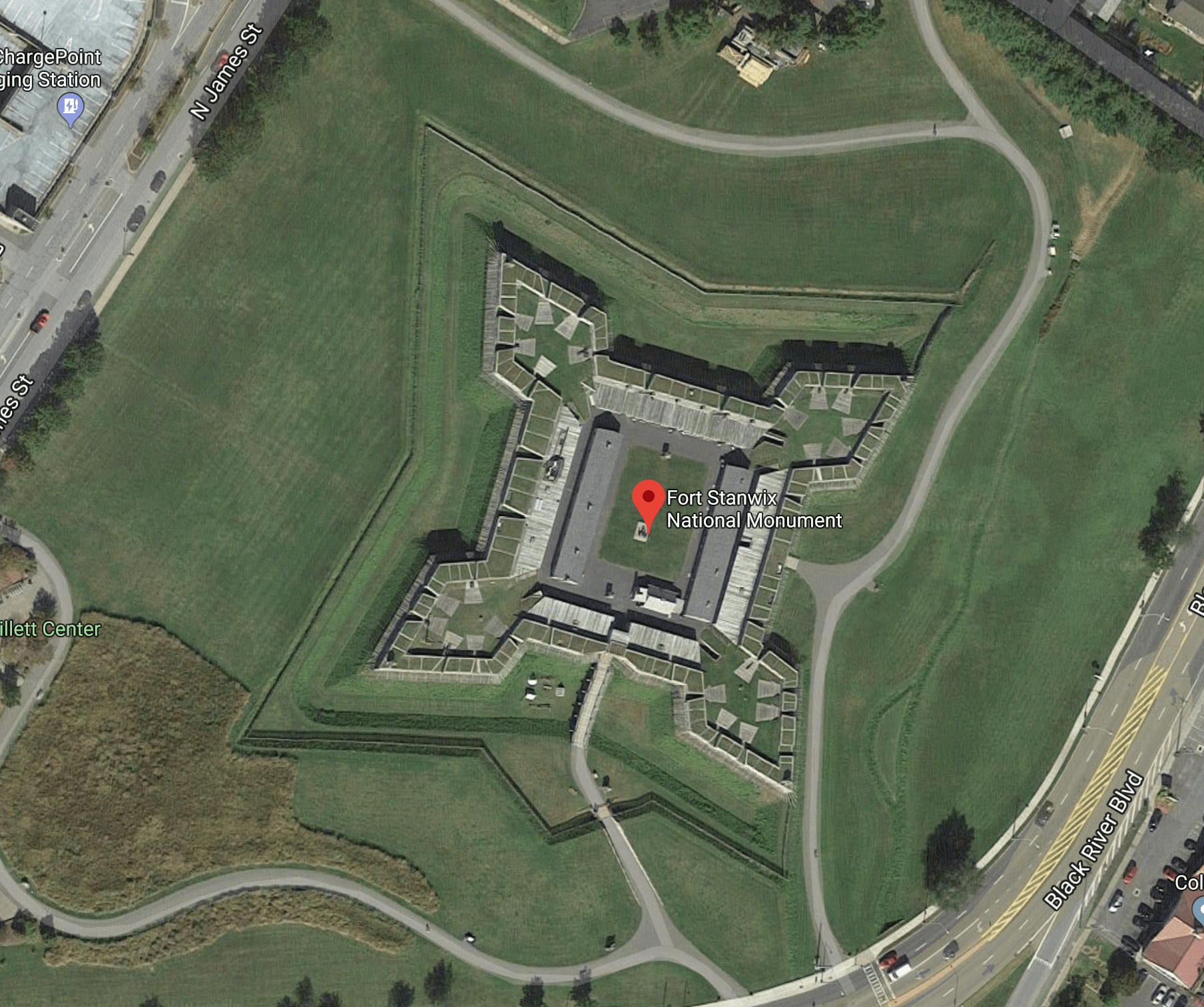
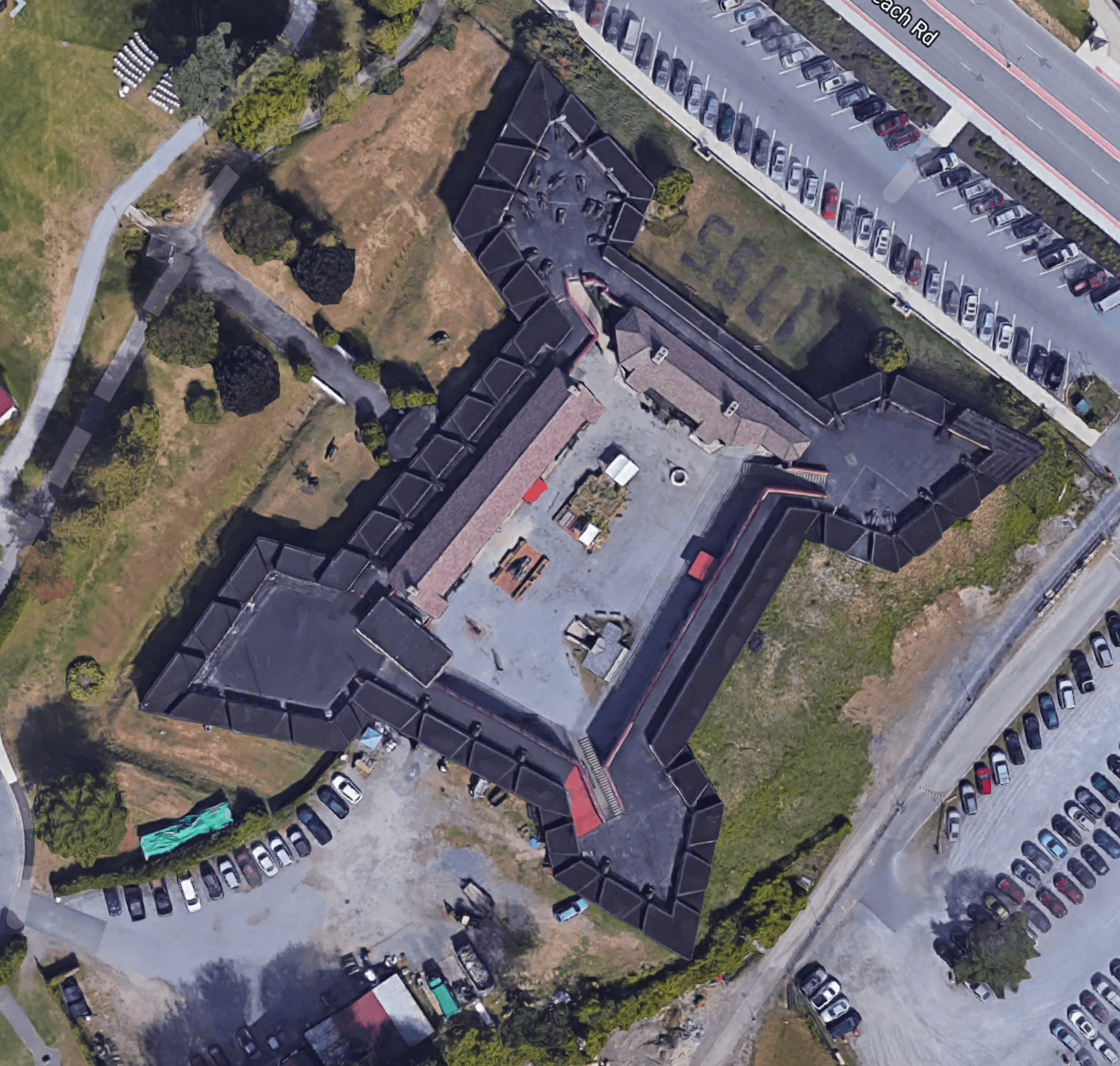
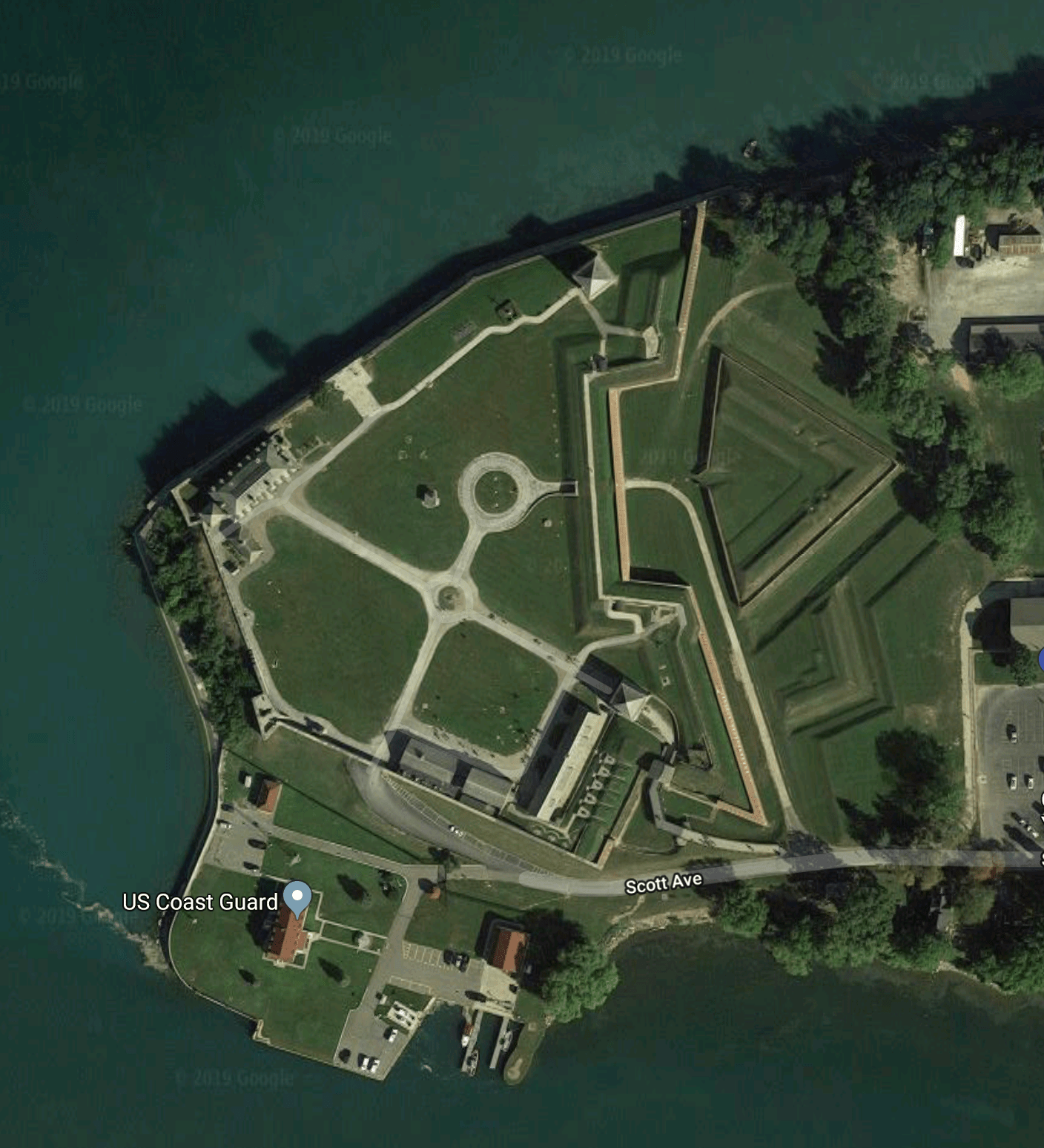
    Forts were built with enfilading in mind.  Bastions protruding at the corners opened up fields of fire by eliminating blind spots, making them very challenging to approach.  Bastions provided defenders with an opportunity to apply cross fire into attackers, creating an enfilade.  A quick look at the Google Earth images for Fort Niagara, Fort Stanwix and Fort William Henry (rebuilt on original footprint) show the shape of the forts.  Fort Niagara, pressed up against a point on Lake Ontario, didn’t have the complete star shape because it didn’t have the threat of armies rolling up on their flank, but you can see how the walls offered fields of fire consistent with enfilading attackers.

    So sappers – trench diggers – had to contend with steady musket and cannon fire raining down on them from many angles.  This had to be one of the worst jobs in the army, especially in soil with heavy rocks and roots, to be digging a trench while someone is trying to kill you from an elevated position.  But sapping worked, and throwing bodies at a problem has historically been appropriate behavior with European armies.  To give sappers a fighting chance of finishing the trench, they used mantlets and other protective structures to shield them from enemy fire.  Eventually the fort they were digging towards would run out of ammunition, or the besieged would grow exhausted from constant bombardment, and momentum would shift from the inside to the outside of the fort.  There’s another definition for sapping, and that’s gradually draining the strength and energy from someone, and that’s exactly what a siege would do to the inhabitants of the fort.  Watching the enemy get closer and closer must have been incredibly stressful, especially when you knew some of those enemy chose not to take prisoners.

    Fort Duquesne, in what is now Pittsburgh, wasn’t the most robust fort to begin with, and quickly fell to the French siege to begin hostilities in the French and Indian War in North America.  At Fort William on Lake George, the British and American forces held until their cannon began to overheat and fail.  A failing cannon was a dangerous thing indeed, often exploding and killing the crew that was manning it.  During the Revolutionary War, Fort Stanwix famously held the siege off, but largely because the British, loyalists and Iroquois laying siege on them were scared off prematurely by Benedict Arnold’s deception (fed a rumor that he was much closer and with a much larger force than he actually had).  If it weren’t for Arnold’s ploy the fort may have fallen within a day or two.

    Sappers got the enemy to your walls, but cannon was the great equalizer.  Without cannon to pulverize walls and the people behind them, armies had to play a waiting game.  Basically starving the besieged out.  With enough stores the army might run out of time before they were able to get through.  The Shawnee tried this tactic on Boonesborough in Kentucky; burning crops and killing cattle to starve the settlers out.  When it didn’t work quickly enough they dug a tunnel towards the settlers walls to plant British gunpowder.  Heavy rains collapsed that tunnel killing many of the Shawnee and saving the settlers.  Tunneling, or mining, was different from sapping in that you’re completely underground and vulnerable to these types of collapses.  The most famous mining attack took place at the Battle of Messines in Belgium during World War One when upwards of 10,000 German soldiers were killed when a million pounds of explosives mined below the German lines were exploded.  Clearly, digging towards the enemy didn’t end with the Revolutionary War, and no war proved that like World War One.

    Having walked through a few forts in my time, I’m struck by the amount of work that went into their construction.  It must have been formidable and more than a little terrifying to be on the outside trying to fight your way in.  But being trapped on the inside surely wasn’t much better.  When you hear about the defenders of Fort Stanwix or Fort William Henry fighting to exhaustion, knowing the fate of many who surrendered to the Native American warriors in other battles, its clear there wasn’t much pleasure rendered on that side of the wall either.  Troops sent to relieve the besieged were often vulnerable to ambush, which is exactly what happened at La Belle-Famille during the siege on Fort Niagara and at Oriskany during the siege on Fort Stanwix.

    Sapping offered refuge from the designed killing fields that star shaped forts created.  It was a harsh, horrific, exhausting slog digging under fire from the perimeter to the fort walls.  The alternative was an exposed, high-casualty ground level attack.  Given the choice, I’d probably have grabbed a shovel myself.  Thankfully, I can just stroll the grounds and contemplate the violence that took place around these forts early on in our history.

  • Lake George, 1757

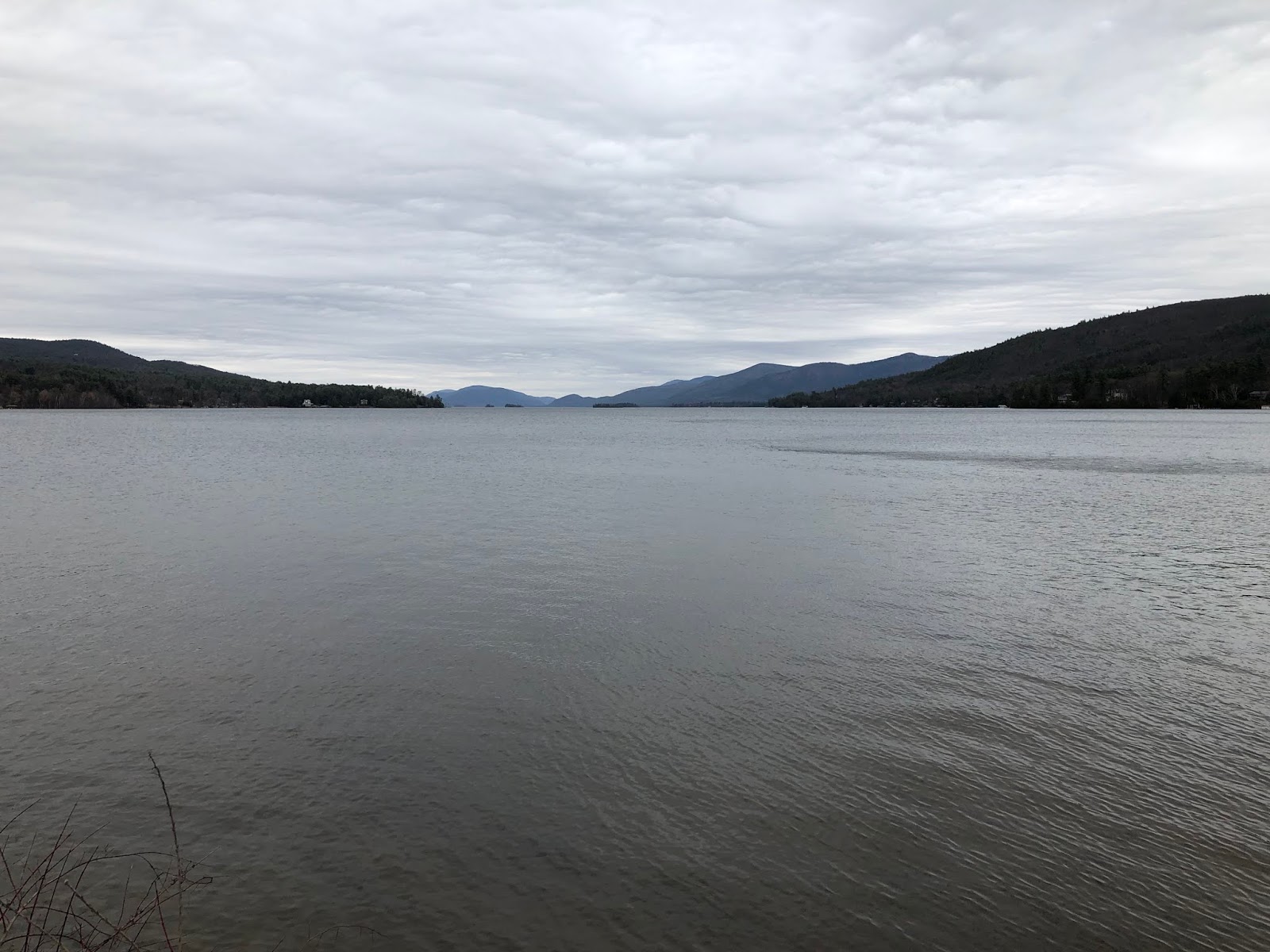
    When you stand along the shore of Lake George and look to the northeast on a quiet April day as I did recently, you’re struck by how beautiful the lake is.  Lake George still looks pristine, surrounded by conservation land and state parks.  The Adirondacks rise up in the distance.  Lake George, like the finger lakes to the west and Lake Champlain to the north, is a long and sometimes narrow body of water, very much like a river.  It was the primary transportation channel for countless generations of Native Americans and the French and English settlers who came after them.  A relatively short portage to the Hudson River to the south and Lake Champlain to the north made this body of water a critical link in the chain.

    There were several battles and skirmishes on this lake in the early colonial period, but two stand out during the French and Indian War.  Just beyond the farthest point of the lake you can see in this picture the lake jogs eastward and narrows to a point of land where it turns northward again.  This spot is called Sabbath Day Point, and it was here on July 23, 1757 that 350 New Jersey provincial soldiers (the “New Jersey Blues”) on a reconnaissance mission were surprised by hundreds of Indians who paddled out and attacked them in their boats.

    “The whoops of our Indians impressed them with such terror, that they made but a feeble resistance; two barges only escaped; all the others were captured or sunk. I have 160 prisoners here, 5 of whom are officers. About 160 men have been killed or drowned.” — M. de Montcalm to M. de Vaudreuil. 

    On August 3, 1757 this pristine view of the lake terrified the troops stationed at Fort William Henry, as hundreds of bateau boats and canoes filled the lake forming a massive fleet rowing and paddling right towards where I was standing when I took this picture.  They laid siege on the fort for six days until they forced the British to surrender as their cannon began to overheat and fail and the French artillery breached the walls.  During the surrender a horrific massacre ensued as the Indians descended on the men, women and children surrendering to them looking for their plunder and scalps.  That’s a story for another day, but there’s an excellent account of it from The Lake George Examiner worth reading.

    I’ve looked out on this view of Lake George a few times over the years and it always fills me with awe at how beautiful the lake is.  It’s hard to imagine the horror experienced by those soldiers in the summer of 1757 close to where I’d been standing.  The Indians who committed the massacre – or their tribes – would suffer their own horrors in the years to come.  There’s an inevitable friction that comes with expansion, and as Native Americans, the French, English and others wrestled for control of this continent violence would continue to escalate.  This beautiful waterway, as with so many other beautiful places around the world, was once the center of violent conflict.  And 1757 was a particularly dark time for this lovely place.