Tag: Massasoit

  • The Pilgrims and Pokanoket

    As you walk into the Mayflower Pub in London there’s a poster mounted high on the wall that shows the silhouettes of all the pilgrims and servants who sailed on the Mayflower to settle in America. The poster is divided in two, with the upper half showing the Pilgrims as they sailed from Europe. The lower half has the same image, but depicts those who perished before that first winter was over in gray. There’s a lot of gray… but by all rights it should have been all of them.

    The Pilgrims sailed for America too late in the season, without enough food, and sailed for the wrong place. Their charter had them settling at the mouth of the Hudson River, and instead they found themselves at the fist of Cape Cod. Turning south they almost wrecked on the treacherous shoals that have claimed thousands of ships since then. Turning back northward, the Captain of the Mayflower considered present-day Provincetown but eventually worked their way to the area that would become Plymouth., Massachusetts. Pilgrims were starting to die as freezing temperatures, tough living conditions aboard and malnutrition conspired against them. The Native American tribes were well aware of their presence and had already skirmished with them on Cape Cod at First Encounter Beach. A more sustained attack could easily have wiped them out.

    But the Pilgrims also had some lucky breaks that kept enough of them alive to establish a foothold in the region. They arrived at a place where just a few years earlier thousands of Native Americans lived. Contact with Europeans, most likely fishermen fishing the Gulf of Maine, triggered a plaque that killed thousands of people in the few years right before the Pilgrims arrived. So the native population was decimated and in no position to shove the Pilgrims back into the ocean they’d arrived on. They settled in an area with cleared fields and few adversaries. Truly fortunate to be there instead of landing in a place with a thriving and hostile Native American population.

    The other lucky break the Pilgrims caught was landing at a place where the local Sachem, Massasoit, saw strategic advantage in an alliance with the Pilgrims. The Pokanoket tribe Massasoit was Sachem of had been hit hard by the plaque that hit the tribes along the Gulf of Maine, and he was feeling pressure from the Narraganset tribe. An alliance with the Pilgrims gave him some strength in numbers that proved mutually beneficial for the short term. Ultimately this alliance would give the Pilgrims the momentum to survive and grow, but would destroy the Pokanoket in the next generation. An accident of geography brought the Pilgrims and Pokanoket together, time would drive them apart. But in the winter of 1620-1621, it would prove the difference in keeping more Pilgrims from turning into gray silhouettes on a poster 400 years later.
  • A Walk With Ghosts: King Philip’s Seat

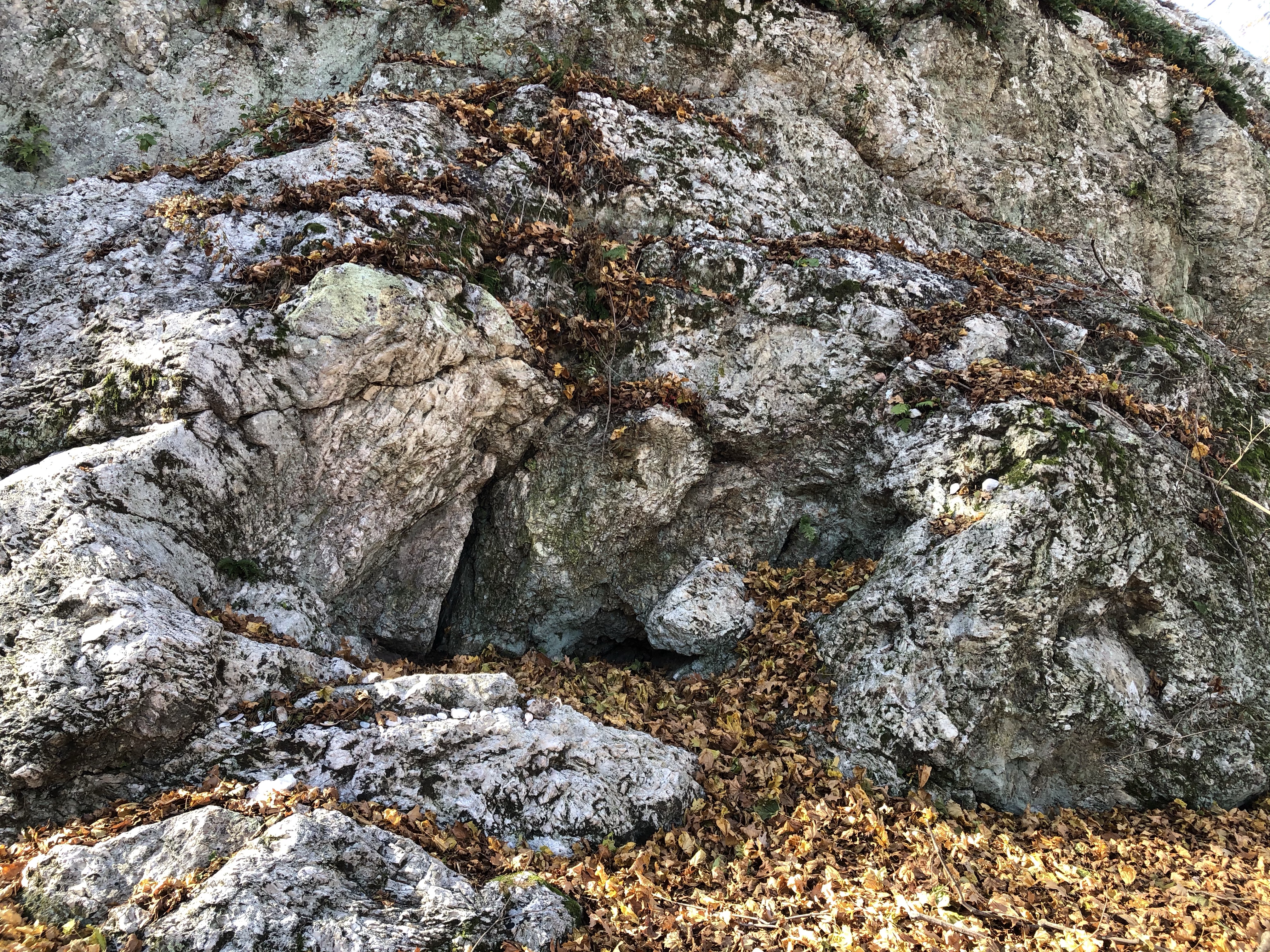
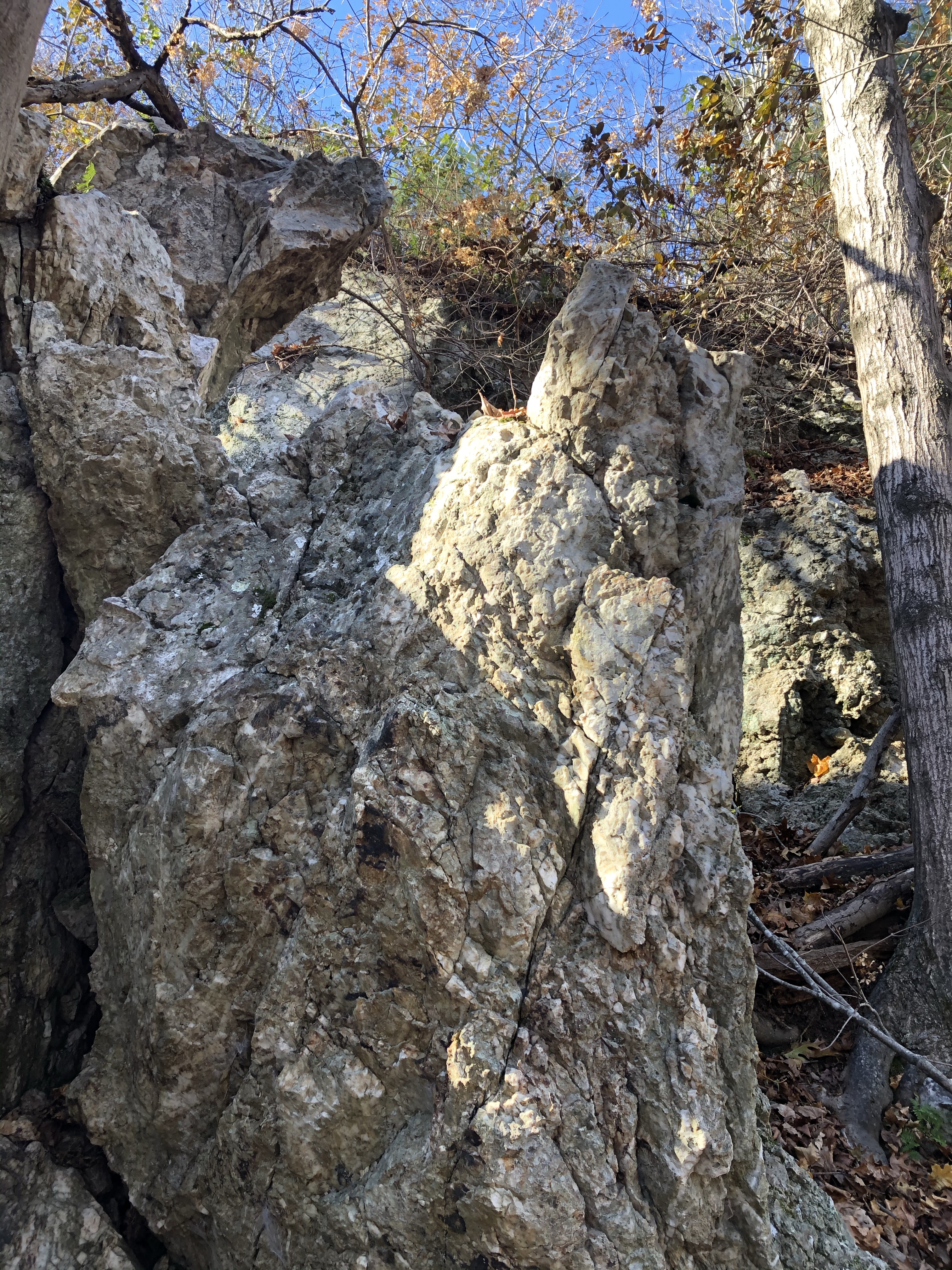
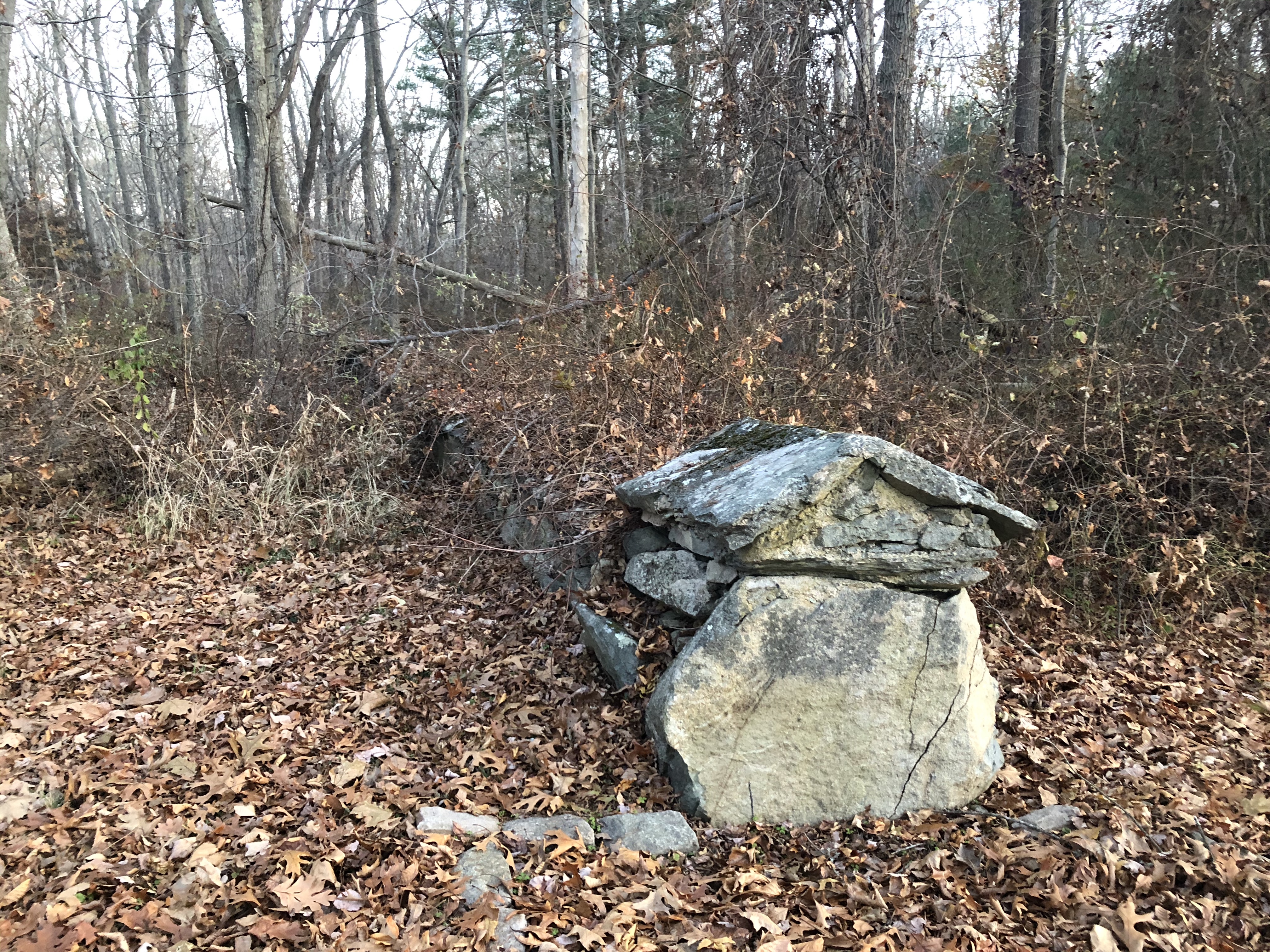
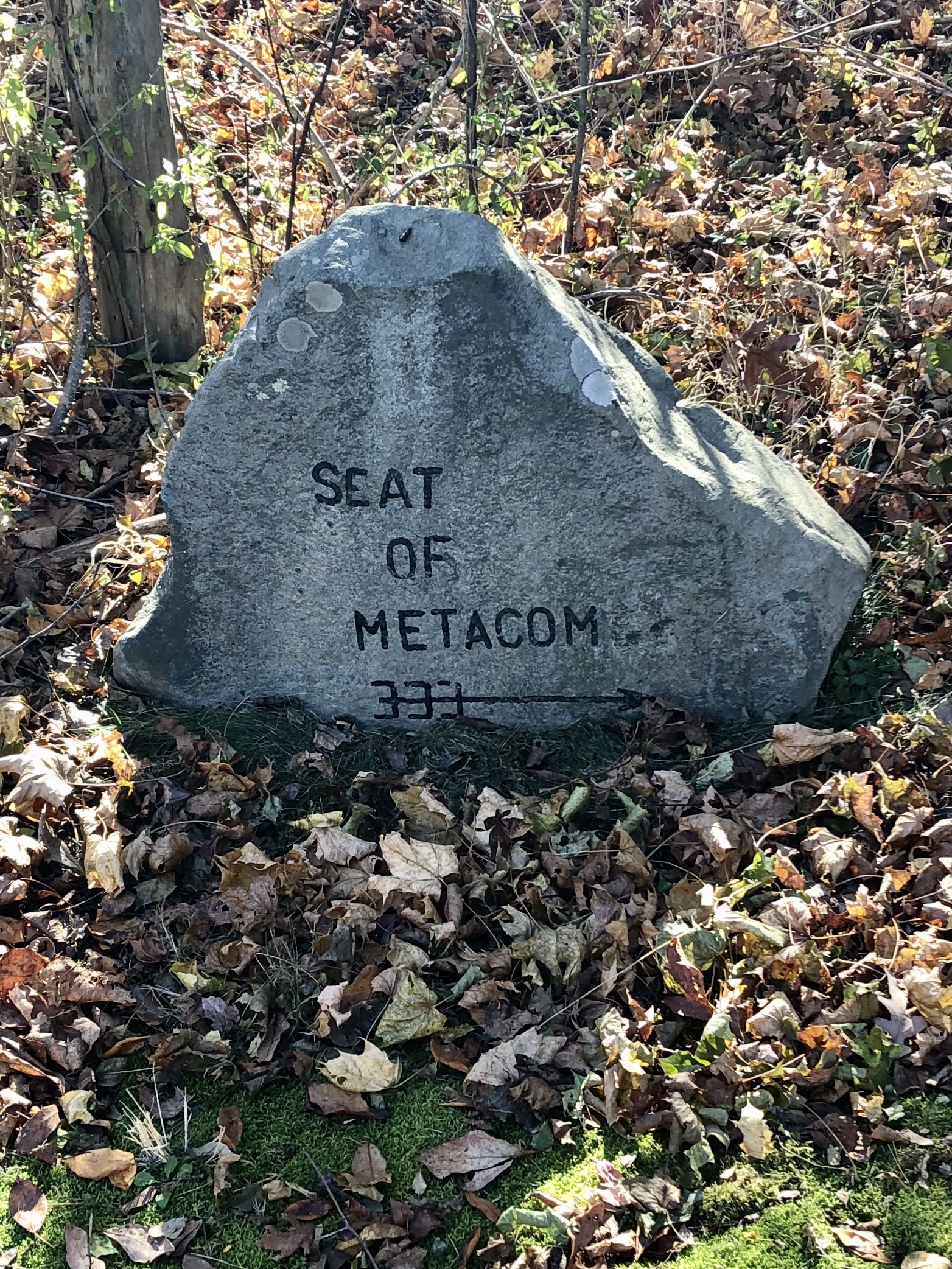
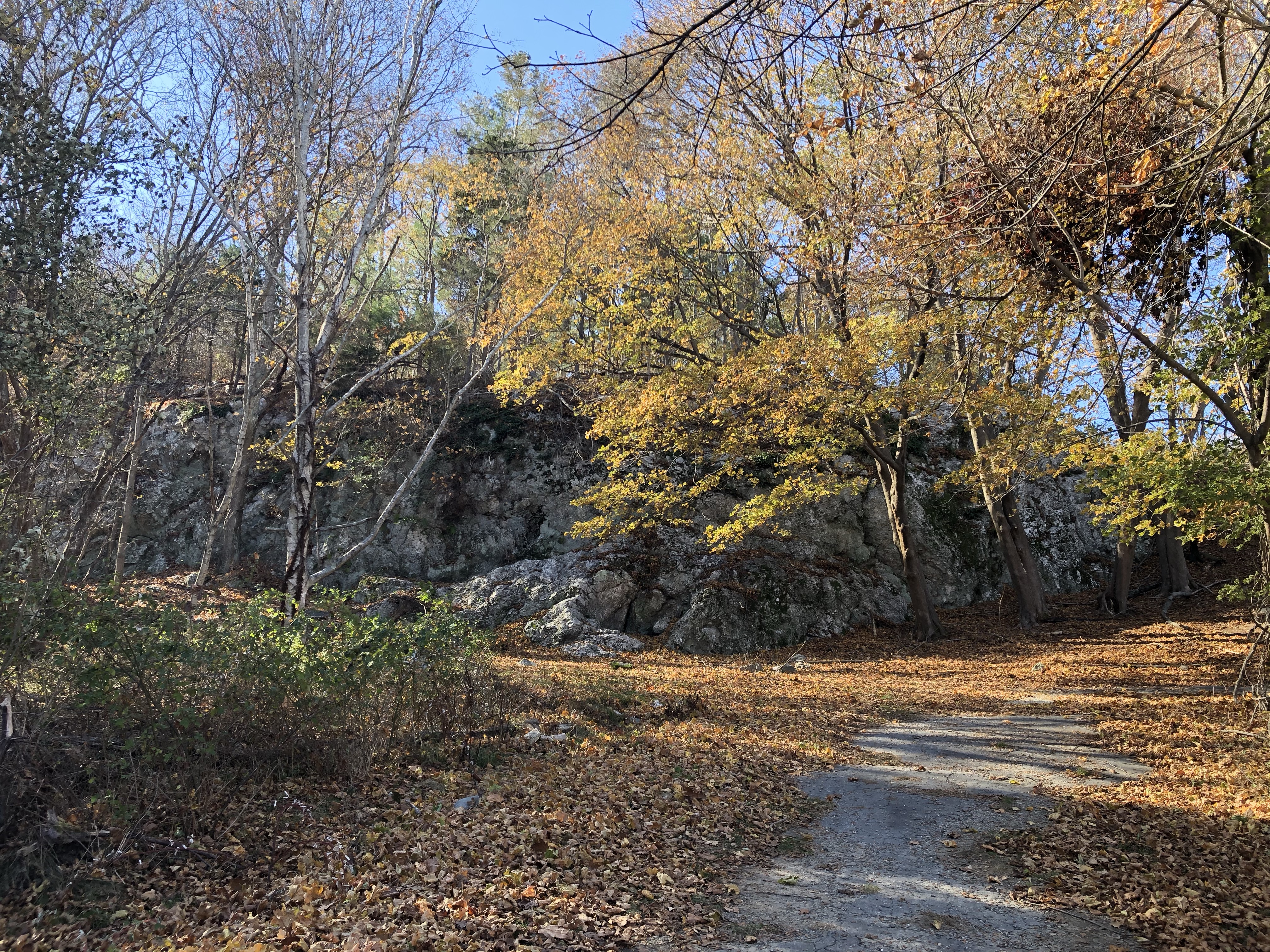
    If you want to walk amongst ghosts of the past, the walk from Brown University’s Haffenreffer Museum to the rocky outcropping forever known as King Philip’s Seat offers ample opportunity to feel you are. This is where the sachem Metacom (aka Metacomet), who had once taken the English name Philip as a gesture of goodwill, waged war on the English settlers in King Philip’s War from 1675 to 1678, when Metacom was killed. Metacom was the second son of Massasoit, who was born near this spot too, as countless generations of Pokanoket were. If Massasoit is remembered for trying to manage a peaceful coexistence with the English settlers, Metacom is remembered as the first to rise up against the relentless encroachment on their lands.

    Walking through the woods on an old paved road slowly being consumed by the forest, I spooked a hawk from the ground and watched it leap to the sky and arc above me, white feathers on blue sky. A sign? A welcome from Metacom or another ghost from the Pokanoket? I keep moving and soon after I saw the rock outcropping that was Metacom’s seat. And it just looked like a seat of power, silently commanding the forest and looking out to the bay, just like its sachems did before they passed, and the land passed to the settlers. Pokanoket survivors were sold into slavery in the West Indies, a final, brutal indignity.

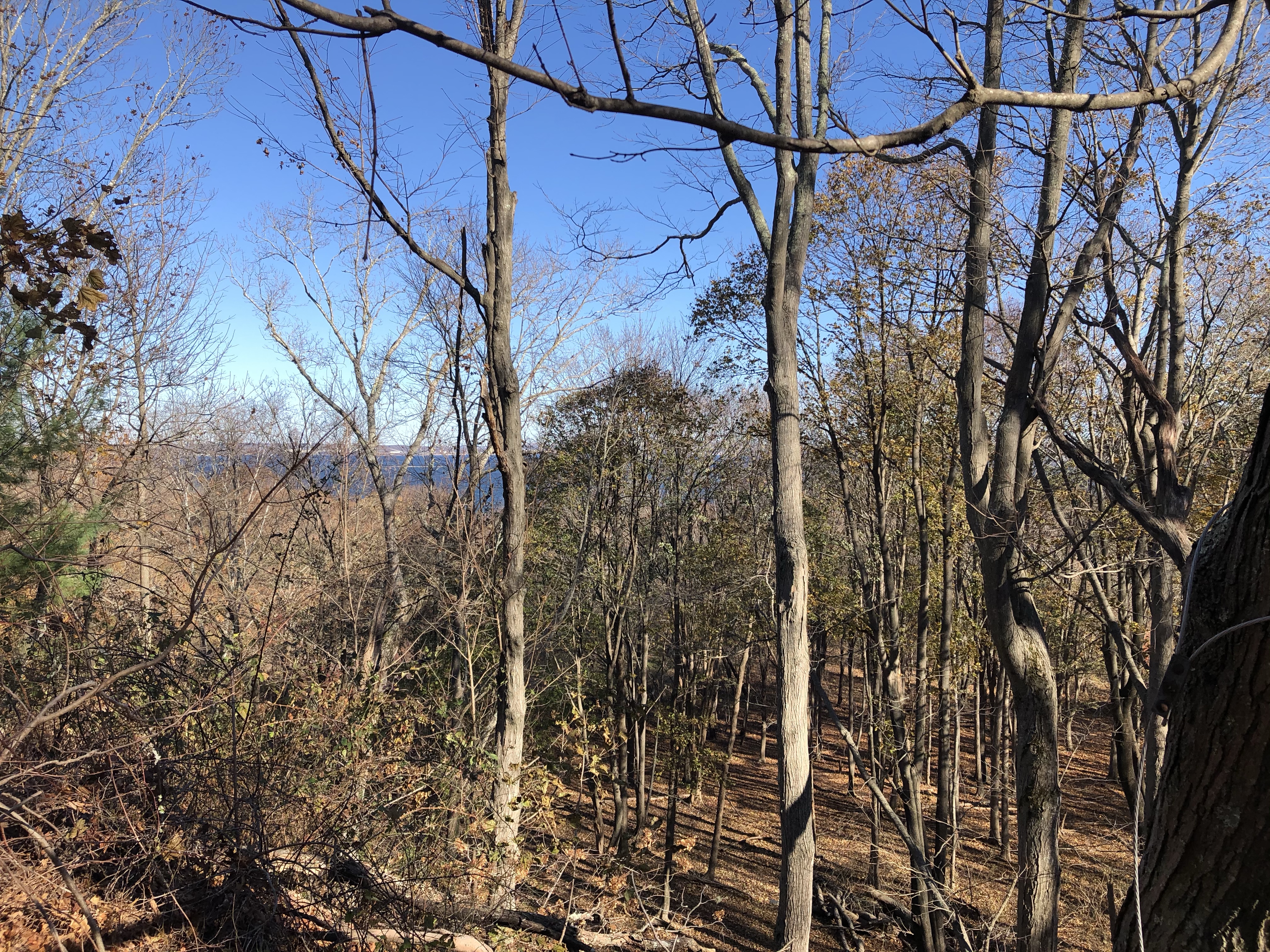
    I’m told that the Pokanoket recently attempted a takeover attempt to win back the land from Brown University. 341 years after Metacom’s death this place still evokes passion. This is one reason I had to get a permit to enter private property, and I was only given an hour to walk around. It was enough time this time, though I’d like to go back again knowing I missed more than I saw. I was alone as I walked and relied on written directions and one sign on the property to inform me where I should go. Instinctively I climbed the outcropping to see what Metacom saw: blue water above the dancing treetops. But I relied on a feeling about the place not signage. It seems they’ve made it challenging enough to visit that most people don’t. But I never really felt alone. That hawk, and many more spirits in the wind, were with me the whole time.

  • Whispers of Montaup: Mount Hope Farm

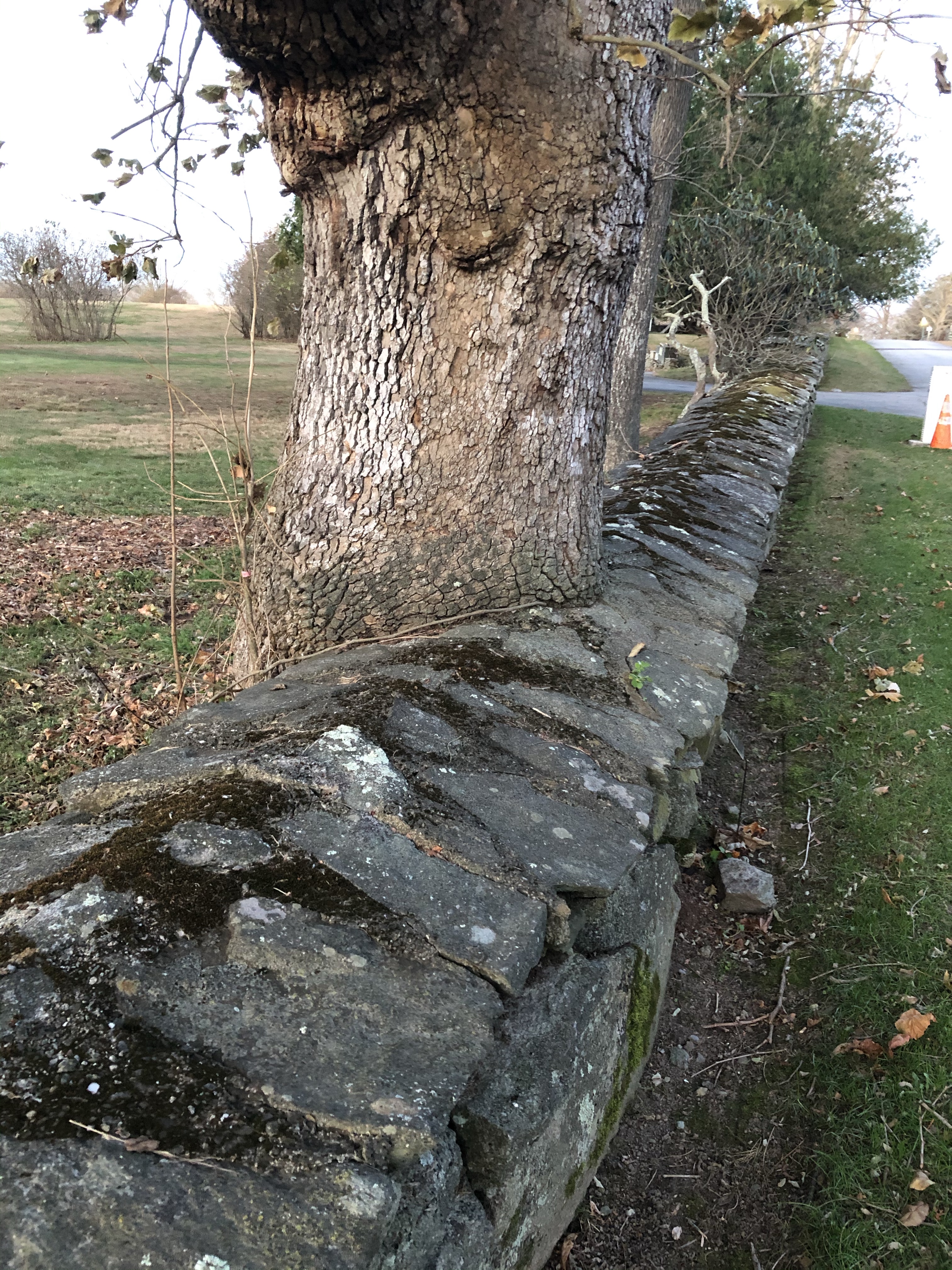
    Undiscovered places offer a bit of wonder, and I had that in spades on an early morning walk at Mount Hope Farm in Bristol, Rhode Island. Mount Hope Farm is a non-profit, running a bed and breakfast, educational programs and a camp. Walking the grounds is a time warp, with mossy old stone walls lining the road and running perpendicular off into the woods. They say this land has been farmed since the 1680’s, and there are places on this walk that feel like you could be stepping into that time. This land was once called Pokanoket, where the Wampanoag lived for untold centuries. It’s said that the first Thanksgiving actually happened here in 1621, when Pilgrims were welcomed by Massasoit. Walking the land, it whispers convincingly of those early days.

    When Massasoit died, his sons had a very different experience with the English settlers. The oldest, Wamsutta, took the name Alexander and his younger brother Metacom took the name Philip, which would become more famous. Alexander would die after getting roughed up by the English during an interrogation. Philip would unite tribes and wage war against the English in King Philips War. The land around Mount Hope was the heart of operations for Philip, and it’s where he would ultimately be killed in 1676. His wife would be sold into slavery in the West Indies. Not all whispers are pleasant.

    This land was eventually the property of the Royall family, which made their fortune from the slave trade. For all the beauty here now, there’s a healthy dose of human tragedy whispering through the grounds. Eventually the land was sold to a loyalist who fled during the Revolutionary War, and old New Hampshire friend General John Stark and General Sullivan would use the land as an encampment for the 2nd Rhode Island Regiment during the Battle of Rhode Island.

    Walking the farm, I’m thrilled to see the land preserved, but also used as a functioning farm. And for all the whispers, this farm has a strong foothold in the present. The Mount Hope Bridge is omnipresent, rising solemnly over Narragansett Bay, spanning the gap between Portsmouth and Bristol. The bed & breakfast, run out of the Governor Bradford House, is a wonderful place to stay and immerse yourself in history. The barn hosts weddings and a great farmers market every Saturday morning. The Mount Hope Farm – Montaup – is very much alive and well.