Tag: Metacom

  • A Visit with Benjamin Church

    A seasonably warm Sunday lured me from a visit with friends in Mattapoiset, Massachusetts to Little Compton, Rhode Island to finally meet Benjamin Church. Church was appointed Captain of the first Ranger force in America in 1675 by the Governor Josiah Winslow of Plymouth Colony. He was famous for being the guy leading friendly Native Americans that finally killed Metacomet (King Philip). His greatest innovation was in imitation: adopting the Native American style of fighting to allow his forces to survive and find success in battles with the French and hostile native population.

    What made Church honorable was his respect for the native population and his desire to coexist with them. While many around him were inclined to encroach and eventually push aside native tribes, Church wanted to coexist and work with them. This led to recruiting friendly tribes to assist in King Philip’s War and in later battles with the Abenaki and French in Acadia. War is a dirty business, and there was plenty of atrocity committed on both sides, but Church seemed to live by a code of honor untarnished by historical perspective.

    Today Church lies in rest in a quiet triangle-shaped graveyard in the middle of Little Compton with his wife buried next to him. A monument honoring him stands at his feet, and someone glued an Army Ranger tab just above his engraved name. That engraving is fading away now, barely legible after 300 years of exposure to the elements. If you asked a thousand people in New England who Benjamin Church was, maybe one or two would know. Time fades memory faster than it does engraved stone.

    Here lyeth interred the [body]
    of the Honorable
    Col. Benjamin Church, Esq.,
    who departed this life, January 17, 1717-8 in
    the 78 yeare of his age.’

    On a beautiful Sunday afternoon I was the only visitor, but a group of teenagers were playing basketball nearby. I wondered if they knew the story of the soldier buried nearby? Does their local school teach children about the war that happened right across the river, or about the man quietly marking eternity in a faded grave in the middle of town? I hope so.

    Fading history
  • The Old Indian Meeting House

    The Nauset of Cape Cod are part of the Mashpee Wampanoag and were known as the “Praying Indians” because they became converts to Christianity.  They were an important ally for the colonists against tribes that rose up against the encroachment of the English settlements.  Most famously they worked with Benjamin Church as guides in his hunt for Metacom, or “King Philip”.  It was one of the Praying Indians who killed Metacom, effectively ending King Philip’s War in 1678.

    The Nauset were clearly converts to Christianity in the 1670’s, and they met somewhere in Mashpee to pray, but the original building is long gone.  A second building was purportedly built in 1684 at the original site near Santuit Pond.  That building is generally agreed upon as the current Old Indian Meeting House, relocated in 1717 to its current location on Meetinghouse Road (naturally) just across from the Mashpee River. This would make it the oldest church on Cape Cod and the oldest Indian church in the United States.  I’ve read at least one article that disputes the original date of construction for the meeting house, with a local historian claiming the building was actually built in 1757 or 1758 by Deacon John Hinckley.  I believe that Deacon Hinckley is agreed upon as the builder of the church, so determining the actual date should be relatively easy from there.  But I’m not diving deep into this controversy.  There’s no doubt that the Meeting House is historically highly relevant and important.  It was used by the Nauset as a church, and also no doubt that it was here that the Nauset staged a nonviolent protest known as the Mashpee Revolt against the Commonwealth of Massachusetts in 1833 over control of the tribe’s land.  Of course, that was exactly what Metacom was doing from 1675 to 1678, but he chose violence (spurred on by violence against the Pokanoket).

    I visited the Old Indian Meeting House on a quiet, hot August day.  Not a lot of Cape tourists hanging out at an old build next to a cemetery on a perfect beach day. I find that I’m often the only visitor to such places in the moment I’m there. But I prefer quiet time with places of relevance. It’s set on a small hill on the edge of the cemetery, roughly three miles from Santuit Pond, which would make moving it on logs on old colonial roads quite an undertaking.  The Mashpee Wampanoag hold this place as sacred, and I respectfully walked around the site for a few minutes, read a few of the nearby gravestones and generally tried to get a feel for the place before moving on.  A visit to their web site prompts a popup requesting that you sign a petition to help the tribe protect their lands from changes at the Bureau of Indian Affairs.  It seems that the contributions of the Praying Indians are once again being forgotten by some in the endless land grab of the native lands.  That would be par for the course.

  • Friday the 13th and Ghost Stories

    Here we are again, at a point where the days and numbers on the calendar align and give us another Friday the 13th.  In general good things have come my way on a day many people associate with bad luck.  My son was born on a Friday the 13th, making it a very lucky day indeed.  More often than not you get what you expect in life, and if you’re primed to look for the negative it’ll find you.  I’ll stick with the opposite point of view, thank you.  Optimism with a healthy dose of stoicism seems to work for me.

    I’ve written before about dancing with ghosts.  For me ghosts aren’t the creepy spirits that get annoyed that you’re in their space, they’re the people who lived in the past who’s story is all around us.  Historical figures and anonymous lives alike, all lived before we were here.  The stone wall standing alone in the woods, the old foundation on Isle of Skye left from the Clearances, the soot on the ceiling of a cave from fires long ago, and the groove worn into a stair tread; These are my ghosts. I love uncovering the stories of some person from centuries ago and visiting the place they did something memorable, and maybe their grave to remind them they aren’t forgotten.  We all want to be remembered, don’t we?  At least for a few generations.  Make the ripple last as long as possible, hopefully in a positive way.

    I’ve been bumping into the other kind of ghost stories lately.  People who encounter poltergeists.  A poltergeist wants attention, making its presence known by messing with things in “our” world, crossing some border between death and life.  Frankly I never think about the poltergeist kind of ghost.  Maybe I’m closed-minded about it, or maybe they see me dancing with other ghosts and leave me alone.  But I’ve got this stack of stories people tell me about poltergeists they’ve encountered, and after a while you have to wonder what’s real and what’s imagined.  I see good things on Friday the 13th, others see bad things; who’s right?

    Yesterday I was speaking with a Town Clerk in Connecticut.  I’d stopped to pick up a death certificate for an ancestor as a favor for my mother.  We noticed on the death certificate that this relative had died from a fall down the stairs, breaking his neck.  I joked about that house being haunted and the clerk, not missing a beat, told me about Antonio, pointing to the vault and saying he died right in there and still haunts the place. I looked in the vault and asked if he preferred Antonio or Tony.  We finished our transaction and I was on my way, with one more ghost story added to the list. I don’t know if Antonio is a poltergeist haunting the vault at Town Hall, but I do know that he tragically died in the vault at some point in history.  And people are still talking about him to this day.

    I’ve heard similar stories from separate friends about encounters at hotels in Boston and Nashville, and some good friends that insist there’s a ghost in a family home on Cape Cod.  What do I know?  I’m not in the poltergeist business.  I have no desire to stay in Lizzy Borden’s house for a night trying to bait unseen ghosts to come out and play.  No, I’m trying to bring their stories alive without all the mischief.  But now and then I do hear a whisper in the wind, feel a spirit in the air, and I give a nod to acknowledge.  Walking alone in the woods at Holy Hill in Harvard, Massachusetts in Autumn once had me thinking of Shaker ghosts.  Visiting King Philip’s Seat in Bristol, Rhode Island and spooking a hawk into flight had me hearing whispers of Metacom and the lost Pokanoket tribe as I explored the woods.  And visiting the Winter Street graveyard in Exeter, New Hampshire looking for the grave of Major General Nathaniel Folsom felt like I was being directed around to look at every other Revolutionary War hero’s grave before finding his.  I felt it that day too.

    So here we are on another Friday the 13th.  We generally get what we look for in life, and I hope today brings you good fortune.  If you happen to run into any ghosts, I hope they aren’t poltergeists – those buggers are nothing but mischief.

  • A Walk With Ghosts: King Philip’s Seat

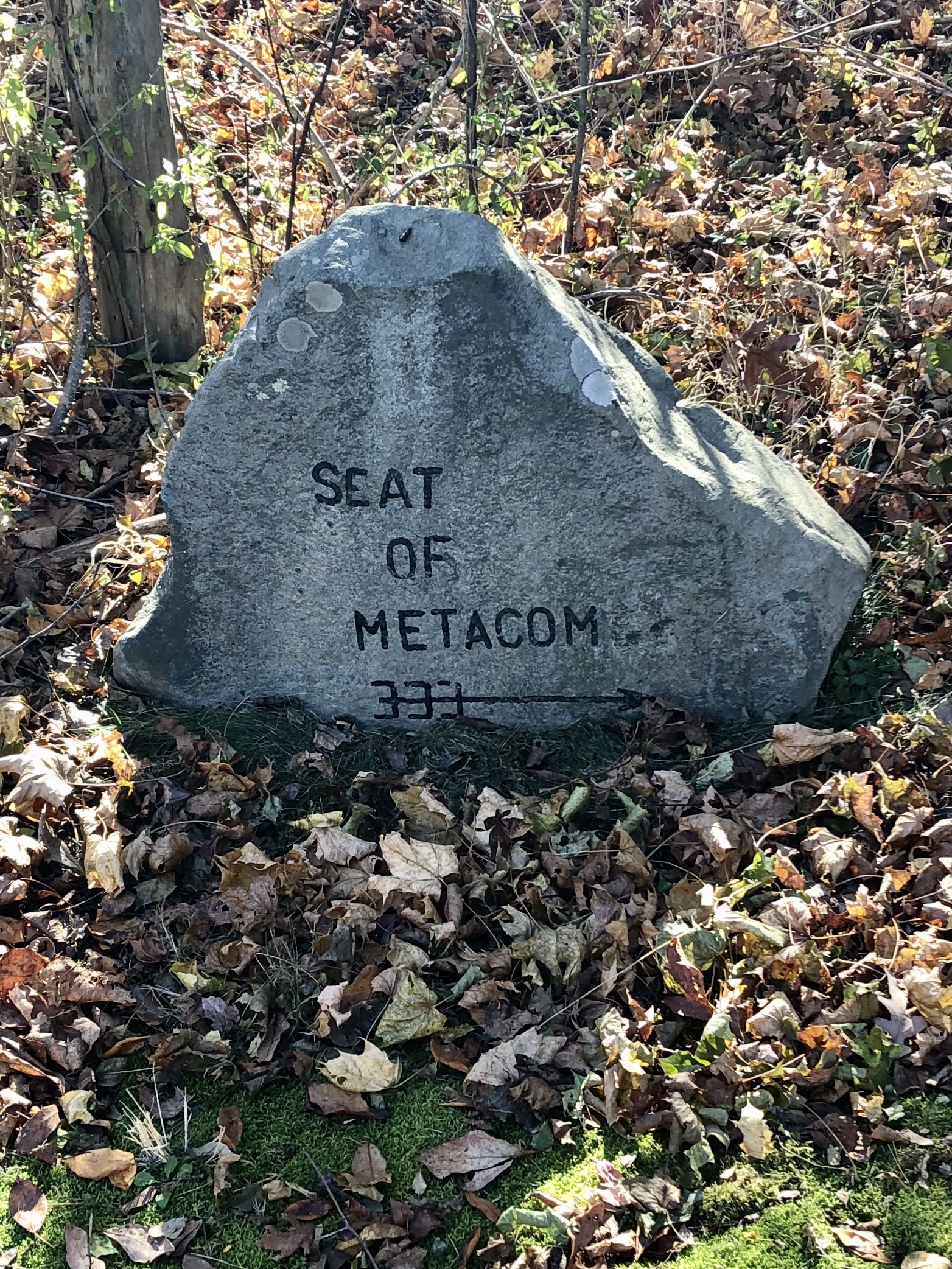
    If you want to walk amongst ghosts of the past, the walk from Brown University’s Haffenreffer Museum to the rocky outcropping forever known as King Philip’s Seat offers ample opportunity to feel you are. This is where the sachem Metacom (aka Metacomet), who had once taken the English name Philip as a gesture of goodwill, waged war on the English settlers in King Philip’s War from 1675 to 1678, when Metacom was killed. Metacom was the second son of Massasoit, who was born near this spot too, as countless generations of Pokanoket were. If Massasoit is remembered for trying to manage a peaceful coexistence with the English settlers, Metacom is remembered as the first to rise up against the relentless encroachment on their lands.

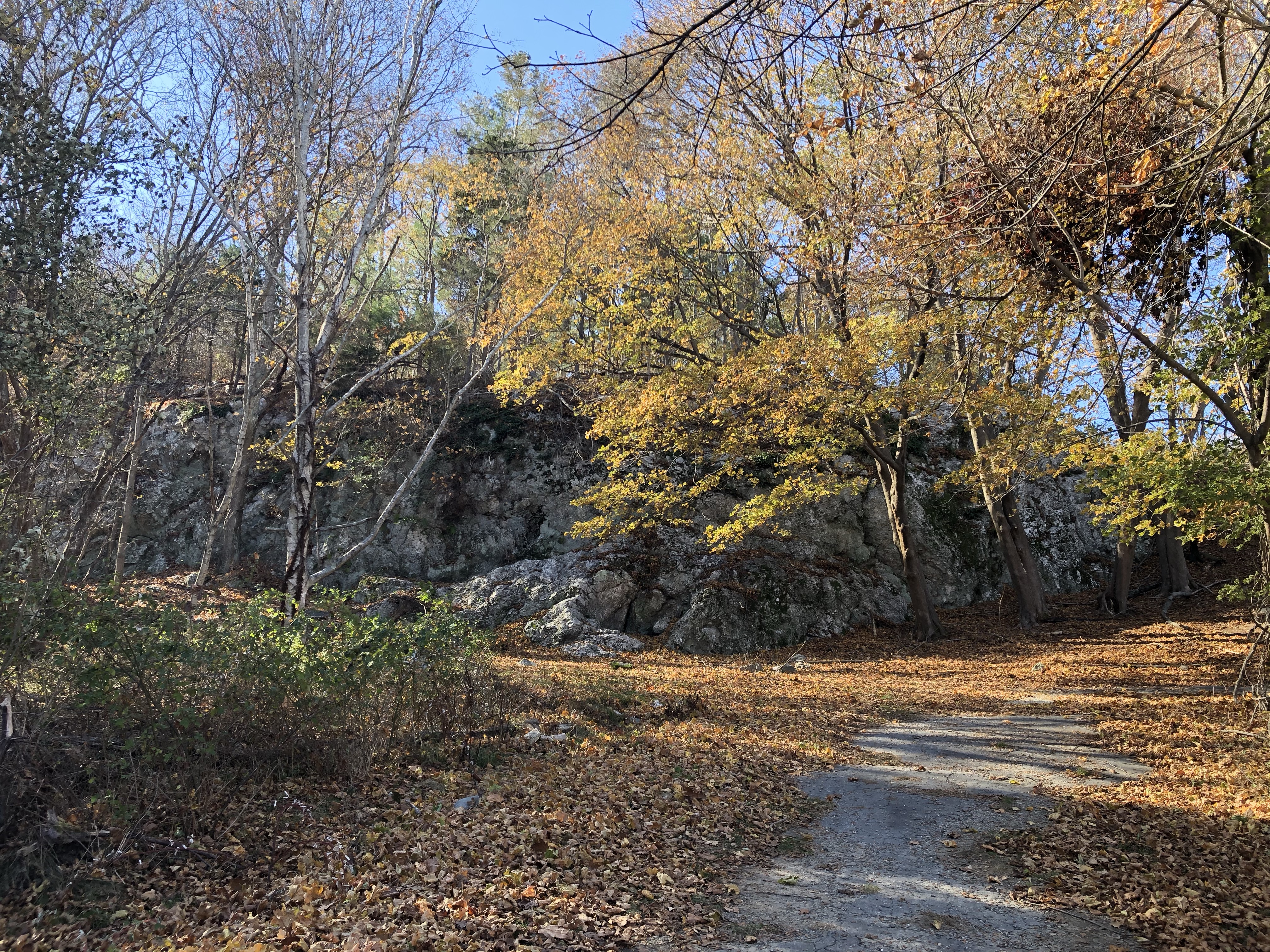
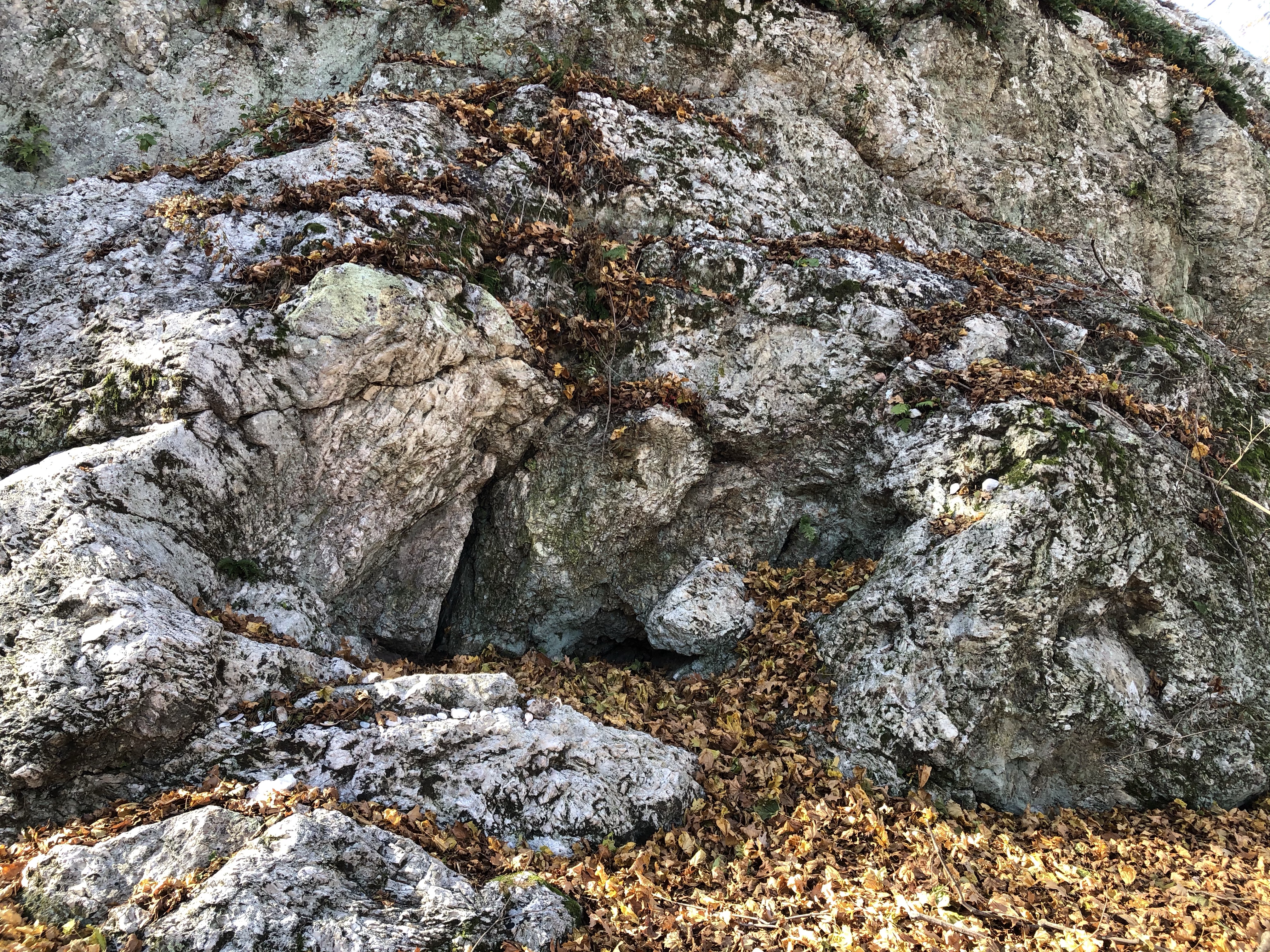
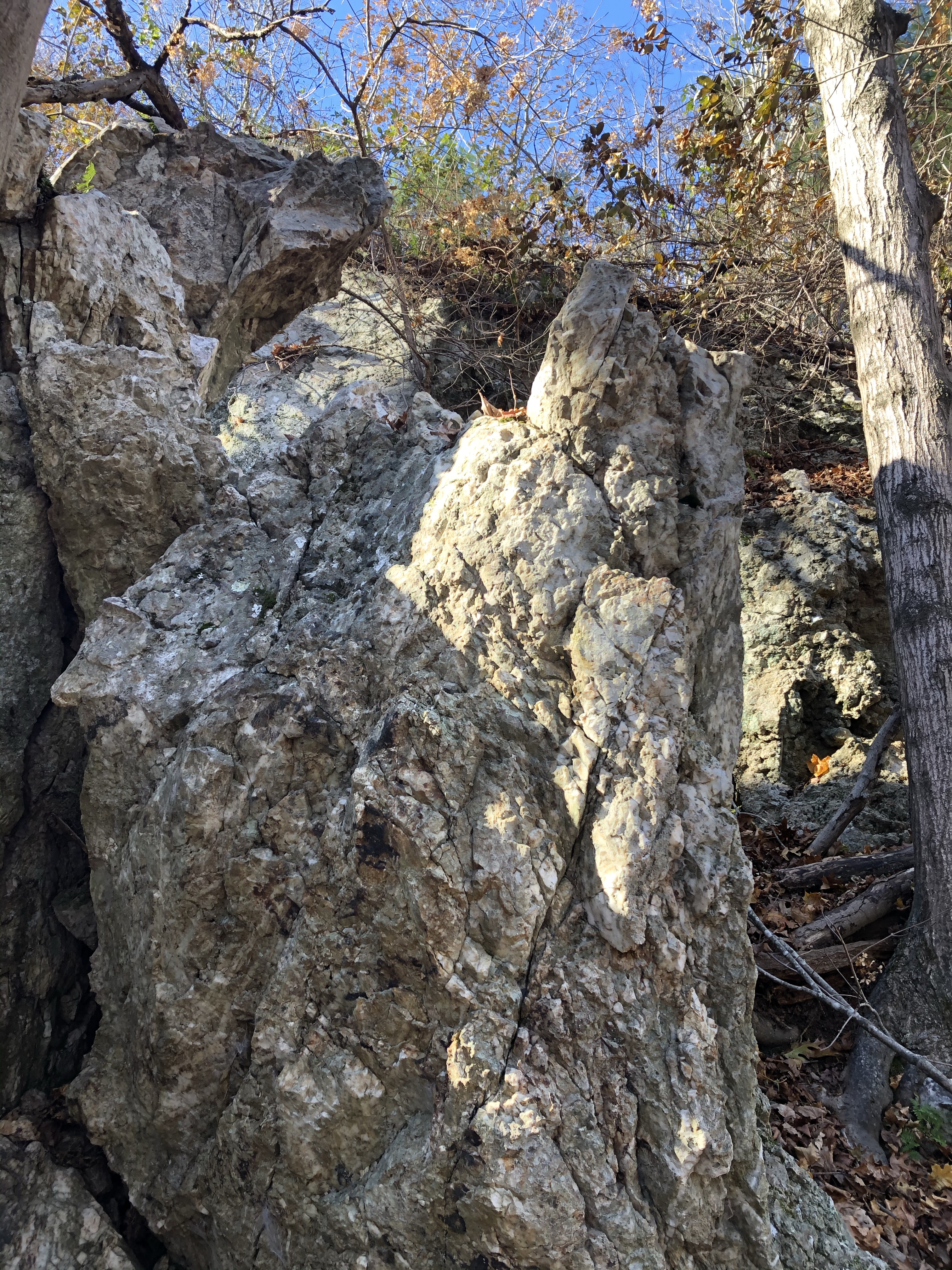
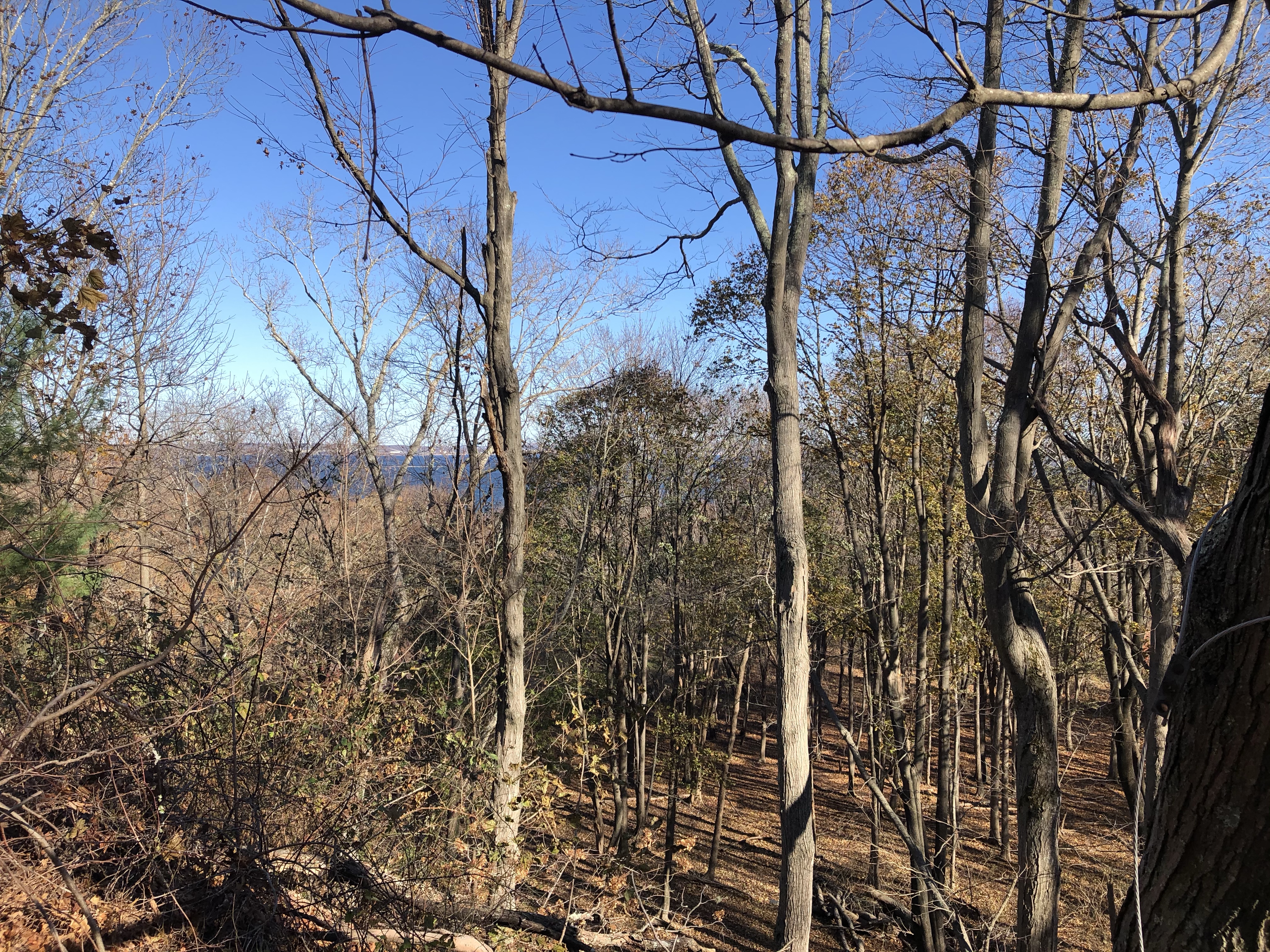
    Walking through the woods on an old paved road slowly being consumed by the forest, I spooked a hawk from the ground and watched it leap to the sky and arc above me, white feathers on blue sky. A sign? A welcome from Metacom or another ghost from the Pokanoket? I keep moving and soon after I saw the rock outcropping that was Metacom’s seat. And it just looked like a seat of power, silently commanding the forest and looking out to the bay, just like its sachems did before they passed, and the land passed to the settlers. Pokanoket survivors were sold into slavery in the West Indies, a final, brutal indignity.

    I’m told that the Pokanoket recently attempted a takeover attempt to win back the land from Brown University. 341 years after Metacom’s death this place still evokes passion. This is one reason I had to get a permit to enter private property, and I was only given an hour to walk around. It was enough time this time, though I’d like to go back again knowing I missed more than I saw. I was alone as I walked and relied on written directions and one sign on the property to inform me where I should go. Instinctively I climbed the outcropping to see what Metacom saw: blue water above the dancing treetops. But I relied on a feeling about the place not signage. It seems they’ve made it challenging enough to visit that most people don’t. But I never really felt alone. That hawk, and many more spirits in the wind, were with me the whole time.