Tag: New York City

  • A Day at The Met

    The first thing you learn when you spend a day at The Metropolitan Museum of Art is that a day is comically not nearly enough time to see everything. A year at The Met might do. And be sure to capitalize that T in “The” because the official name is what it is and details matter. In matters of affectionate familiarity, it’s perfectly fine to simply call it The Met.

    Comic or not, I had one random Thursday for a Met marathon. The only thing to do is to get to it—to meander through the maze of exhibits, to see, to linger on art that whispers for you to be with it for a moment, to eavesdrop on tour guides as they drop insight on what seemed randomness a moment before, to gawk at the famous and smile at the packs of teenagers giggling about the lack of fig leaves, and to move relentlessly through as much of the collection as time and mental capacity allows. As with all things, we hope to return again one day and pick up where we left off. Like that expression about the river, we will have changed in the interim, and everything we see will seem different with that new perspective.

    Claude Monet, "Bouquet of Sunflowers", 1881
    Claude Monet, “Bouquet of Sunflowers”, 1881
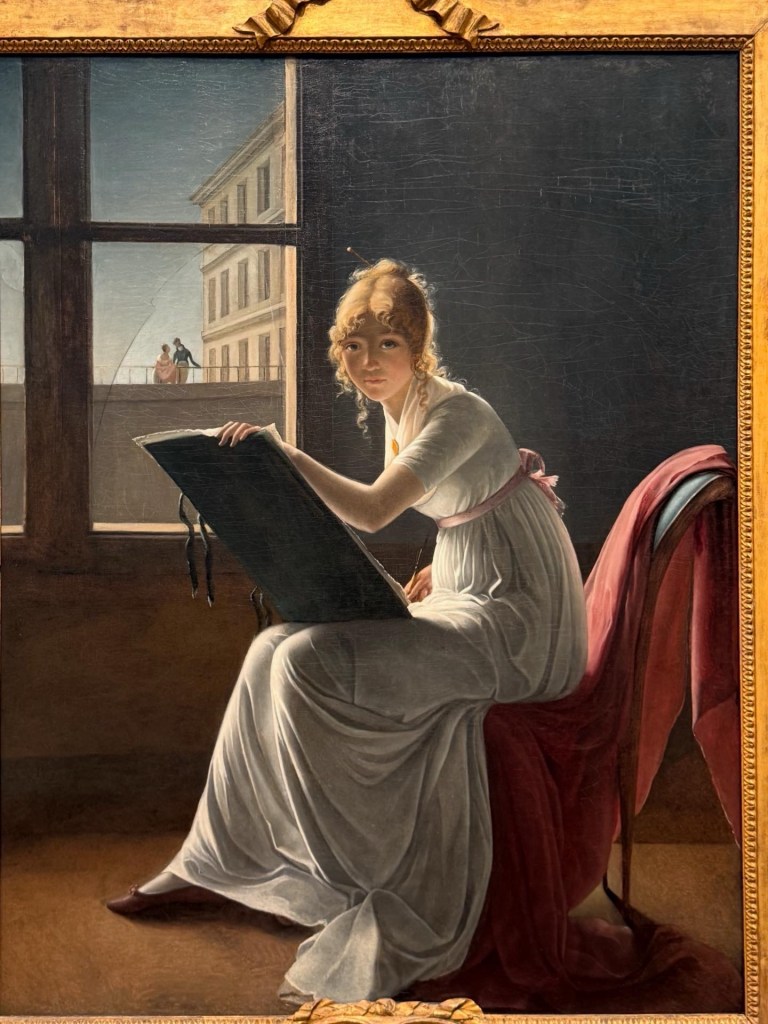
    Marie Denise Villers, Marie Joséphine Charlotte du Val d'Ognes (1786-1868), 1801
    Marie Denise Villers, Marie Joséphine Charlotte du Val d’Ognes (1786-1868), 1801
    Jean-Baptiste Carpeaux, Why Born Enslaved!
    Jean-Baptiste Carpeaux, Why Born Enslaved!
    Claude Monet, "Bridge over a Pond of Water Lilies", 1899
    Claude Monet, “Bridge over a Pond of Water Lilies”, 1899
    August Rodin, "Beside the Sea", 1907
    August Rodin, “Beside the Sea”, 1907
    William Bouguereau, "Breton Brother and Sister", 1871
    William Bouguereau, “Breton Brother and Sister”, 1871
    Vincent van Gogh, "Wheat Field with Cypresses", 1889
    Vincent van Gogh, “Wheat Field with Cypresses”, 1889
    Bronze statuette of a satyr with a torch and wineskin
    Bronze statuette of a satyr with a torch and wineskin
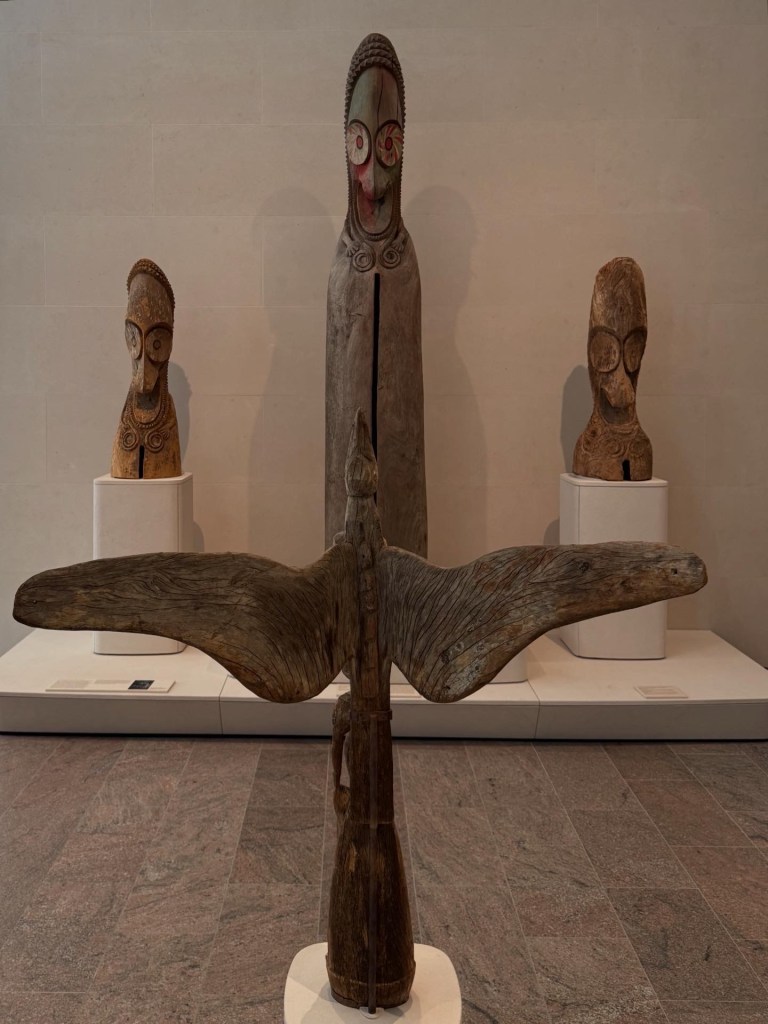
    Foreground: Finial for a ceremonial house, Sawos artist; Kaimbiam village, Middle Sepik River, Papua New Guinea
Background: Finials from Ambrym Island artists; Fanla village, Vanuatu
    Foreground: Finial for a ceremonial house, Sawos artist; Kaimbiam village, Middle Sepik River, Papua New Guinea
    Background: Finials from Ambrym Island artists; Fanla village, Vanuatu
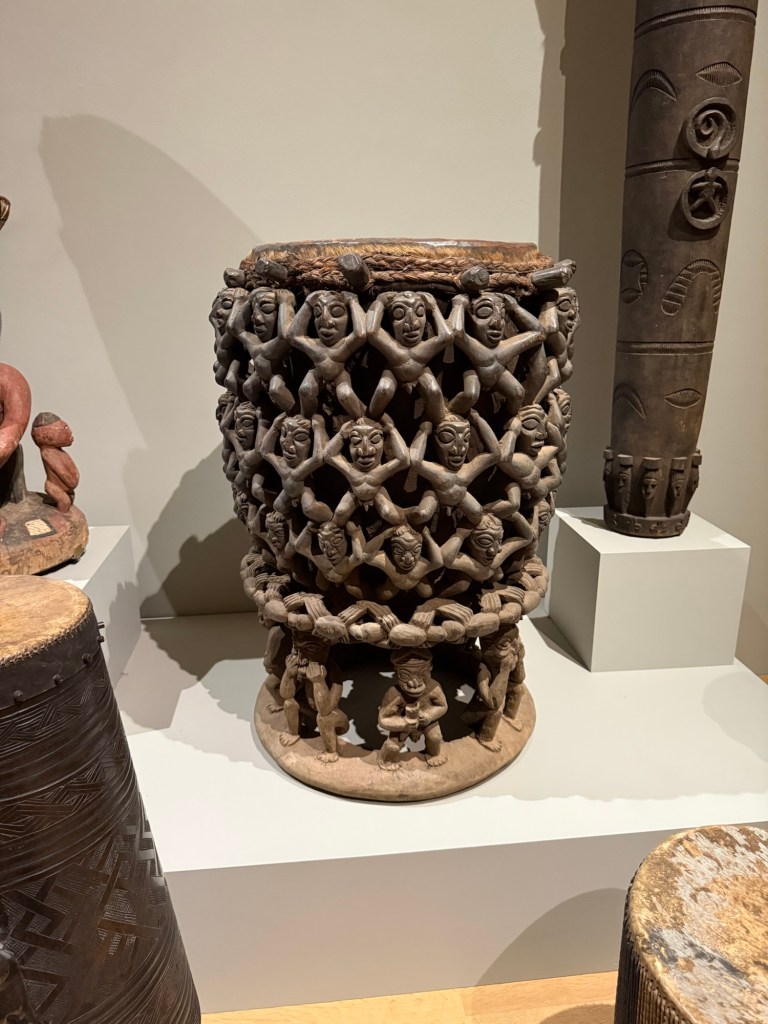
    Drum
Possibly Babungo/Vengo people
Cameroon, ca. 1940
    Drum
    Possibly Babungo/Vengo people
    Cameroon, ca. 1940
    Arms and Armor Room from above
    Arms and Armor Room from above
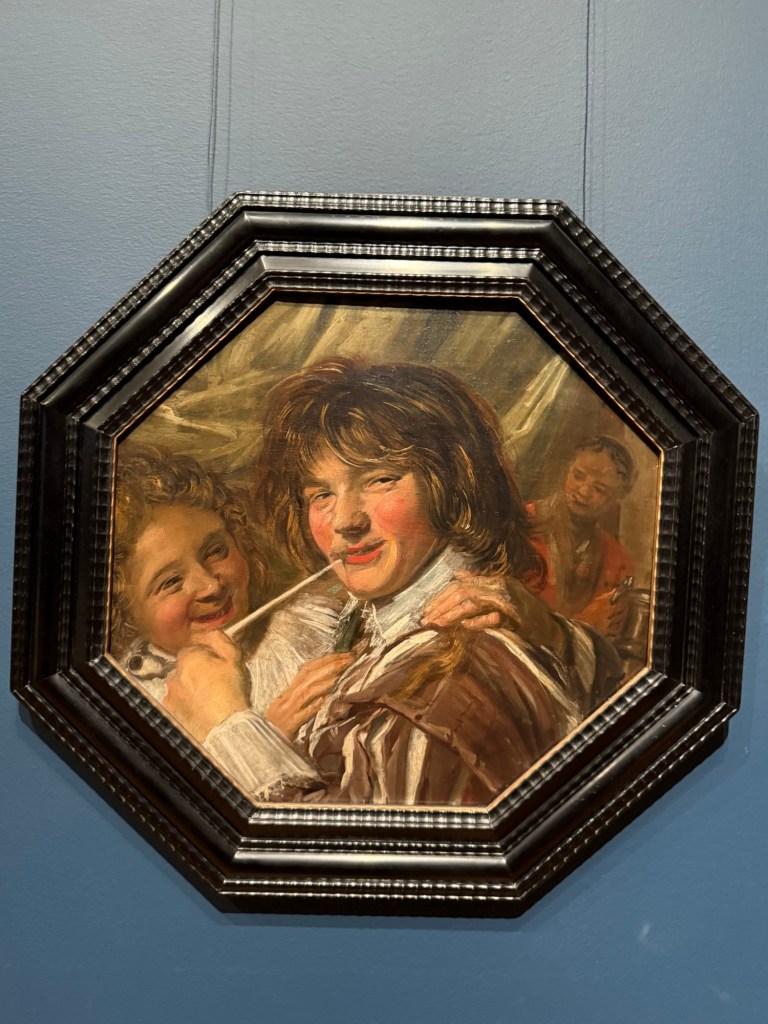
    Frans Hals, "The Smoker", ca. 1623-1625
    Frans Hals, “The Smoker”, ca. 1623-1625
    Pablo Picasso, "The Blind Man's Meal", 1903
    Pablo Picasso, “The Blind Man’s Meal”, 1903
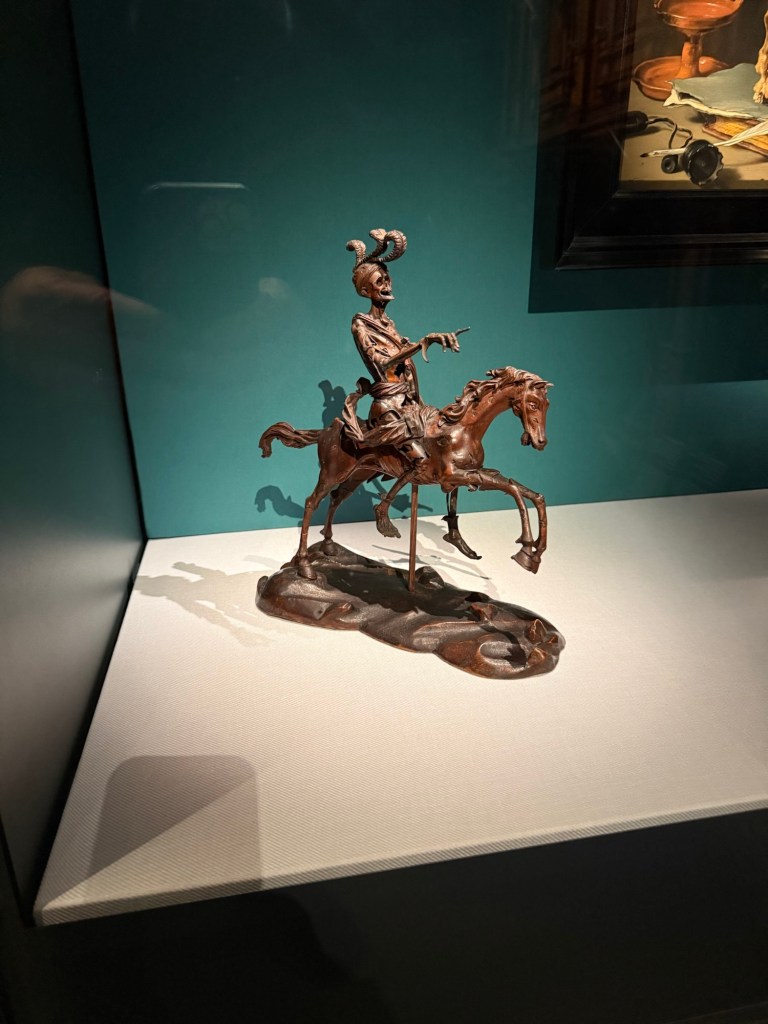
    Death
German, mid-17th century
Lindenwood with traces of pigment, spruce base
    Death
    German, mid-17th century
    Lindenwood with traces of pigment, spruce base
    Auguste Rodin, "The Burghers of Calais"
    Auguste Rodin, “The Burghers of Calais”
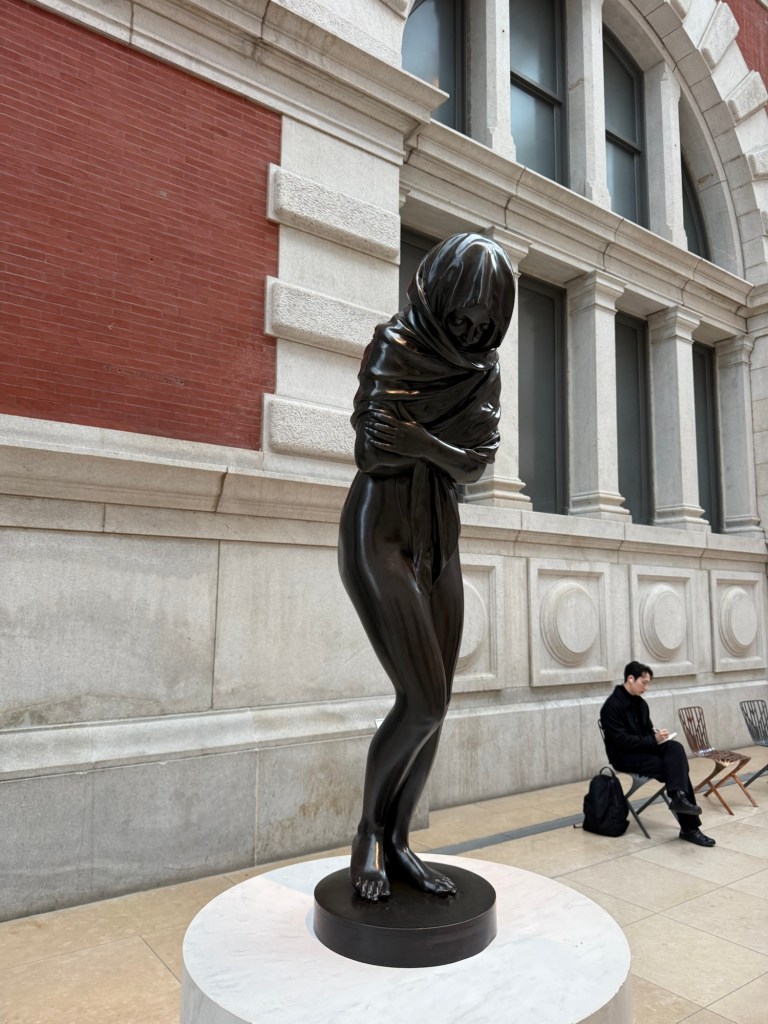
    Jean Antoine Houdon, "Winter", 1787
    Jean Antoine Houdon, “Winter”, 1787
    Fireplace Surround
Attributed to Désiré Muller, ca. 1900
    Fireplace Surround
    Attributed to Désiré Muller, ca. 1900
    Harriet Whitney Frishmuth, "The Vine", 1921 (this cast 1924)
    Harriet Whitney Frishmuth, “The Vine”, 1921 (this cast 1924)
    Antonio Canova, "Perseus with the Head of Medusa", 1804-6
    Antonio Canova, “Perseus with the Head of Medusa”, 1804-6
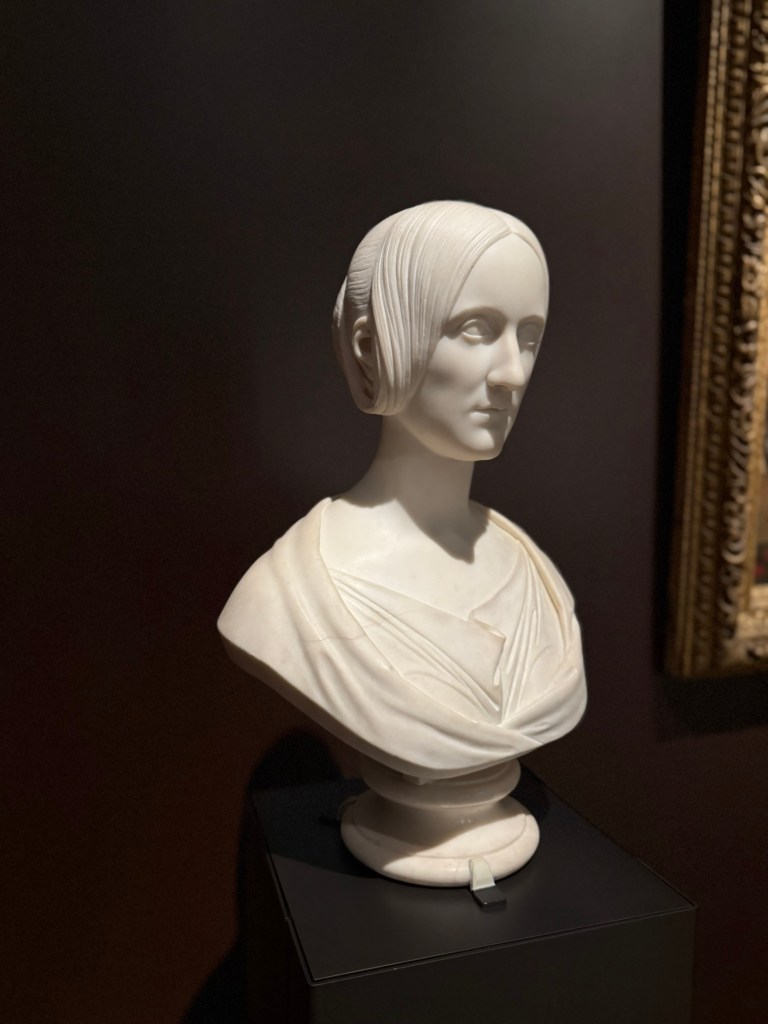
    Camillo Pistrucci, "Mary Shelley", 1843
    Camillo Pistrucci, “Mary Shelley”, 1843
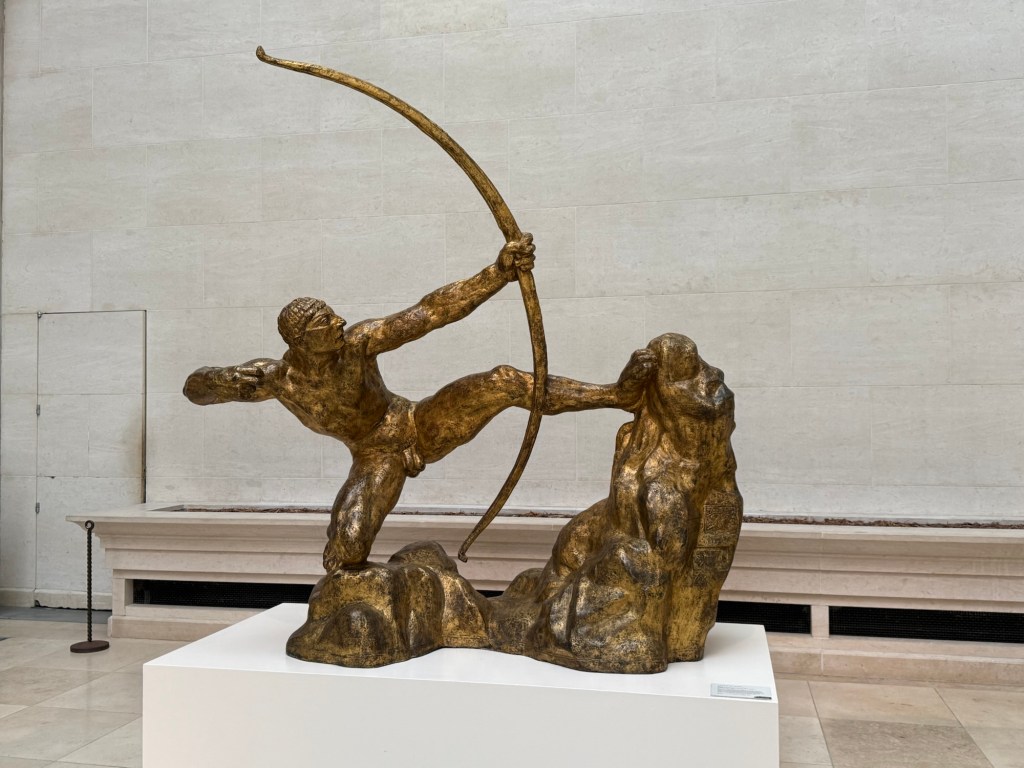
    Émile-Antoine Bourdelle, "Herakles the Archer", 1909
    Émile-Antoine Bourdelle, “Herakles the Archer”, 1909
    Body Mask
Asmat artist; Ambisu, Ajip River, Casuarina Coast, West Papua
    Body Mask
    Asmat artist; Ambisu, Ajip River, Casuarina Coast, West Papua
    Bronze helmet of the Illyrian type
Greek, late 6th-early 5th century, B.C.
    Bronze helmet of the Illyrian type
    Greek, late 6th-early 5th century, B.C.
    Mechanical Table
Workshop of David Roentgen, ca. 1780-90
    Mechanical Table
    Workshop of David Roentgen, ca. 1780-90
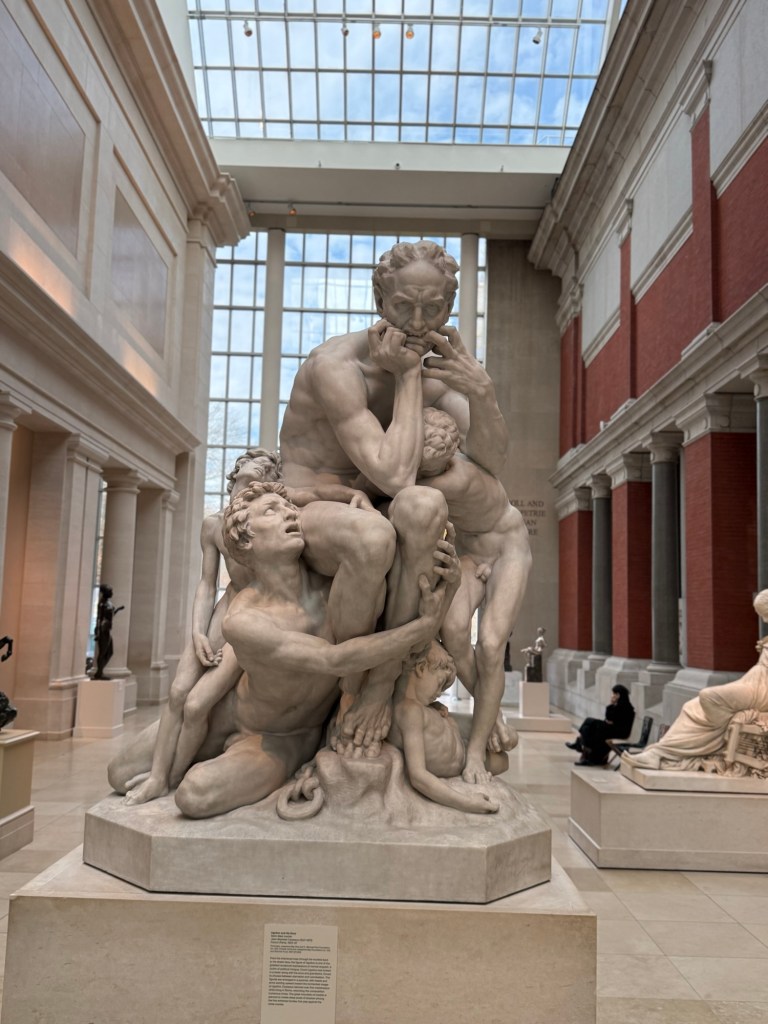
    Jean-Basptiste Carpeaux, "Ugolino and His Sons", 1865-67
    Jean-Basptiste Carpeaux, “Ugolino and His Sons”, 1865-67
    Augustus Saint-Gaudens, "Hiawatha", 1874
    Augustus Saint-Gaudens, “Hiawatha”, 1874
    Asmat artist, Yamas village, West Papua
Wuramon (spirit canoe)
    Asmat artist, Yamas village, West Papua
    Wuramon (spirit canoe)
    Bronze ornament from a chariot pole
Head of Medusa
Roman, 1st-2nd century A.D.
    Bronze ornament from a chariot pole
    Head of Medusa
    Roman, 1st-2nd century A.D.
  • Elton John Proving Me Wrong in Four Songs

    I had a conversation with a friend over the weekend about Elton John. She was surprised that I was a bit ambivalent about his music. The fact is I don’t love Elton John/Bernie Taupin’s catalog the way I love, say Jackson Browne or Billy Joel’s catalogs. Sure, he’s iconic and has some great, great songs, but the underlying combination of sadness and pouting just don’t capture my imagination. Too harsh? I say it with respect for his brilliance, but give me Freddy Mercury’s optimistic campiness over John’s pouty campiness anytime. And still, I do love many of Elton John’s songs. Here are four that easily make the case for why I may be wrong in my assessment:

    Tiny Dancer
    “But oh, how it feels so real
    Lying here with no one near
    Only you, and you can hear me
    When I say softly, slowly
    Hold me closer, tiny dancer
    Count the headlights on the highway
    Lay me down in sheets of linen
    You had a busy day today”

    The opening song on Madman across the Water, Tiny Dancer both sets the table and becomes an impossible standard to follow. Then Levon begins and you realize that this album runs deeper. I’d put the first half of this album up against many of the great albums in rock & roll music. There are thousands of vinyl copies of this album worn out on one side but pristine on the other.

    When I say I don’t love the Elton John Catalog, Tiny Dancer raises its hand and offers an animated challenge. Bernie Taupin’s lyrical pirouette forever married to Elton John’s gentle tap dance across the keyboard. This song remains as vibrant for me as the first day I heard it. And perhaps more so.

    Levon
    “Levon’s sells cartoon balloons in town
    His family business thrives
    Jesus blows up balloons all day
    Sits on the porch swing watching them fly
    And Jesus, he wants to go to Venus
    Leave Levon far behind
    Take a balloon and go sailing,
    While Levon, Levon slowly dies”


    How do you follow Tiny Dancer? With an epic Levon, of course. This is a big song, almost as big as the one that preceded it. Jesus can’t wait to fly away from the domineering father figure Levon and leave his oppressor to wither away. And we’re right there with him, grabbing a balloon and going for the ride. With so many albums why choose two from the same? Because it’s my list, that’s why.

    I love the stripped down version of this song on the BBC performance in the link above. Just three musicians and a gem of a song, with a respectful audience that doesn’t get in the way. A reminder that you don’t have to wear a duck costume to win over the audience.

    Someone Saved My Life Tonight
    “I never realized the passing hours
    Of evening showers
    A slip noose hanging in my darkest dreams
    I’m strangled by your haunted social scene
    Just a pawn out-played by a dominating queen
    It’s four o’clock in the morning
    Damn it listen to me good
    I’m sleeping with myself tonight
    Saved in time, thank God my music’s still alive”


    Well, here we are in Poutyville, with our glam rocker resenting the powerbroker who controls him and his career. But damn it (listen to me good) this is such a great song. And it signals resistance to the people who he believes control him. This song pairs well with Goodbye Yellow Brick Road, another song with the same theme. But I like Someone Saved My Life Tonight just a little bit more.

    Mona Lisas and Mad Hatters
    “While Mona Lisas and Mad Hatters
    Sons of bankers, sons of lawyers
    Turn around and say good morning to the night
    For unless they see the sky
    But they can’t and that is why
    They know not if it’s dark outside or light”


    This is a love song to New York City, and I can imagine the city in the early 1970’s, with its cast of characters making the city their own. This is a song rooted in simplicity and beauty. And just might be my favorite Elton John song. Bernie Taupin paints a portrait of New York in all its gritty wonder, and Elton John strips down the campiness to a stunning piano arrangement. This is a quiet walk through Central Park with a close friend, talking about what you saw in the city this week. November is when I think about New York City, for I always end up there for a few days this month every year. Except this year, of course. But there’s always next year… right?

    And there you go: four songs that prove me wrong about Elton John. There are others standing behind these to help make a strong case; Border Song and Rocket Man come to mind as two more that I love, but I’ll stick with four. If we drift too far into the catalog we might bump into Crocodile Rock, and I’m trying to stay positive.

  • Working Around the Edges

    It occurred to me that many of my bucket list places to visit skirt the outer edges of populated areas.  I’ve written about a few places that are literally the edges – like the precipitous cliffs of Portugal and the easternmost point of the North American Continent in Cape St. Vincent, Newfoundland.  I love being in places like that, and I’ll continue to seek them out as long as I’m able to.

    I’m as eager to see Torngat Mountains National Park deep in Labrador as I am to see Paris.  I’m looking forward to visiting London later this year, but anticipate the Northern Highlands of Scotland just as much.  I want to see New Zealand as much or more than I want to see Hawaii.  And while I love the energy in New York City, I adore the stillness of a forest or the beach in winter.

    Perhaps I’m a loner at heart.  That doesn’t mean I don’t thrive around people, but I don’t need people to be content.  I appreciate solitude.  Which is a good thing since the bulk of my job puts me alone in a car or a hotel room.  I’ve become self-sufficient in travel, and in many parts of daily life.  Stick me by myself in a garden weeding and I’m just as happy as I am when I’m at a family party.  I think that level of contentment within your own mind is a good thing.  I don’t need noise to drown out my own thoughts.

    Maybe I should have been a lighthouse keeper.  Or a meteorologist on the summit of Mount Washington.  Or a solo through hiker on the Appalachian Trail.  But then again, I’m a traveling salesperson, a gardener, a solo walker, a rower.  Isolation isn’t the aim – I greatly enjoy those I’ve built my life around and banter with those I’ve just met – but when I need it it’s a welcome partner in my journey deep into the soul.