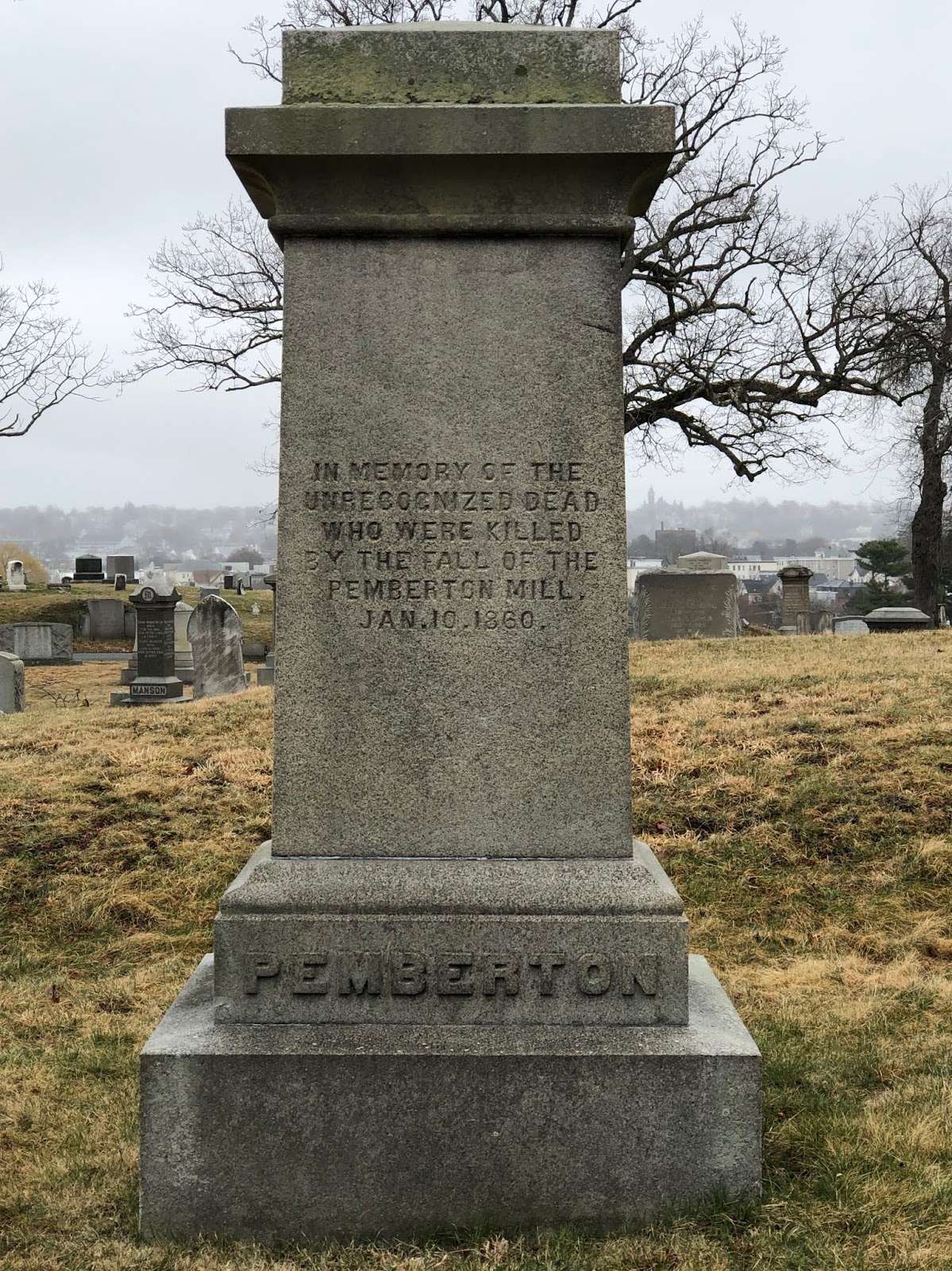
Lawrence, Massachusetts was the epicenter of two significant events in the history of industrial labor. The first was the Pemberton Mill collapse, which I wrote about yesterday. The second was the Bread and Roses Strike in 1912. The strike began when mill workers realized that the mill owners chose to pay them two hours less in wages in reaction to a law passed in Massachusetts requiring women to work a maximum of 54 hours instead of 56 hours. The mill owners weren’t exactly looking out for the welfare of the immigrants who worked in their mills, and took the cold calculation that if someone was working 54 hours they should be payed for 54 hours, not more.
On January 11th the workers at the Everett Mills found that their wages were reduced and walked out, beginning the strike. The next day the Washington Mill discovered their wages were reduced and followed suit. Everntually upwards of 25,000 mill workers were on strike. Police and the Massachusetts National Guard were brought in to “keep the peace” and instead poured gas on the fire as violence escalated. One young woman named Anna LoPizzo was killed and instead of prosecuting the person that shot her the union organizers were framed for murder.
As the strike continued for weeks families started sending their children on the train to the homes of sympathizers. When another group of children were gathered together to be sent to more homes, the mill owners and police tried to prevent it. This led to national attention on the working conditions that the mill workers were living with. Eventually the mill owners agreed to a 5% raise to end the strike but tensions remained high. One immigrant was beaten to death for wearing a pro-union pin.
Over time the higher wages of workers in the mills prompted a shift in manufacturing of textiles, shoes and other items first to the south and eventually overseas. The horrific working conditions that the Lawrence mill workers labored in shifted to these other places too. When I hear about sweat shops in China or other places I can’t help but think about the original sweat shops along the banks of the Merrimack River. The mills didn’t start this way, but over time the plight of the workers degraded as the greed of the mill owners increased. Now and then it’s good to look back on the history of the Industrial Revolution to understand why labor laws have evolved the way they have.