Tag: Portugal

  • Onward, Lisbon

    “Perfection is the fulfillment implicit in art, and [James Joyce] achieved it. Imperfection is life. All forms in life are imperfect, but the function of art is to see the radiance through the imperfection.” — Joseph Campbell

    I returned to the scene of the crime today. For it was in Lisbon that I spent the last days working for a company I didn’t love, with some characters I didn’t like all that much, simply to prove to myself that I hadn’t made a mistake joining that company two years prior. The crime, as you may have guessed, was selling one’s soul for financial gain. Immediately after Lisbon we parted ways, I began blogging in earnest and choosing culture over money in my work. The rest is history (mine anyway). Lesson learned, and passions pursued.

    This time I’m not lingering in Lisbon, but I’m using the opportunity to assess where I am versus where I was. On the whole I’m better, and still a work in progress. We must never rest on our laurels or settle for something that isn’t us. I’m surprised by the blog in many ways, for it hasn’t been the journey I thought it would be, but I’m still at it, even as I’m no longer that person who departed Lisbon six years ago.

    I’ve learned to accept imperfection in my writing, But work towards improvement. Perfection is an audacious act reserved for the very best, but who says we can’t strive to get closer to it? Today, the journey continues, literally and figuratively. Onward, Lisbon. A lot has changed since we’ve been together.

  • Small and Green and Hard

    “At first the fruit is small and
    green and hard.
    Everything has dreams,
    hope, ambition
    – Mary Oliver, Someday

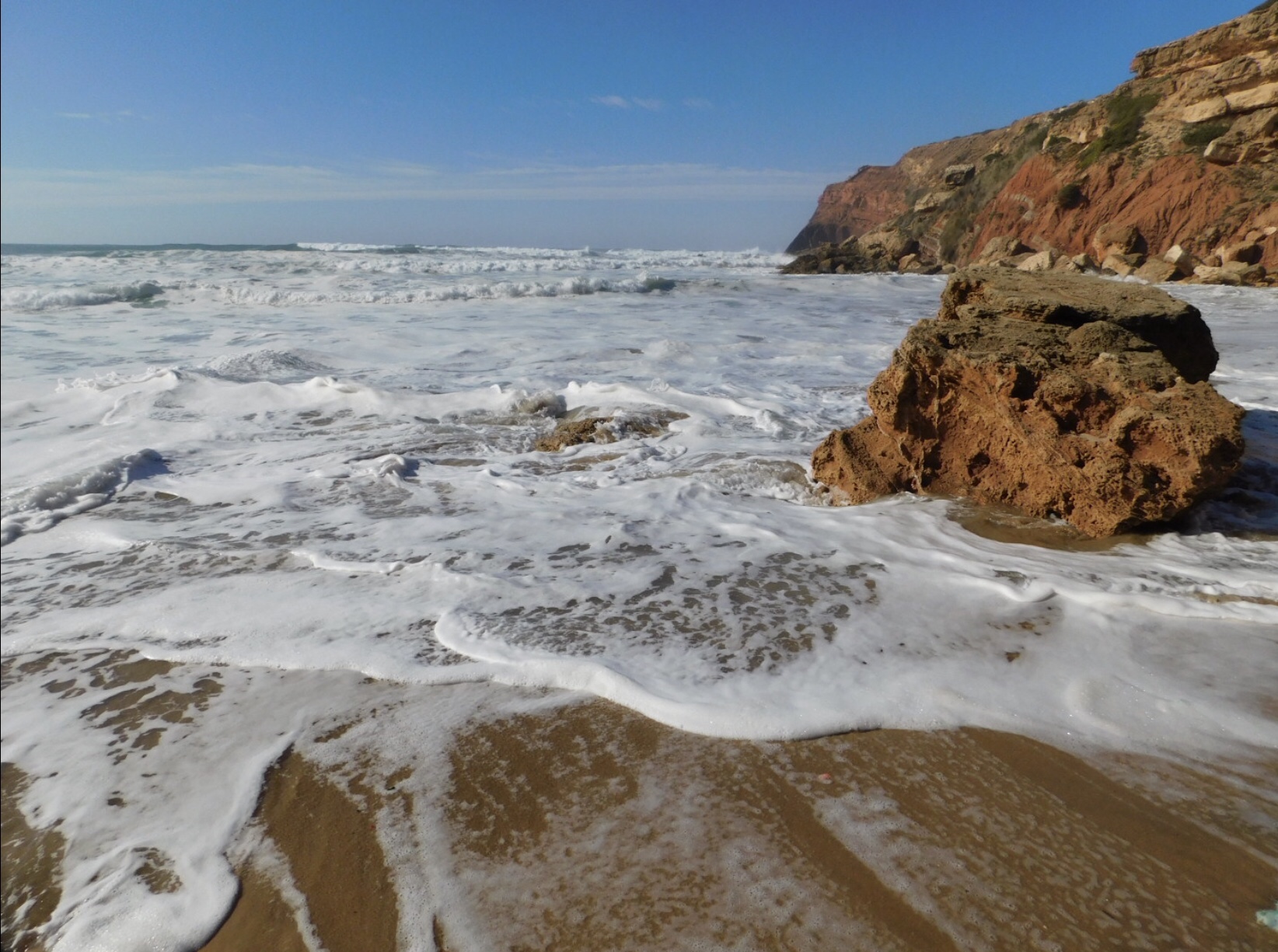
    I was thinking about a post I made on social media three years ago next month. Newfoundland. I’d gotten up early, as I usually do, and drove to the eastern edge of the continental North America for sunrise. A month after that photo I was on the western edge of continental Europe taking in the the crashing ocean and looking back towards where I was from.

    I looked like quite a world traveler on social media, but a week after that trip to Portugal I was unemployed. I didn’t post that on social media. I just scrambled to reach out to my contacts and find meaningful work as quickly as possible. We tend to amplify the positive: trips, events, big meals, relationships… the highlight reel stuff.

    That month of unemployment transformed my writing from a once in a while thing to an every day thing. I switched from Blogger to WordPress, found my voice through repetition and trips to local places, read a lot, and mostly just wrote. The fruit of my labor is still small and green and hard, but I see it ripening. At least I believe it to be so.

    We’re all works in progress, they say. Mastery is elusive. Ten thousand hours elusive. Lifetime elusive. But the art is in the doing, day in and day out. When the fruit is small and green and hard and you’re hungry it seems like it will never ripen. But being a bit hungry is where the art comes from. There’s nothing burning inside when you’re well-fed and satiated. The mind says maybe this is enough.

    In the spring my apple trees were a wonder of showy blooms. I was thrilled and dreamed of a rich harvest. But the dry summer transformed that bounty of blooms into a few deformed, tiny apples. By contrast the grapes were bountiful this year and fed the birds and yellow jackets when I couldn’t keep up. Funny the way two plants of the same age react to the same conditions, isn’t it?

    Everything has dreams, hope, ambition. We never know what will ripen and bear fruit. How the seasons will shape us. But fruit withers without focused energy. So we must keep at it.

  • Revisiting Belém Tower

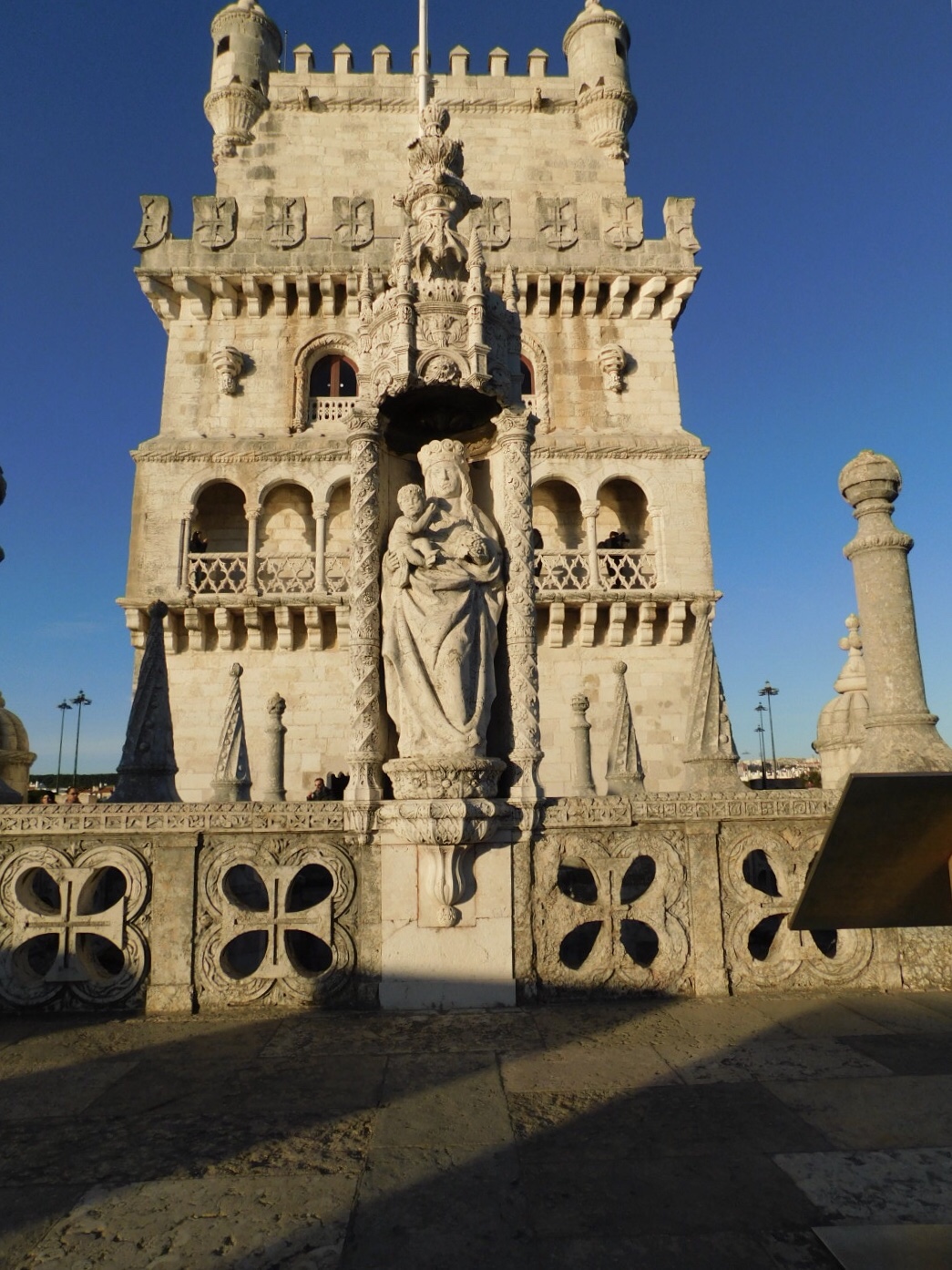
    Perched on the Northern Shore at the Mouth of the Tagus River, Belém Tower is a time machine back to the Age of Discovery.  It was built while Ferdinand Magellan was still making the first circumnavigation of the globe, a high point on a string of maritime milestones for Portugal.  It was designed by Francisco de Arruda as a “permanent ship” to help defend Lisbon and the river, and features the Portuguese Manuelino style popular during the lifetime of King Manuel I.  That it stands largely as it was built 500 years later is a blessing.  Countless souls have walked through Belém Tower, from kings to prisoners to tourists from all over the world.  I’m lucky to have been one of those souls.  As travel remains a dream for the future, I thought I’d return once again.

    Belém Tower is an island dropped in the waters of the Tagas River. To visit it you purchase a ticket next door and go stand in line on the small pedestrian bridge that spans the lapping waters that swirl around the base of the tower underneath you and then splash up the stairs that circle the tower on shore.  Apparently the island was once further out in the river but an earthquake shifted the land and moved it closer to shore.  Better for tourism today, and it’s likely that the prisoners held in the lowest level didn’t really care about a 360 degree water view anyway.

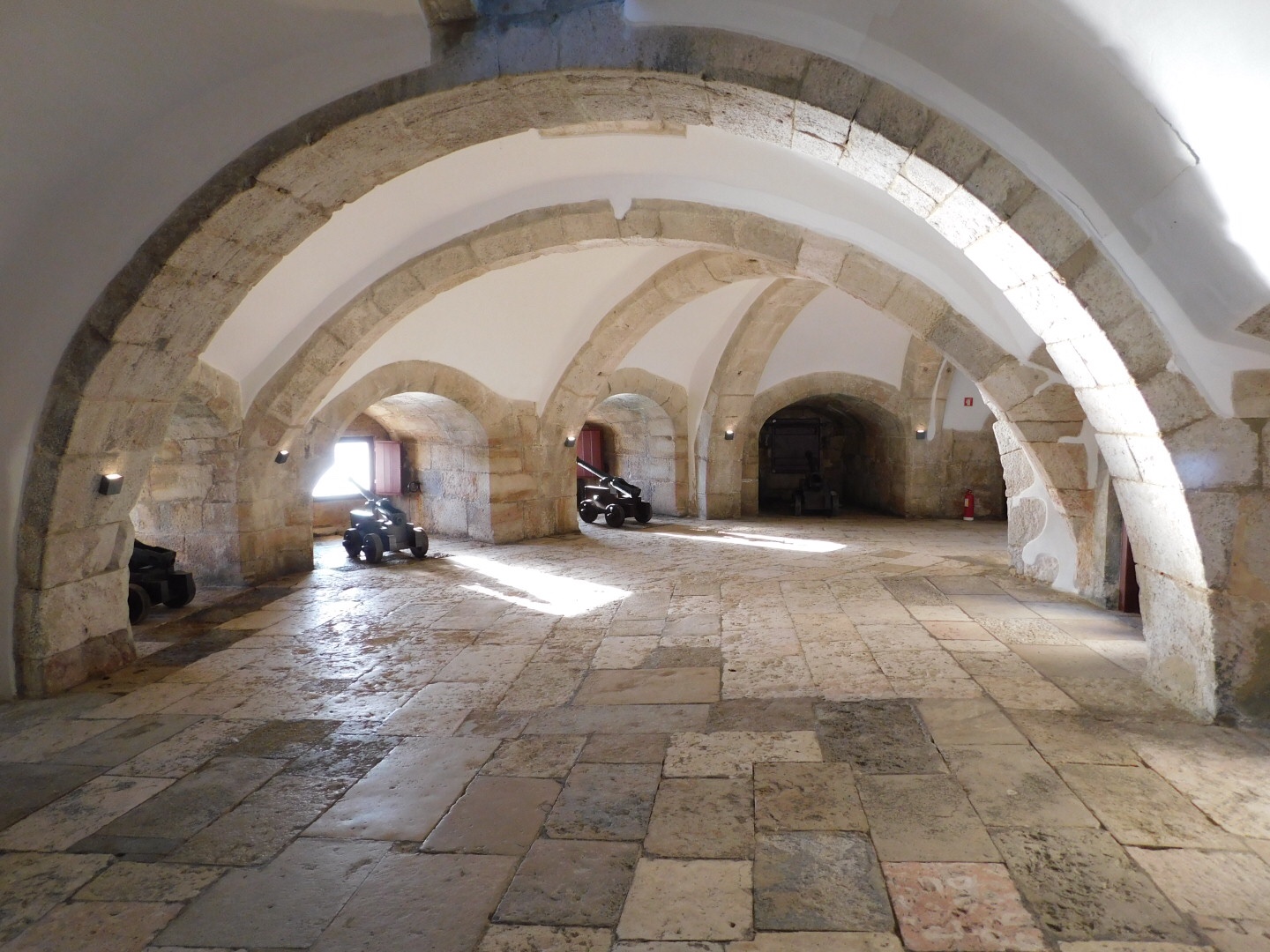
    You enter into the bastion at the base and the arched ceilings grab your attention.  There are views of the magazine from when it was a fort, or where the prisoners were held when it was a prison.  As you climb, you visit the Governor’s Hall, the King’s Hall and the Audience Room.  I quickly learned that the staircases are very tight, and require you wait your turn to climb up or down in a controlled fashion.  I didn’t expect to be waiting at traffic lights in a building built half a millennium ago, but sure enough I did.  Great indication of just how many people visit, and how cramped those staircases are.  Like other spiral staircases built long ago, these were tight for this tall writer.  There just weren’t a lot of clydesdales walking around in 1520, something I’ve grown to accept as I duck my way through history.  The other thing you notice is the ornate gothic details adorning the building.  This was built as a fortress, but also for a king.  There are wonderful details throughout, and I did my best to take it all in.  Traveling solo, I was able to allocate as much time as I wanted for Belém Tower and managed to explore all parts of the structure open to the public.

    I fell in love with Portugal and wonder when I’ll get a chance to return again.  My visit to Belém Tower in January of 2018 capped off an incredible week in my life that marked a new beginning of sorts for me.  I visited before the tower’s birthday, before the pandemic, before a lot of things.  It would be interesting to return again someday to see Belém Tower with fresh perspective.  To feel the energy of Lisbon and the possibility that the Tagas River offered those who launched their own discoveries sailing right past the tower.  I was so busy looking back during my visit that I wasn’t fully aware of the future that Portugal helped launch for me.  My own age of discovery, if you will.  In many ways, it started right here.

    Inside the Bastion


  • Two Henry’s

    “Arrived at the Atlantic, he pauses on the shore of this unknown ocean, the bounds of which he knows not, and turns upon his footprints for an instant….  Then recommences his adventurous career westward as in the earliest ages.” – Henry David Thoreau quoting Arnold Henry Guyot, Walking

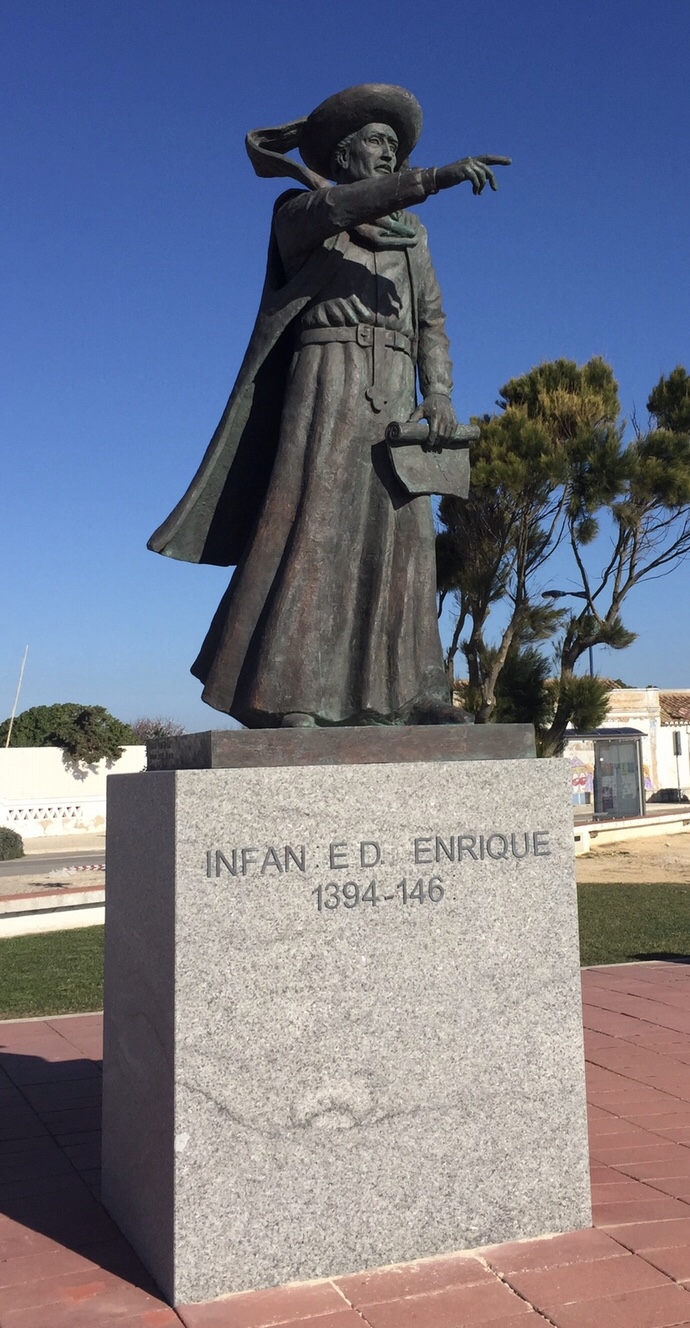
    Infante D. Henrique, better known as Henry the Navigator, was born in 1394 and died in 1460. Henry, with political clout from his relationship with his brother the King of Portugal and monetary clout from The Order of Christ, inspired the Age of Discovery 500 years ago.  The Portuguese would go on to discover Madeira 600 years ago this year, then the Azores, and further down the coast of Africa during his lifetime, and inspire like voyages by Christopher Columbus and others well after his death.  I came across a statue of Henry the Navigator in Sagres, Portugal last year when I was exploring the area.  The statue faces towards Madeira and the coast of Africa; Henry’s focus half a millennium ago.

    No place in continental Europe makes you feel like you’re on the shore of an unknown ocean more than the western coast of Portugal.  Of course, I’d flown over that ocean to get to Portugal, but this was a time when pirates were a common threat for coastal communities and the thought of sailing beyond the horizon was likely terrifying for most.  It wasn’t until larger sailing vessels were built that the Portuguese and later other European explorers would take the leap into the unknown.

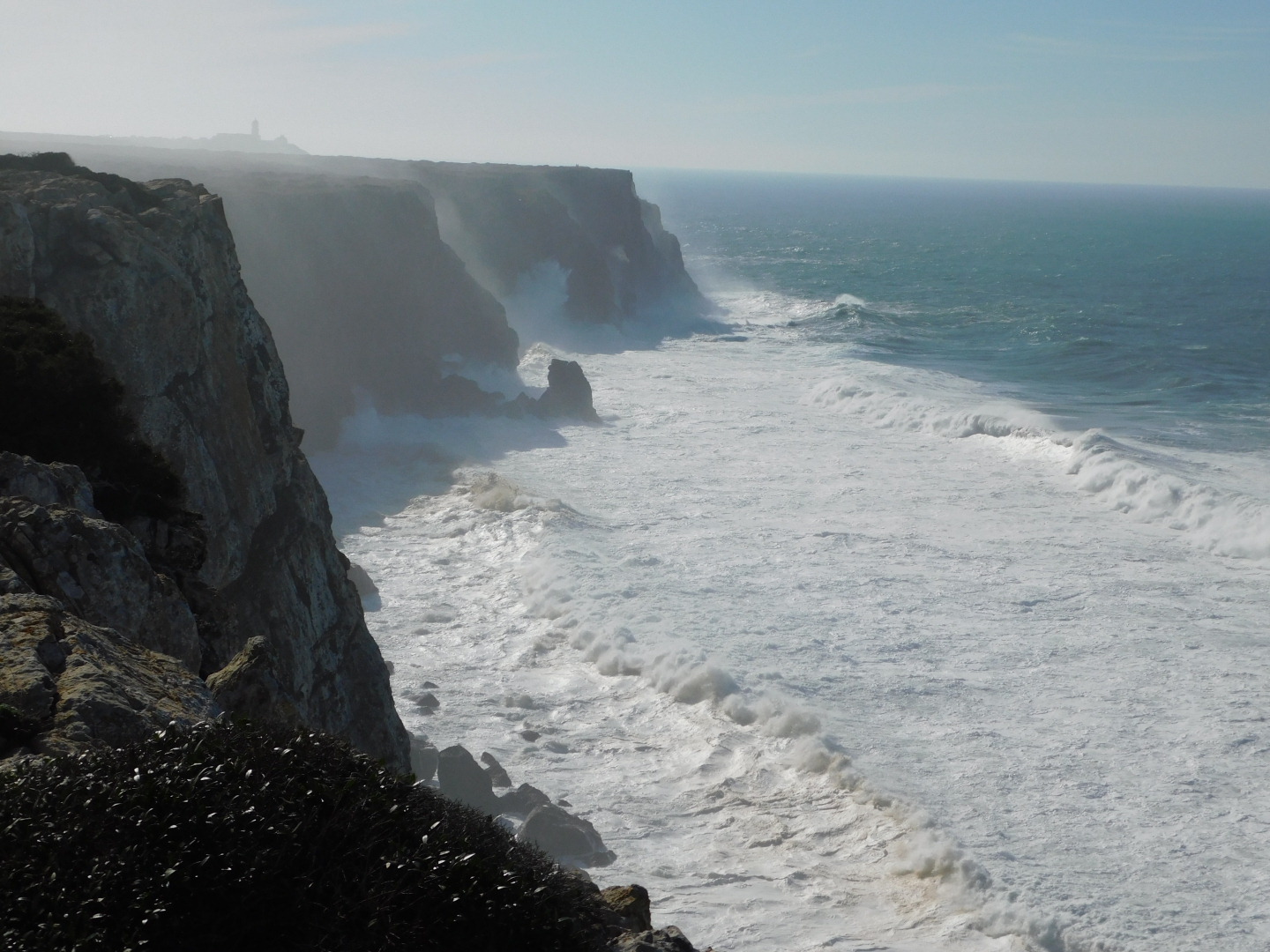
    There was a dark side to exploration, as local populations were exploited, enslaved, murdered or exposed to lethal diseases for the first time.  Progress for some is regression or annihilation for others.  The spirit of exploration and discovery is on the face admirable, and I like to think I carry some of that spirit within me, just as Thoreau did.  Standing on the edge of a hundred foot cliff with breaking waves reaching up halfway to welcome me, one catches the spirit of those words; Arrived at the Atlantic, he pauses on the shore of this unknown ocean.  This would give any sane person pause.  But the courage to move on anyway opened up an entire world for these Portuguese explorers.
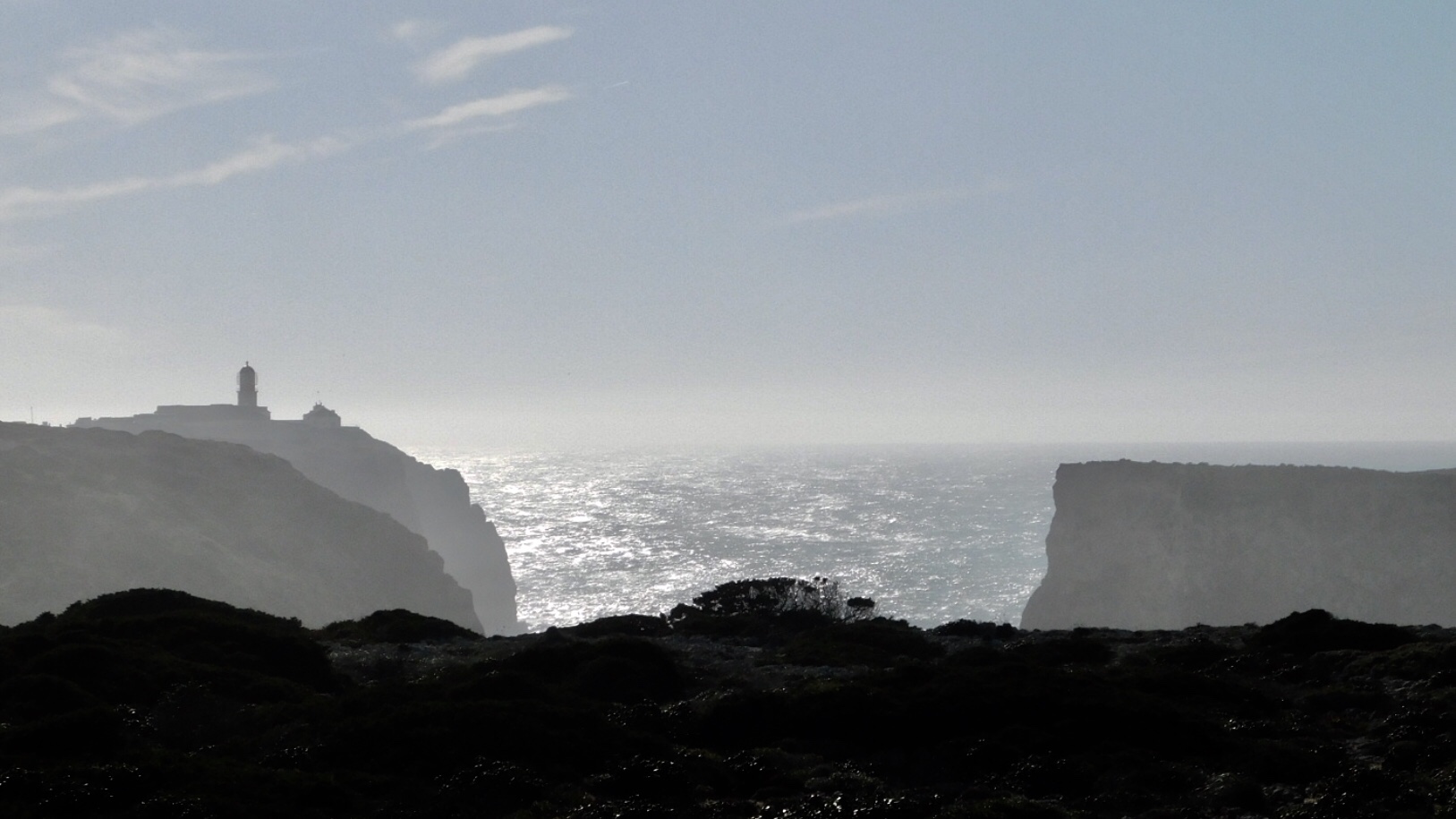
    I have Scottish and English blood in my veins, but I also have Portuguese blood.  I like to think that exploration and adventure are a part of my DNA.  And while my relative low risk exploration of the coast of Portugal pales in comparison to the sailors of centuries past, the serve to expand my perspective on the original European explorers who first set sight on America.  As visiting Portugal opened up my perspective on where these souls came from, visiting the Santa Maria replica gave me a greater appreciation for just how small those Nau’s were.  On a vast, unknown ocean, with no previous knowledge of currents and at the whim of the weather, courage was only part of what these explorers needed.  They also needed luck.

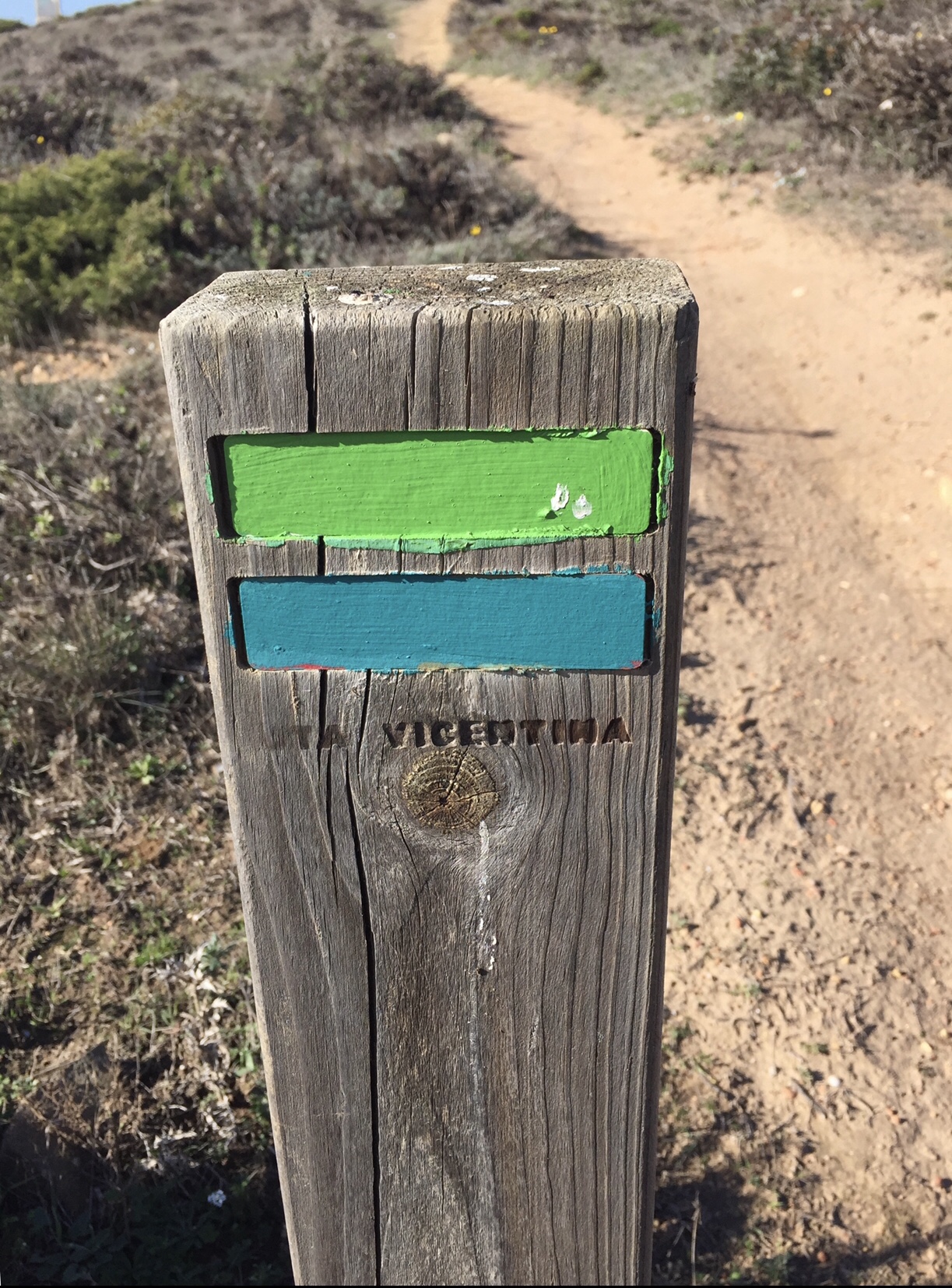
    Henry David Thoreau quoted Guyot even as he disagreed with many of his theories.  Thoreau was an explorer whose vehicle of choice were his feet.  I think he would have been fascinated with the fisherman’s trails, the stunning Rota Vicentina, that wind along the coast from Sagres north. Hiking this trail was a highlight for me, and I wish I’d had more time to fully explore the region.
    Thoreau writes of the magic of exploration, and his tendency to head southwest in his journeys away from home.  There is no point further Southwest in Portugal than Cape of St. Vincent and it’s distinctive lighthouse. Had Thoreau stood on the cliffs, as I imagine Henry the Navigator once did and I had the opportunity to do in my own humble way, I think he might have looked westward and recalled his own words, appropriate for this extraordinary place:  “We go eastward to realize history and study the works of art and literature, retracing the steps of the race; we go westward as into the future, with a spirit of enterprise and adventure.  The Atlantic is a Lethean stream, in our passage over which we have had an opportunity to forget the Old World and its institutions.”  That spirit seems as true today as it was in 1860 or in 1460.

  • Working Around the Edges

    It occurred to me that many of my bucket list places to visit skirt the outer edges of populated areas.  I’ve written about a few places that are literally the edges – like the precipitous cliffs of Portugal and the easternmost point of the North American Continent in Cape St. Vincent, Newfoundland.  I love being in places like that, and I’ll continue to seek them out as long as I’m able to.

    I’m as eager to see Torngat Mountains National Park deep in Labrador as I am to see Paris.  I’m looking forward to visiting London later this year, but anticipate the Northern Highlands of Scotland just as much.  I want to see New Zealand as much or more than I want to see Hawaii.  And while I love the energy in New York City, I adore the stillness of a forest or the beach in winter.

    Perhaps I’m a loner at heart.  That doesn’t mean I don’t thrive around people, but I don’t need people to be content.  I appreciate solitude.  Which is a good thing since the bulk of my job puts me alone in a car or a hotel room.  I’ve become self-sufficient in travel, and in many parts of daily life.  Stick me by myself in a garden weeding and I’m just as happy as I am when I’m at a family party.  I think that level of contentment within your own mind is a good thing.  I don’t need noise to drown out my own thoughts.

    Maybe I should have been a lighthouse keeper.  Or a meteorologist on the summit of Mount Washington.  Or a solo through hiker on the Appalachian Trail.  But then again, I’m a traveling salesperson, a gardener, a solo walker, a rower.  Isolation isn’t the aim – I greatly enjoy those I’ve built my life around and banter with those I’ve just met – but when I need it it’s a welcome partner in my journey deep into the soul.

  • Portugal: The End of the World

    Started strong on this blog, then petered out as the realities of a job spiraling downhill combined with an irony-filled sales kick off meeting in Portugal left me with not much to say.  Which of course is not the case at all with all that going on.  I’ll work to be more consistent.

    The sales kick off meeting was the usual stuff that goes on when a company goes to great lengths to inspire a sales team.  Well prepared executives telling us how great things are.  Product Managers telling us how great things are going to be.  Sales awards for the past and optimistic spin on the future.  And a dose of ass-kissing and opportunistic positioning by the sleazy element.  Still, as with most companies the majority of employees are truly great people who work hard, are ethical and want to do good things.  I wish them well, and hope they clear the hurdles ahead of them.

    The real adventure in Portugal began when the meeting was over.  I drove from Lisbon to Sagres for some hiking along the coast, fresh seafood and time to reflect in a place completely new to me.  The drive down from Lisbon began on the extraordinary Vasco da Gama Bridge over the Tagus River, continued across a changing landscape of vineyards and cork tree groves that gave way to more arid climate as I approached the Algarve Region.  My destination was the end of the world.

    Sagres was once called that – the end of the world.  The rocky cliffs of Cape St Vincent were the southwestern corner of “civilization”.  And no wonder they thought so.  The rolling waves of the Atlantic Ocean crashing into the cliffs of Western Europe certainly felt that way.  Ships rounding the Cape of St Vincent looked to the treacherous cliffs and prayed for favorable winds to keep them from being bashed against them.  Many of their prayers were unanswered and countless sailors perished along this coast.  Imagining the New World beyond the horizon was likely beyond the scope of many of the people living in the Middle Ages.

    Sagres today is a sleepy surf town, full of beautiful vistas and great seafood.  The world back then, as in many places, was a lot more violent and uncertain.  Sagres is incredibly rich in history.  Pirates and privateers raided this coast to rape and pillage and enslave those they didn’t kill outright.  Explorers setting sail from this region mapped the African coast, opened up the sea route for spice trade and eventually circumnavigated the world.  Sagres was the home and final resting place of Henry the Navigator (Prince Henry the Navigator – Wikipedia) who changed the narrow view of Europeans in this time and fueled the Age of Discovery.

    Hiking a portion of the Rota Vicentina in the offseason provided me with a glimpse into the past.  I was struck by the powerful waves of the Atlantic colliding with the sheer cliffs along the coast, and the splendid isolation as the trail moved towards the interior.  For much of my hike I was alone.  Fishermen and tourists were clustered at the lighthouse on Cape St Vincent, but after that I saw five other people on the rest of my 12 mile hike.  Offseason for sure.  Soon after passing the last of the fisherman precariously dangling their poles over the cliffs near Cape St Vincent I found myself virtually alone in the harsh, beautiful terrain.  The footing is challenging; alternating between red sand and sharp limestone and sandstone ready to trip and greet the careless walker who dares to enjoy the stunning scenery for more than a step or two before validating the path.

    Portugal, like Newfoundland, offers seclusion mixed with warm encounters with friendly people.  It’s still relatively unknown as a vacation destination, but that will change.  As indicated by the graffiti I saw throughout Portugal and the broken glass on the trail, not everyone embraces leaving no trace.  I hope that the cultural intolerance for these things increases in the years to come.  I fell in love with this place and hope it never becomes the overbuilt, resort-clogged destination that some other parts of the Algarve have become.

    And now I’m back, with memories, pictures and video of this incredible place.  As with all solo travel I felt the conflicting emotions of savoring the meditative qualities of going it alone with the longing to have shared it with family and friends.  Hopefully I’ll see you again Sagres.