Tag: Vienna

  • Don’t Imagine They’ll All Come True

    You’ve got your passion, you’ve got your pride
    but don’t you know that only fools are satisfied?
    Dream on, but don’t imagine they’ll all come true
    When will you realize, Vienna waits for you?
    — Billy Joel, Vienna

    Blame it on the maddening state of the world, or for reaching an age where paths diverge in a person’s life, but I’ve been struggling with uncertainty lately. Make a decision, change my mind and cancel plans, then abruptly pivot back to the original plan again… or not. Really, it’s all a confused mess. And that’s no way to go through one’s days.

    To never be fully satisfied with the plan, and to thus always feeling compelled to modify it, is a blessing and a curse. Forever seeking Kaizen (constant and never-ending improvement) is a path to personal excellence, or to a restless life never fully realized because there’s always going to be something to work on. What works for Toyota ought to work for us, right? But we aren’t corporations, we’re humans. We can’t simply systematize ourselves and expect we’ll arrive at perfection. We must dig deeper and understand where the restlessness is rooted in.

    The answer typically lies in the question: what do we want out of life? That is our direction. Coming to understand it, we may set out in that direction today without trying to change course over and over again. Good habits and a healthy routine automate some important behaviors in our lives like exercise and flossing and writing, serving as gyroscopic stabilizers so we don’t get seasick from rocking back and forth too much with our behavior.

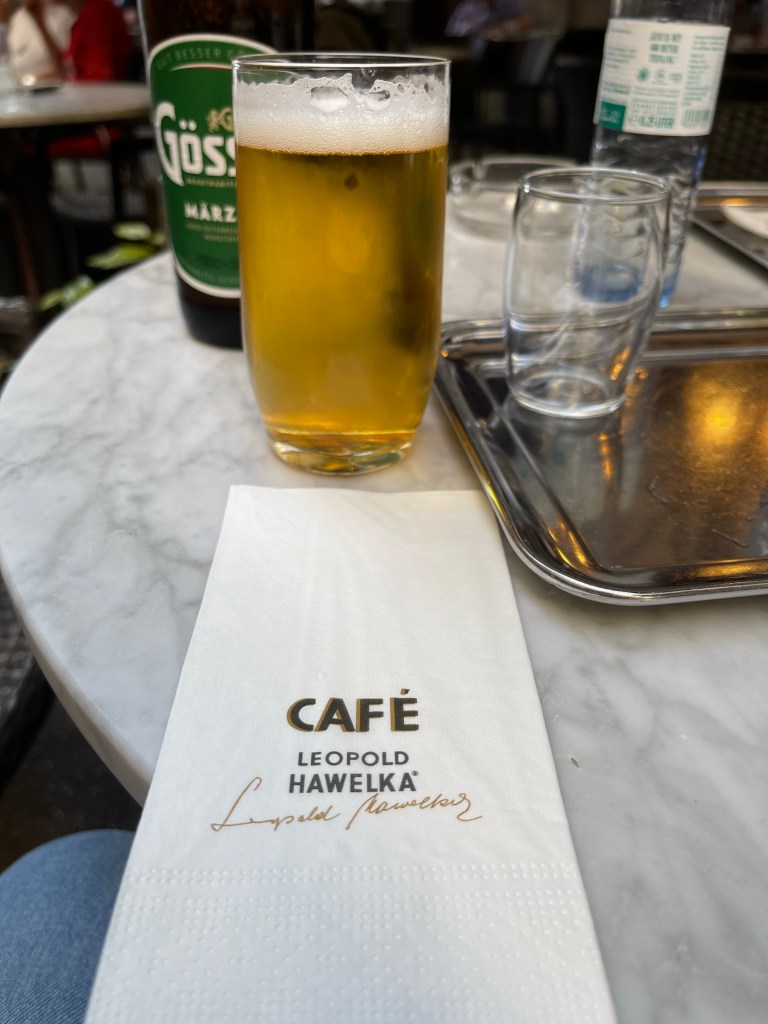
    Some people go to a Vienna coffeehouse simply to enjoy a torte or Buchteln. Some go to lasso a muse. Both can be right. To borrow a lyric from another Billy Joel song, do what’s good for you, or you’re no good for anybody. And to rock abruptly back to Vienna, don’t imagine all your dreams will come true, just focus on the one’s that do.

  • A Sequence of Everything Wanted

    “Rivers know this: there is no hurry. We shall get there some day.” ― A.A. Milne, Winnie-the-Pooh

    Slow down you’re doing fine
    You can’t be everything you want to be before your time
    — Billy Joel, Vienna

    In a dizzying turn of events, last night capped a sequence of things wanted for some time delightfully happening one after the other, from Rome to Athens to Sicily to Florence to… New Hampshire. Life is sometimes simply great timing, realized. To visit the Colosseum and the Sistine Chapel and the Acropolis and Mount Etna, to see Michelangelo’s La Pietà and David to bookend an epic trip and then return home to find the elusive Aurora Borealis dancing in my own backyard hours later is a sequence I’ll be processing for some time, thank you. This isn’t meant to be a brag about how lucky the last couple of weeks have been, rather a realization that patiently working towards something combined with a bit of good luck goes a long way in a lifetime. Amor fati.

    The thing is, I wear my impatience on my sleeve (and blog about it more often than I ought to). Some of us simply want to get right to everything as quickly as possible, knowing that time flies and we aren’t getting any younger. Sure, tempus fugit, but slow down—you’re doing fine… Vienna waits for you. Simply plot the steps, do the work, follow through and hope fortune smiles on you.

    Hope is a tricky word, and that’s where impatience comes in. Perhaps the better word is trust. We must trust the process when we build our systems. Work, marriage, fitness level, artistic contribution, social interactions, and yes, bucket list items are all lifestyle choices built on faith that doing this will lead to that. When it doesn’t arrive promptly we restless types get a bit impatient, so a reminder of all that’s come to pass helps now and then. Gratitude goes a long way.

    Life lessons are all around us, if we simply stop rushing about so much and focus on the journey. The biggest lesson is that the journey continues, and each milestone is simply a marker for where we’ve been and what we’ve seen and who we were at the time. What’s next matters too, doesn’t it? Our past is our foundation for the growth to come. We shall get there some day. For haven’t we thus far?

    Aurora Borealis, New Hampshire 10 May 2024
    Aurora Borealis, New Hampshire 10 May 2024
    Aurora Borealis, New Hampshire 10 May 2024
    Michelangelo’s La Madonna della Pietà
    Michelangelo’s David
  • Easter Eggs

    “No one knows the future, but the present offers clues and hints on its direction.” — Innocent Mwatsikesimbe

    “An Easter egg is a message, image, or feature hidden in software, a video game, a film, or another — usually electronic — medium. The term used in this manner was coined around 1979 by Steve Wright, the then-Director of Software Development in the Atari Consumer Division, to describe a hidden message in the Atari video game Adventure, in reference to an Easter egg hunt.” — Wikipedia

    I’ve never been so hip in my life, or maybe excelled enough at video games, to have been fully aware of the existence of Easter Eggs in games and software. Like most people, it was a growing cultural awareness of such things. The thing is, you’ve got to be invested in that particular form in which the Easter egg is hidden to ever be aware of it, let alone understand what it might mean. In this way, Easter eggs are gifts to the loyal fans from the creators.

    When Game of Thrones was peaking 6 or 7 years ago, many people went back and watched it from the beginning, just to get caught up on all the things that were referenced in later episodes. It’s here that the term really took off for those of us not quite invested in video games or coding. A well-written show will hint at the future. These hints will be obvious, “ah ha!” moments for the invested audience. To get the joke, as it were, is part of the mass appeal of such shows.

    The term “Easter egg” is a bit trendy, but great writers have been dropping hints into their work for as long as there’s been works of fiction. Agatha Christie was masterful in setting the scene just so, that what is hidden in plain sight might reveal itself as perfectly obvious later in the story. The delight in her novels was trying to figure things out as you went through the story, knowing full well that she would place as many dead ends into the story (pun intended) as the hints that brought the culprit to justice in the end.

    “The impossible could not have happened, therefore the impossible must be possible in spite of appearances.” — Agatha Christie, Murder on the Orient Express

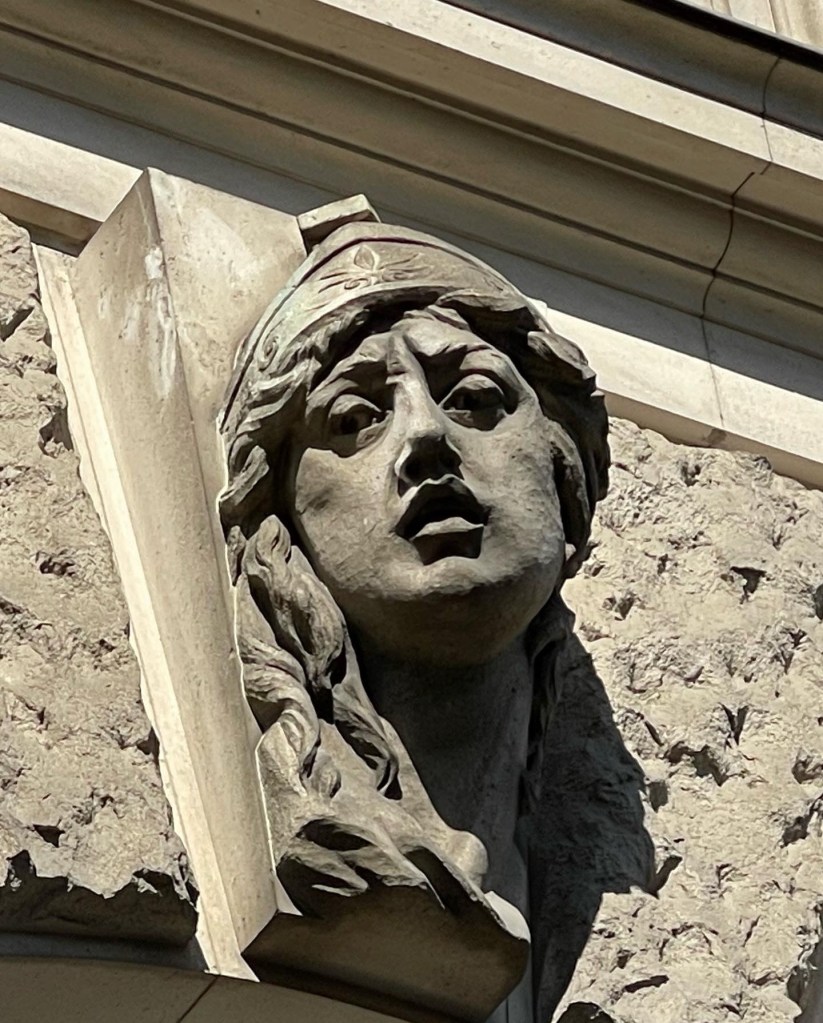
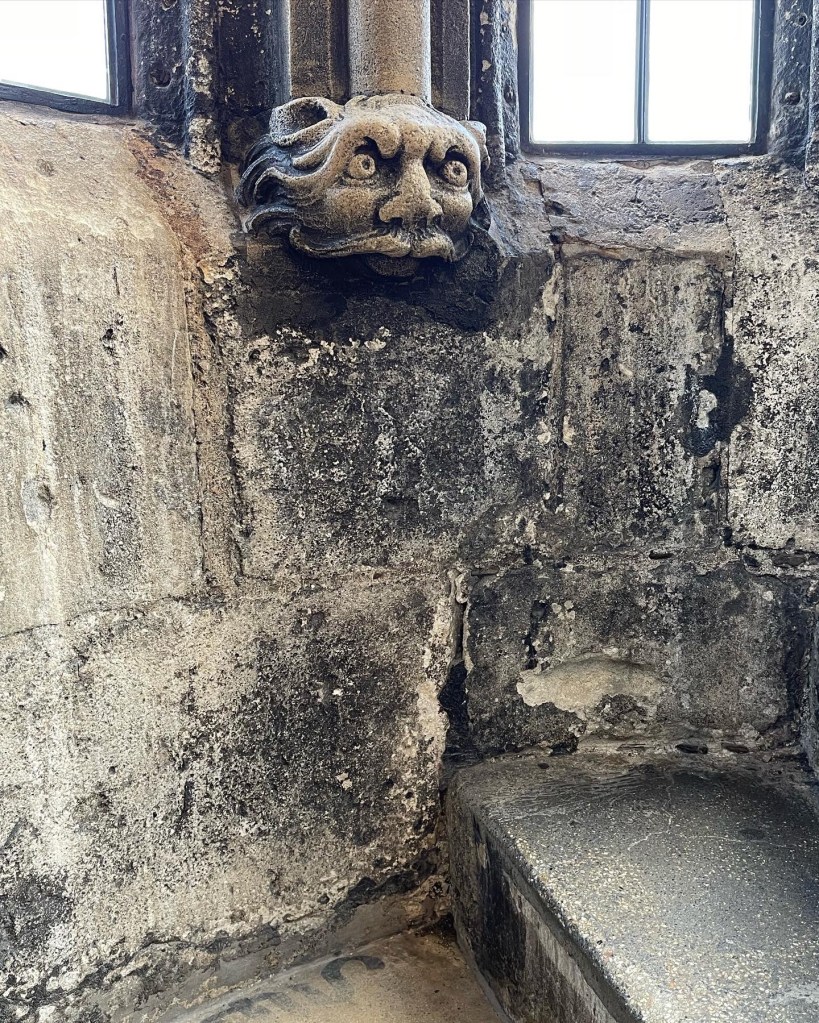
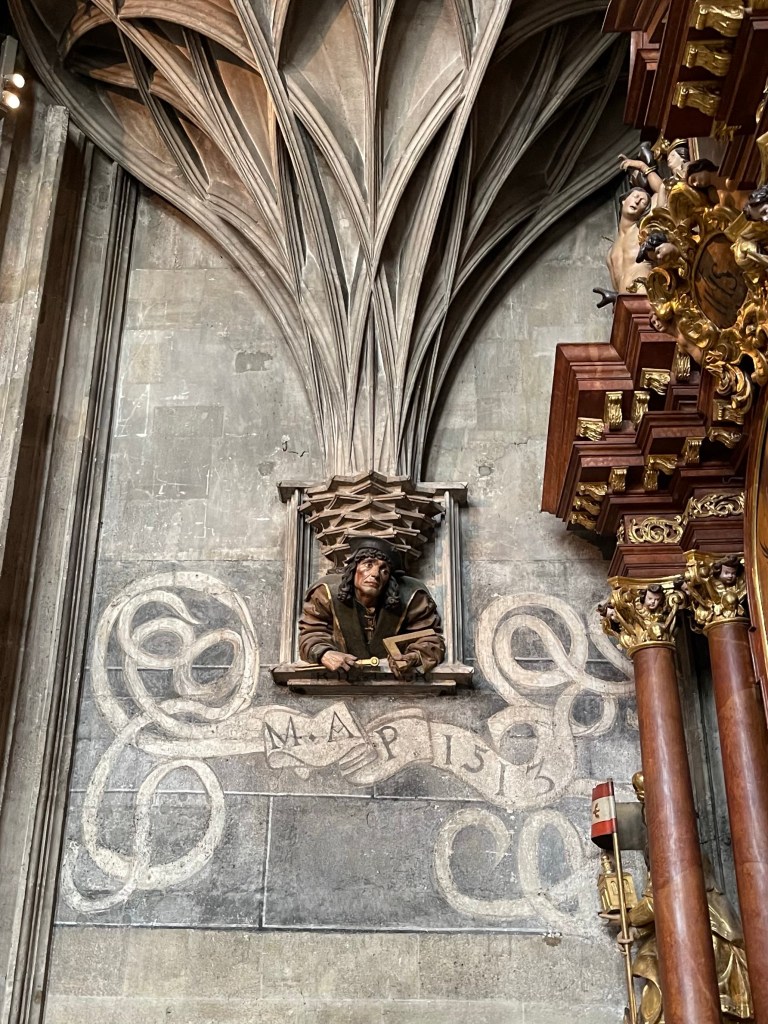
    All artists offers something of themselves in their work. Some artists literally create something of themselves within their art. Plenty of artists through the years have hidden their own face in their greatest works, that those in the know may delight in finding them. At St. Stephen’s Cathedral in Vienna, you can smile at the face of sculptor Anton Pilgram smiling back at you. Knowing that these Easter eggs exist, we may delight in seeing them again as if for the first time.

    Life is full of Easter eggs for us too. We have our symptoms, habits and associates that lead us into trouble or salvation. Sometimes the future is hiding right in plain sight, just like one of those Agatha Christie novels. We ought to be better at seeing the signs, that we may steer towards a safer course. Life isn’t a game, after all. But you saw that conclusion coming from the start, didn’t you?

  • Finding Soulfulness in Inefficient Places

    “Everything that feels soulful in life is inefficient. All the vacations that we find very soulful are inefficient places. The food that we really, really like and find soulful are inefficient to cook… maybe soulfulness is a function of chaos and inefficiency... It is impossible to imagine scaling in life without standardizing. And standardizing is the enemy of soulfulness.” — Kunal Shah, Interviewed on The Knowledge Project

    Don’t you feel the weight of truth in Shah’s words? Don’t we feel the lack of soulfulness in a “corporate” vacation destination versus the times we march to our own beat? Who seeks out a national restaurant chain for soulfulness and individual expression by the chef? No, we go to places like Disney World and Applebees for the predictability—good product delivered as expected. No need for translation or a Google search, it’s. just. as. expected. <yawn>.

    We all seek predictable when we can. Heck, I stayed at a Hilton in Vienna instead of a boutique hotel because I could use points and I knew there would be an iron and ironing board in the closet—because there is always an iron and ironing board in the closet of every Hilton property I’ve ever stayed in anywhere in the world. Sometimes you don’t need soulfulness, you just need to iron a damned shirt yourself.

    Contrast this my hotel in Castelrotto, Italy, where our room didn’t have a window but a skylight, no air conditioning or fan, uneven floors and a reception desk in another building down the street. The bell in the tower right above our heads through that open skylight would begin ringing at 06:00 sharp. And you know what? I loved it. The building was older than the United States, that bell was ringing long before I entered this world and the breakfast was a lovely spread of soulful local expression I’d never have found in a hotel chain. There’s something to be said for inefficiency too.

    So how do we create soulfulness in our own work? We don’t do it by parroting whatever business book we just read in our next meeting with coworkers or customers. And we don’t do it by following the corporate handbook to the letter (but don’t you dare stray a step too far). No, we create soulfulness when we find our unique voice in the process of turning chaos into order and eliminating inefficiencies. Ironic, isn’t it? But meaningful work isn’t chaotic, it’s expressive yet contributive. We don’t add to the Great Conversation by shouting over the crowd, nor do we help a company meet its quarterly objectives without following an informed policy or two.

    Here’s the twist: we find soulfulness in our work through routine. This isn’t standardization, this is disciplined dues-paying to reach a place where we might transcend the average. We write a million average phrases to turn one clever, soulful phrase that resonates. We refine widgets over and over again until something perfect emerges. Soulfulness is developed through routine but released through individual, and thus inefficient, expression.

  • Mastery is a Beacon

    “Besides, isn’t it confoundedly easy to think you’re a great man if you aren’t burdened with the slightest idea that Rembrandt, Beethoven, Dante or Napoleon ever lived?“ — Stefan Zweig, Chess Story

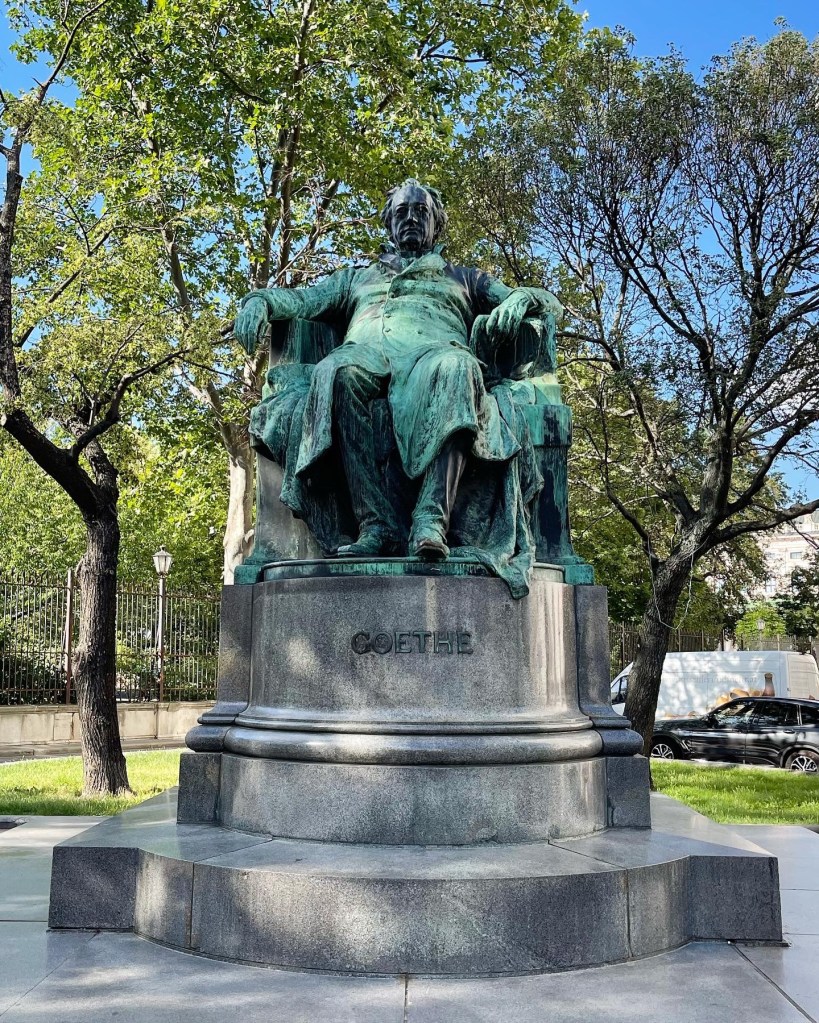
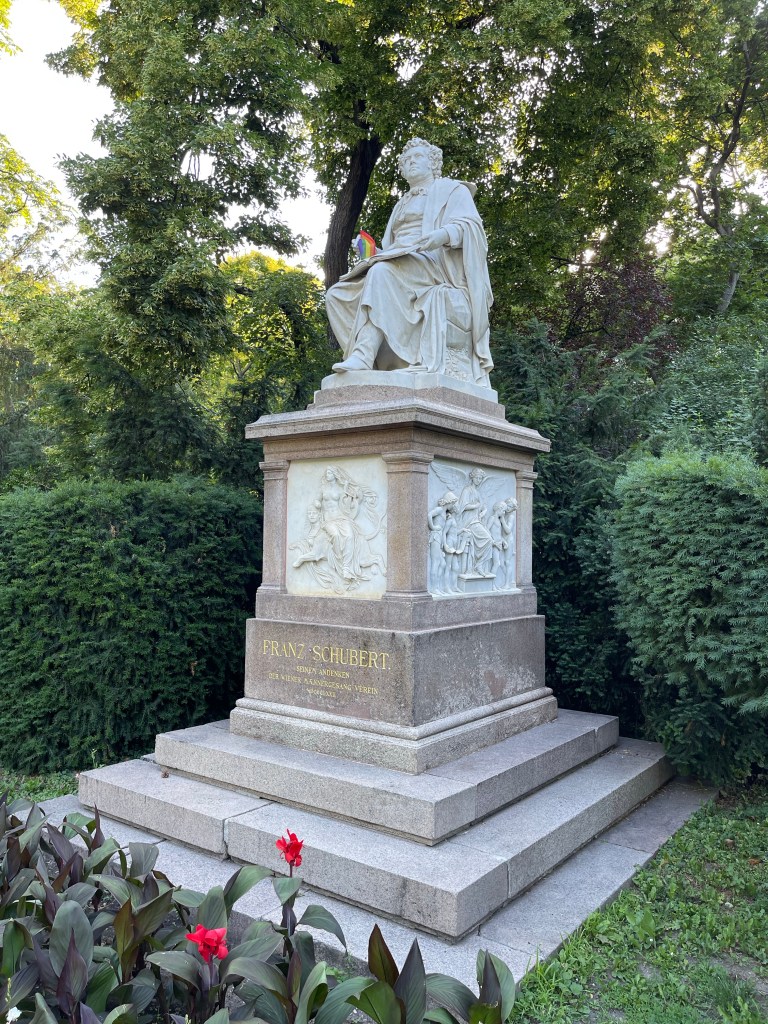
    My mind is still in Vienna as I write this—a city that’s had its fair share of high achievers walk her streets and contribute to humanity’s Great Conversation in their life’s work. Big names roamed those same streets, and you might feel a need to raise your game when you walk with that level of ghosts—I surely did. And shouldn’t we feel this compulsion to close the gap between the masters and where we currently reside?

    The world offers precious few brilliant shining stars. Most of us burn less brilliantly. And yet we burn just the same, and cast our own light on the darkness in the world. We may recognize that we aren’t quite at the level of a master in our field yet still have something to offer anyway. And knowing that there are more brilliant lights in human history, we may choose to stoke our fire—feed it with the fuel necessary to one day burn more brilliantly still.

    What provokes us towards greatness but comparison? We may never reach those levels, few do, but knowing there are heights we haven’t reached yet ought to inspire more. For mastery is a beacon.

  • Vienna, At Last

    Slow down, you crazy child
    And take the phone off the hook and disappear for awhile
    It’s all right, you can afford to lose a day or two
    When will you realize, Vienna waits for you?

    — Billy Joel, Vienna

    A traveler seeks magic in places big and small, and in mountains and cities alike. Two weeks of trains, planes and automobiles carried us to some of the most beautiful places in the region, but we had to come to Vienna before we felt our trip was complete. Maybe it was Billy Joel’s reminder that the city—the world— is out there waiting for us to stop the madness and seek out the magic that inspired a visit, or maybe it was a voice inside. Vienna, like Paris or Budapest or Prague remains a myth until you reach out and meet it.

    The first impression a visitor may have of Vienna is that the city is far bigger than one might expect. The larger city looks and feels like the working city it is. Cranes all over the horizon indicate it’s still growing, and quickly. But for all its bigness the Old City itself is very walkable.

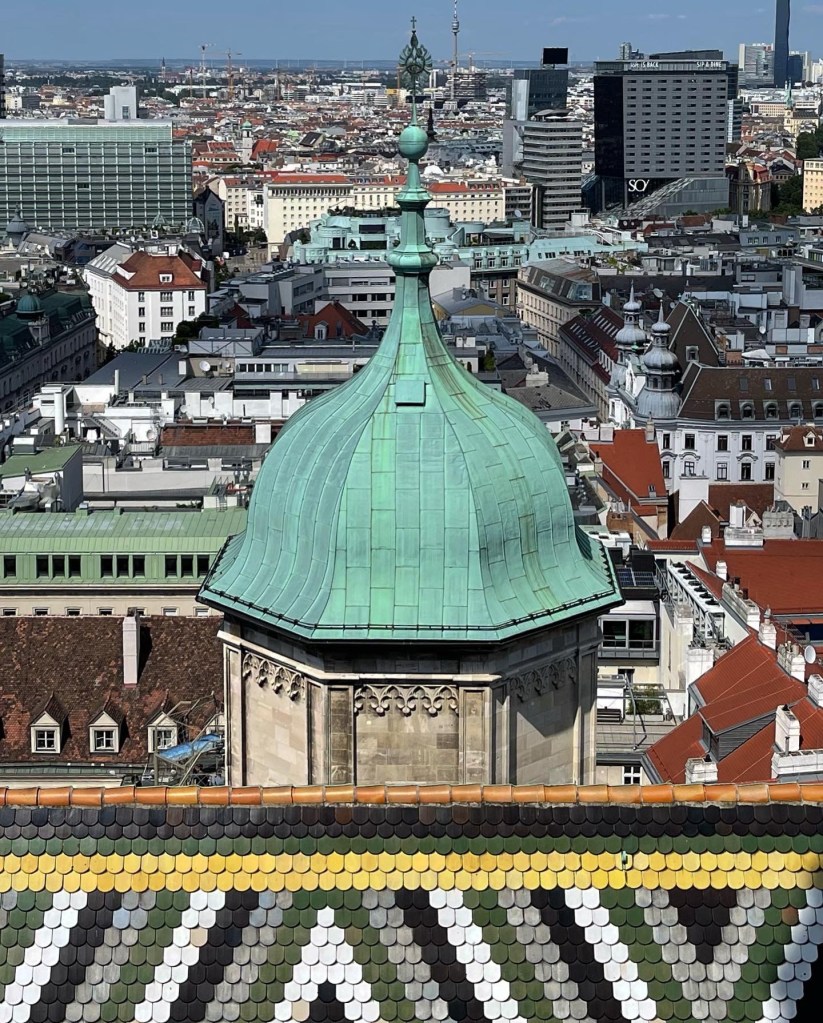
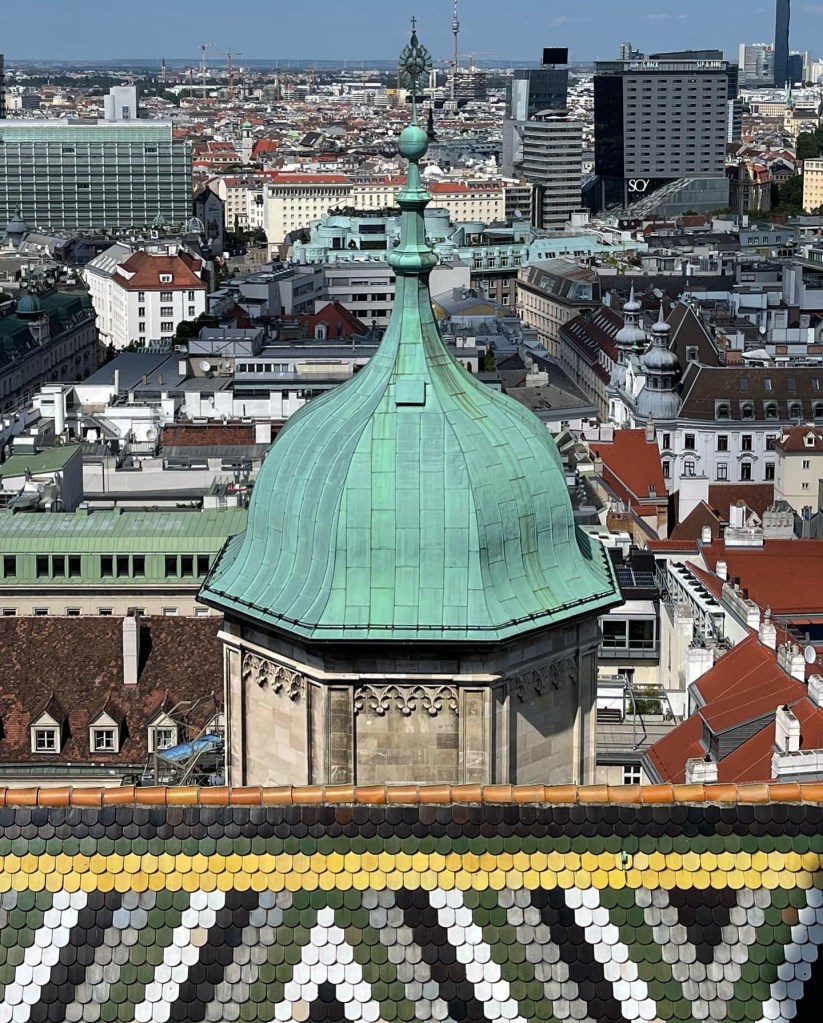
    Where do you go first when you visit Vienna? For me the choice was obvious: St Stephen’s Cathedral. Seeing the massive and ornate structure of the church itself was a goal, but climbing the 343 steps up the South Tower for the incredible views of the city was my underlying goal.

    Having seen the city from a high vantage point, it was time to find the details that make Vienna unique. One must walk an old city and find that which hides from casual visitors. This city offers something around every corner.

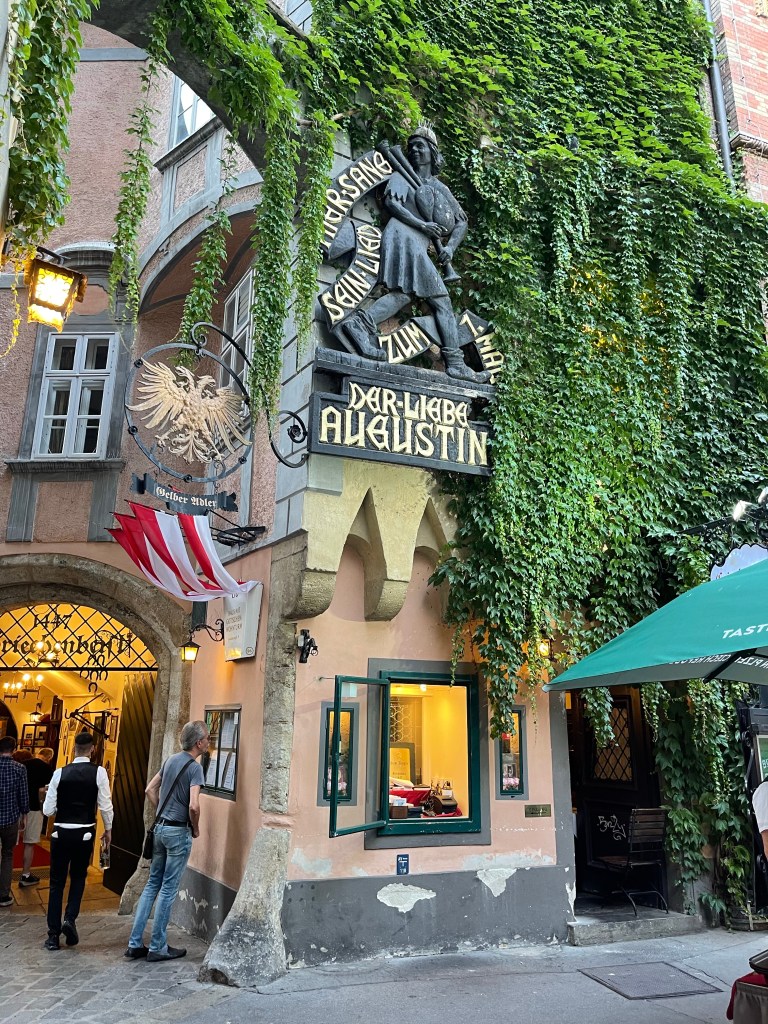
    When you’ve heard about Vienna your whole life don’t just skip across its surface like a stone, sink in! One should visit the palaces and museums and cafés to know Vienna, but you should also seek out the nooks and crannies where the place reveals its magic. Those who built this place leave a bit of themselves for us to discover, should we only look for it.

  • Courageously Memorable

    “All I insist on, and nothing else, is that you should show the whole world that you are not afraid. Be silent, if you choose; but when it is necessary, speak—and speak in such a way that people will remember it.” — Wolfgang Amadeus Mozart

    Taking the train between Salzburg and Vienna I’m reminded of Salzburg’s famous son, Mozart, who made this journey himself. Doing so launched his contribution to music and humanity to a level than it would have had he stayed home—a level of mastery very few attain in their lifetime. Sure, we know that taking this trip on its own doesn’t make us memorable, we’ve got to deliver the goods when we get there. Young Wolfgang delivered.

    Maybe that’s too much pressure for now. Maybe following in the footsteps of Mozart now might stir inspiration for later. We don’t accomplish great things without a rigorous apprenticeship and the courage to raise our hand when our time comes. Knowing when to raise our hand is as essential as knowing when to keep it down. Yet too many never get around to saying it’s our time. That shouldn’t be us.

    We sense when it is necessary for us to raise our game. We know when we can do more. The world may remain indifferent, but no matter. What matters is that we summon up the courage to rise up and do our very best to make our work memorable.

  • Silent Night

    Silent Night

    This year marks the anniversary of Silent Night, written and then composed to music two hundred years ago.  The history of Silent Night is making the rounds on various media this holiday season, so I won’t re-write it here, save for this brief Wikipedia intro: “Silent Night” (German: “Stille Nacht, heilige Nacht”) is a popular Christmas carol, composed in 1818 by Franz Xaver Gruber to lyrics by Joseph Mohr in the small town of Oberndorf bei Salzburg, Austria.

    It’s Christmas Eve in New Hampshire.  The nest if full, if only for the briefest of times, the presents are under the tree, the plans are made.  2018 was a tough year in so many ways, and many people who were with us at Christmas last year aren’t here this Christmas Eve.  Best to make peace with yourself and your neighbors on this holiest of days.

    Austria is calling me.  Vienna and Salzburg keep popping up in my life.  I work for a company based out of Salzburg and the whole Sound of Music connection to Stowe, Vermont (Trapp Family Lodge) has lingered in my imagination for some time.  Vienna is the title of a Billy Joel song that keeps reminding me that Vienna waits for you.  The Geography of Genius and Cultural Amnesia have both informed me of Vienna’s place in our cultural history and the fragility of Humanism and Intellectualism in the face of the rise of Nazi Germany.

    A popular bumper sticker this year seems to be the “Resist” slogan.  It’s a reaction to Trump and white supremacist groups feeling the courage to crawl out of the rock they live under in the last two years.  Trump is testing our democracy and the Rule of Law like no other President in American history.  So resist, but know your history and what happens when you don’t resist.  Blindly following a religious, political or military leader has consequences often not seen until it’s too late.  The best defense is strength and knowledge.

    On Christmas Eve, most of us want peace of Earth and goodwill toward men.  Looking back one hundred years to the meat grinder that was World War One, it’s easy to see what can happen when we let “leaders” power go unchecked.  When I think of Silent Night I think of the story of the two sides in opposite trenches stopping the fighting on Christmas Eve and singing Silent Night.  The war would grind on and many more would die, but for that brief moment reason and goodwill took over.

    Silent Night, Holy Night
    Mindful of mankind’s plight
    The Lord in Heav’n on high decreed
    From earthly woes we would be freed
    Jesus, God’s promise for peace.
    Jesus, God’s promise for peace.