Blog

  • How’s the Weather?

    Yesterday it was 67 degrees in New Hampshire.  Today it’s 35 degrees.  I drove to Portland, Maine for meetings and was greeted by sleet and snow.  It’s April in New England.

    This isn’t the only place that has extreme swings in the weather, but I don’t live and work in those places.  When I booked meetings in Maine I had 50 degrees and sunny in mind.  Another lesson from Mother Nature.

    In general I don’t mind the weather.  I’d rather not be brushing the snow off my car after a lunch meeting in April, but since I don’t control the weather and chose to honor my meeting, why complain?  Stoic philosophy has a few core principles, and choosing how you react to things is a big one.  So it snows?  So it goes.

  • The Meeting of Two Eternities

    It is true, I never assisted the sun materially in his rising, but, doubt not, it was of the last importance only to be present at it. – Henry David Thoreau, Walden

    “I have been anxious to improve the nick of time, and notch it on my stick too; to stand on the meeting of two eternities, the past and the future, which is precisely the present moment.” – Henry David Thoreau, Walden

    I’ve come around to Walden once again.  Thoreau to me has always been a distant cousin.  A kindred spirit.  A guy on the short list of people in history I’d have a beer or two with.  Some people just speak more clearly to you than others.  To pluck these two magnificent quotes from the same page of Walden demonstrates this.  Thoreau has spoken to me off and on for years.  The “off” years were solely my own distraction.

    It’s Sunday.  The beginning of the week.  I’ve missed today’s sunrise so I posted a picture from the last sunrise of 2018.  Sunrises infer a new day, and a fresh start.  But it’s also the sharpened edge of the past and the present, of the two eternities.  Isn’t that our lives as well?  We’re all witnesses to the present.  I’m particularly focused on what came before me, and look ahead with optimism to the future, but if I’ve been anything over the years it’s tuned to the now.

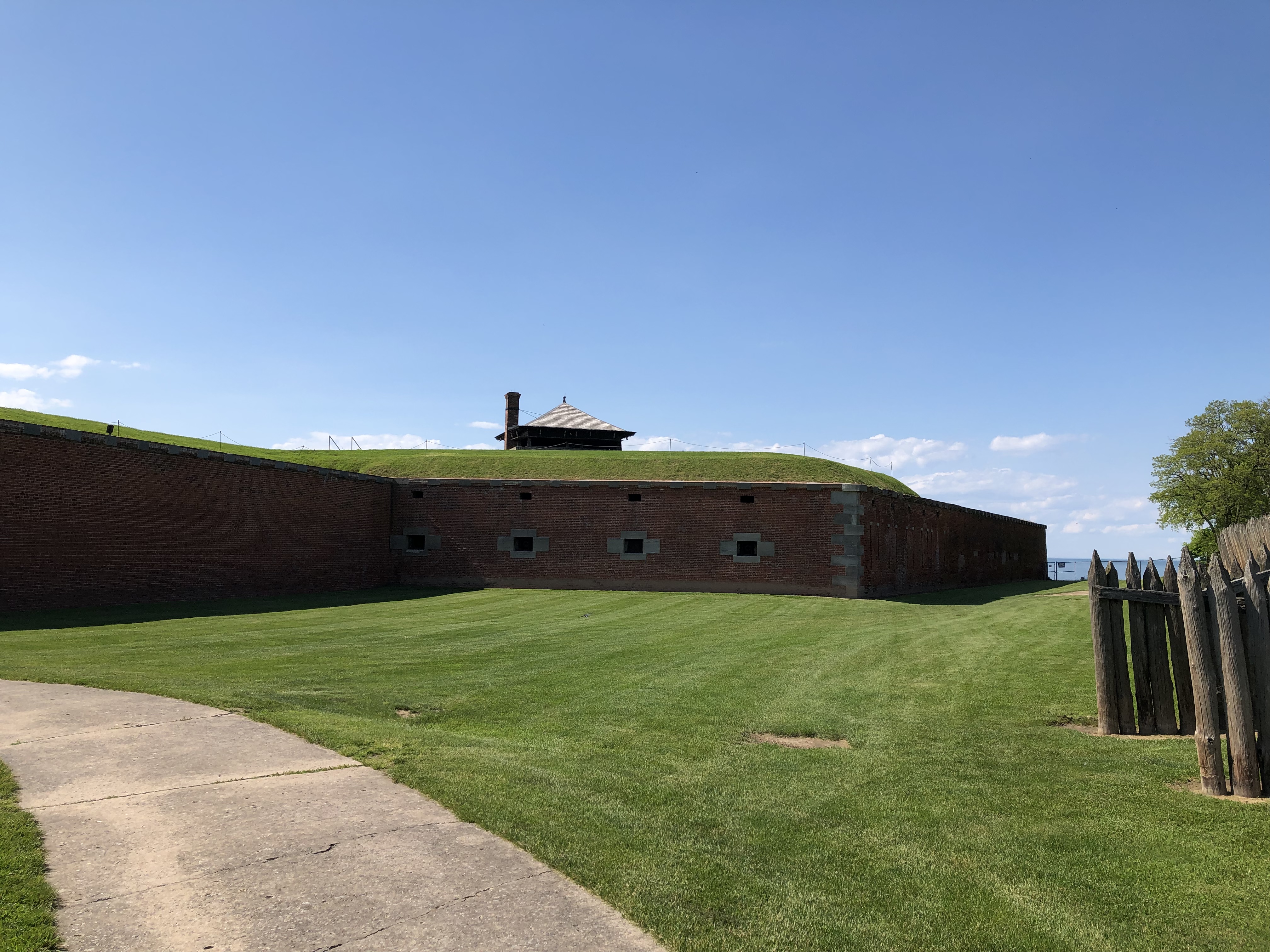
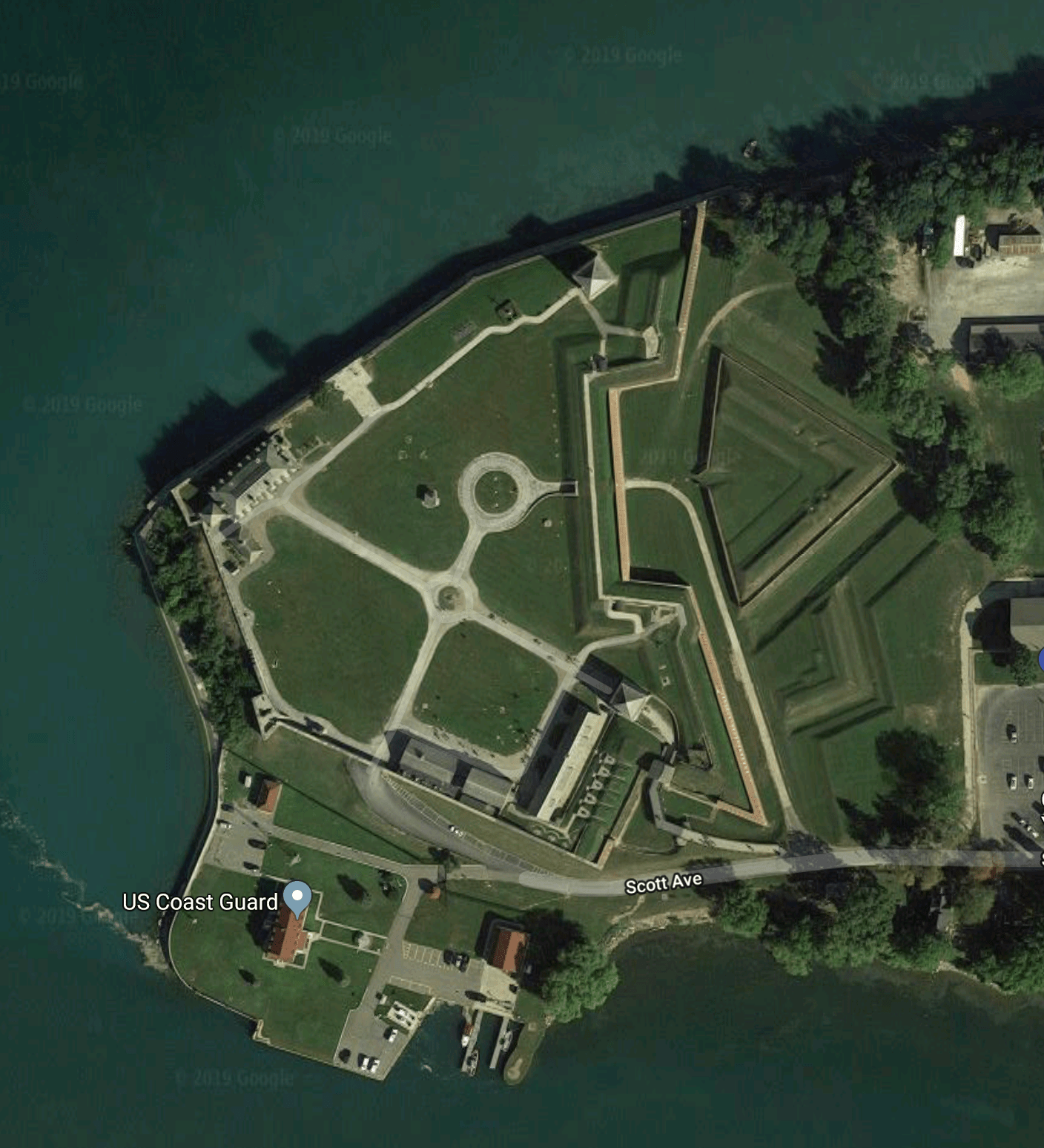
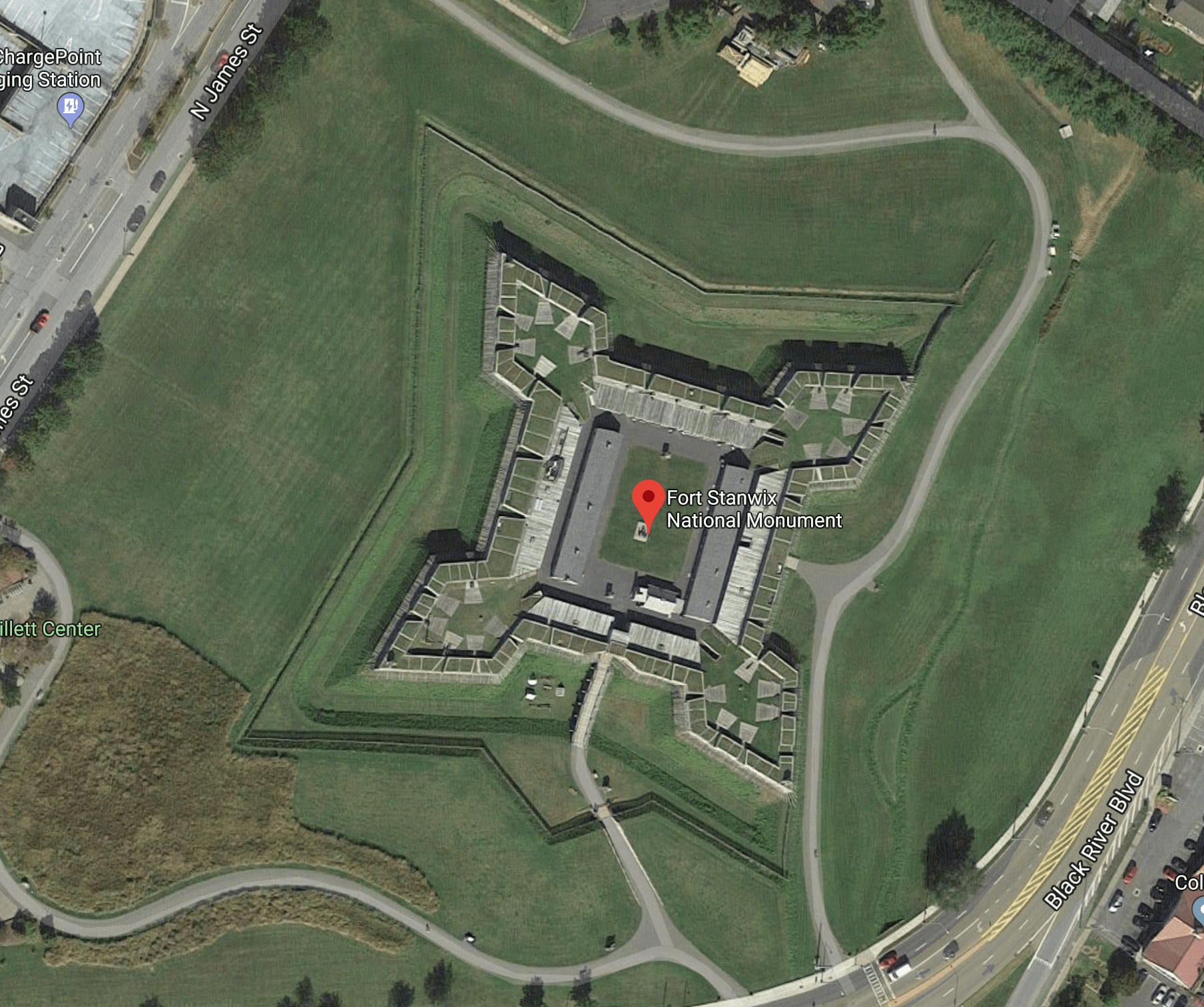
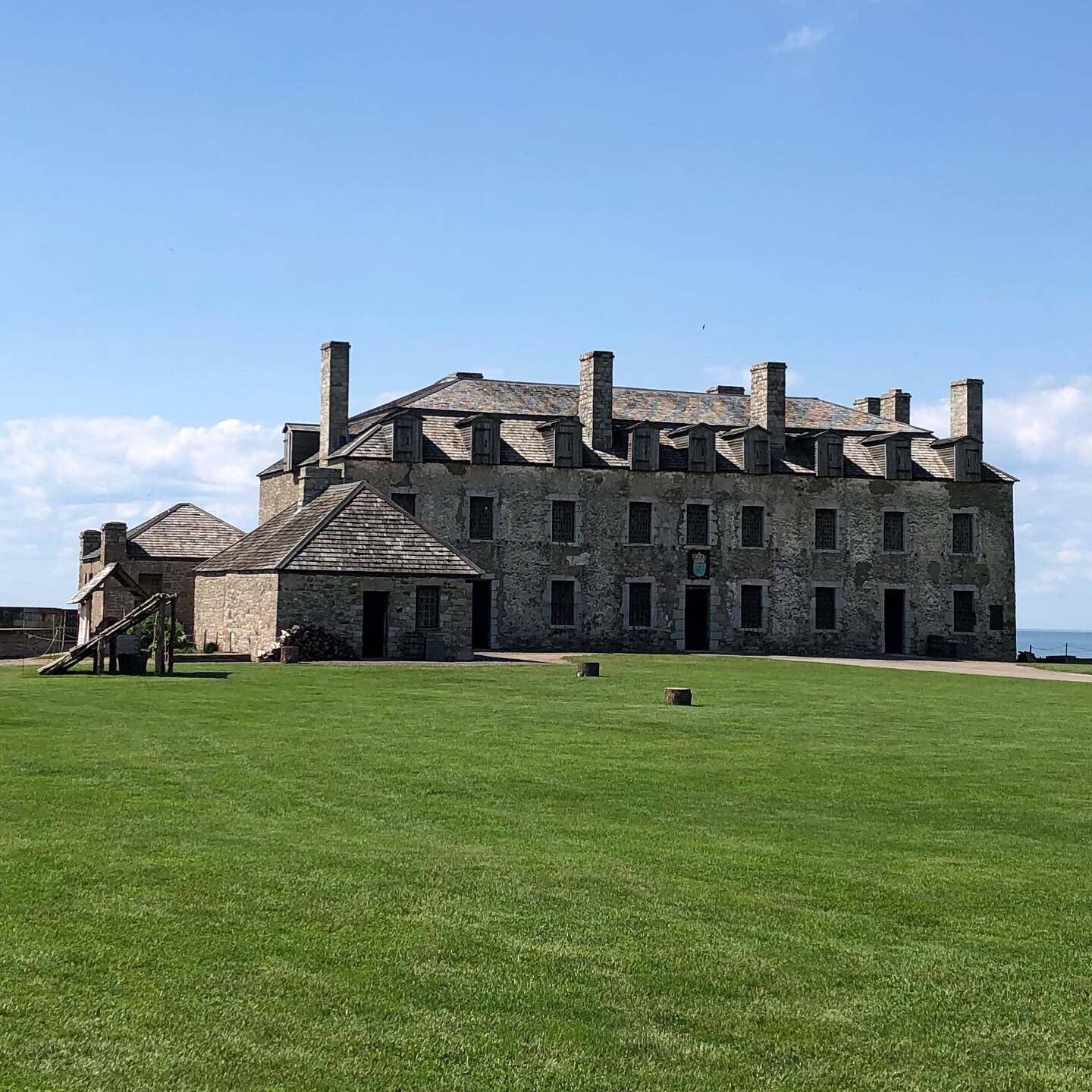
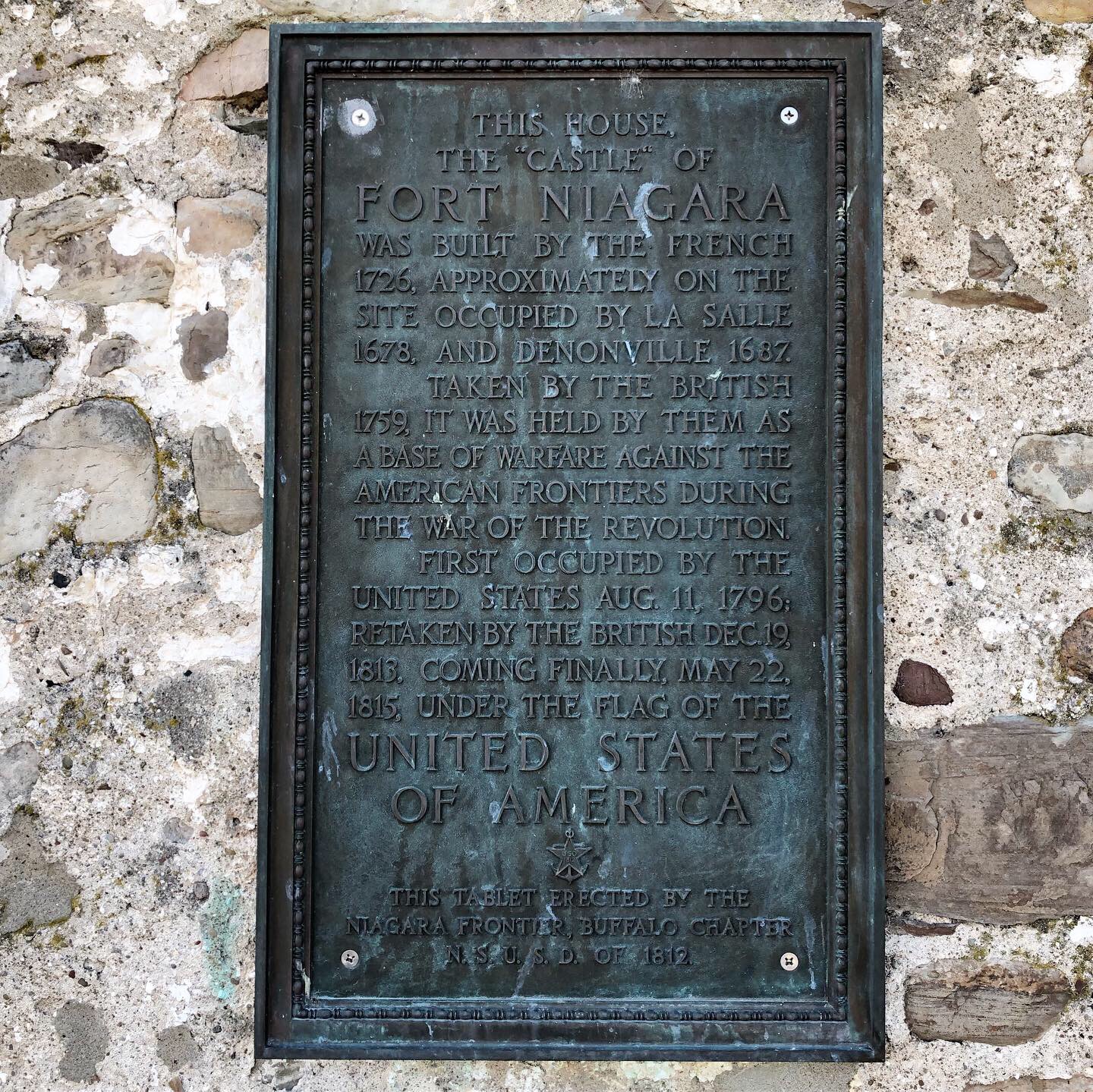
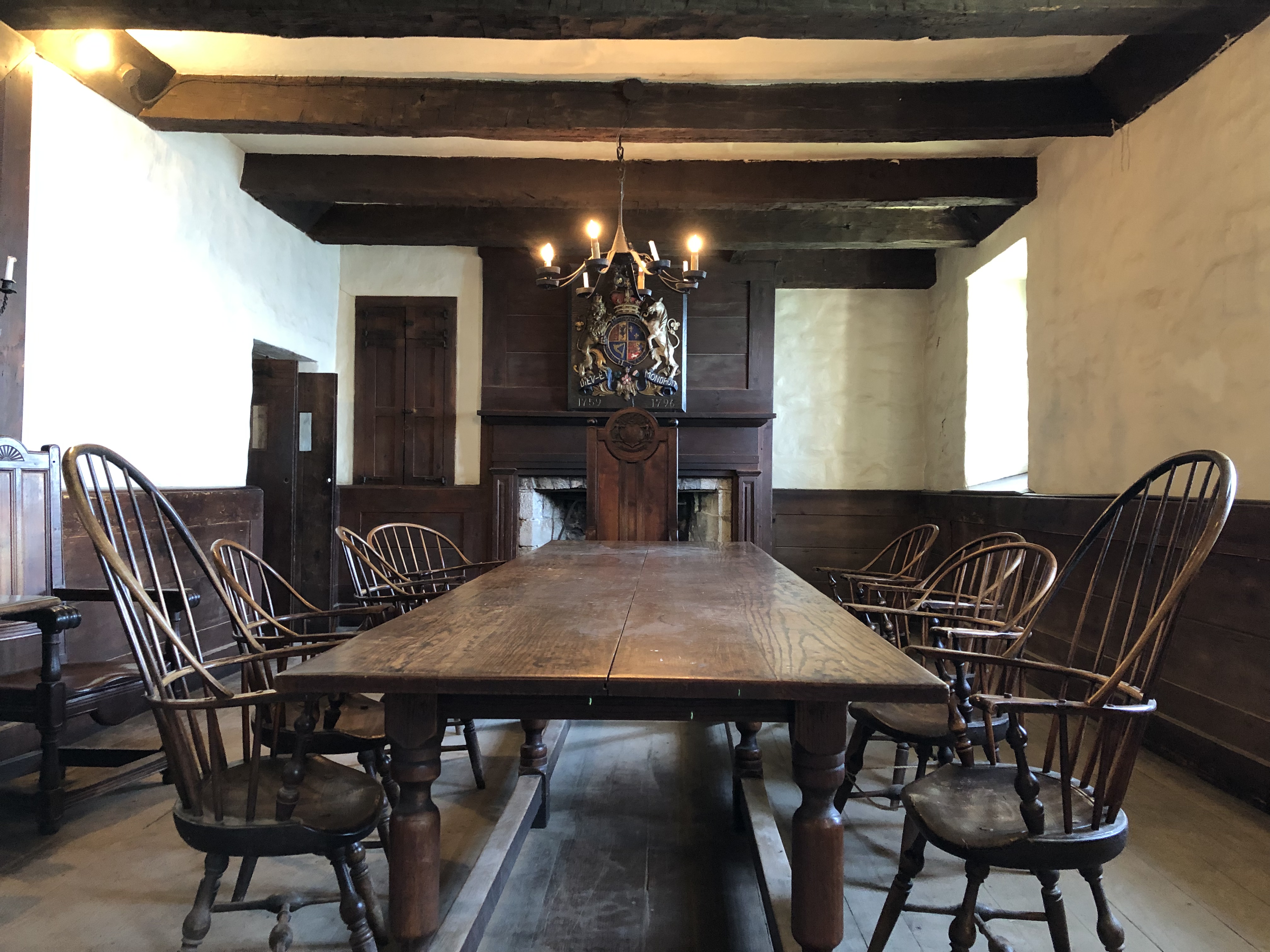
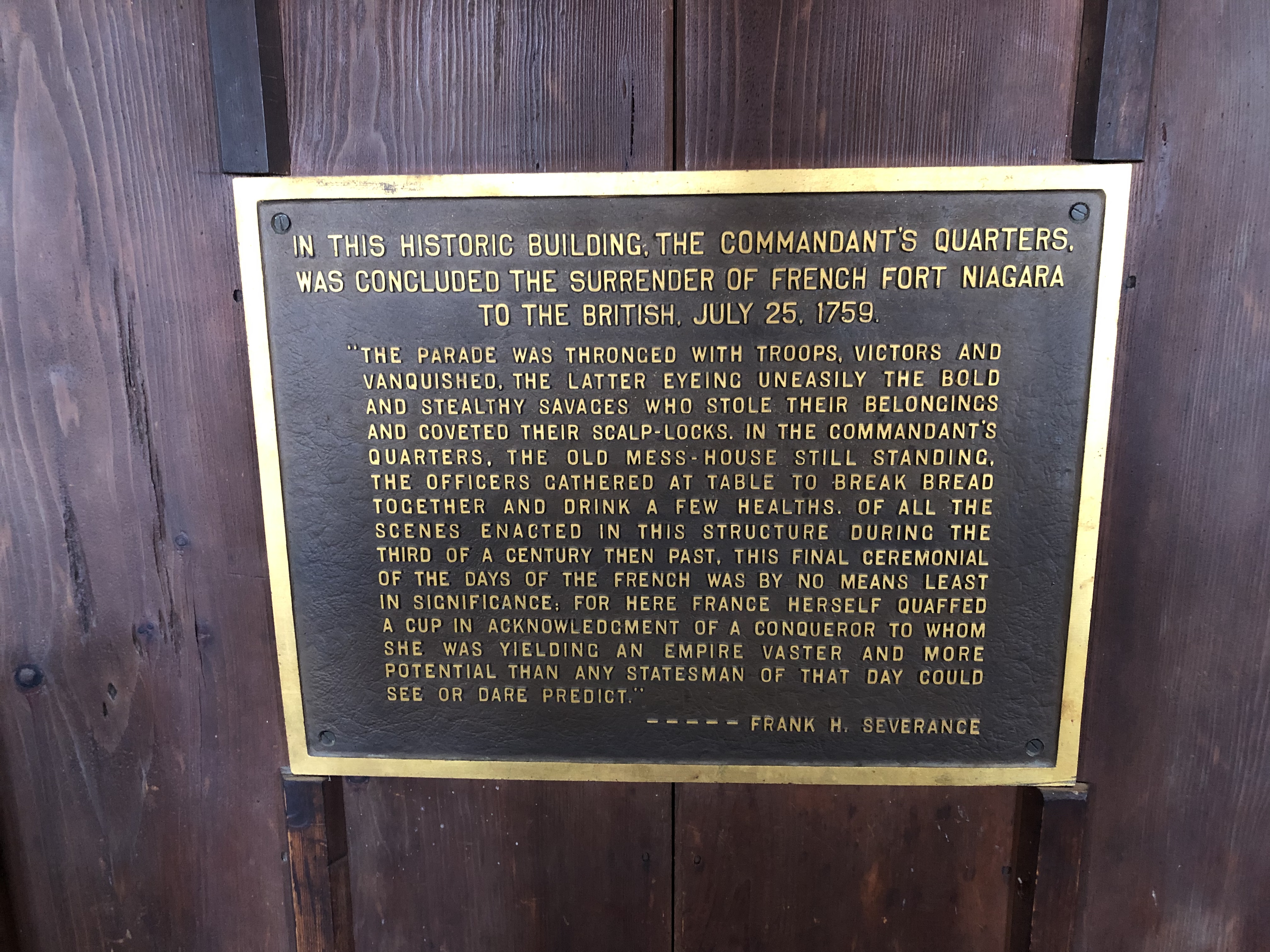
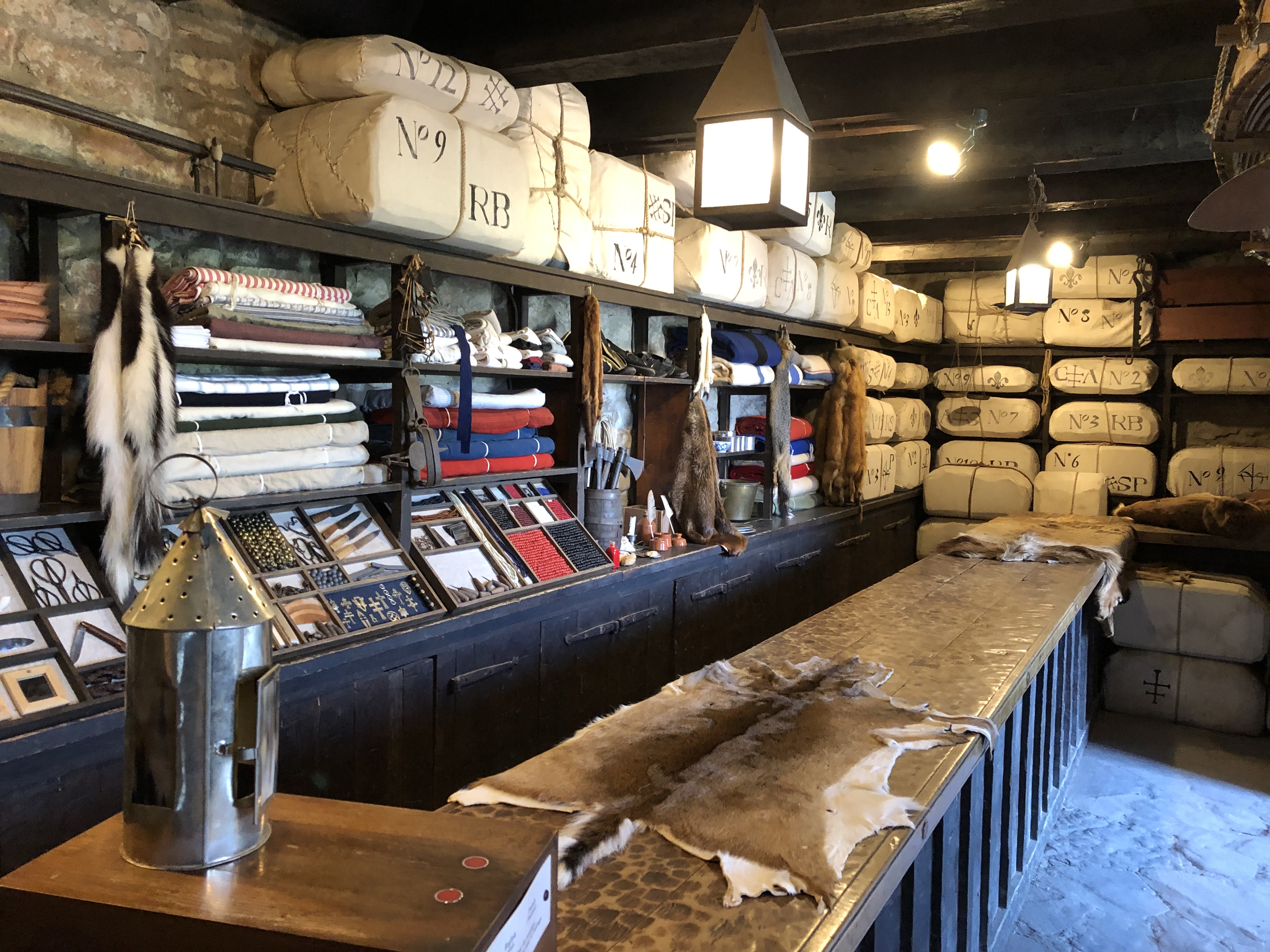
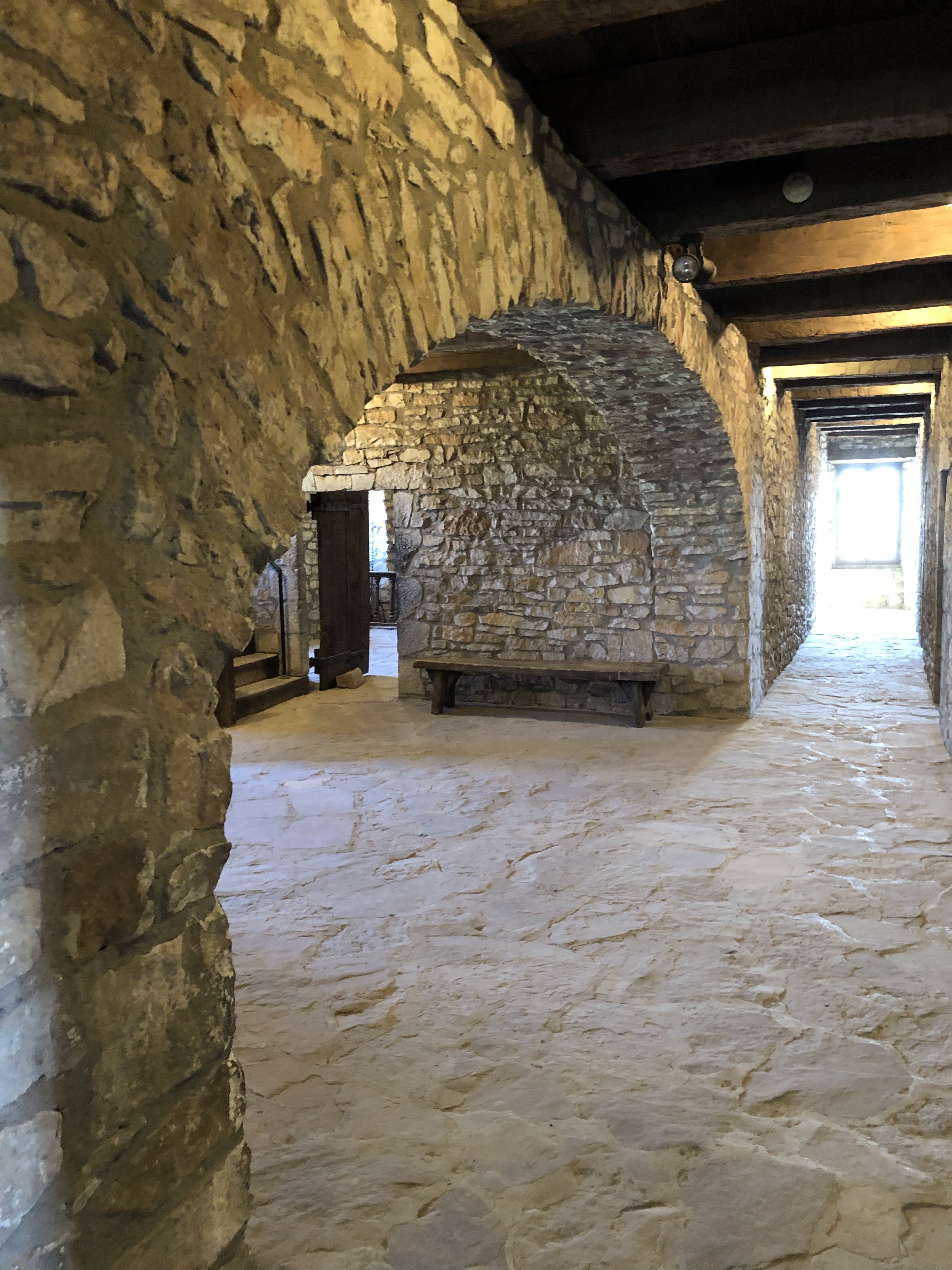
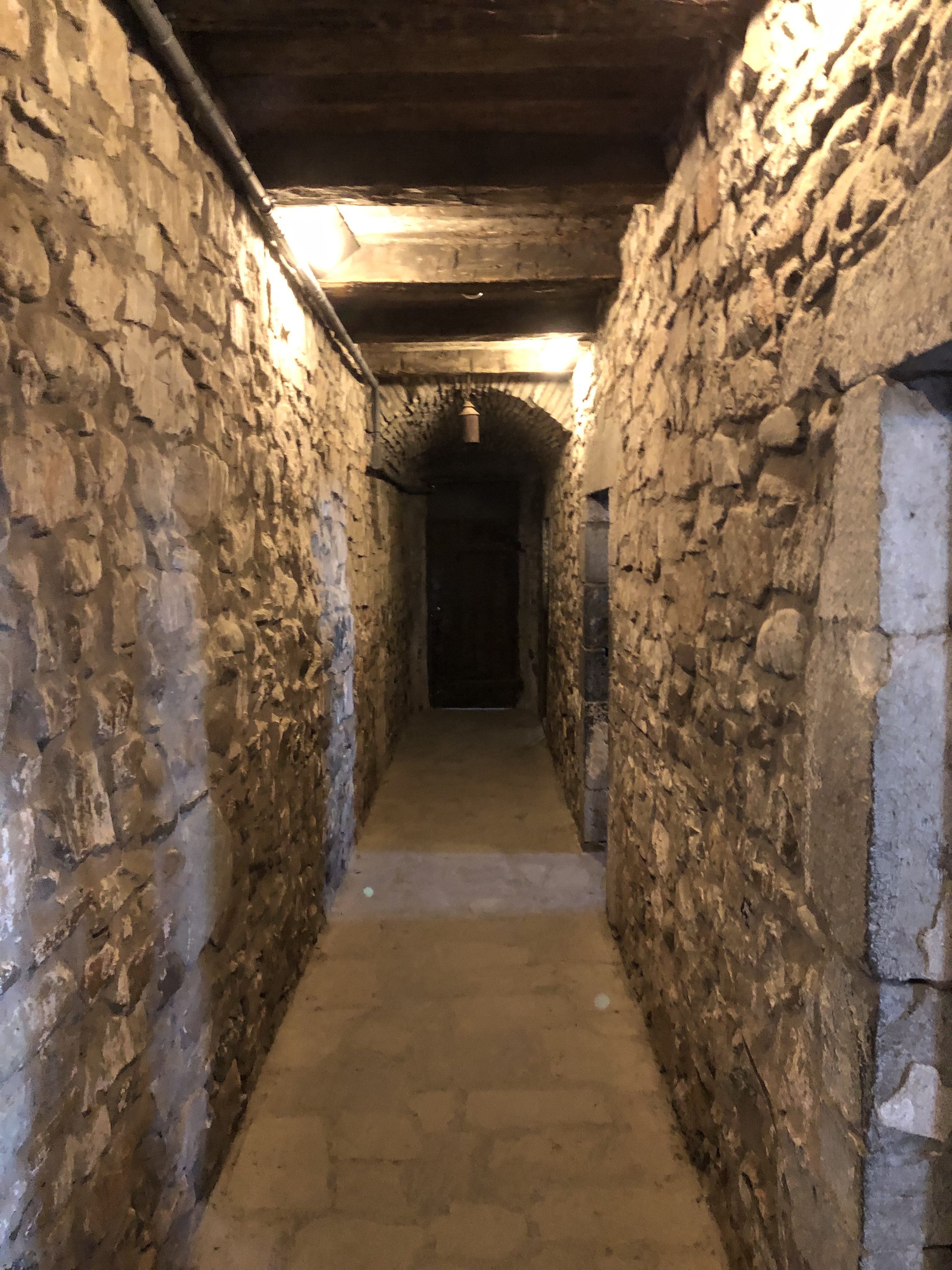
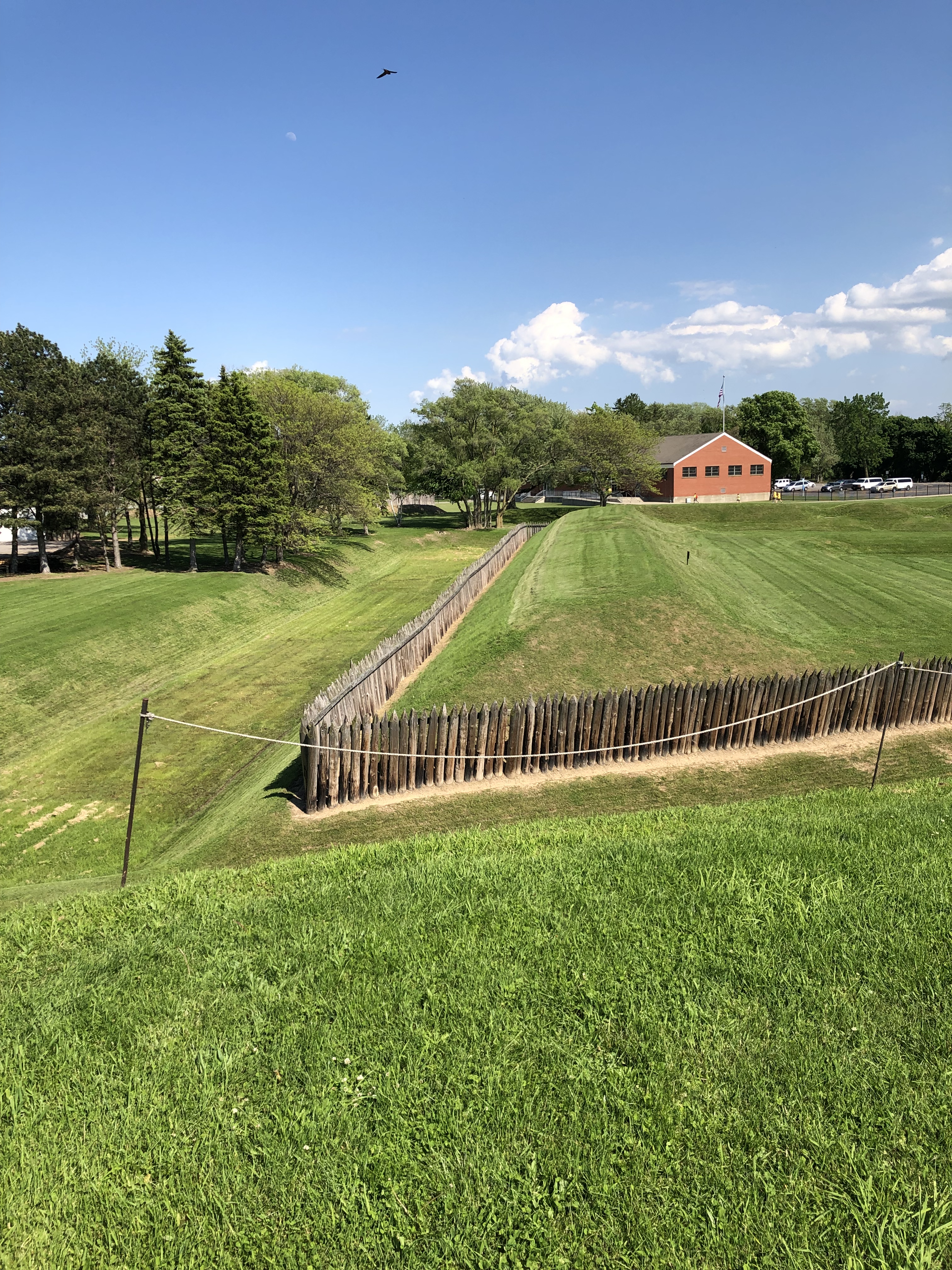
    Thoreau was an acute observer of the moment, but also an acute participant in the moment.  I aspire to be the same.  Writing helps with observation, as it forces you to notice things.  I’ve noticed more things since I’ve been writing this blog.  I’ve learned to listen to the voices around me, but also the landscape.  Participation comes with observation.  To see the sunrise you’ve got to get out of bed.  To walk through an old French fort from the 17th century you’ve got to know why it matters, where it is and then go to it.  To be a good father or friend or spouse or son you’ve got to be present in the lives of those who identify you that way.

    Observation doesn’t lead to participation, you’ve got to have the drive to do what must be done.  The floor is dirty?  Clean the floor.  A friend needs a shoulder and an ear?  Offer both freely.  The pipeline needs to be filled?  Make more sales calls and move opportunities forward.  Participation requires action.  Being an observer of life doesn’t equate to living.

    So I’m re-reading Walden.  I know already that I’m going to get more out of it than I did when I read it as an unfocused nineteen year-old.  The words didn’t reflect back to me quite the same way then.  But it meant a lot even then.  And more so now.  Everything has its time.

  • New England Gold

    This morning I was rowing on my erg in the basement.  As I usually do, I took off my gold wedding ring, did my rowing and then slipped the ring back on.  I was struck first by how cold the ring was when I slipped it back on, but then how quickly heat conducted back into the ring and warmed it back to my body temperature.  Gold is one of the best conductors they say, and this was my own little experiment that proved it.  It makes gold an attractive material for PC boards, but also for jewelry.  I carry to bits of gold with me, the ring on my finger and somewhere deep in my finger a small gold splinter from when I inspected PC boards for Hewlett-Packard as a summer job in college.

    People don’t think of New England as a great place for prospecting for gold.  That’s something you hear about our west, where the mountains are higher and younger and the gold veins run fat and deep.  Not so much in New England, where our mountains are much older and veins of gold aren’t prevalent.  But there have been a few gold strikes in this region that have caused minor rushes.

    Lyman, New Hampshire had a minor gold rush in the middle of the 19th century at the old Paddock Mine.  There are still enthusiasts who hike into the woods there and pan the streams looking for granules of the evasive gold.  As with everything there are those who would invest heavily in the process, and instead of panning for gold they bring motorized dredges into the streams that disrupt the integrity of the stream and create a lot of noise.  New Hampshire allows panning for gold in streams on public land but you can’t bring a shovel into the stream with you to dig out the bed.

    Rhode Island had its own minor gold rush in 1738, but it too proved to be short-lived.  The Durfee Gold Mine in Providence County caused a minor stir at the time, and there are still people looking for gold in that area.  Vermont seems to have some minor gold placers in the Ottauquechee River.  Connecticut has some gold placers in the Farmington River and there will probably be people out there panning for gold in that river this year.  Massachusetts has gold placers in the Deerfield and Westfield Rivers, and likely in other Berkshire rivers that feed the Connecticut River.

    The trick is to actually find the stuff if you’re so inclined.  As with most gold prospecting, you have to ask how much is your time worth?  Time is a priceless commodity, and there’s just not much of a return on investment in panning for gold in a New England river.  It’s a bit too needle in a haystack random to be worthwhile.  Then again, I do buy a lottery ticket once in a while.

  • Matthew Thornton

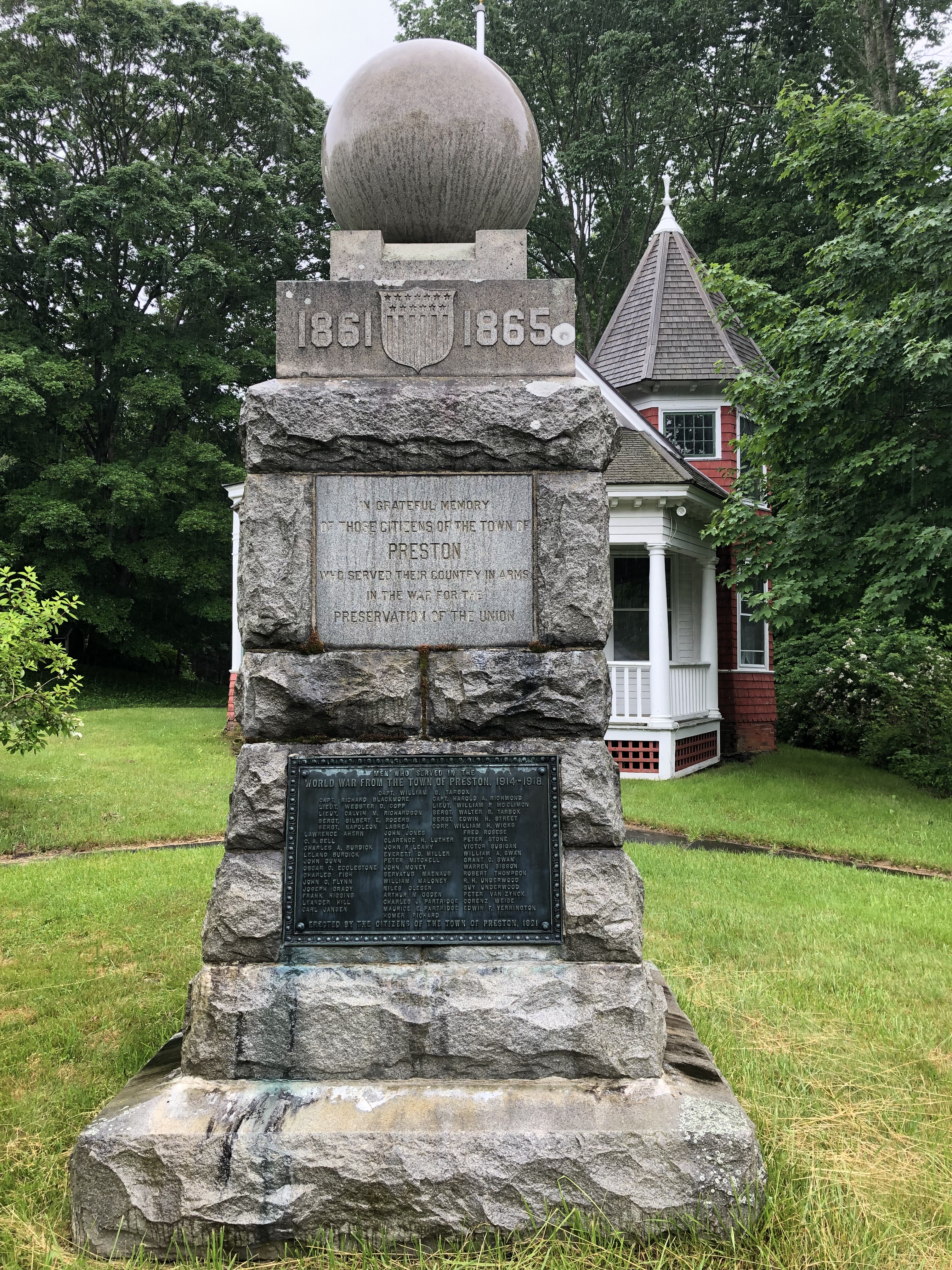
    Yesterday afternoon I was in Merrimack, New Hampshire between meetings and stopped at a coffee shop for a few minutes.  I passed the Common Man Restaurant, which having dined there I’d remembered as one of the oldest houses in the area.  I thought I’d like to go back to the Common Man to re-acquaint myself with the house.  Glancing across the street, I saw an old graveyard dated from 1742 with a tall monument with a red, white and blue wreath on it.  I almost crossed the busy street to look at it but the timing wasn’t good.  These are places I generally gravitate to and I made a mental note to come back to this spot sometime to get to know those who came before us a bit better.

    This morning I was reading my Kindle app on my iPad and decided to clean out some old screenshots I’d accumulated when reading online articles.  I came across an article on the Ulster-Scots that I’d found interesting and re-read it.  One of the people in the article jumped out to me immediately; Matthew Thornton.  Thornton was an Irish-born signer of the Declaration of Independence, representing New Hampshire.  More interesting.

    Thornton’s family arrived in Boston in 1719 with many other Ulster Scots.  They moved to Wiscasset, Maine (another place I’ve come to know) but fled the area when the Abenaki attacked their settlement and burned their home.  The family moved to Worcester, Massachusetts for some time before Matthew ultimately ended up in Nutfield, New Hampshire in what is now Merrimack.  He served as surgeon during the French and Indian War and participated in the attack on Fort Louisbourg in Cape Breton that changed the course of that war.  Thornton became the first President of the New Hampshire House of Representatives and the Associate Justice of the Superior Court of New Hampshire.  In 1776 he was elected to the Continental Congress and made his way to Philadelphia, where he became one of the signers of the Declaration of Independence.

    Thornton lived in the house that is now the Common Man.  It’s called the Signer’s House to honor him.  He died in 1803 in Newburyport, Massachusetts, but was buried across the street from his home in Merrimack, New Hampshire.  That’s the graveyard that was calling out to me yesterday.  So within 15 hours two random events pointed to the same man; Matthew Thornton.

    Yesterday afternoon I met with a friend of mine who is living along the Souhegan River in Merrimack.  I was struck by the rapids right in the backyard and commented on the Abenaki who probably had the same view, and the early settlers who came across this spot.  I didn’t know at the time that Matthew Thornton probably stood roughly in the same spot several times.  Once again, I’ve been dancing with ghosts…

    Postscript:
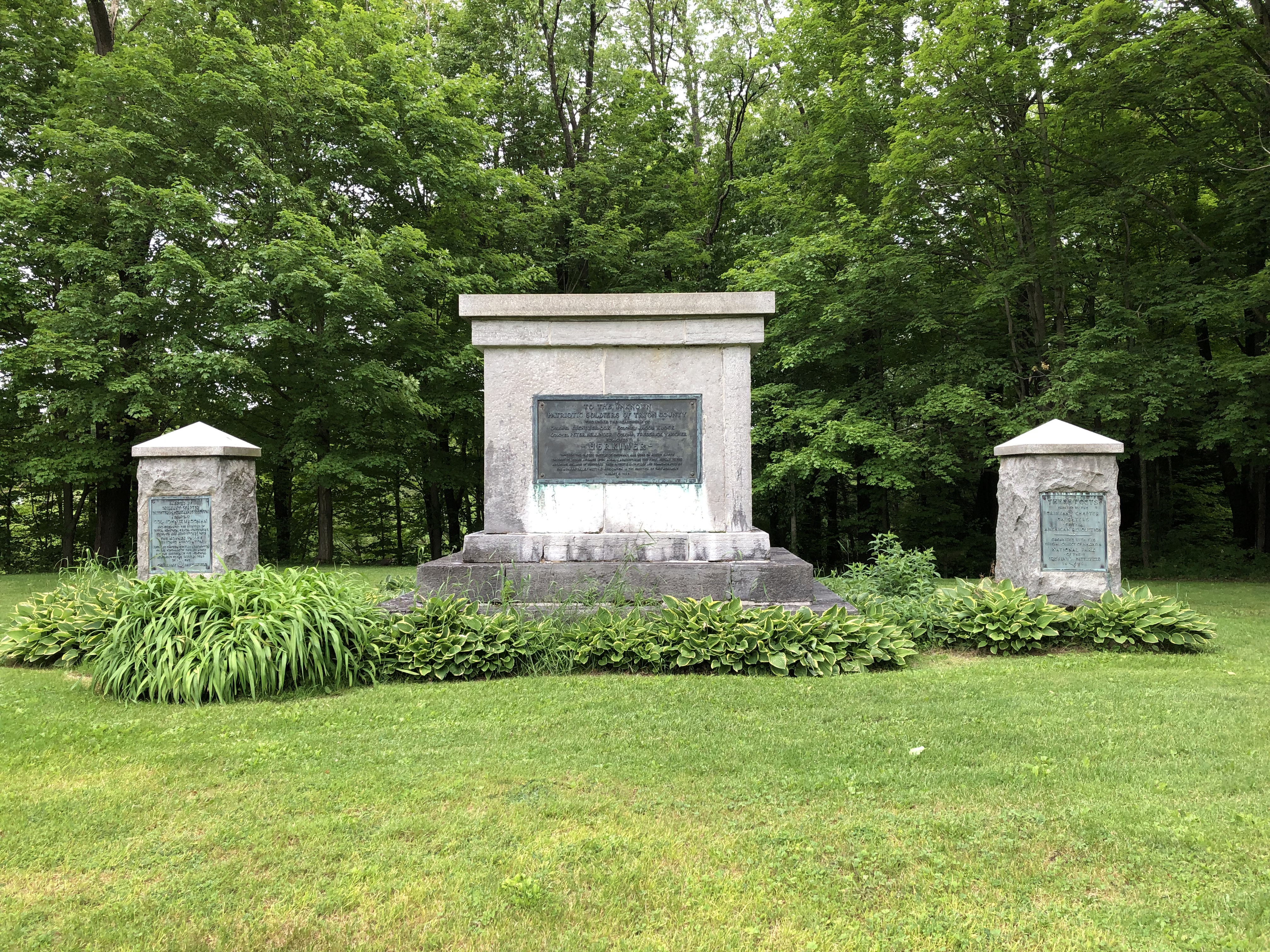
    Coincidently, I was driving through Merrimack again hours after I wrote this blog and decided to pull over to visit Matthew.  The monument was built to honor him by the State of New Hampshire, on a lot and foundation given by the town of Merrimack, to honor Thornton.  His gravestone is located roughly 50 yards away from the monument.  It was carved from white marble and flanked by American flags planted in the soil on either side.  His wife is buried to his left, and his sons to his right.  They all face the house that they once lived in.  I wonder which of them was calling to me when I drove by?


  • Merrill’s Marauders Bridge

    Route 3 crosses the Souhegan River in Merrimack, New Hampshire.  The bridge that spans the river in this place is called the Merrill’s Marauders Bridge, named after the Army Rangers who volunteered for “a dangerous and hazardous mission” behind enemy lines in Burma in World War Two.  The Rangers were led by Brigadier General Frank Merrill and accomplished some extraordinary things during the war.

    Marching a thousand miles through the jungle, Merrill’s Marauders attacked the flanks of elite, battle-hardened Japanese troops time and again.  This is not unlike the warfare that Roger’s Rangers conducted during the French and Indian War.  The Marauders captured a strategically important airfield called Myitkyina Airfield, disrupted supply lines and generally overcame vastly superior numbers to win critical battles against the Japanese.

    After the war, General Merrill became the Commissioner of Highways for the State of New Hampshire.  Apparently this bridge over the Souhegan River was his favorite in the state, and he and his Marauders are immortalized with the bridge now named for them.  I think Robert Rogers would appreciate it as much as Merrill’s Marauders did.

  • Bearded Bicycle Guy

    I was driving to an appointment when I saw something interesting.  A guy I’ve seen for years riding his bicycle around the town next to mine was standing in a Shaws parking lot with a big green trash bag and a hundred seagulls flying around him excitedly.  The source of their excitement was the bread crumbs flying out of the green bag as he lifted it, shook and twisted it.

    This man is well known in town, and I’ve known him as the bearded bicycle guy who rides up and down the major retail stretch between two towns in Massachusetts and New Hampshire.  I’ve assumed he was homeless, but maybe he’s just and avid bicyclist with plenty of time on his hands and a penchant for recycling bottles and cans.  Either way, he’s pretty harmless.  I suppose I could stop and ask him about himself someday, but I’m more likely going to just keep driving.  That probably says more about me than him.  We all have busy lives to live, and stopping my car for a moment to ask an apparent homeless man what his story is seems like more commitment than it’s worth.

    Bearded bicycle guy is different from me, but he wasn’t looking at all concerned about it.  So why should I be?  He’s just another guy marching through time, just like me.  The difference between us this morning is that he was the center of a storm of his own making, as a hundred gulls swirled around him for their feeding.  They obviously knew the drill well, and were as attentive as the gulls that follow a fishing boat as it heads back to shore with the fishermen cleaning the fish throwing scraps over the stern.  And he was clearly enjoying the moment as much as the gulls were.

    I’m not sure who is having a more successful day.  I’ve booked some key meetings, moved some projects forward, caught up with two guys I went to college with, worked out this morning and read a few pages in my book before I went to work.  It’s been a good day.  And yet bearded bicycle guy was having every bit as much fun, perhaps a lot more, than I was.  He may just do the same thing tomorrow too.

  • True North

    Feeling the need to go north.  Far north.  Labrador north.  Iceland north.  Pennan north.  Denmark and Sweden and Finland north.  Viking territory.  Inuit territory.  The kind of places that require commitment to get to.  As spring takes hold in New Hampshire and I’m dreaming of warmer days, I’m also thinking of these places.  Aurora Borealis north.  Tundra north.  Icebergs floating by north.  I blame Jacques for the icebergs, I hadn’t thought of them until he showed me how many were floating around out there.

    I just finished a renovation project in Pocasset.  I’ve checked one box and I’m looking at the bucket list of wanderlust places, and north announces I let another season go by without a visit.  Baseball and crocuses and opening the pool are here, and I’m thinking about going north.  Such is the life of a restless explorer.
    Shelving grand adventures for the moment, spring does bring with it opportunity for exploration locally.  Plenty of old forts and lighthouses and state parks to visit.  Plenty of opportunities for adventure right here in New England and New York.  North will have to wait a bit longer.  But not much longer.
  • The Old Worthen

    The oldest bar in Lowell, Massachusetts is today called The Worthen House.  Back when I was in college it was called The Old Worthen, and that’s still how I like to remember it.  If you walk into the place today you’ll find tables and a long bar that runs front to back.  The bar is essentially the same, but the tables were an addition after a fire gutted the old place.

    They say that Edgar Allen Poe frequented the place and wrote at least some of The Raven here.  More recently, Jack Kerouac and Allan Ginsberg drank at the Old Worthen.  That’s all fine and good, and as a history buff I appreciate those who came before me, but for me the Worthen was our college bar.  I spent my formative drinking years at The Old Worthen, and those memories are locked in my brain more than any class I took in college.

    Taking nothing away from the current place, back in the mid-1980’s The Old Worthen was a bit of a dump.  Wooden booths were jammed with hearty drinkers.  If you asked the bartender they’d give you a knife to carve your name into the walls.  We put away plenty of pitchers of cheap beer back in our day.

    The Old Worthen had a juke box.  For the life of me I can’t remember how many songs that juke box had, but there were five that always seemed to be playing.  My Way by Frank Sinatra, Mercedes Benz by Janis Joplin, Crazy by Patsy Cline, Tainted Love by Soft Cell and the hairspray rock anthem for somebody, Here I Go Again by Whitesnake.  That’s an eclectic mix of songs if I ever saw one.   The songs that were playing were usually determined by which table had the most quarters.  When we ran out of quarters somebody would jump in with hairspray rock.

    They say there’s a ghost on the second floor of the place.  I never saw a ghost in all the time I spent in that building, but then I never did get up to the second floor.  I like to dance with ghosts, as I’ve written about before.  But for me that doesn’t mean some spirit moving the plates around, it’s looking up at the leather belt driven ceiling fans and knowing I was looking at exactly the same thing that Jack and Allan were looking at 30 years before me.  A part of me lives on in the Worthen, as it does for thousands of others who walked through that front door.

    I’ve been back to the Worthen a couple of times over the years since college, but my time there is done.  The Worthen House belongs to the next generation of drinkers.  And just as the experience I had in the 80’s was different from the experience Kerouac had in the 50’s and Poe had in the mid-1840’s when he was living on the second floor, so too the experience is likely different for the generations that have come after me.  But I’m happy that it keeps on going year after year.


  • Yes… and especially, No

    I’ve been very deliberately cleansing my news feed.  I Believe that I need to be informed, see both sides of issues and get my news from multiple sources.  But there’s so much insidious outrage porn out there that I’ve become an aggressive editor to what comes at me.  This is not analogous to putting my head in the sand, I’m still aware of what matters.  No, this is self-preservation.

    It started with the obvious.  Don’t watch the local bleed it leads news.  Don’t listen to politic outrage radio.  Don’t listen to sports radio that only seeks less to infor, highlight and discuss as it does to mock, rage and complain.

    But digging deeper, it meant muting friends and family who post clickbate outrage.  Sifting out the people I follow on Twitter based on not just what they post, but what they like.  These likes end up in my feed whether I want them or not.  Thanks a bunch Twitter.

    This falls into the know what to say no to philosophy.  I’m getting better at saying no.  But also yes.  I’m following more long-form bloggers like Farnom Street and Brain Pickings.  I’ve been following Seth Godin for years.  Instead of being a slave to the radio I listen to podcasts.  And after talking to a friend I’ve decided to give Audible another go.  Other yeses are Instagram feeds from places I want to go, or go back to.

    Ultimately we become what we focus on.  In this world where everything demands your focus, saying no more seems to be the only way to move ahead.  No gives you more elbow room for yes.

  • Faraway Birds

    Up before the dawn, I grabbed my phone and walked down to the water.  These are my favorite moments of the day; to look out at the gray stillness and watch the coming of the light.  Sunsets are grand things that garner the most attention because their more accessible.  And I love a good sunset as much as anyone.   But sunrise is my time.

    This morning brought a pink and salmon sky and a chorus of thousands of unseen migratory birds saying “It’s time!  It’s time!” as they discuss their own plans for the day amongst themselves.  Today is March 30th, and the bay is still.  No boats, no planes dragging insurance company banners behind them, no social media buzz, no landscapers blowing grass clippings, no noise save for those birds.

    I didn’t stay for the sun to pop up over the horizon.  This time of year it’s hidden behind a spit of land jutting out from the Pocasset River.  The best show is well before that anyway.  But the full day is ahead of me, and soon us as the human world wakes up and drowns out the chorus of faraway birds.