Category: Art

  • Vienna, At Last

    Slow down, you crazy child
    And take the phone off the hook and disappear for awhile
    It’s all right, you can afford to lose a day or two
    When will you realize, Vienna waits for you?

    — Billy Joel, Vienna

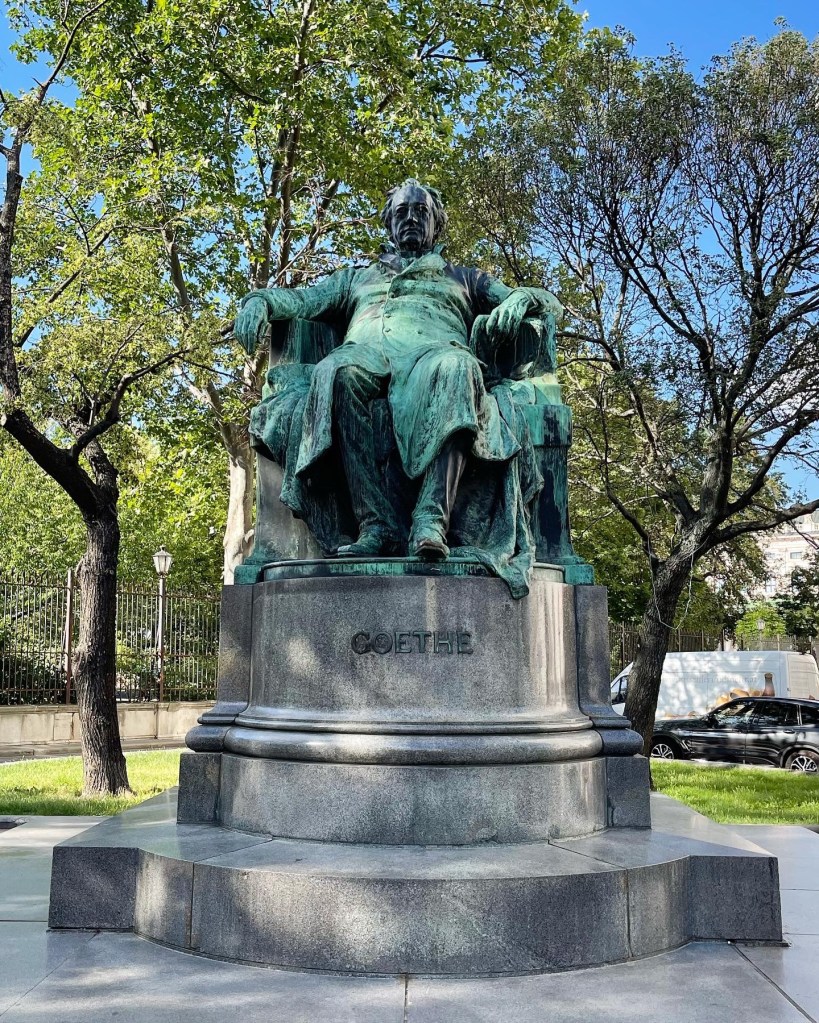
    A traveler seeks magic in places big and small, and in mountains and cities alike. Two weeks of trains, planes and automobiles carried us to some of the most beautiful places in the region, but we had to come to Vienna before we felt our trip was complete. Maybe it was Billy Joel’s reminder that the city—the world— is out there waiting for us to stop the madness and seek out the magic that inspired a visit, or maybe it was a voice inside. Vienna, like Paris or Budapest or Prague remains a myth until you reach out and meet it.

    The first impression a visitor may have of Vienna is that the city is far bigger than one might expect. The larger city looks and feels like the working city it is. Cranes all over the horizon indicate it’s still growing, and quickly. But for all its bigness the Old City itself is very walkable.

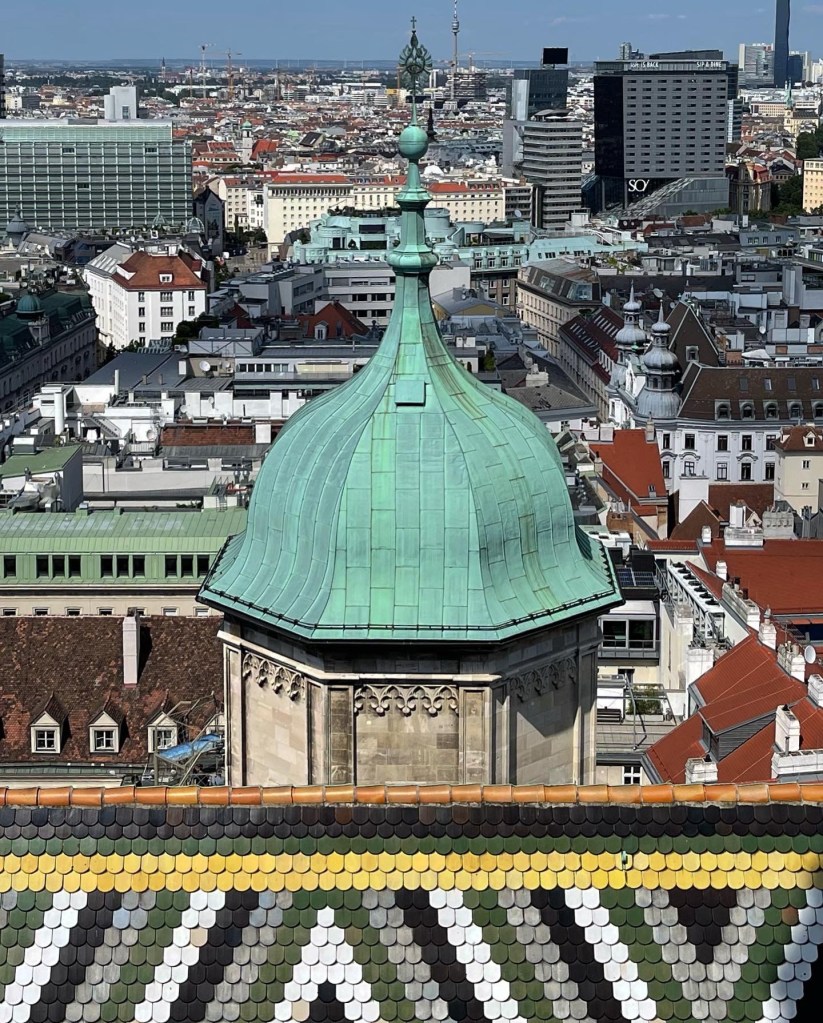
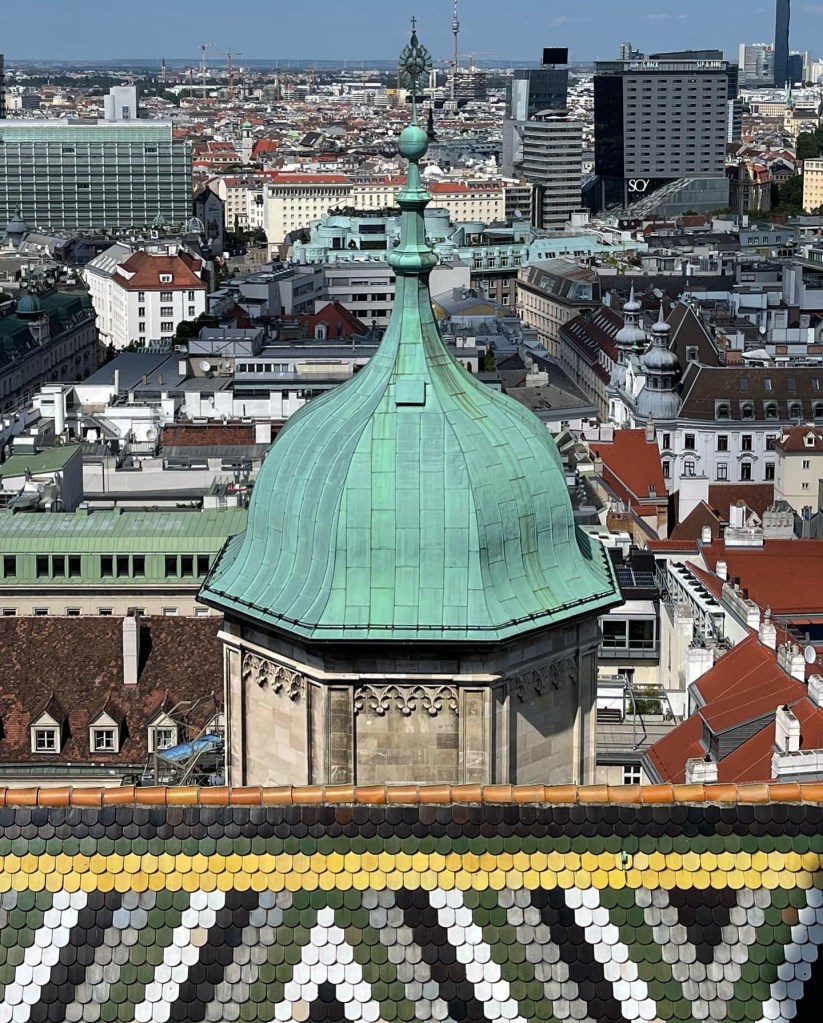
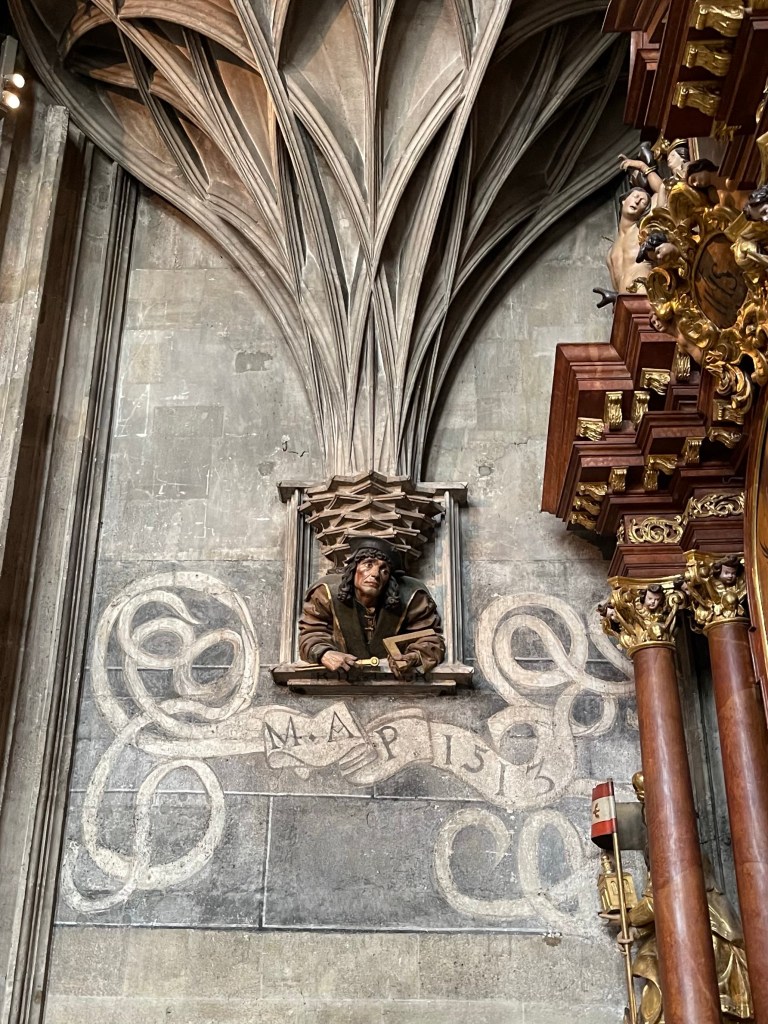
    Where do you go first when you visit Vienna? For me the choice was obvious: St Stephen’s Cathedral. Seeing the massive and ornate structure of the church itself was a goal, but climbing the 343 steps up the South Tower for the incredible views of the city was my underlying goal.

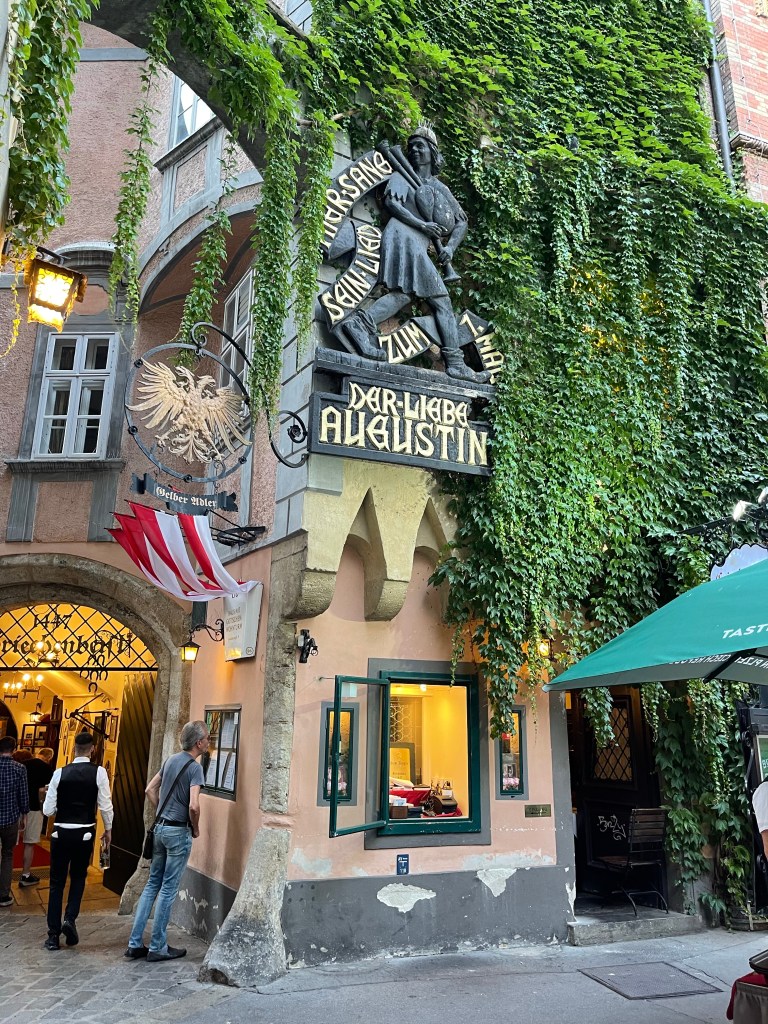
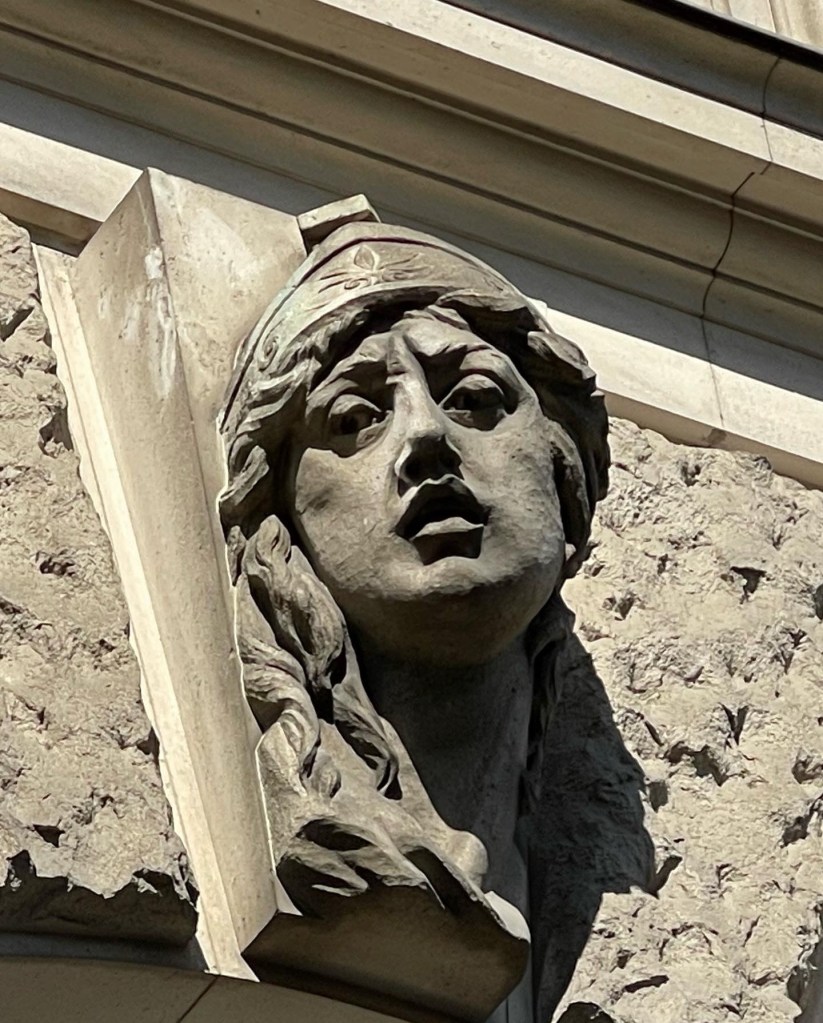
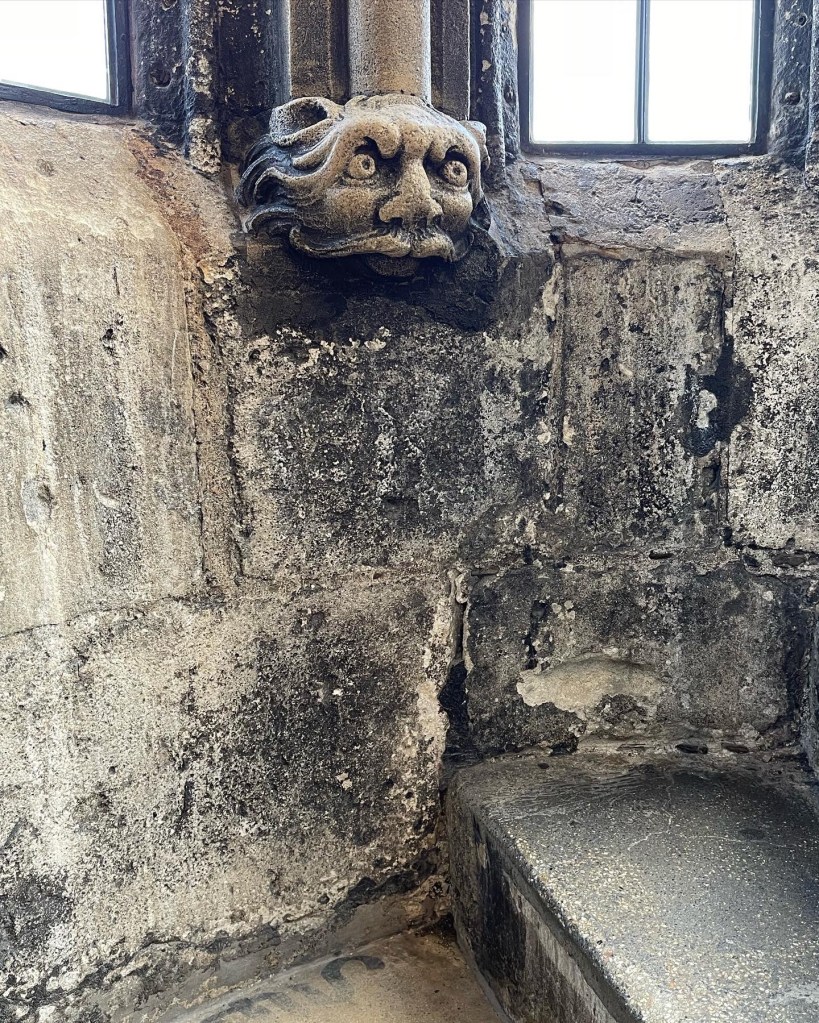
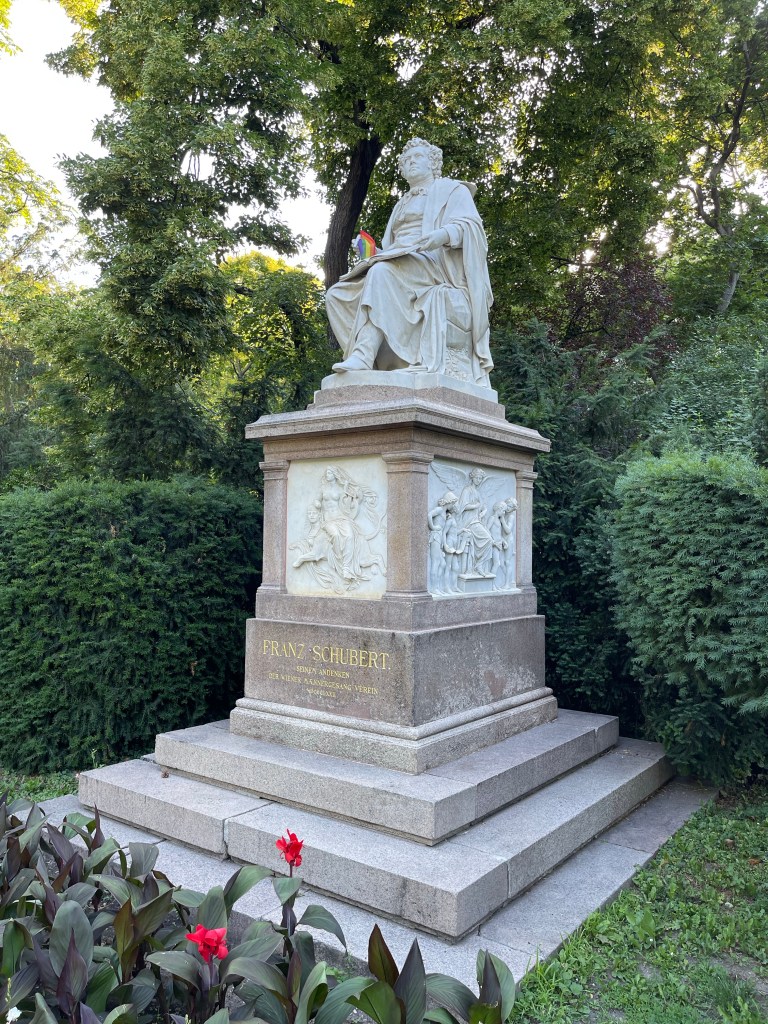
    Having seen the city from a high vantage point, it was time to find the details that make Vienna unique. One must walk an old city and find that which hides from casual visitors. This city offers something around every corner.

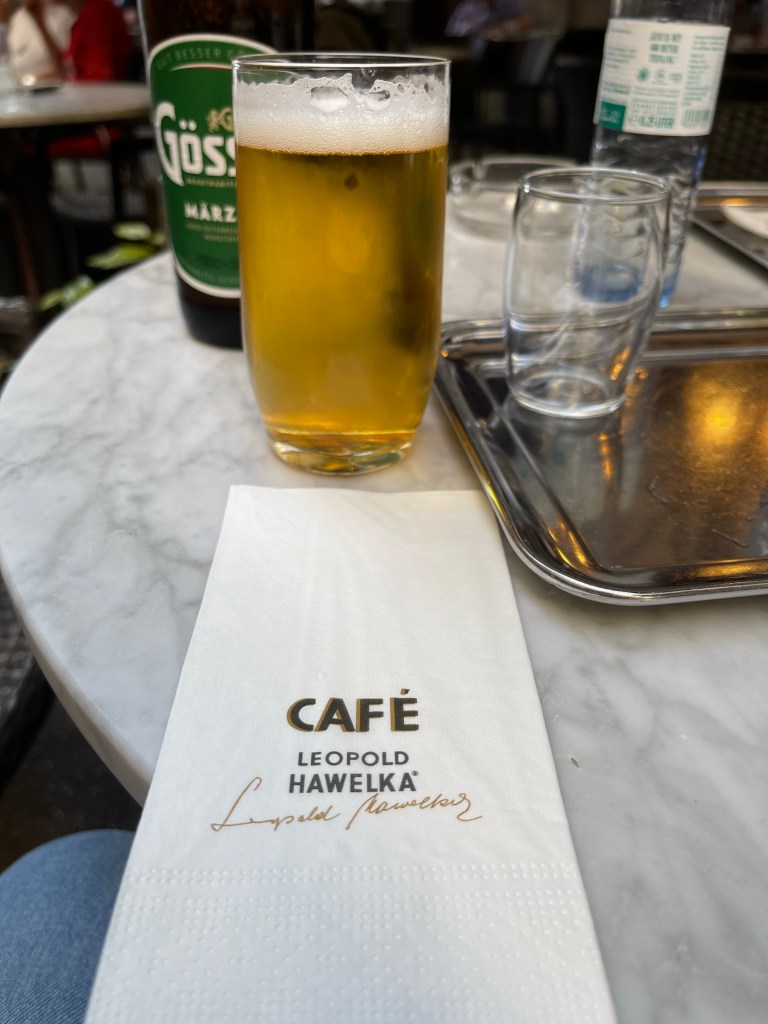
    When you’ve heard about Vienna your whole life don’t just skip across its surface like a stone, sink in! One should visit the palaces and museums and cafés to know Vienna, but you should also seek out the nooks and crannies where the place reveals its magic. Those who built this place leave a bit of themselves for us to discover, should we only look for it.

  • Silencing Voices

    “If you hear a voice within you say ‘you cannot paint,’ then by all means paint, and that voice will be silenced.” — Vincent van Gogh

    When we figure out the truth in van Gogh’s words dictates exactly how creative we’ll be at any given stage of life. He didn’t achieve “success” until he’d left this world, for us the world spends little time worrying about our feelings on the matter. The truth is we have but precious little time to silence our own voices and chase dreams. Why wait?

    The problem we have is we see what the masters do in any field, and compare our work to that. We have difficulty reconciling our incremental step towards mastery with the brilliant work of others before us, without ever considering the stumbles they took on their path. The work evolves when the mind puts aside resistance and gets to it.

    We’ve already made our mark on the world, subtle as it might seem. Our splash ripples even as we contemplate our next dive into the unknown. Knowing this, why not stretch our limits a bit on this next one? Silence our doubters one small step at a time.

  • A Different Perspective on Liberty

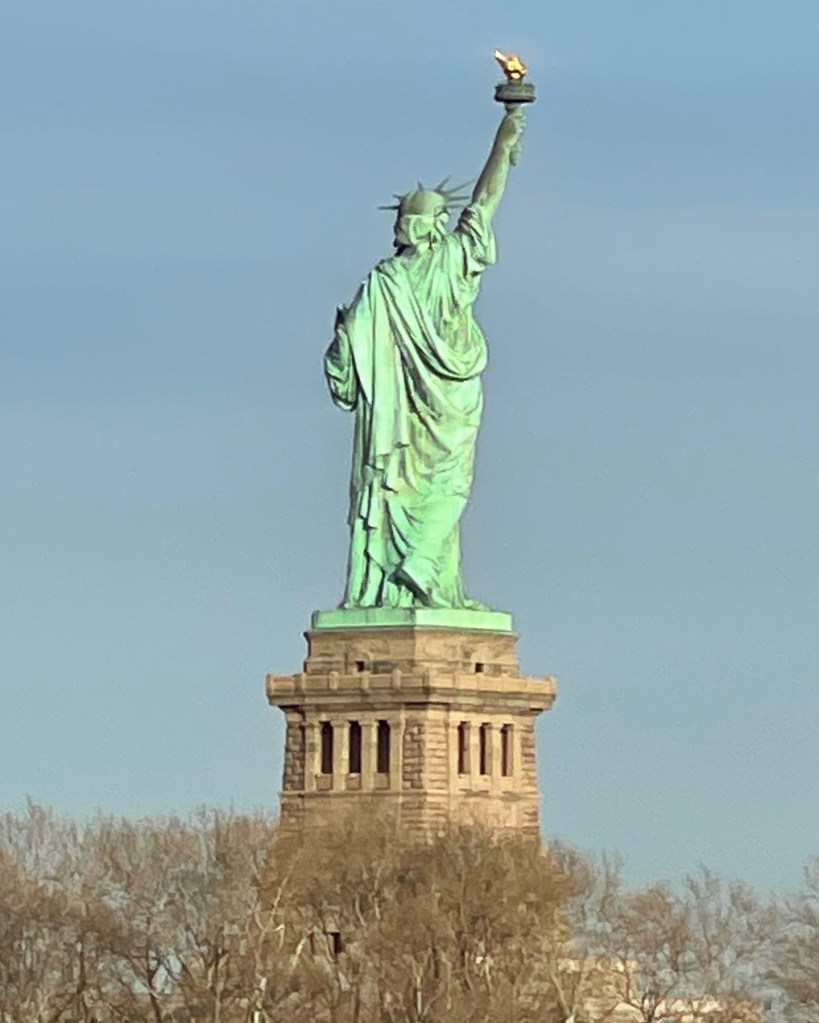
    When you see the Statue of Liberty from the New Jersey side, it feels a bit surreal. We’re all used to that image in our head of the face of Lady Liberty, but how often do we ever think of the back? Yet that’s what New Jersey sees. I recall a joke about Lady Liberty forever turning her back on New Jersey, but let’s flip that script around for what’s really been happening since 1886: New Jersey’s always had her back.

    Liberty Park offers a striking view of Manhattan and Frédéric Auguste Bartholdi’s bold vision of American liberty. He called his work “Liberty Enlightening the World”. Liberty represents the hopes and dreams of millions, standing exposed to the elements for 13+ decades. 1886 was within the lifetimes of Civil War veterans, think about what that statue meant to them. What it still means, when we look at the world with new perspective.

    Liberty connects generations, and she stoically stands, not just American’s, but for the world. The work was literally a gift from the Old World to the New. We ought to remember the message in the gift. Forget the people trying to co-opt her message for political gain, Liberty represents all of us. When you look at America’s Liberty from New Jersey, you aren’t just looking at it, you’re a part of it. And from that perspective, shouldn’t we all have her back?

  • The Rhizome Remains

    “We do not know how life is going to turn out. Therefore the story has no beginning, and the end can only be vaguely hinted at. The life of man is a dubious experiment. It is a tremendous phenomenon only in numerical terms. Individually, it is so fleeting, so insufficient, that it is literally a miracle that anything can exist and develop at all. I was impressed by that fact long ago, as a young medical student, and it seemed to me miraculous that I should not have been prematurely annihilated. Life has always seemed to me like a plant that lives on its rhizome. Its true life is invisible, hidden in the rhizome. The part that appears above ground lasts only a single summer. Then it withers away — an ephemeral apparition.
    When we think of the unending growth and decay of life and civilizations, we cannot escape the impression of absolute nullity. Yet I have never lost a sense of something that lives and endures beneath the eternal flux. What we see is blossom, which passes. The rhizome remains. In the end the only events in my life worth telling are those when the imperishable world erupted into this transitory one. That is why I speak chiefly of inner experiences, amongst which I include my dreams and visions. These form the prima materia of my scientific work.”

    Carl Jung, Memories, Dreams, Reflections

    Our lifespan is but the bloom that eventually withers away, yet the rhizome remains in our spirit and the work we leave behind for others. Think of the traits we see carry from generation to generation. Think of the art and music that resonates long after the composer has withered away. We have people that stay with us for the rest of our days; we can see the twinkle in their eye, we can hear their laughter. Life is Jung’s ephemeral apparition, but as we feel of those who have transcended this world, the physical manifestation of our being isn’t all there is of us.

    Our season is very short, but rooted below the surface we’re anchored to eternity. And this, when you think about it, offers a bit of hope in this ridiculous game of living. For we come and go in our season, but our rhizome remains. There’s a sense of permanence in that, as we make the most of our impermanent time in bloom. We shine in our time and offer what we might to those who carry on.

    The present season, anchored to eternity
  • The Battle Inside

    “The greatest battle of all is with yourself—your weaknesses, your emotions, your lack of resolution in seeing things through to the end. You must declare unceasing war on yourself.”
    — Robert Greene

    We all have our moment-to-moment skirmishes with ourselves. We fight through our worst traits or we succumb to them. It’s easy to let things slip, easy to settle for good enough, easy to wrap up early or scroll through Twitter or your social media feed instead of focusing on what must be done in the moment.

    Seth Godin calls it our Lizard Brain, this thing that prevents us from doing the things we most want to do. Steven Pressfield calls it the Resistance. We’ve all felt it when it comes to following our calling: imposter syndrome, distraction or lack of focus, busywork, putting others first… and on and on.

    Routine breaks through the bullshit. Habits force a reckoning with the truth of the matter. We must get past ourselves and simply start doing what we were called upon to do. The battle inside rages, but it becomes a war of attrition. We either give in to it or we see things through to the end.

    Every moment we take meaningful action towards our calling or we slip backwards or sideways on the path. Becoming is dirty work full of blood, sweat and tears. The largest battles are with ourselves. But don’t we have to fight them? Decide what to be and go be it.

  • The Possibility of Beauty

    “What do I make of all this texture? What does it mean about the kind of world in which I have been set down? The texture of the world, its filigree and scrollwork, means that there is the possibility for beauty here, a beauty inexhaustible in its complexity, which opens to my knock, which answers in me a call I do not remember calling, and which trains me to the wild and extravagant nature of the spirit I seek.” — Annie Dillard, Pilgrim at Tinker Creek

    Positioning this idea of beauty in the world seems quaint when wars and pandemics flood us with so much ugliness and darkness. What are we to do but find light in the darkest corners? Life is a dance along the edge between chaos and order, and we must know both. But we can’t dwell in either. Still, if we are to become what we focus on the most, why not focus on beauty?

    Writing, like photography, focuses us on what we want to find in the world. We seek out wonder while our opposites wrestle for control and influence. If the world teaches us anything it’s that life is textured and imperfect and more than a little unfair. But it’s still a blessing to be here in it. To celebrate the inexhaustible beauty in this complicated world is a mission of possibility and hope. What we make of it is up to us.

  • To Shine, in Verse


    Let’s go, my poet,
    let’s dawn
    and sing
    in a gray tattered world.
    I shall pour forth my sun,
    and you—your own,
    in verse.”

    Vladimir Mayakovsky, An Extraordinary Adventure Which Befell Vladimir Mayakovsky In A Summer Cottage

    We look at the world through our own lens. It’s relatively easy to be optimistic about the future when you aren’t facing a violent end, or the relentless oppression of an authoritarian government. Bullies tend to sap the creativity out of most poets and artists. But every now and then you run into one that stands up to the bully, puts their work out there and lets it speak for itself despite it all.

    Mayakovsky published this charming little poem about having tea with the sun in 1920. I visit it now not to celebrate the void of positive leadership in Russia since then, but rather the resilience of the poet in the face of darkness. Mayakovsky would eventually succumb to that darkness, committing suicide a decade or so after writing this dance with light. Humans aren’t meant to live in darkness. We must find a source of energy and hope to carry on.

    We choose to focus on the positive in this world, not because we’re delusional, but because the only hope for our collective future is in optimism and love. Mayakovsky’s poem ends with a radiance that illuminates us still. It offers an example to press on with our work, to fight for what is right and true. For not everything in the world slips into darkness. We still might shine.

    Always to shine,
    to shine everywhere,
    to the very deeps of the last days,
    to shine—
    and to hell with everything else!
    That is my motto—
    and the sun’s!

  • What We Hold On To

    “You once told me that the human eye is god’s loneliest creation. How so much of the world passes through the pupil and still it holds nothing. The eye, alone in its socket, doesn’t even know there’s another one, just like it, an inch away, just as hungry, as empty. Opening the front door to the first snowfall of my life, you whispered, ‘Look.’”Ocean Vuong, On Earth We’re Briefly Gorgeous

    We write to express ourselves, don’t we? But also to see. For the writer observes the world. Otherwise what do we hold on to, in the end? Memories and the occasional catchy phrases. For a moment to last we must create. I think all artists work to share a vision with the world. Their work naturally exists after the vision the artist is sharing, and thus becomes a way to retain that which would have otherwise disappeared.

    A photographer snaps a picture that represents an instant in time. Immediately it becomes a historical document of what once was. It becomes a way of holding on to the past. We can all play this game of looking at pictures and remembering moments that had otherwise slipped to the recesses of our minds. People and objects that once were but are now just memories and memorabilia. All art drives a similar stake in the ground, capturing that moment in the artist’s life expressed in their creation. Art captures us as we once were.

    What do we hold on to? What do we let go of? Some moments are forever locked in amber, some drift away immediately. What we experience and what we hold on to are never the same thing. Think about the things we’ve all experienced over the last few years. We can’t agree on what we all saw, how could we possibly agree on how to capture this moment?

    Art is always subject to interpretation. It captures a moment through the perspective of the artist, and is received by the audience with their perspective in their moment. Life, and art, are indeed fleeting. The world passes through us, and we all disappear into the past together. All we can hold on to is the moment. But the artist tries to share it.

  • What You Put Out


    “Calling yourself creative doesn’t make it true. All that matters is what you’ve launched. Make finishing your top priority… When you’re gone, your work shows who you were. Not your intentions. Not what you took in. Only what you put out.” — Derek Sivers, How to Live

    “When you ship, you silence the lizard brain. You beat the resistance and your ideas get out in the world. It’s not easy, but it’s very important. I am shipping because I don’t want to create art for art’s sake; I want to do work that matters, that makes a difference in people’s lives. Not tomorrow, today.” — Seth Godin, The Practice: Shipping Creative Work

    Anyone who does anything creative knows the scorecard. What you intend to do has no place at the table: The only thing that matters is what you produce. If you don’t put it out there you aren’t a part of the Great Conversation.

    I focus a lot on productivity in this blog. More than some think I ought to. For me, productivity is the natural outcome of habits and routines and the gumption to click “Publish” every damned day. The lizard brain is a very real struggle, so is imposter syndrome, and so is the relative comfort of low agency. To overcome each of these hurdles, you must learn to be audacious. For most of us this doesn’t come in a spark of magnificent insight, it comes through incremental daily actions: teaching the brain that this is what is expected of it today and every waking day from here to the very last.

    This daily routine of writing profoundly changes you. I’d read that for years in Seth Godin blogs before I finally started posting regularly. I don’t look at my early posts often, for they’re full of typos and grammatical errors and run-on sentences (some things don’t change). But each brought me here. And here brings me to whatever comes next.

    What you consistently put out builds boldness and audacity and a blatant disregard for keeping up appearances. What I’ve learned during this dance with daily productivity is to avoid telling the world what you’re going to do. All that matters is what you have done. So by all means: ship it. Lizard brain be damned.

  • To Be a Philosopher

    “You must be one man, either good or bad. You must cultivate either your own ruling faculty or externals, and apply yourself either to things within or without you; that is, be either a philosopher, or one of the vulgar.” — Epictetus, The Enchiridion

    Do you ever wonder why the Stoics are more popular than ever? Why would Epictetus, who died in 135 A.D. be relevant today? Why would Marcus Aurelius, who died in 180 A.D. be so revered? Or Seneca, who died in 65 A.D.? I believe it comes down to a few key reasons: First and foremost, they wrote from a very human perspective that is still relatable no matter what millennium you’re passing your time in. Second; if it weren’t relevant it would have long ago been vanquished to the trash heap like the lesser work of millions before and after them. And finally, you might also say they gain a lot of momentum as the great men and women who followed them referred to them for wisdom and inspiration. And if it worked for them, why not us?

    On our journey from the vulgar, callow juvenile inside each of us to the refined, philosophical sage we may wish to become, we learn to cultivate discipline. Discipline draws us deeper into our true selves, structures our lives in such a way that we might accomplish a few things and bring us closer to becoming who we want to be. To stop looking from one shiny object to the next and focus on what means the most, now, and when we reach that stepping stone find the next.

    Will our own work become timeless, or vanquished with the lesser work of millions? We’re dealt an unfair hand trying to measure up with the greatest thinkers of the past. That’s not stoicism, that’s upward comparison. Comparing yourself to others leads to unfocused misery. It’s better to compare yourself with the person you used to be instead. Stoicism is a quest to become the best person you can be in your short time on earth. Ultimately everything we do shows the way for those who follow us. Just as those great Stoics did. If it’s transcendently great it might become timeless. But it’s not for us to decide such things.

    Our only purpose is to maximize our potential in the time we’re given. To cultivate our own ruling faculty and apply ourselves to becoming what we might. While we may.