Tag: Cape Cod

  • One Token Ripple

    This morning I stood out on the jetty well before sunrise looking for the pre-event light show. Not much aside from the building gray-to-white-to-orange glow. Limited cloud action and such. As I stood there waiting for the moment I heard the unmistakable momentum of the swells begin building on the rocks and retreated back to higher ground before my shoes soaked through. The wake of some unknown boater from some time before reached the place where I stood. Their ripple intersected with mine and I was the wetter for it.

    Turning around to scan the horizon for my mysterious boater friend, I saw the glint of first orange light up the windows of some house in Marion. They owned the earlier sunrise while I waited for the sun to clear the hills of Pocasset. Turning back to the east I waited out the climb until finally the dark hills caught fire and I became part of the new day too.
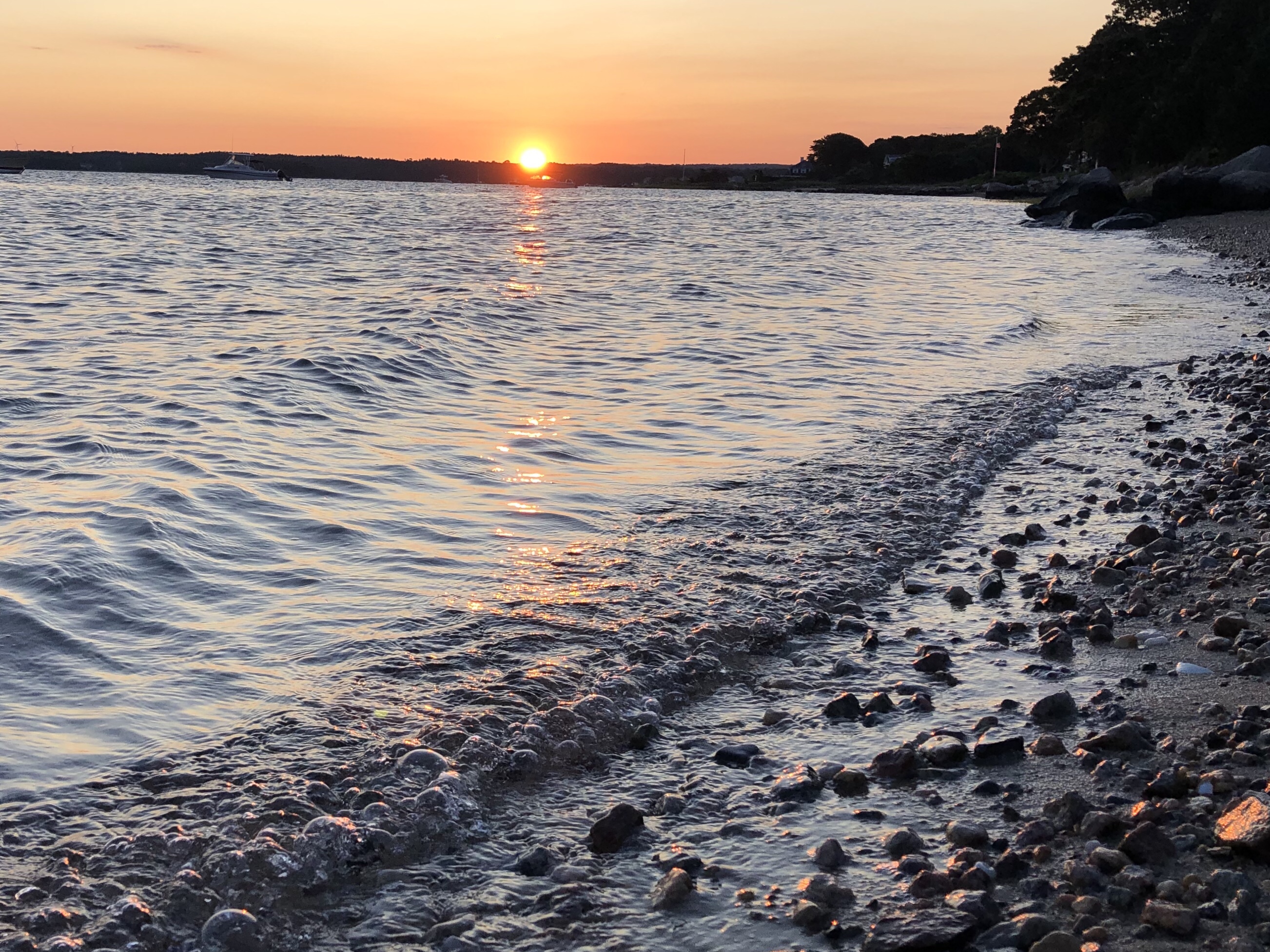
    Walking back to the beach I saw footprints and tire tracks below the high tide mark and realized I wasn’t the first one on the beach this morning. Like Robinson Crusoe I recognized I wasn’t alone. Less a shock to me. As the active fishing community here starts their day during my deep sleep stage. I rise early, they rise in the middle of the night.

    I read yesterday that there have been an estimated 107 billion people. I’ve felt the ripple of a small percentage of them, but have been touched by untold others. People I’ve never met, like the boater who’s wake got my feet wet this morning, or the Army Core of Engineers who built the jetty I stood on when it washed over. Or the carpenter who installed those windows betraying the coming sun in Marion. Authors read, and those who influenced them in turn. A chain of 107 billion links; of those who came before and those amongst us still.

    Two cups of coffee later in conversation with a friend who’s ripple has been more profound, we heard the slapping water and boiling sound of a bluefish run right into the beach. Walking down to the water line we watched the swirling ballet of bluefish and fry dance right to the sand and back out again. I saw the reflection of four fry on the sand that had leaped out of the water to escape the frenzy. Scooping them up I flicked them back into the bay one at a time. Perhaps they’ll survive to adulthood and feed some family a year from now. Or avoid that fate and spawn another generation. Impossible to know, but whatever happens to them, it’s one token ripple sent to the future.
  • Osprey

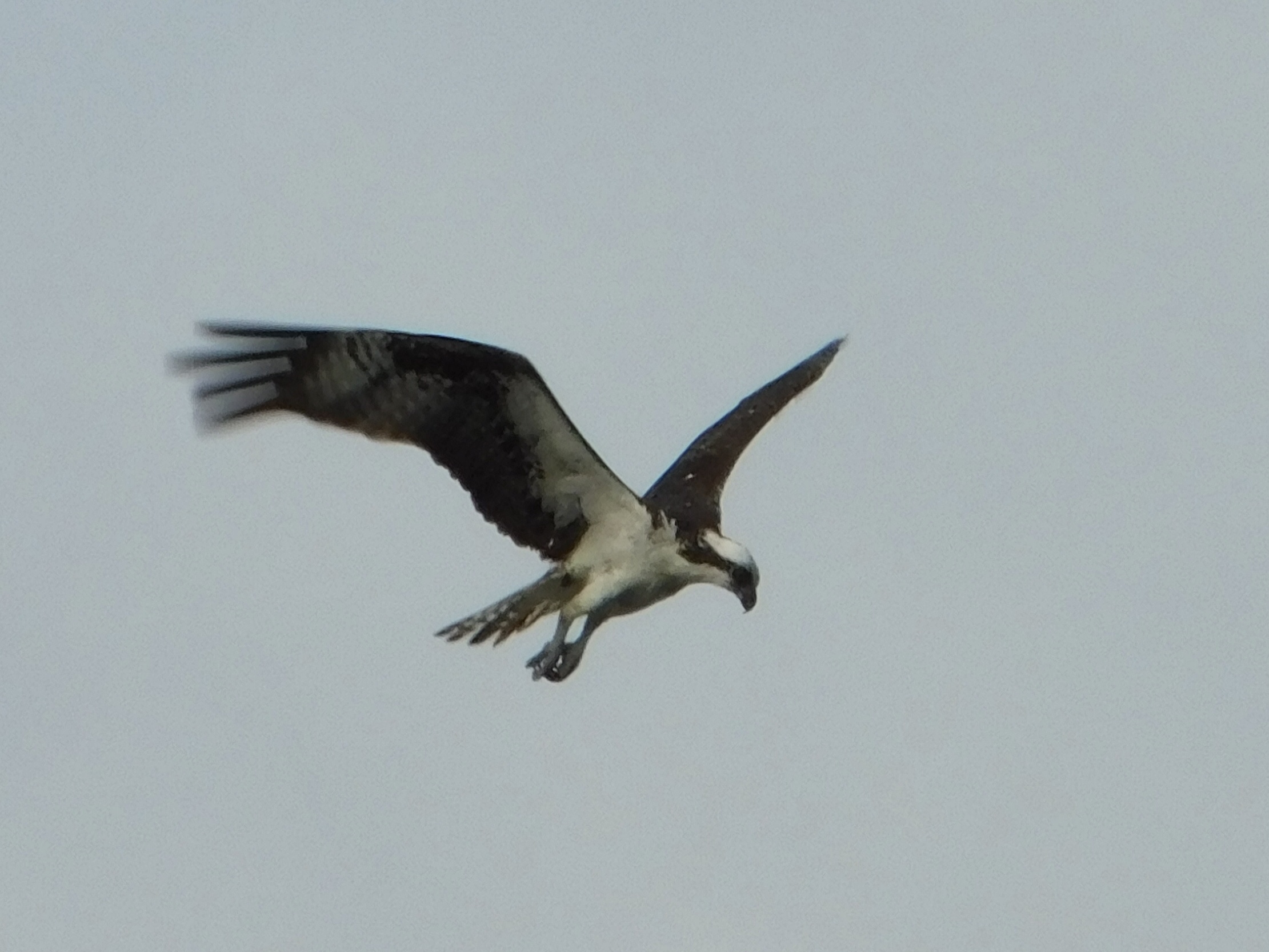
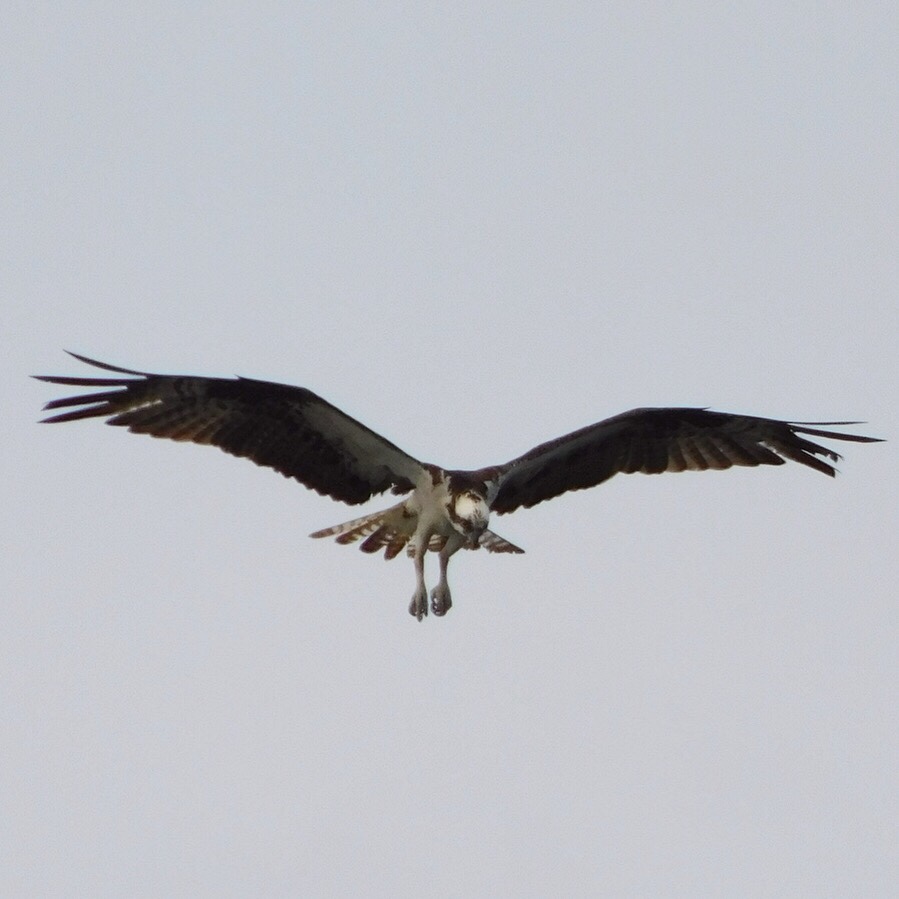
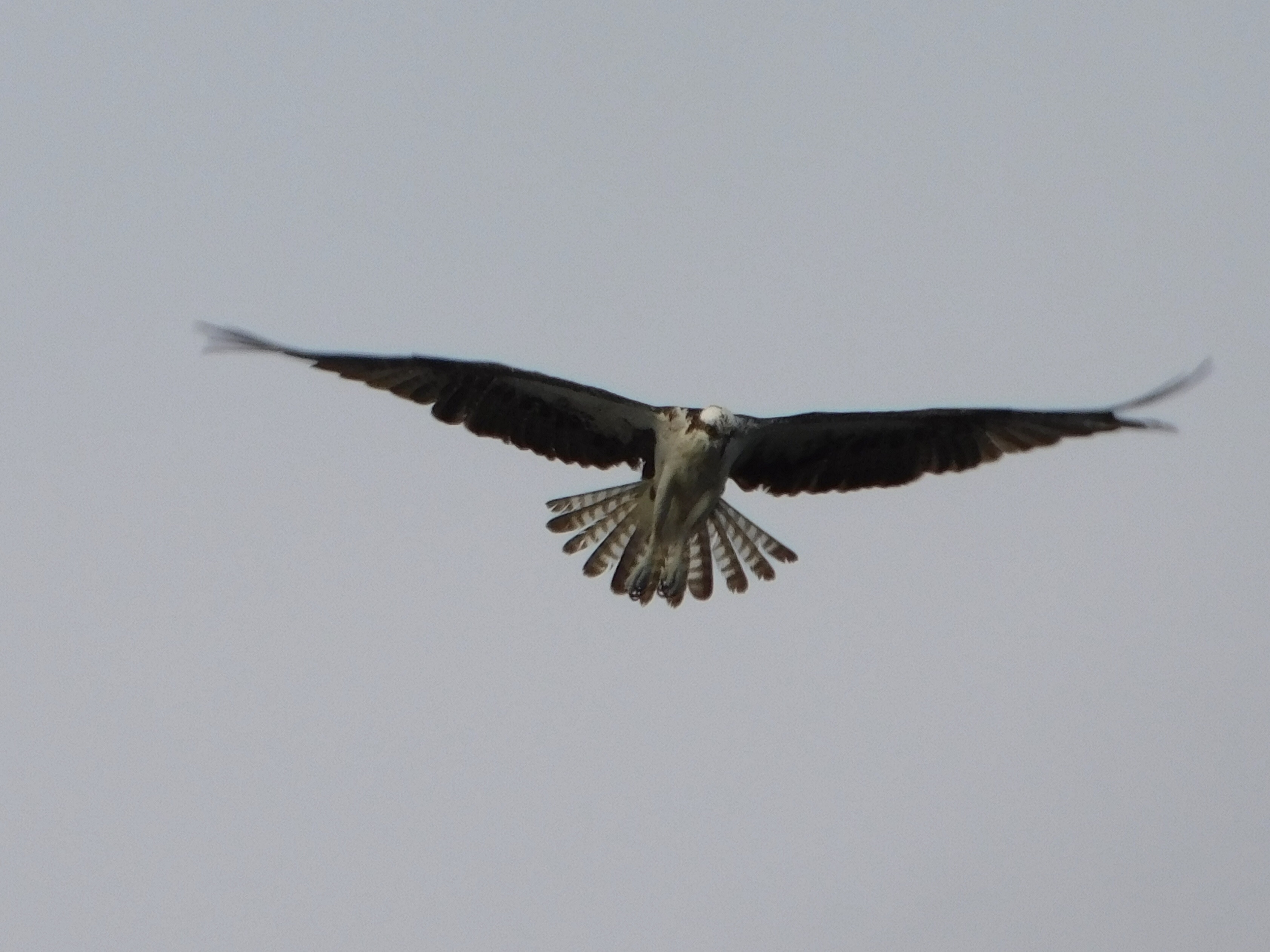
    Few birds inspire awe like an osprey as it hovers and dives 30-40 feet to pluck a seafood dinner out of the bay. I’m grateful for digital cameras as I wasted plenty of shots trying to do the osprey hunting overhead justice. Surely a better photographer than me could capture this raptor more impressively, but here is my attempt to capture the majesty of the osprey.

    Buzzards Bay got its name from explorers confusing osprey with buzzards. I don’t dwell much on buzzards, but appreciate the deft flying skill of the osprey as they search for prey or dance together in the sky. They’re the original navy pilots, striking terror in the hearts of fish and small critters alike. Top guns of the bay.

  • Where the Narrows Open Out

    Looking at John Sellers 1675 “Mapp of New England” I’m drawn to the place names on Cape Cod. “Yermoth“, Sandwich and Pocasset on the Cape, and the islands of “Martina Vineyard” and “Nantuket“. As with the entire map things are way out of scale, but still a fascinating snapshot of place in 1675 Cape Cod.  The other unique thing about Sellers’ map is that he turns New England on its side, offering a new perspective on the familiar shapes.

    The Pocasset Wampanoag were no strangers to Buzzards Bay, but they lived in the area that is now Tiverton, Rhode Island up to Fall River, Massachusetts and surrounding towns. If a place were going to be named Pocasset wouldn’t it be Tiverton or Fairhaven or some other place on that side of the bay? So how did this little corner of Cape Cod become known as Pocasset?

    The answer might lie in the word itself. “Pocasset” and some similar Algonquin names like “Pochassuck” and “Paugusset” all mean “the place where the narrows open out”. And that certainly applies to this part of Buzzards Bay. For the English settlers choosing Pocasset was likely easier than Pochassuck.  I can imagine the middle school jokes at neighboring towns if they’d gone that route.

    This place was likely visited by the Pocasset often as they traded with the Pilgrims at the Aptucxet Trading Post nearby. In talking about the land and the bay around them it’s probable that’s how the area was described as the bay opens up right after the point of Wings Neck. On the map Pocasset encompasses what is now Falmouth. Given the scale of the map it could be a minor point, or perhaps the entire stretch from Wings Neck to Woods Hole was considered the place where the narrows open out.

    That description fits the mind as well. Looking at old maps, reading books, and traveling to new places opens up my own once narrower mind. I break free of the daily routine and see things in a new way. So having a home away from home in Pocasset is more appropriate than I first thought.

  • Talking Turkey

    This morning I went for a 3 1/2 mile walk and came across a large tom turkey standing on the side of the road. A little later in my walk I saw another turkey, this time a hen, about twenty feet up in a tree. Two turkeys in 3 1/2 miles isn’t exactly extraordinary nowadays in New England, but I was on the Cape and you don’t think of turkeys and Cape Cod. But like everywhere else in New England the turkey population has exploded.

    When I was a kid running around in the woods of various towns in Middlesex County, Massachusetts I never saw a wild turkey. The first wild turkeys I ever saw were in South Kent, Connecticut in 1993. I remember it because it was a unique experience at the time. But Litchfield County is where you might expect to see wild turkey. It’s also where I saw my first coyote in the wild. Now you can see turkey almost anywhere.

    This exponential turkey population growth took place while we (most of us anyway) weren’t paying attention. Back in maybe 2007-2008 I recall seeing a few here and there but it was still a novel experience. Today in Southern New Hampshire it’s novel if I go a day without seeing or hearing one. There are an estimated 40,000+ turkey in New Hampshire today, and an estimated 200,000+ in New England.

    It wasn’t always this way. When Europeans first settled in New England they started clearing the land for farms. This destroyed the habitat of the wild animals that lived there, and those who didn’t die out from lack of habitat were eliminated through hunting. Turkey, deer, pigeons, wolves, bear, and countless other animals suffered the same fate. By 1850 turkey were largely extinct in New England.

    Efforts to re-introduce turkeys began in the 1930’s, first with releasing domesticated turkey into the wild. When that failed wild turkey were caught in Upstate New York and released in New England states. Over time those turkey reproduced and the population growth began to accelerate. One Tom can mate with many hens, which can hatch 6-12 eggs. With few predators it’s easy to see why the population exploded. Today they’re seemingly everywhere, including a little peninsula jutting out into Buzzards Bay.