Tag: Rhode Island

  • Whispers of Montaup: Mount Hope Farm

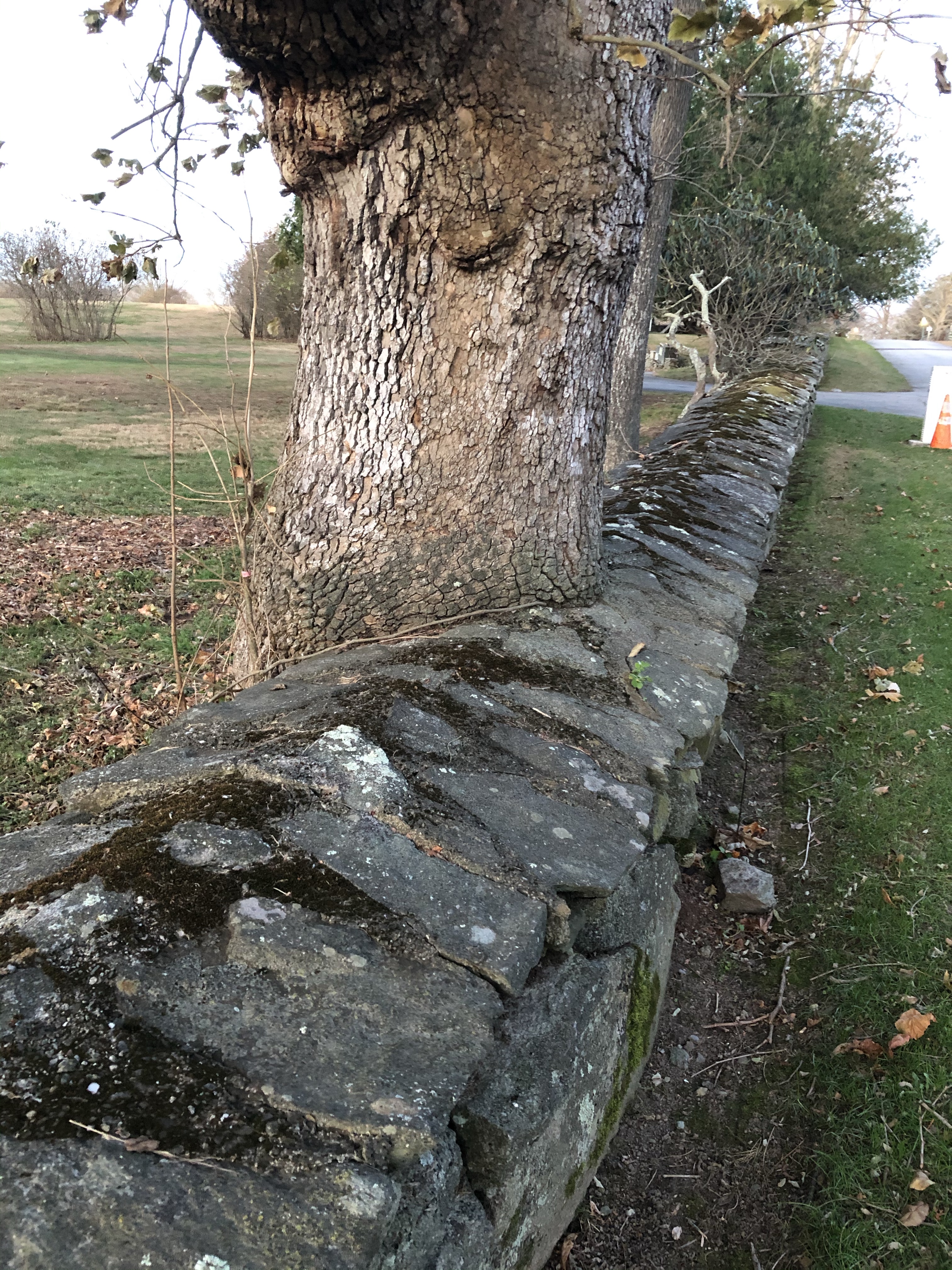
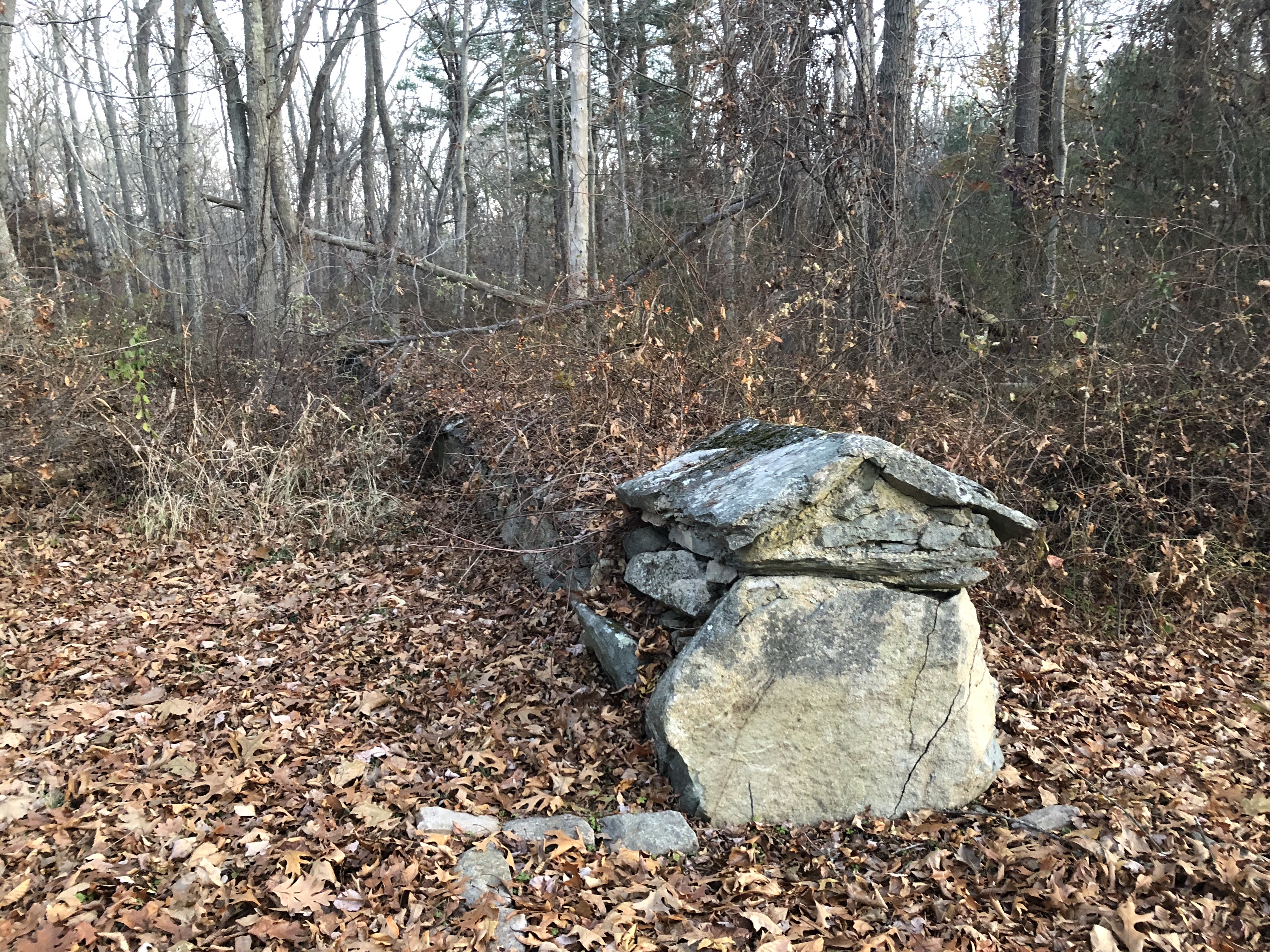
    Undiscovered places offer a bit of wonder, and I had that in spades on an early morning walk at Mount Hope Farm in Bristol, Rhode Island. Mount Hope Farm is a non-profit, running a bed and breakfast, educational programs and a camp. Walking the grounds is a time warp, with mossy old stone walls lining the road and running perpendicular off into the woods. They say this land has been farmed since the 1680’s, and there are places on this walk that feel like you could be stepping into that time. This land was once called Pokanoket, where the Wampanoag lived for untold centuries. It’s said that the first Thanksgiving actually happened here in 1621, when Pilgrims were welcomed by Massasoit. Walking the land, it whispers convincingly of those early days.

    When Massasoit died, his sons had a very different experience with the English settlers. The oldest, Wamsutta, took the name Alexander and his younger brother Metacom took the name Philip, which would become more famous. Alexander would die after getting roughed up by the English during an interrogation. Philip would unite tribes and wage war against the English in King Philips War. The land around Mount Hope was the heart of operations for Philip, and it’s where he would ultimately be killed in 1676. His wife would be sold into slavery in the West Indies. Not all whispers are pleasant.

    This land was eventually the property of the Royall family, which made their fortune from the slave trade. For all the beauty here now, there’s a healthy dose of human tragedy whispering through the grounds. Eventually the land was sold to a loyalist who fled during the Revolutionary War, and old New Hampshire friend General John Stark and General Sullivan would use the land as an encampment for the 2nd Rhode Island Regiment during the Battle of Rhode Island.

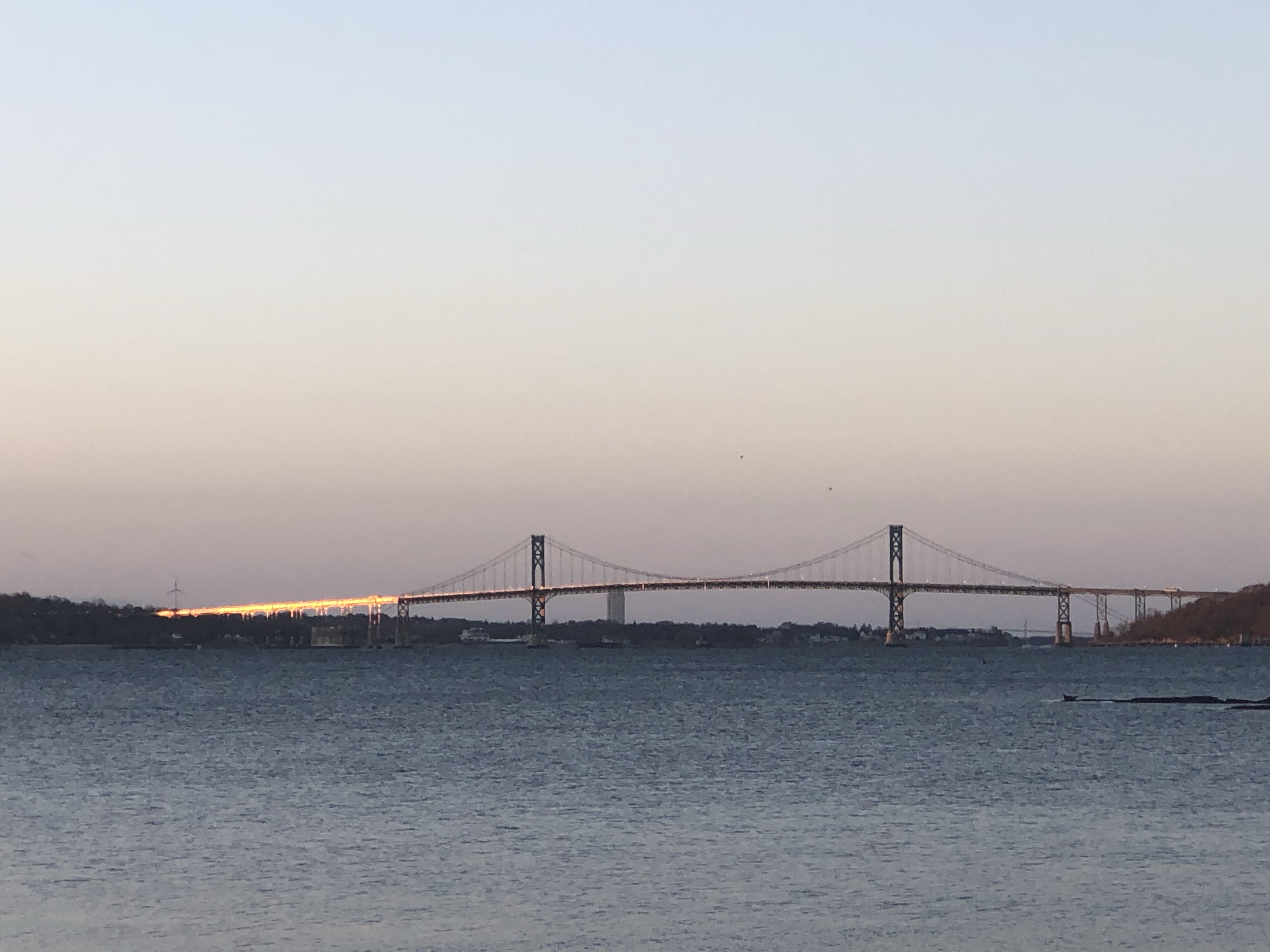
    Walking the farm, I’m thrilled to see the land preserved, but also used as a functioning farm. And for all the whispers, this farm has a strong foothold in the present. The Mount Hope Bridge is omnipresent, rising solemnly over Narragansett Bay, spanning the gap between Portsmouth and Bristol. The bed & breakfast, run out of the Governor Bradford House, is a wonderful place to stay and immerse yourself in history. The barn hosts weddings and a great farmers market every Saturday morning. The Mount Hope Farm – Montaup – is very much alive and well.
  • Narraganset Bay to Lake Champlain

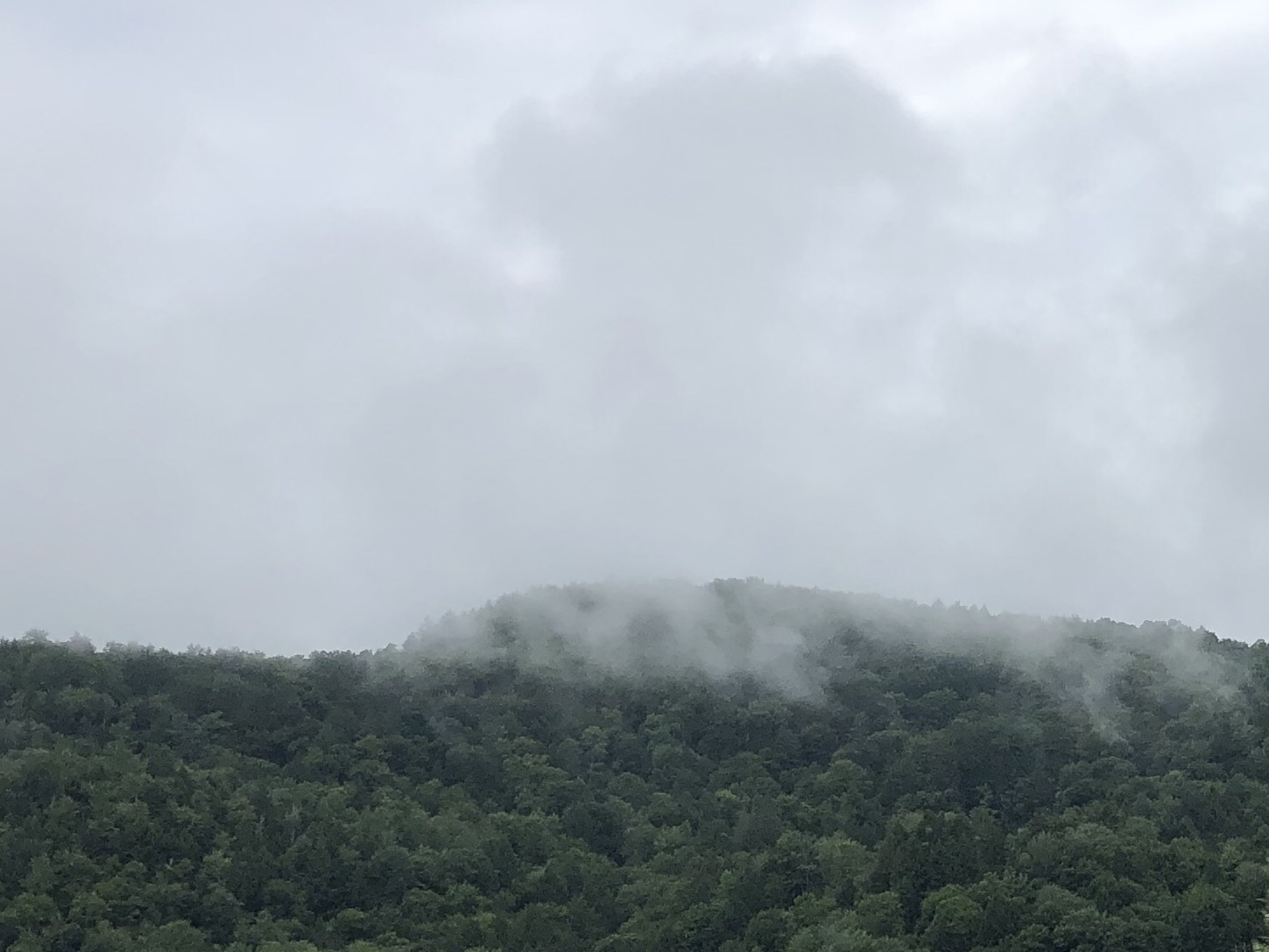
    I drove the 310 miles between Newport, Rhode Island and Burlington, Vermont in two legs, with a brief nap at home in between. Heavy rain and a relentless, brilliant lightning display will be what I’ll remember about the first leg, and the mist covered Green Mountains of Vermont surely will be the thing I remember about the second. It occurred to me that this journey 250 years ago would have been very different indeed. Instead of driving up I-93 to I-89, my options would have been to sail south to the Hudson River for an arduous journey upriver, a risky portage to Lake George, and another between Lake George and Lake Champlain or alternatively taking the northern route up to the St Lawrence River over to Lake Champlain. Either proposition was shorter and safer than the overland I did would have been.

    Sometimes we take for granted just how far we’ve come in such a short amount of time. I’ve come to appreciate our collective technological advancement more through reading history and traveling from place to place. Communication has advanced along with the roads, and now I have the ability to talk to anyone in the world in seconds. How awed King George would have been, and what a difference good roads or communications would have made in the wars fought along the shores of Newport and Lake Champlain. That route from there to here seems a lot further given the hindsight of history.

  • An Island of Two Names

    I got to spend a little time on Rhode Island, in the State of Rhode Island, on Friday and Saturday.  It wasn’t a long stay, but with my son living in Portsmouth and working in Newport, it was a worthwhile one.  There are three towns on the island; these two and the appropriately named Middletown between them.  There are three bridges connecting the island to the rest of the state.

    The Narraganset called this island Aquidnet, and this evolved into the English calling it Aquidneck Island.  But like so many places where one population gave way to another, this island has that other name too – Rhode Island.  So the smallest state in the nation shares its name with its biggest island.  In fact its the origin of the name for the state.  Newport and Portsmouth were the original settlements and things just grew around them. But why have two names when you can just call the island Aquidneck and the state Rhode Island?  Because that’s the way Rhode Islanders like it.

    A close-up of that 1677 John Foster “Mapp of New England” shows the name as Rhode Island.  Newport is noted, and Portsmouth is shown as a town though not named.  Mount Hope is just across the water and Providence is further inland.  The map is oriented with West up and North to the right, and things are out of scale but you can clearly see Rhode Island as they knew it.

    Portsmouth was settled by a group of “Christian Disidents” seeking religious freedom.  The most famous of whom was Anne Hutchinson.  They noted their intent in the Portsmouth Compact on March 7th, 1638:  They noted their intent in the Portsmouth Compact on March 7th, 1638. This, according to Wikipedia, was the first document in American history that severed both political and religious ties with England:

    The 7th Day of the First Month, 1638.
    We whose names are underwritten do hereby solemnly in the presence of Jehovah incorporate ourselves into a Bodie Politick and as He shall help, will submit our persons, lives and estates unto our Lord Jesus Christ, the King of Kings, and Lord of Lords, and to all those perfect and most absolute laws of His given in His Holy Word of truth, to be guided and judged thereby.

    The most famous of the three towns was and is Newport of course.  It was founded after Portsmouth by some of the settlers who moved from that town down the island.  Newport’s fame came when it became the playground of the wealthy who tried to outdo each other with their summer homes, the Newport Mansions.  That wealth brought in sports that the wealthy pursued; It was home of the America’s Cup for years, and home of the Tennis Hall of Fame, complete with grass court.  Newport has a certain upper crust vibe to it, much like Nantucket.  Middletown and Portsmouth are more working class, but with equally beautiful waterfront views. The main route through all of them has evolved to be strip mall heavy, but as with many places, once you get off the retail strip things improve greatly.

    This island was occupied by the British during the Revolutionary War, and held by them for three years.  As with Manhattan and Philadelphia it was an excellent port that worked to the strengths of the British Navy, allowing them to stage troop movement against the Americans. The American Army tried to displace the British once in that time in the Battle of Rhode Island with the support of French ships blockading the British.  This was the first engagement of the combined American and French forces against the British.  It didn’t go as planned as the French weren’t particularly aggressive in the naval engagements and the Americans were driven away when British reinforcements were able to land.  British naval might may have gotten into the heads of the French, who had the tactical advantage at the time. One other notable first from the battle was the very first mixed-race regiment, the 1st Rhode Island Regiment, had their first action of the war on the island.

    I’ve got a few connections to this island, but it remains a place I haven’t spent enough time in.  The last couple of years has changed that, and perhaps I’ll explore the island even more over the next few.  But as is my nature, I’ll most likely do it in the off-season when the crowds die down a bit.  There’s a history worth exploring on Aquidneck Island, er, Rhode Island… or whatever you want to call it.

  • Where the Narrows Open Out

    Looking at John Sellers 1675 “Mapp of New England” I’m drawn to the place names on Cape Cod. “Yermoth“, Sandwich and Pocasset on the Cape, and the islands of “Martina Vineyard” and “Nantuket“. As with the entire map things are way out of scale, but still a fascinating snapshot of place in 1675 Cape Cod.  The other unique thing about Sellers’ map is that he turns New England on its side, offering a new perspective on the familiar shapes.

    The Pocasset Wampanoag were no strangers to Buzzards Bay, but they lived in the area that is now Tiverton, Rhode Island up to Fall River, Massachusetts and surrounding towns. If a place were going to be named Pocasset wouldn’t it be Tiverton or Fairhaven or some other place on that side of the bay? So how did this little corner of Cape Cod become known as Pocasset?

    The answer might lie in the word itself. “Pocasset” and some similar Algonquin names like “Pochassuck” and “Paugusset” all mean “the place where the narrows open out”. And that certainly applies to this part of Buzzards Bay. For the English settlers choosing Pocasset was likely easier than Pochassuck.  I can imagine the middle school jokes at neighboring towns if they’d gone that route.

    This place was likely visited by the Pocasset often as they traded with the Pilgrims at the Aptucxet Trading Post nearby. In talking about the land and the bay around them it’s probable that’s how the area was described as the bay opens up right after the point of Wings Neck. On the map Pocasset encompasses what is now Falmouth. Given the scale of the map it could be a minor point, or perhaps the entire stretch from Wings Neck to Woods Hole was considered the place where the narrows open out.

    That description fits the mind as well. Looking at old maps, reading books, and traveling to new places opens up my own once narrower mind. I break free of the daily routine and see things in a new way. So having a home away from home in Pocasset is more appropriate than I first thought.

  • Alexander’s Map

    Alexander’s Map

    A new year, and a new pursuit; this blog.  So why the name?

    Alexander’s Map is a rare map published in 1624 to encourage colonization of the lands granted to William Alexander.  The map gives an early, if inaccurate, glimpse at this region that I’m so fascinated with.  Alexander’s Map stretches from present-day Massachusetts to Newfoundland to the northeast and Quebec (“New France”) to the north.  
    My blog will cover observations from living in this region, and will also include observations from as far west as Buffalo and as far south as New Jersey.  This is where I spend much of my time, and with so much history, food, sports and geological and cultural diversity to explore it will be fun to explore this in writing.  I hope you’ll enjoy the journey with me.