Category: Art

  • Reaching Enough

    About suffering they were never wrong,
    The old Masters: how well they understood
    Its human position: how it takes place
    While someone else is eating or opening a window or just walking dully along;
    How, when the aged are reverently, passionately waiting
    For the miraculous birth, there always must be
    Children who did not specially want it to happen, skating
    On a pond at the edge of the wood:
    They never forgot
    That even the dreadful martyrdom must run its course
    Anyhow in a corner, some untidy spot
    Where the dogs go on with their doggy life and the torturer’s horse
    Scratches its innocent behind on a tree.

    In Breughel’s Icarus, for instance: how everything turns away
    Quite leisurely from the disaster; the ploughman may
    Have heard the splash, the forsaken cry,
    But for him it was not an important failure; the sun shone
    As it had to on the white legs disappearing into the green
    Water, and the expensive delicate ship that must have seen
    Something amazing, a boy falling out of the sky,
    Had somewhere to get to and sailed calmly on.

    — W. H. Auden, Musee des Beaux Arts

    The big things happen around us, things that are planet-changing, culture-changing, life-changing, yet most people go about their business in the most human of ways—intently focused on themselves. Walk into any scene playing out around us and chances are the actors are engaged in the mundane while largely ignoring the monumental. Wars, political scandals, climate change, images from deep space…. all are monumental but don’t quite make the cut when compared to that itchy nose or debate over what’s for dinner or who is taking the recycling out.

    It’s this we must understand in our attempts to influence and cajole the apathetic. It’s not about us, it always must be about them. To inspire, stir or instigate the story necessarily must reach into the souls of each member of the audience. Storytelling, selling, pandering for votes—each is a form of engaging the audience and making them feel the story is all about them. For even if it feels like it’s about something much larger, it never really is. It’s always been, and forever will be, how might I stir something in you?

    And even then, someone else will be walking past oblivious to the two of us. No matter, for we can’t reach everyone. We just have to reach enough.

  • Every Day Has Something

    Everything that was broken has
    forgotten its brokenness. I live
    now in a sky-house, through every
    window the sun. Also your presence.
    Our touching, our stories. Earthy
    and holy both. How can this be, but
    it is. Every day has something in
    it whose name is Forever.
    — Mary Oliver, Everything That Was Broken

    Nobody said life was supposed to be a happily ever after greatest hits package of days to remember. Yet even the most tedious, frustratingly mundane days offers a gift of timelessness. We only have this one, no matter how it goes, and ought to celebrate the smallest sparkle of light just as we celebrate the highlight reel moments that come along, however so infrequently.

    The artists, poets and some not-always-so-poetic blog writers share one thing in common; an appreciation for the moment at hand. For every day has something to offer, should we go looking for it. Every moment offers a gift of possibility. What will forever look like today?

  • Writing the Unforgettable

    “I want to write a book that people won’t forget. I want to make them take a stiff slug of booze, or go outside and look at the stars.” — Sterling Hayden, Wanderer

    “I went for years not finishing anything. Because, of course, when you finish something you can be judged.” — Erica Jong

    Damn you Mr. Harding, your words still echo in my head, almost 40 years after you read a short story I’d written about balloons, looked up and declared in front of the entire class (to my teenage horror): “Some day you’re going to be a writer.” Well, I ran from that for years, didn’t I? But living a few extra decades makes you stop worrying about what the world thinks of you, and blogging every day forces your hand and makes you actually say something. And so we become what we repeatedly do.

    When you do anything with intention in this world, you want it to mean something—to resonate and shine and be timeless and unforgettable. That’s true whether you’re building a deck or writing a book. Inevitably, we’re our own worst critics and see our mistakes more clearly than others do. I still look at things I’d have done differently on my deck, and I rarely look back on previous blog posts. Who we once were is not who we are now. Apprentices learn and grow and refine their craft, and so it is with us in our work.

    When do we become masters of our craft? Mastery is evasive, but it doesn’t mean we shouldn’t diligently do our work and inch towards it anyway. We create our best work and hope that it resonates, and then we go back to the drawing board and try to improve upon it tomorrow. Blog after blog we learn to trust ourselves and ignore the judge. And maybe in our time we’ll make something unforgettable.

  • Our Legacy of Previous Work

    Our previous work lingers, either nagging us for where we didn’t measure up or offering a standard to exceed in what we do next. It ought to be the latter, and as we grow we learn to accept that we’ve generally improved upon our previous selves.

    Walking around the yard, I scrutinize the hardscape, for it leaves a lasting impression. I remember a particularly hot Father’s Day laying the brick patio, and a particularly challenging fence post hole when erecting the fence. I remember having the excavator I’d rented getting stuck in wet loam and having to call the rental place to help me tow it out, then scolding me for not renting a different tractor that could handle the conditions I was putting that Bobcat through. Life is a series of lessons.

    Writing is the same. I have posts written long ago that receive likes today, prompting me to reflect on what I was saying at the time. Despite our best efforts we try not to repeat ourselves too often, but there are clearly themes running through this blog that regular readers may rattle off readily. Writing every day requires a steady consumption of new experiences, reading books of substance and a willingness to put it out there. Some posts were clearly works in progress when I click publish, some are more polished. All were my best available in the moment I had with you.

    We can’t linger with our previous self when there’s so much living to do ahead of us, but we can glean lessons from our past. We can also celebrate the things that we did well. That brick patio turned out pretty well, and so did that fence (so long as you don’t look too closely). Some blog posts stand the test of time, while others fade away.

    Our legacy is our work. It reflects who we were and the tools we had available at the time. So long as we did our best, we shouldn’t judge it too harshly. In our work we see the progression to where we are now. And maybe find insight into who we might become in the future.

  • Mastery is a Beacon

    “Besides, isn’t it confoundedly easy to think you’re a great man if you aren’t burdened with the slightest idea that Rembrandt, Beethoven, Dante or Napoleon ever lived?“ — Stefan Zweig, Chess Story

    My mind is still in Vienna as I write this—a city that’s had its fair share of high achievers walk her streets and contribute to humanity’s Great Conversation in their life’s work. Big names roamed those same streets, and you might feel a need to raise your game when you walk with that level of ghosts—I surely did. And shouldn’t we feel this compulsion to close the gap between the masters and where we currently reside?

    The world offers precious few brilliant shining stars. Most of us burn less brilliantly. And yet we burn just the same, and cast our own light on the darkness in the world. We may recognize that we aren’t quite at the level of a master in our field yet still have something to offer anyway. And knowing that there are more brilliant lights in human history, we may choose to stoke our fire—feed it with the fuel necessary to one day burn more brilliantly still.

    What provokes us towards greatness but comparison? We may never reach those levels, few do, but knowing there are heights we haven’t reached yet ought to inspire more. For mastery is a beacon.

  • Where Our Heart Takes Us

    “I am proud of my heart alone, it is the sole source of everything, all our strength, happiness and misery. All the knowledge I possess everyone else can acquire, but my heart is all my own.” — Johann Wolfgang von Goethe, The Sorrows of Young Werther

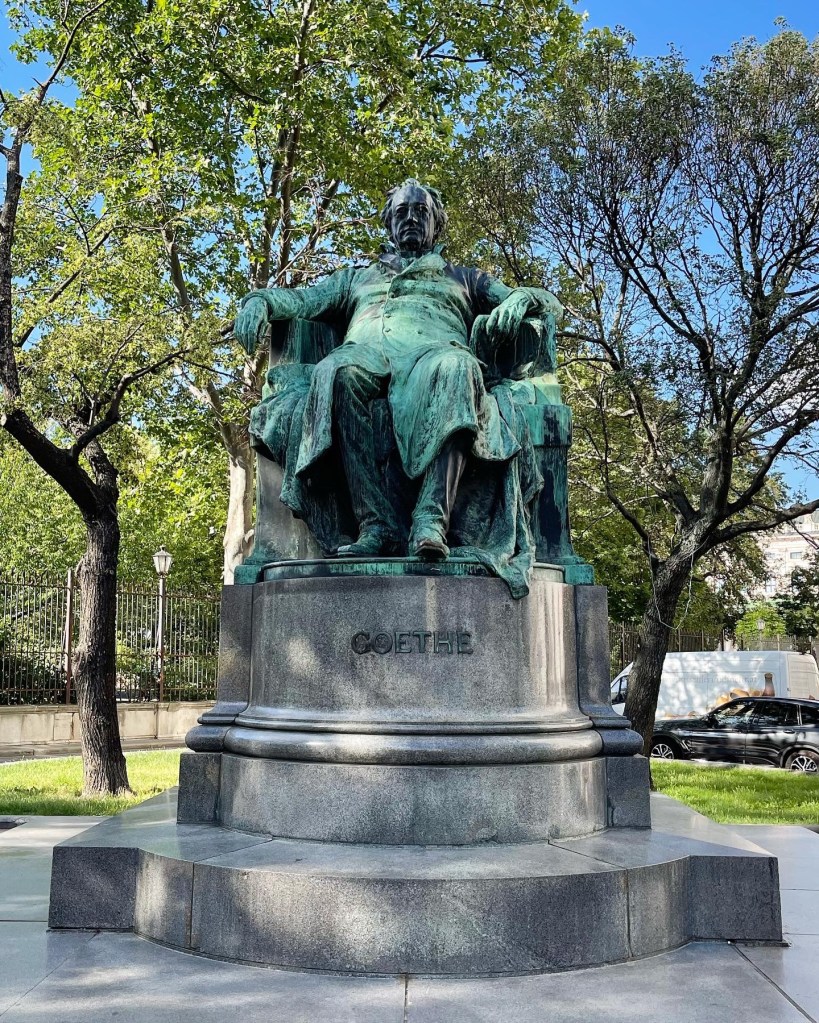
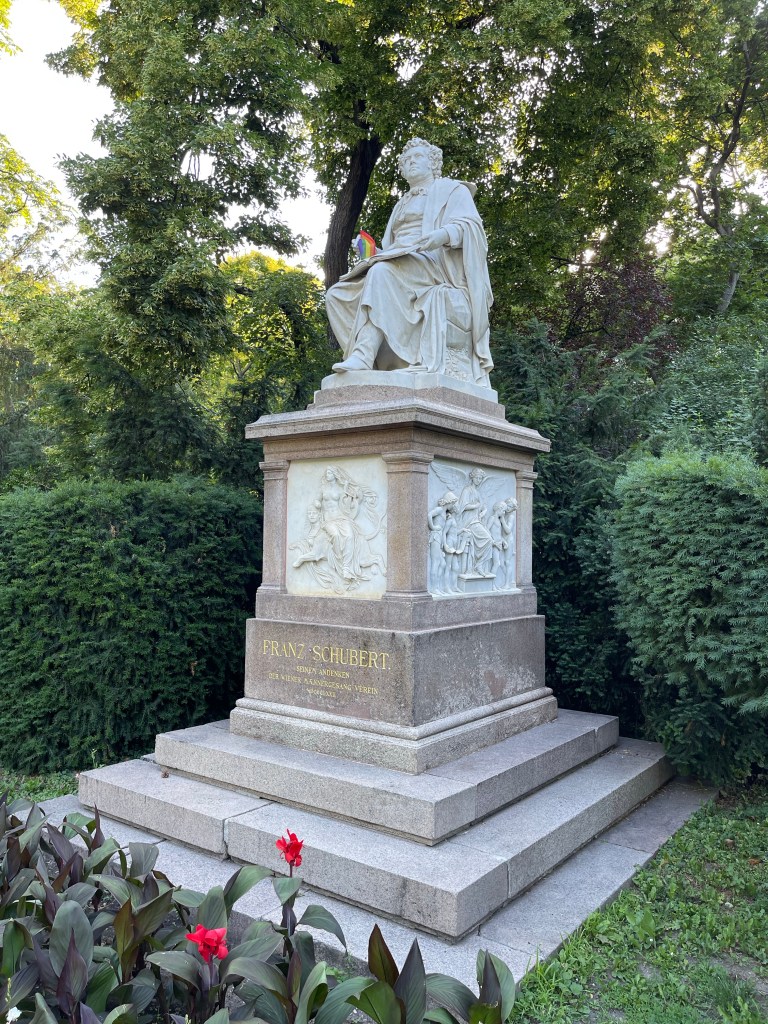
    I was thinking about Goethe after my traveling companion asked me why I was so happy to come across a statue erected in his honor in Vienna. I suppose this quote offers some insight. Goethe distinguished himself as a deep thinker in a city jammed full of them. We all seek knowledge in our quest to become something more, but our heart points the way and determines how far we actually go. Our knowledge quest isn’t unique to us, many of us seek amelioration. The heart ultimately tips the scales for how rich and fulfilling our lives will be.

    Absorbing knowledge is helpful when we do something with it. The homeless man asking me for money in the park easily pivoted from German to English when I responded with my basic skills in his native language. Which of us has more knowledge? Which of us can read Goethe without translation? We are what we either seek or ignore. Knowledge is but a starting point for becoming what we might be.

    Traveling, reading, learning a language, and trying to capture experiences in words are each forms of seeking knowledge. Goethe’s hard stare and his translated words remind me that I have work to do. Do I have the heart to get it done?

  • Vienna, At Last

    Slow down, you crazy child
    And take the phone off the hook and disappear for awhile
    It’s all right, you can afford to lose a day or two
    When will you realize, Vienna waits for you?

    — Billy Joel, Vienna

    A traveler seeks magic in places big and small, and in mountains and cities alike. Two weeks of trains, planes and automobiles carried us to some of the most beautiful places in the region, but we had to come to Vienna before we felt our trip was complete. Maybe it was Billy Joel’s reminder that the city—the world— is out there waiting for us to stop the madness and seek out the magic that inspired a visit, or maybe it was a voice inside. Vienna, like Paris or Budapest or Prague remains a myth until you reach out and meet it.

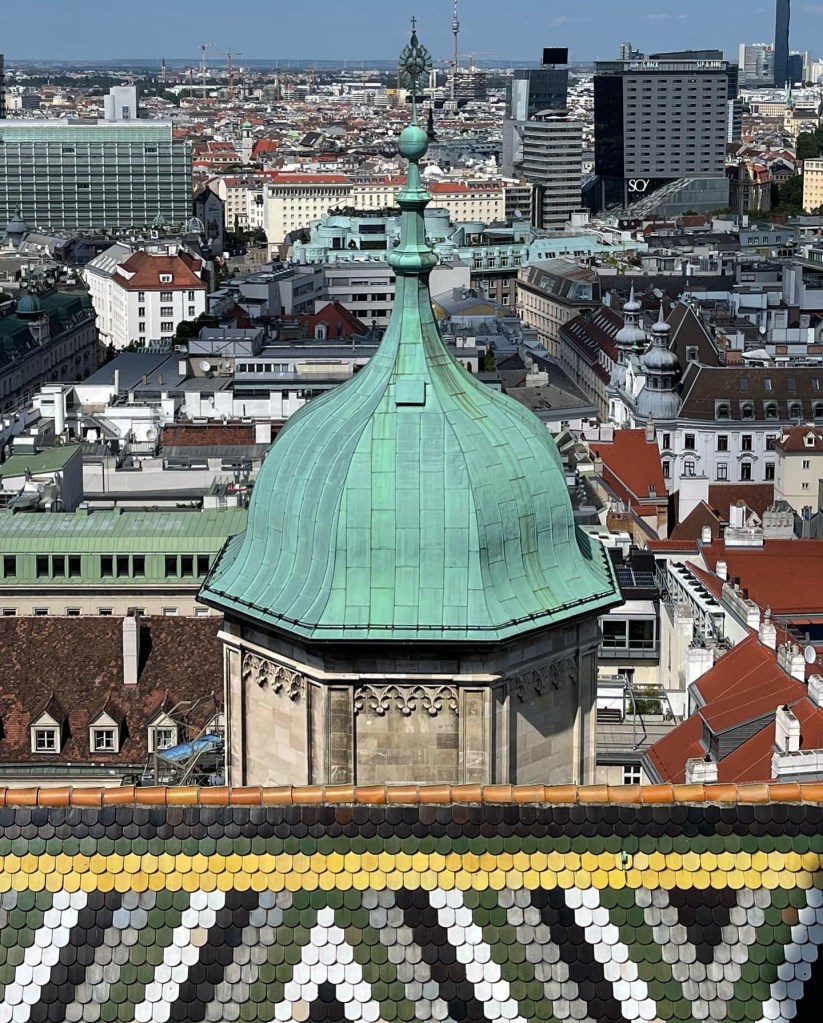
    The first impression a visitor may have of Vienna is that the city is far bigger than one might expect. The larger city looks and feels like the working city it is. Cranes all over the horizon indicate it’s still growing, and quickly. But for all its bigness the Old City itself is very walkable.

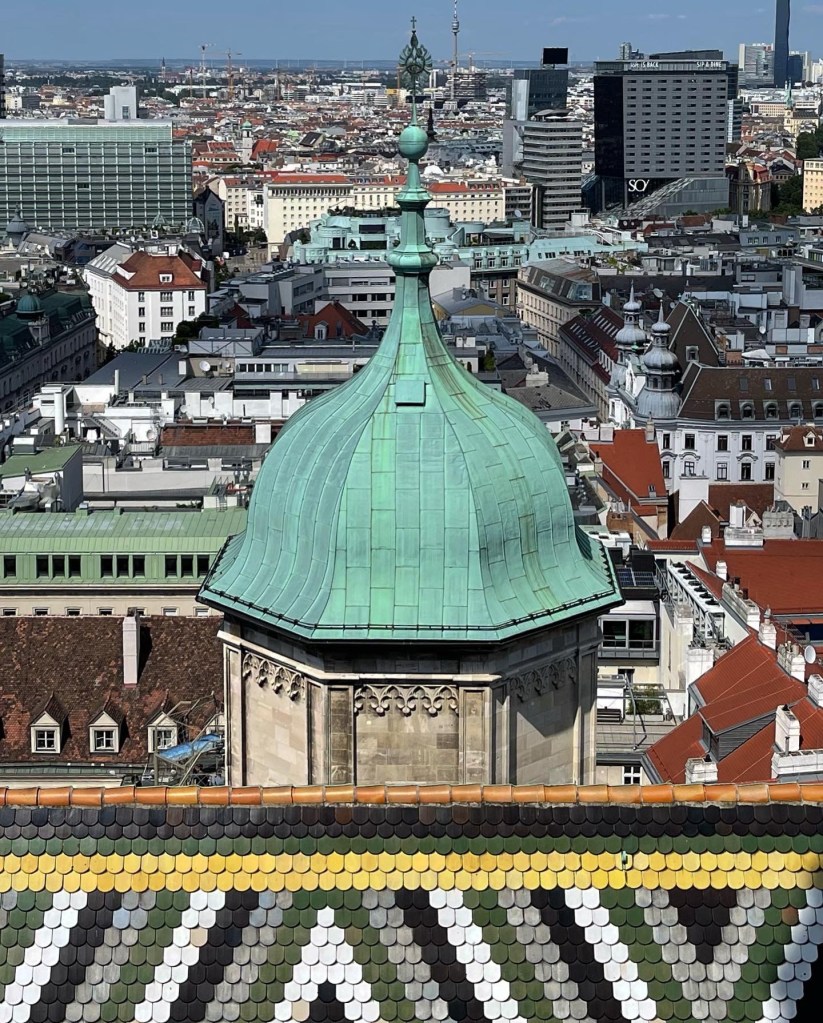
    Where do you go first when you visit Vienna? For me the choice was obvious: St Stephen’s Cathedral. Seeing the massive and ornate structure of the church itself was a goal, but climbing the 343 steps up the South Tower for the incredible views of the city was my underlying goal.

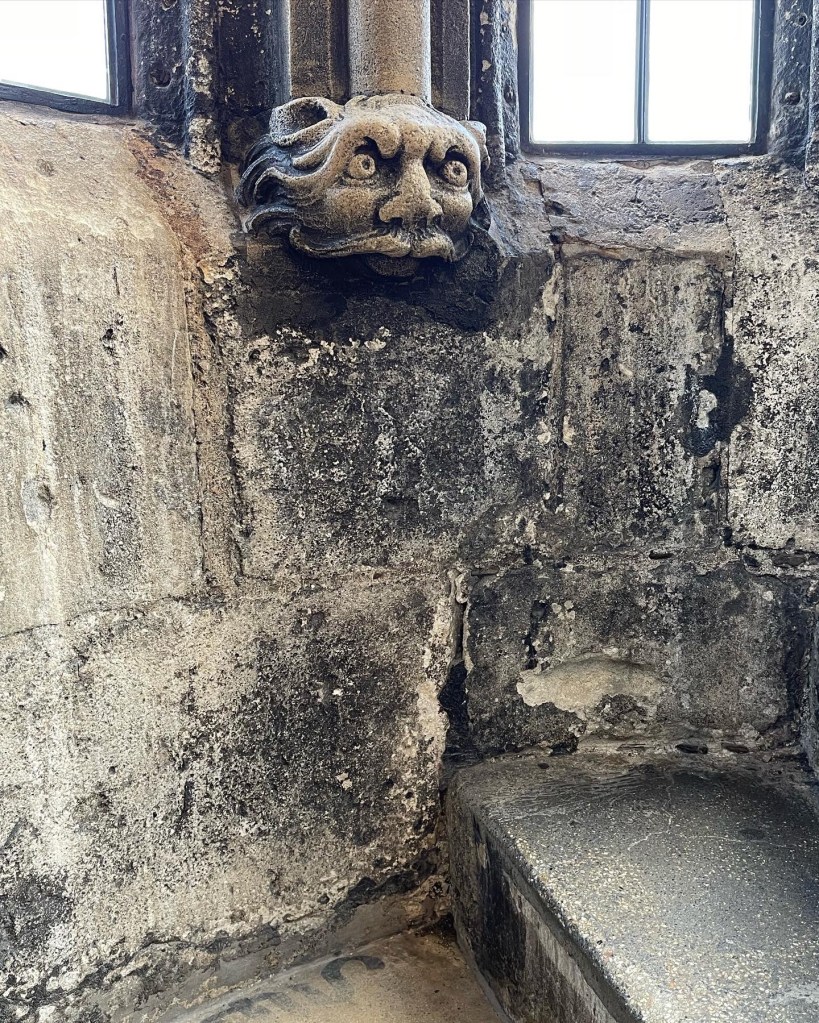
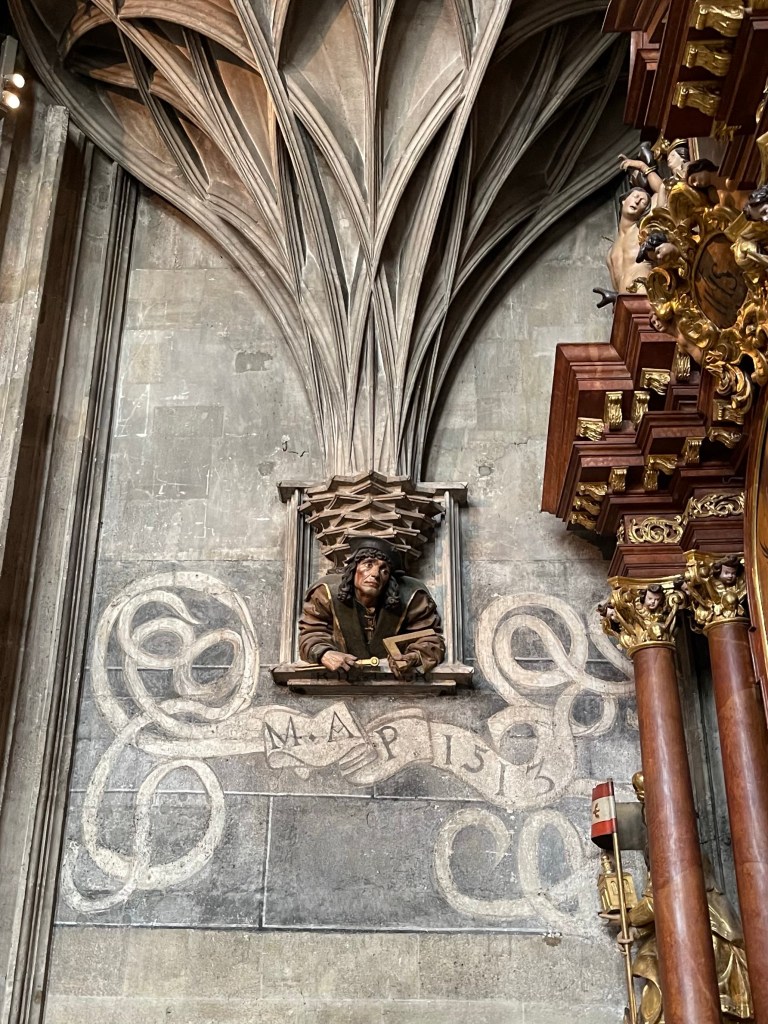
    Having seen the city from a high vantage point, it was time to find the details that make Vienna unique. One must walk an old city and find that which hides from casual visitors. This city offers something around every corner.

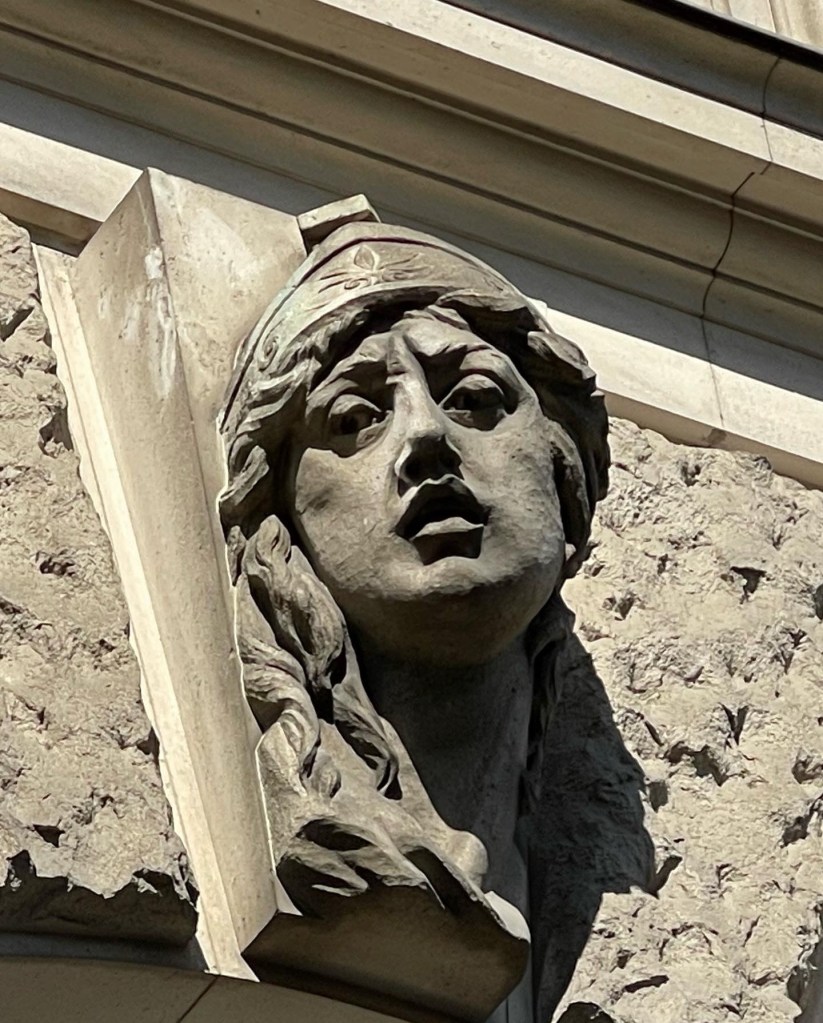
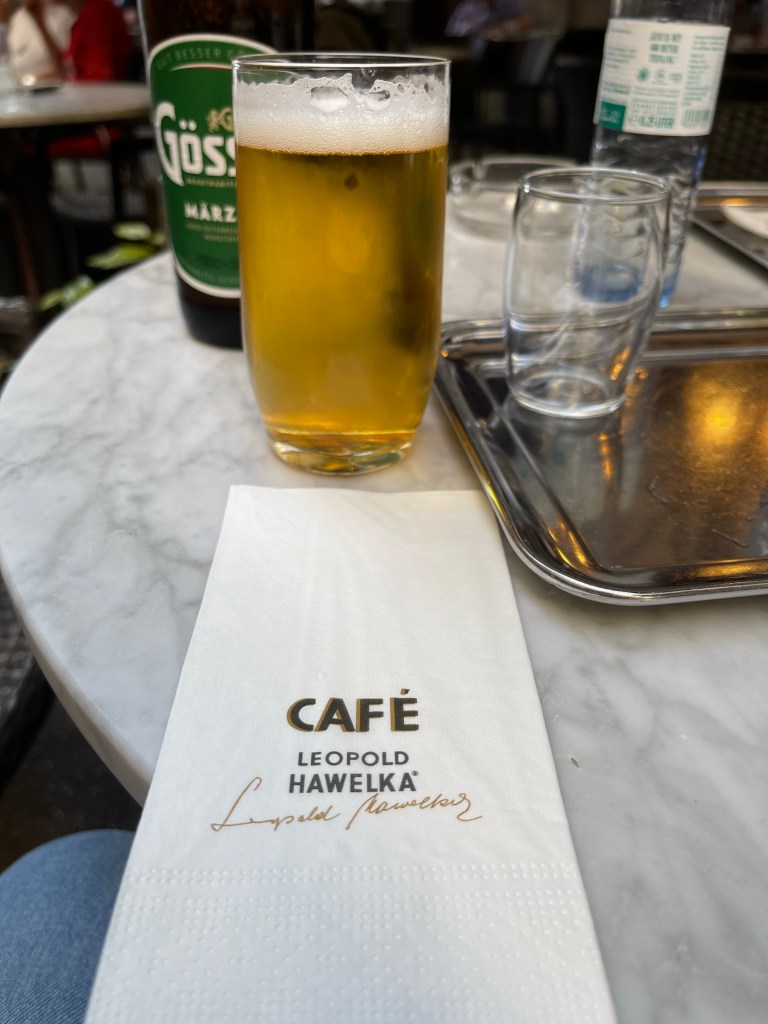
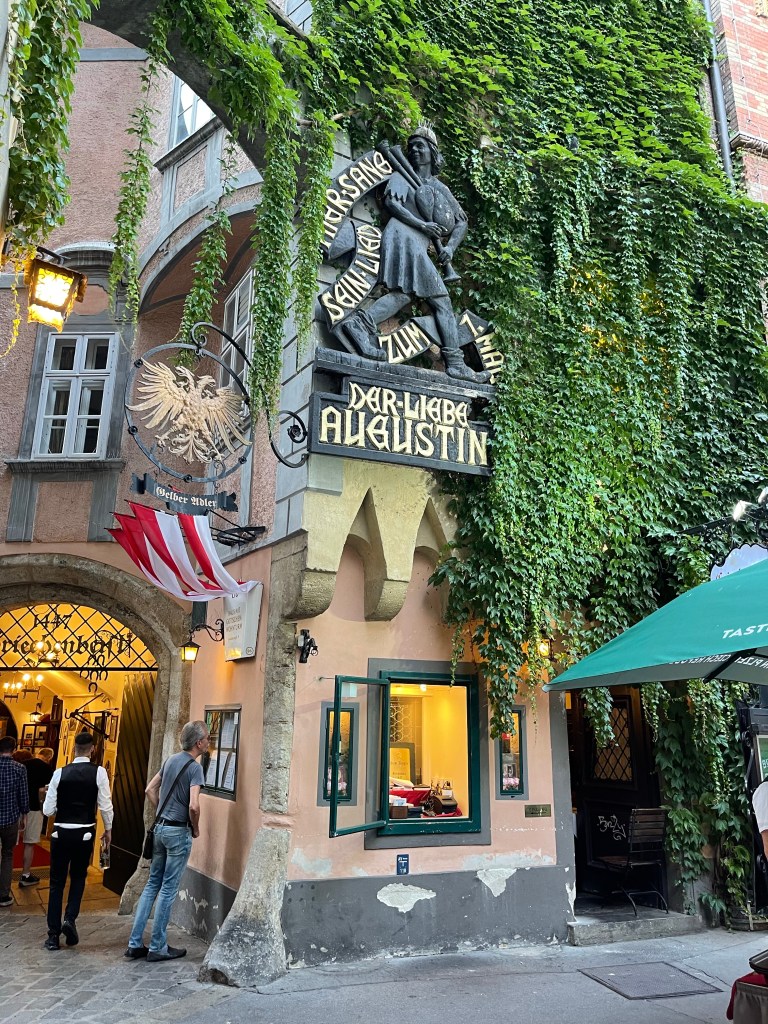
    When you’ve heard about Vienna your whole life don’t just skip across its surface like a stone, sink in! One should visit the palaces and museums and cafés to know Vienna, but you should also seek out the nooks and crannies where the place reveals its magic. Those who built this place leave a bit of themselves for us to discover, should we only look for it.

  • Silencing Voices

    “If you hear a voice within you say ‘you cannot paint,’ then by all means paint, and that voice will be silenced.” — Vincent van Gogh

    When we figure out the truth in van Gogh’s words dictates exactly how creative we’ll be at any given stage of life. He didn’t achieve “success” until he’d left this world, for us the world spends little time worrying about our feelings on the matter. The truth is we have but precious little time to silence our own voices and chase dreams. Why wait?

    The problem we have is we see what the masters do in any field, and compare our work to that. We have difficulty reconciling our incremental step towards mastery with the brilliant work of others before us, without ever considering the stumbles they took on their path. The work evolves when the mind puts aside resistance and gets to it.

    We’ve already made our mark on the world, subtle as it might seem. Our splash ripples even as we contemplate our next dive into the unknown. Knowing this, why not stretch our limits a bit on this next one? Silence our doubters one small step at a time.

  • A Different Perspective on Liberty

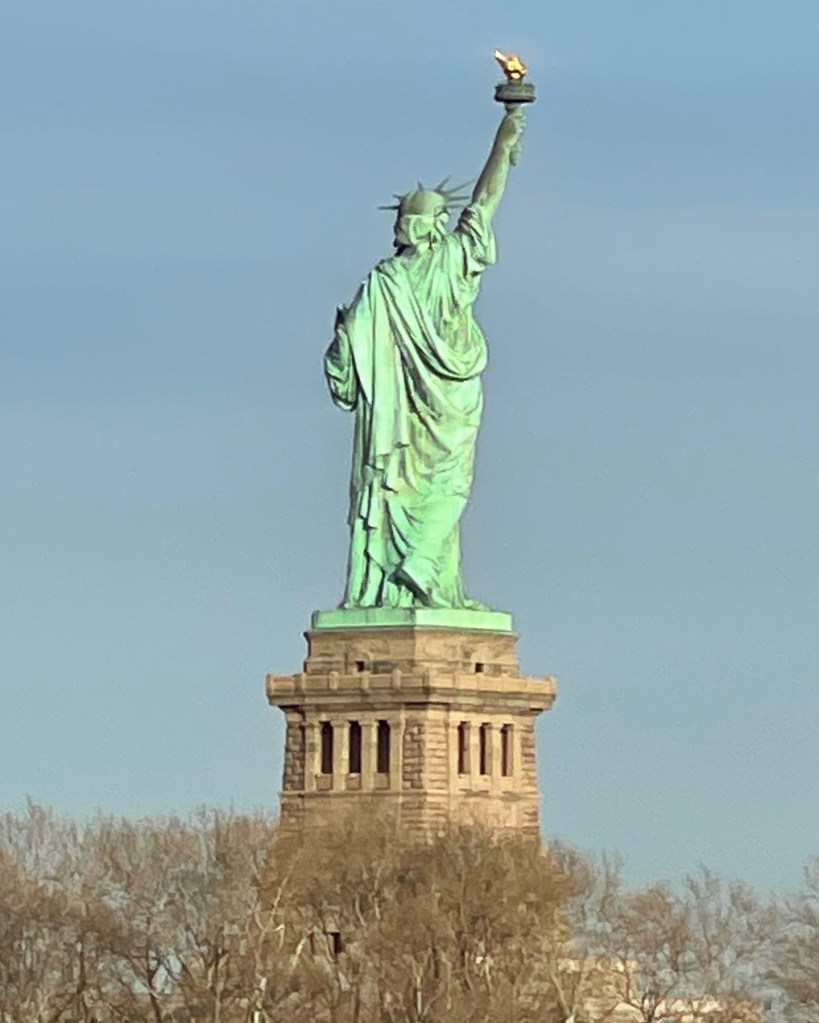
    When you see the Statue of Liberty from the New Jersey side, it feels a bit surreal. We’re all used to that image in our head of the face of Lady Liberty, but how often do we ever think of the back? Yet that’s what New Jersey sees. I recall a joke about Lady Liberty forever turning her back on New Jersey, but let’s flip that script around for what’s really been happening since 1886: New Jersey’s always had her back.

    Liberty Park offers a striking view of Manhattan and Frédéric Auguste Bartholdi’s bold vision of American liberty. He called his work “Liberty Enlightening the World”. Liberty represents the hopes and dreams of millions, standing exposed to the elements for 13+ decades. 1886 was within the lifetimes of Civil War veterans, think about what that statue meant to them. What it still means, when we look at the world with new perspective.

    Liberty connects generations, and she stoically stands, not just American’s, but for the world. The work was literally a gift from the Old World to the New. We ought to remember the message in the gift. Forget the people trying to co-opt her message for political gain, Liberty represents all of us. When you look at America’s Liberty from New Jersey, you aren’t just looking at it, you’re a part of it. And from that perspective, shouldn’t we all have her back?

  • The Rhizome Remains

    “We do not know how life is going to turn out. Therefore the story has no beginning, and the end can only be vaguely hinted at. The life of man is a dubious experiment. It is a tremendous phenomenon only in numerical terms. Individually, it is so fleeting, so insufficient, that it is literally a miracle that anything can exist and develop at all. I was impressed by that fact long ago, as a young medical student, and it seemed to me miraculous that I should not have been prematurely annihilated. Life has always seemed to me like a plant that lives on its rhizome. Its true life is invisible, hidden in the rhizome. The part that appears above ground lasts only a single summer. Then it withers away — an ephemeral apparition.
    When we think of the unending growth and decay of life and civilizations, we cannot escape the impression of absolute nullity. Yet I have never lost a sense of something that lives and endures beneath the eternal flux. What we see is blossom, which passes. The rhizome remains. In the end the only events in my life worth telling are those when the imperishable world erupted into this transitory one. That is why I speak chiefly of inner experiences, amongst which I include my dreams and visions. These form the prima materia of my scientific work.”

    Carl Jung, Memories, Dreams, Reflections

    Our lifespan is but the bloom that eventually withers away, yet the rhizome remains in our spirit and the work we leave behind for others. Think of the traits we see carry from generation to generation. Think of the art and music that resonates long after the composer has withered away. We have people that stay with us for the rest of our days; we can see the twinkle in their eye, we can hear their laughter. Life is Jung’s ephemeral apparition, but as we feel of those who have transcended this world, the physical manifestation of our being isn’t all there is of us.

    Our season is very short, but rooted below the surface we’re anchored to eternity. And this, when you think about it, offers a bit of hope in this ridiculous game of living. For we come and go in our season, but our rhizome remains. There’s a sense of permanence in that, as we make the most of our impermanent time in bloom. We shine in our time and offer what we might to those who carry on.

    The present season, anchored to eternity