Category: Art

  • A Day at The Met

    The first thing you learn when you spend a day at The Metropolitan Museum of Art is that a day is comically not nearly enough time to see everything. A year at The Met might do. And be sure to capitalize that T in “The” because the official name is what it is and details matter. In matters of affectionate familiarity, it’s perfectly fine to simply call it The Met.

    Comic or not, I had one random Thursday for a Met marathon. The only thing to do is to get to it—to meander through the maze of exhibits, to see, to linger on art that whispers for you to be with it for a moment, to eavesdrop on tour guides as they drop insight on what seemed randomness a moment before, to gawk at the famous and smile at the packs of teenagers giggling about the lack of fig leaves, and to move relentlessly through as much of the collection as time and mental capacity allows. As with all things, we hope to return again one day and pick up where we left off. Like that expression about the river, we will have changed in the interim, and everything we see will seem different with that new perspective.

    Claude Monet, "Bouquet of Sunflowers", 1881
    Claude Monet, “Bouquet of Sunflowers”, 1881
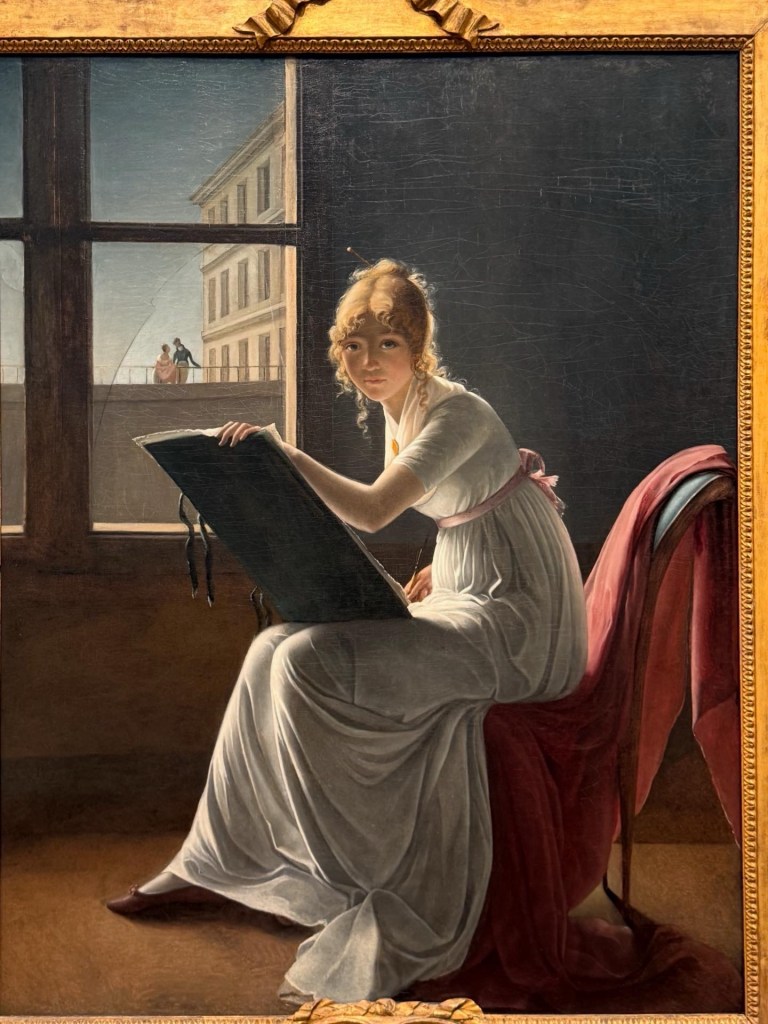
    Marie Denise Villers, Marie Joséphine Charlotte du Val d'Ognes (1786-1868), 1801
    Marie Denise Villers, Marie Joséphine Charlotte du Val d’Ognes (1786-1868), 1801
    Jean-Baptiste Carpeaux, Why Born Enslaved!
    Jean-Baptiste Carpeaux, Why Born Enslaved!
    Claude Monet, "Bridge over a Pond of Water Lilies", 1899
    Claude Monet, “Bridge over a Pond of Water Lilies”, 1899
    August Rodin, "Beside the Sea", 1907
    August Rodin, “Beside the Sea”, 1907
    William Bouguereau, "Breton Brother and Sister", 1871
    William Bouguereau, “Breton Brother and Sister”, 1871
    Vincent van Gogh, "Wheat Field with Cypresses", 1889
    Vincent van Gogh, “Wheat Field with Cypresses”, 1889
    Bronze statuette of a satyr with a torch and wineskin
    Bronze statuette of a satyr with a torch and wineskin
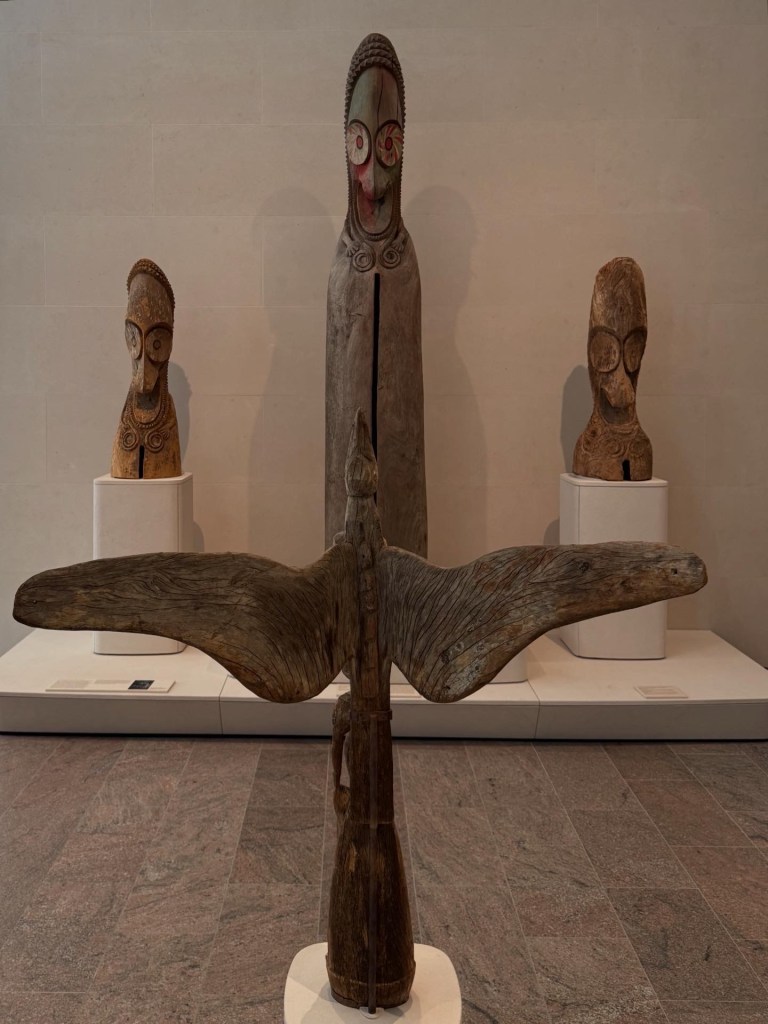
    Foreground: Finial for a ceremonial house, Sawos artist; Kaimbiam village, Middle Sepik River, Papua New Guinea
Background: Finials from Ambrym Island artists; Fanla village, Vanuatu
    Foreground: Finial for a ceremonial house, Sawos artist; Kaimbiam village, Middle Sepik River, Papua New Guinea
    Background: Finials from Ambrym Island artists; Fanla village, Vanuatu
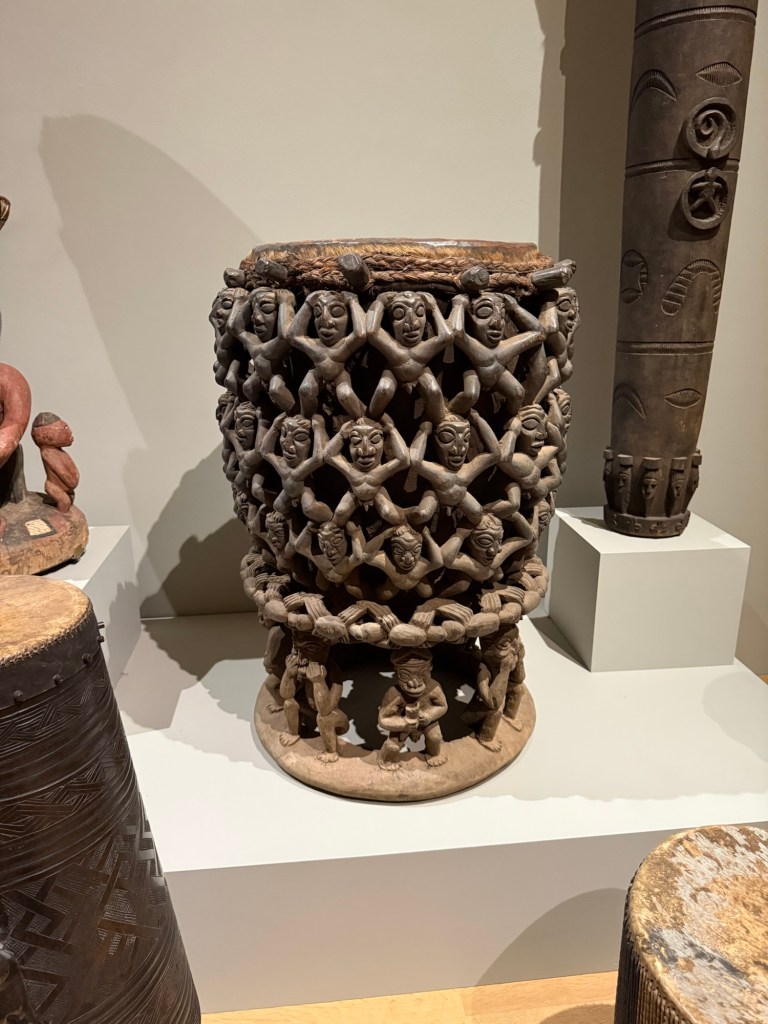
    Drum
Possibly Babungo/Vengo people
Cameroon, ca. 1940
    Drum
    Possibly Babungo/Vengo people
    Cameroon, ca. 1940
    Arms and Armor Room from above
    Arms and Armor Room from above
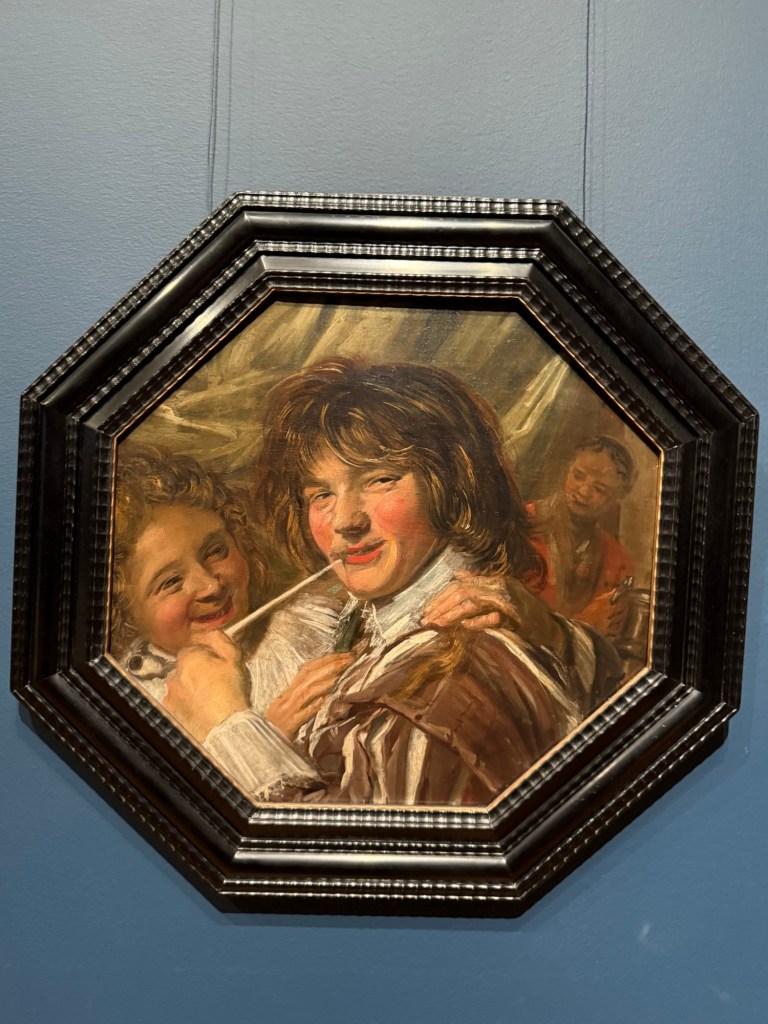
    Frans Hals, "The Smoker", ca. 1623-1625
    Frans Hals, “The Smoker”, ca. 1623-1625
    Pablo Picasso, "The Blind Man's Meal", 1903
    Pablo Picasso, “The Blind Man’s Meal”, 1903
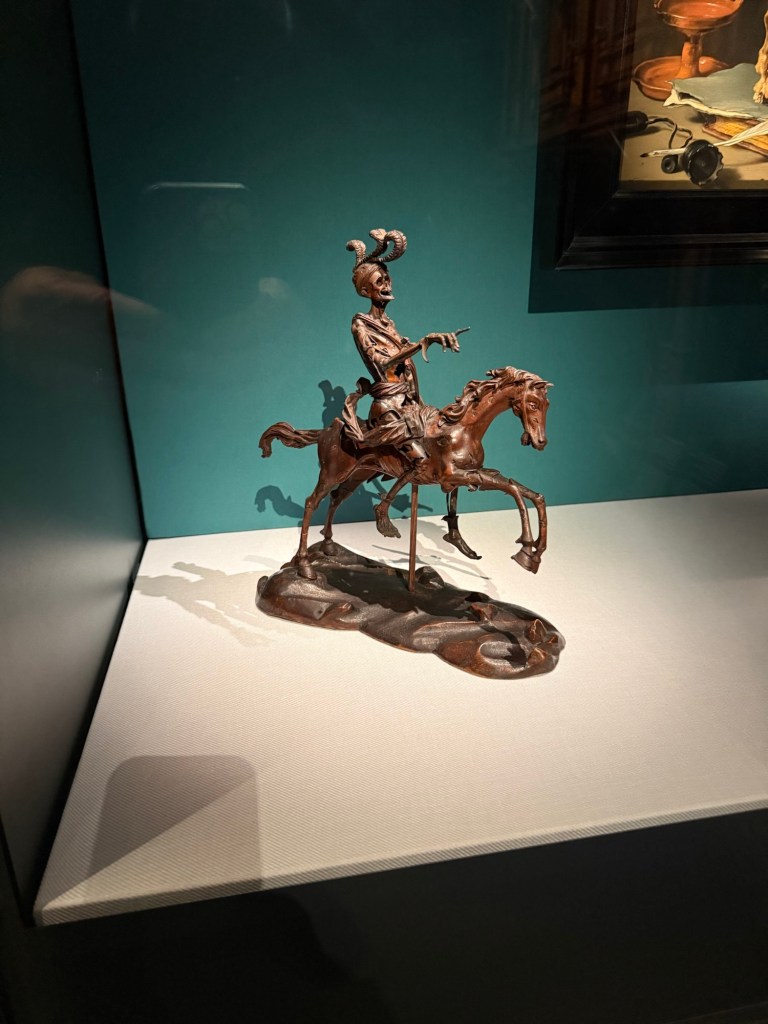
    Death
German, mid-17th century
Lindenwood with traces of pigment, spruce base
    Death
    German, mid-17th century
    Lindenwood with traces of pigment, spruce base
    Auguste Rodin, "The Burghers of Calais"
    Auguste Rodin, “The Burghers of Calais”
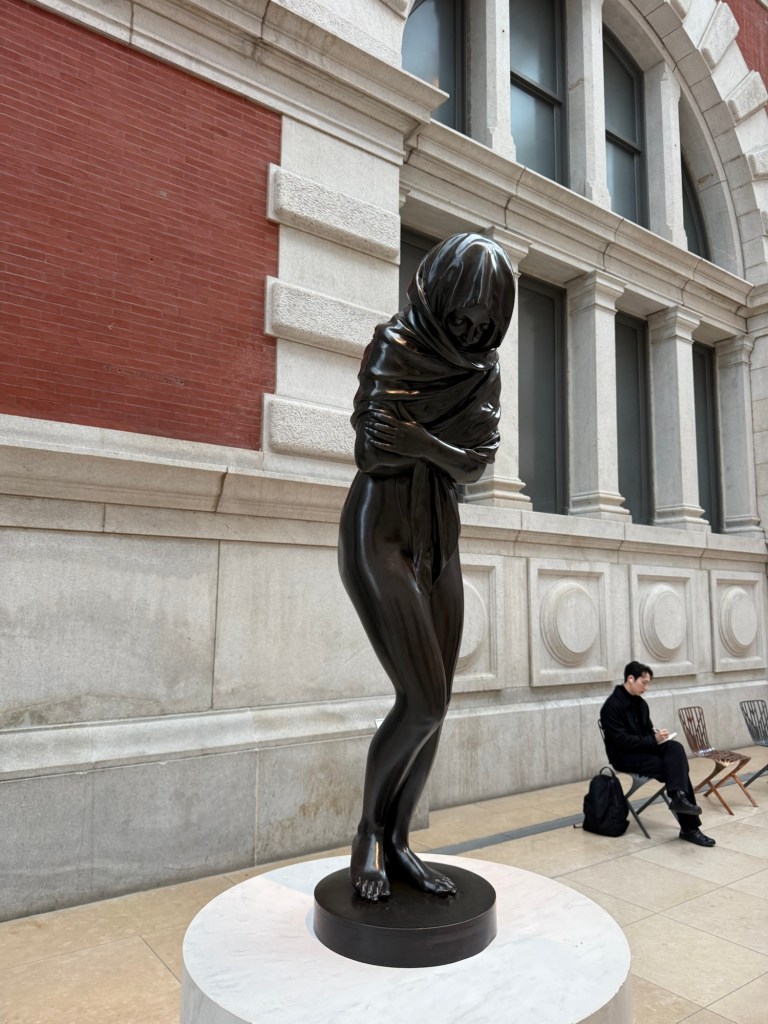
    Jean Antoine Houdon, "Winter", 1787
    Jean Antoine Houdon, “Winter”, 1787
    Fireplace Surround
Attributed to Désiré Muller, ca. 1900
    Fireplace Surround
    Attributed to Désiré Muller, ca. 1900
    Harriet Whitney Frishmuth, "The Vine", 1921 (this cast 1924)
    Harriet Whitney Frishmuth, “The Vine”, 1921 (this cast 1924)
    Antonio Canova, "Perseus with the Head of Medusa", 1804-6
    Antonio Canova, “Perseus with the Head of Medusa”, 1804-6
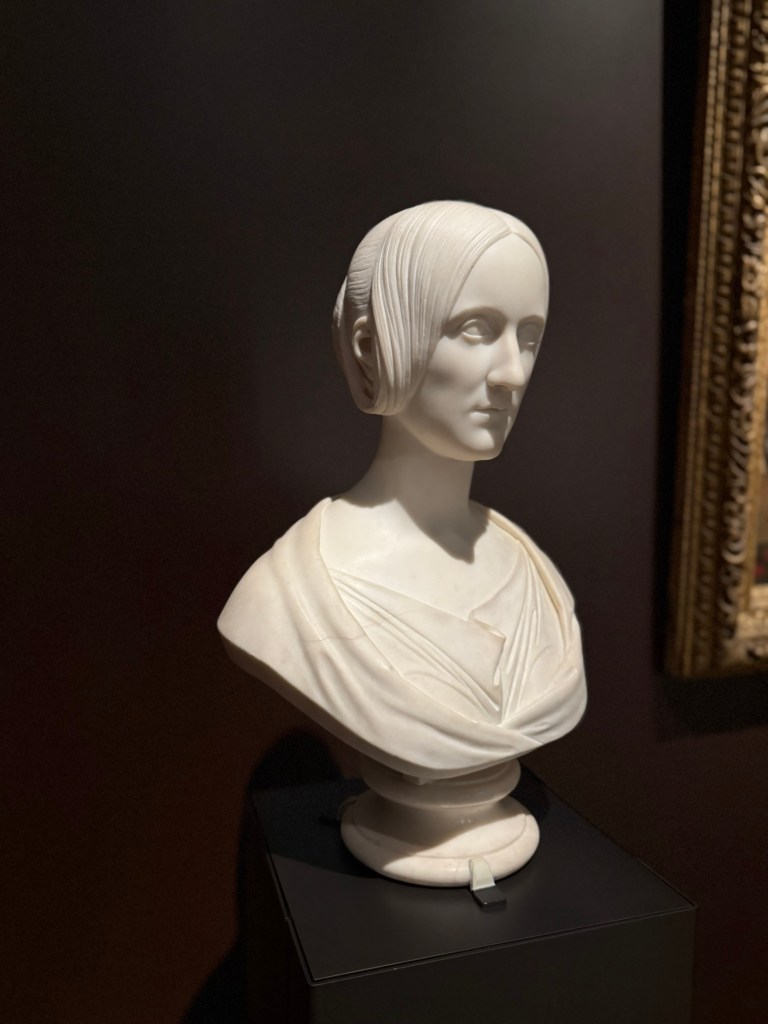
    Camillo Pistrucci, "Mary Shelley", 1843
    Camillo Pistrucci, “Mary Shelley”, 1843
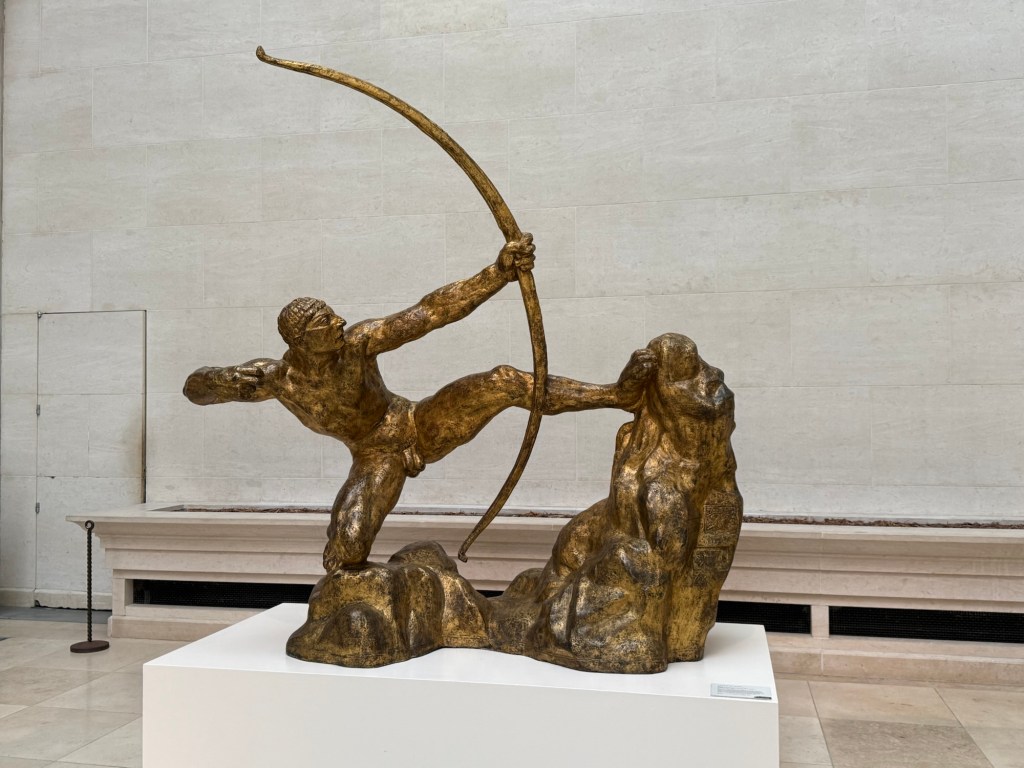
    Émile-Antoine Bourdelle, "Herakles the Archer", 1909
    Émile-Antoine Bourdelle, “Herakles the Archer”, 1909
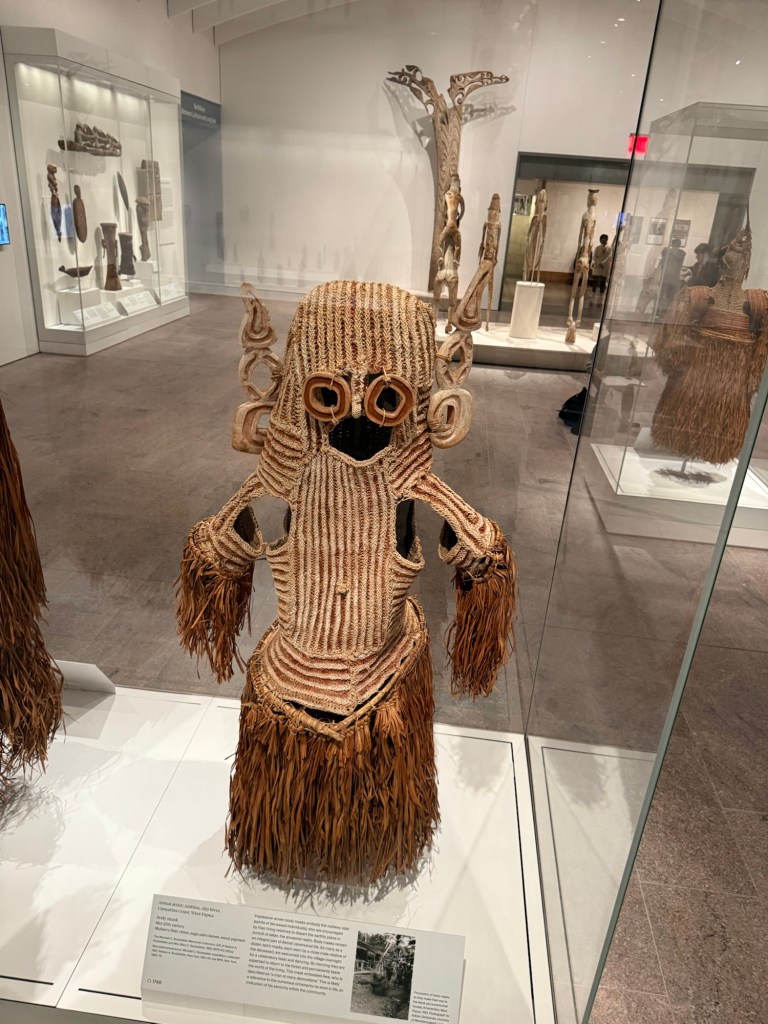
    Body Mask
Asmat artist; Ambisu, Ajip River, Casuarina Coast, West Papua
    Body Mask
    Asmat artist; Ambisu, Ajip River, Casuarina Coast, West Papua
    Bronze helmet of the Illyrian type
Greek, late 6th-early 5th century, B.C.
    Bronze helmet of the Illyrian type
    Greek, late 6th-early 5th century, B.C.
    Mechanical Table
Workshop of David Roentgen, ca. 1780-90
    Mechanical Table
    Workshop of David Roentgen, ca. 1780-90
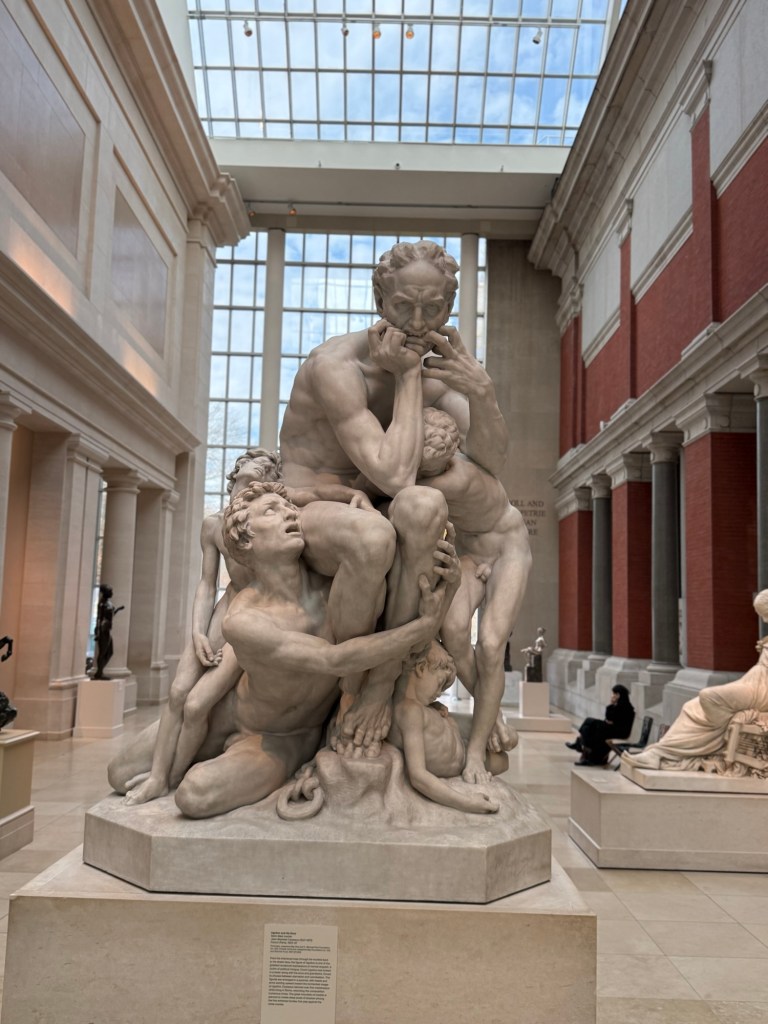
    Jean-Basptiste Carpeaux, "Ugolino and His Sons", 1865-67
    Jean-Basptiste Carpeaux, “Ugolino and His Sons”, 1865-67
    Augustus Saint-Gaudens, "Hiawatha", 1874
    Augustus Saint-Gaudens, “Hiawatha”, 1874
    Asmat artist, Yamas village, West Papua
Wuramon (spirit canoe)
    Asmat artist, Yamas village, West Papua
    Wuramon (spirit canoe)
    Bronze ornament from a chariot pole
Head of Medusa
Roman, 1st-2nd century A.D.
    Bronze ornament from a chariot pole
    Head of Medusa
    Roman, 1st-2nd century A.D.
  • Applied Focus

    “Is it interesting or important?” — Mike Vrabel, New England Patriots Head Coach

    After a couple of days away from home, the cat is especially expressive, meowing relentlessly for attention. Attention given, she is quiet for a few seconds, then begins again. There’s no creative space for writing with a cat meowing for your full attention. But that doesn’t matter, does it? This is the time to write, and so the writing happens anyway.

    The world doesn’t care if we want to focus.

    Is it interesting that the Louvre was just robbed in 7 minutes? Yes, because the robbers changed the game by shortening the time between detection and response, which will impact security globally. When you think about things like security for a living, that fact is more than interesting, but important. It’s too soon for all the answers, but finding more effective ways to detect, delay and respond to future threats is what security professionals will focus on next, even as others search for the robbers from this event. It’s a tragic development for art lovers either way, both for the loss and for the potential restrictions to access it may create in an attempt to mitigate the impact of future threats.

    Interesting will distract us all day if we let it.

    Applying focus is how we take charge of our days. After giving attention, and food to the cat, she’s still inclined to meow into my creative space. Noise-cancelling headphones playing Mark Knopfler’s Wild Theme on repeat will allow me to finish this blog post, and then pay attention to the cat again. What’s important to her is not necessarily important to me in this moment. The dog, bless her, gives me precious presence but also space to think.

    We become what we focus on the most.

    How do we win the day? One small win at a time. The pets deserve some attention first thing in the morning, but after that, our priorities deserve a little attention too. What are the important tasks that must be focused on to make today successful? What can we do to enhance our ability to accomplish these tasks? Interesting steals from important every day. It’s up to us to focus on the right thing, right now.

    So focus on the important at the expense of interesting.

  • Always Mine Time

    “When I paint a picture, the time it takes will always be mine, or I get something out of it; time doesn’t end because it has passed. I feel sick when I think about the days that are passing—interminably. And I don’t have anything, or I can’t get at it. It’s torture; I can get so furious that I have to pace the floor and sing something idiotic so that I won’t start crying with rage, and then I almost go crazy when I stop again and realize that meanwhile time has been passing, and is passing while I’m thinking, and keeps on passing and passing. There is nothing so wretched as being an artist.” — Jens Peter Jacobsen, Niels Lyhne

    When we stumble across that which captures our move through time, traps it in amber as Vonnegut put it, we realize the infinite—that which is timeless. Timelessness is itself an illusion, as is time, we simply capture our passage through it with something that will outlast us.

    Do you doubt this? Look at an old photograph from a moment in the past and feel what stirs within. Read an old letter, when people still wrote those, and see what is captured in amber. I write this blog post, as with all the rest of them, knowing that once I hit publish it becomes always mine time—this moment of thought and emotion and intellectual momentum (or perhaps inertia) are now captured. I move on to the next thing in my day, and the next; passing and passing. What of the rest is captured? Precious little, but these words remain.

    What artist hasn’t felt swept up in the moment of creation? What artist hasn’t felt the emptiness of uncreative moments? We must be productive in our time, or watch it drift away like so many empty days. The only answer to the coldness of time is to do work that matters, and to strive towards mastery in it. Personal excellence (arete) may be forever out of reach, but to reach for it is to make something more out of… time.

  • Walls Be Damned

    “Art may only exist, and the artist may only evolve, by completing the work.” — Rick Rubin, The Creative Act: A Way of Being

    I was reading some poetry, thinking that maybe I’d include it in today’s blog, and each poem spoke to me reluctantly—’tis not our day to be turned about in your precious blog. I know a cold shoulder when I encounter one. We must never force the issue, for we’d all know the truth of the matter soon enough. Some days we must simply work our way through our walls without the dance of poetry and song to light our way.

    Ideas come easy. It’s the work to realize them that is difficult. Writing every day is a form of paying penance to the muse, but also a ritual of doing what I said I was going to do, if only for this hour or two before the day washes over me. Excellence is a habit—right Aristotle? Well, this work in progress aspires towards excellence, as we all should in our pursuits, even knowing we will fall short. Ah yes: short, but ever closer. That’s the thing, friend.

    Having completed a blog, having clicked publish, the muse feels satiated and the pressure is off until tomorrow morning, when it will press upon me yet again. But there are other stories to tell, deferred indefinitely. Will those stories pass with me one day, or will I finally bring them to light? That’s the curse of the creative mind, knowing there’s more to tell, but for more time. The only answer is to just do the work—walls be damned. For our time together is only so long, and there’s so very much to bring to light.

  • A Dream of September

    “One of the most powerful wellsprings of creative energy, outstanding accomplishment, and self-fulfillment seems to be falling in love with something—your dreams, your image of the future.” — Ellis Paul Torrance

    If August infers grandeur and majesty, September—Sept—is related both to the clan (Scottish) or simply seven (French). The Highland Games return to New Hampshire, uniting the clans once again, and this was once the seventh month until some knucklehead added two months to the beginning instead of the end of the calendar, forever screwing up the logical order. Isn’t it funny how so many buy into a flawed story? We humans are completely illogical. But I digress…

    When you live in New England, September infers the beginning of magic. This is the high holy season of change and enlightenment. It’s a time of harvest, cooler days and the formal return to learning. We ought to listen to the rhythm of the season and embrace the transformation we wish to embark upon.

    We can literally feel it in the air—these thirty days of September are neatly packaged for life change. We must listen to what whispers. So what stirs within? Our creative energy demands a departure from what was towards what will be. And what a thrill to be a part of it!

    My enthusiasm may seem over the top, but isn’t this the place from which transformative action is born? Dreams aren’t meant to be dull and plodding, but crisp and bursting with flavor, like an apple awaiting plucking with a twist of the wrist. September is upon us, so what shall we harvest in our season? Dream big and get to work. This dream of September moves so quickly.

  • Boundless As the Elements

    “There is no theory. You have only to listen. Pleasure is the law. I love music passionately. And because l love it, I try to free it from barren traditions that stifle it. It is a free art gushing forth — an open-air art, boundless as the elements, the wind, the sky, the sea. It must never be shut in and become an academic art.”
    ― Claude Debussy

    Listen to Clair de Lune again, having read Debussy’s purpose for writing music. There’s magic in the music, released to dance in the moonlight—and with our imagination. It’s a breathtaking journey taken five minutes at a time. Sometimes I’ll simply play it on repeat and write, that I may reach the places the piece will take me to. May we all reach that level of mastery in our own work.

    Debussy was inspired to write Clair de Lune by a poem of the same name, written by Paul Verlaine. The poem is breathtaking in it’s own right, and one can see why Debussy drew inspiration from it. We in turn may draw inspiration from each ourselves. L’amour vainqueur et la vie opportune

    Below is a wonderful translation of it by Chris Routledge in The Reader:

    Votre âme est un paysage choisi
    Que vont charmant masques et bergamasques
    Jouant du luth et dansant et quasi
    Tristes sous leurs déguisements fantasques.

    Tout en chantant sur le mode mineur
    L’amour vainqueur et la vie opportune,
    Ils n’ont pas l’air de croire à leur bonheur
    Et leur chanson se mêle au clair de lune,

    Au calme clair de lune triste et beau,
    Qui fait rêver les oiseaux dans les arbres
    Et sangloter d’extase les jets d’eau,
    Les grands jets d’eau sveltes parmi les marbres.

    Your soul is a select landscape
    Where charming masqueraders and bergamaskers go
    Playing the lute and dancing and almost
    Sad beneath their fantastic disguises.

    All sing in a minor key
    Of victorious love and the opportune life,
    They do not seem to believe in their happiness
    And their song mingles with the moonlight,

    With the still moonlight, sad and beautiful,
    That sets the birds dreaming in the trees
    And the fountains sobbing in ecstasy,
    The tall slender fountains among marble statues.

    — Paul Verlaine, Clair de Lune (Moonlight)

    Here lies the beauty of the creative life. We write and create art that represents our verse, shared with humanity for as long as beauty rises above tyranny. Life is surely bounded with an expiration date stamped for each of us. Our timelessness isn’t our physical presence, it’s the ripple of spiritual presence carried onward through relationships (love) and our creative expression, as boundless as the elements (should we set it free).

  • Whispering in the Maelstrom

    “There are three classes of people: those who see. Those who see when they are shown. Those who do not see.”
    — Leonardo da Vinci

    Recent visits to modern art museums stretched my perspective on things I previously hadn’t seen. When we’re rushing past a work of art to go see something more accessible, we’re never going to absorb what the artist was trying to tell us. To find our own pace, set for discovery, opens up our senses in ways that we never might have reached otherwise. This level of awareness is transferrable to the rest of our lives, but it requires elbow room to grow.

    We live in a time where anyone can believe anything and get someone to follow along if they shout long enough in the right direction. Personally, I’m tired of the ambient noise. I’ve worked to back away from much of the technology that amplifies the uninformed or self-righteous in favor of deeper waters. We humans think and see and feel best when we aren’t floating in a soup of chaos. Heightened awareness comes from focus.

    I believe I saved my life this summer by focusing on fewer things, just when many things erupted all at once. Maybe not my imminent demise, but by avoiding an irreversible downward trend of declining health, rising stress and perpetual distraction. Most of our physical and mental health problems are based on accumulating and holding on to toxins: trans fats, sodium, alcohol, angry people, social media, stagnation… you get the idea. We must learn to stop collecting all this garbage in our lives if we are to ever reach clarity again.

    The thing is, it’s easy to stay on the carousel. It’s easy to get back on it too. We catch a glimpse of the bright lights and galloping horses, hear the catchy music and we’re drawn in. To walk away from all of that life wants to throw at us is difficult by design, but it’s the only way to finally see what else is out there in the world, wanting our attention—beginning with that inner voice whispering in the maelstrom for us to follow a different path while there’s still time.

  • Story Weaving

    “To achieve great things, two things are needed: a plan and not quite enough time.” ― Leonard Bernstein

    The end of July regularly presents a staggeringly quick departure of the potential of summer. August brings us the dog days of summer, and for many, an early return to the structure of school or work. I used to believe that summer ended after the 4th of July. Nowadays I don’t worry as much about beginnings and endings of seasons, but note the changes nonetheless. We have the time we have. Use it or lose it. It’s the beginning of harvest time—but what have we sown?

    Summer changes by the day, and of course, so do we. Instead of regretting the passing of time, we ought to focus on what we’re doing with it now. We make our grand plans—how are those going? When is that novel coming out anyway? How about that fitness routine started and restarted again? Books read? Projects completed? The list goes on, but we know the score. Life has its say. It’s up to us to weave our story in and around all that happens along the way.

    Right on queue as I’m writing this, my phone is erupting with work messages pulling my attention away from completing this very blog post. It can be challenging to be mindful and creative when the world demands attention. Turning off the noise isn’t always possible when we live a full life, but we must train ourselves to block off time for the sacrosanct. To fritter and waste the time in an offhand way (thank you Pink Floyd) must be thought of as egregious. For we will never pass this way again (thank you Seals & Crofts).

    To live a creative, fulfilling life, we must find the time, even when there isn’t any time. Put down the phone, turn away from the noise, and focus on the inviolable core hiding behind that superfluous material that must be chiseled away to find (with a nod to Michelangelo). We have the time we have, we have our dreams we wish to pursue in that given time. It’s up to us to realize those dreams. It’s our mission if we choose to accept it (thank you… oh forget it). Just keep weaving, friend. For now is all we have.

  • The Produce of Our Season

    “Work while you have the light. You are responsible for the talent that has been entrusted to you.” ― Henri Frédéric Amiel

    I went to a local farm stand to find some fresh produce. The woman at the register asked me how my winter had been. We know each other through produce transactions from mid-summer to early autumn, and little more than that. So winter in this instance meant the time from October to the 4th of July. Every conversation I’ve ever had with this woman has revolved around the variability of the growing season, the way to deal with groundhogs who snack on your tomatoes (with extreme violence, she suggests helpfully), and when they expect to have certain vegetables that aren’t yet available. Transactional, but pleasant conversation—but of course, I’m not a groundhog.

    A farm functions with the seasons. You must do the work to sustain the farm, grinding out the days with productivity. There’s no time to waste on a farm if you have any expectation of making a living from it. A farmer manages urgency and purpose with every waking moment. There is nothing unclear about the days on a farm. Grind it out again and again until the harvest, take a deep breath and start all over again… and again still.

    Would we only have this level of clarity in our own creative work. We know that there is work to be done, for there is still a fire within. Of this there is no question. The question has always been, what will stoke the fire and warm the soul? Do we dabble in uninspiring work, merely to make ends meet? Or do we dive deeply into finding the light within, wrestling demons to bring it to the surface? What are we producing that adds value?

    We are each entrusted with a unique combination of talent and perspective. We must learn to make the most of these gifts in the growing season we have before us. Like the farmer, we must feel the urgency of the day at hand, we must wrestle with our purpose and push through the challenges that each day presents. When we look at the farm stand that is our own work, what have we produced? There lies the truth of our season. There lies the answer for what we must do next.

  • This is Not Enough

    “There are some days when I think I’m going to die from an overdose of satisfaction.” ― Salvador Dalí

    This summer, I’ve changed.
    A lot.
    Some people have noticed the changes,
    most have not…
    Ahh, but I have.

    Whatever leaps forward we make ought to be celebrated, but not lingered on. For we must reach further still. We must seize what flees, as Seneca warned us. To be complacent is to wither in place. To be satisfied is to leave our best on the table, conceding that we weren’t all that after all. Screw that! We must keep moving. We must keep changing and growing and discovering more of that untapped potential lying dormant under years of apathy and bliss, For this—this is not nearly enough.

    Some days this blog is just behind where I’ve landed. Some days it deceives the reader, for I’ve already crossed a chasm to another place. Today’s blog is just where I am—hitting some milestones, hungry for more and not nearly satisfied, poised to leap into the unknown again and again. We all must feel this way to become who we were meant to be. We all must put aside who we once were for something more compelling. That is our mission each day we rise to face the challenges change brings to us.

    “Non est ad astra mollis e terris via (There is no easy way from the earth to the stars)” ― Seneca

    A Seneca-heavy post today, but when the philosopher fits, wear it. The thing is, quotes and poems and our own words are nothing but affirmation until we do the work to close the gaps. It’s easy to say we’ll do something, harder to actually do it. Action, not words, are all that count in the end. Dissatisfaction is a trigger for the work that must follow to be all that we can be in this short go with a vibrant life. Being infers action. It is the creative act of climbing to possibility. For there is no easy way from the earth to the stars. We must go to them.