Category: Exploration

  • Sunrise and Mosquitoes

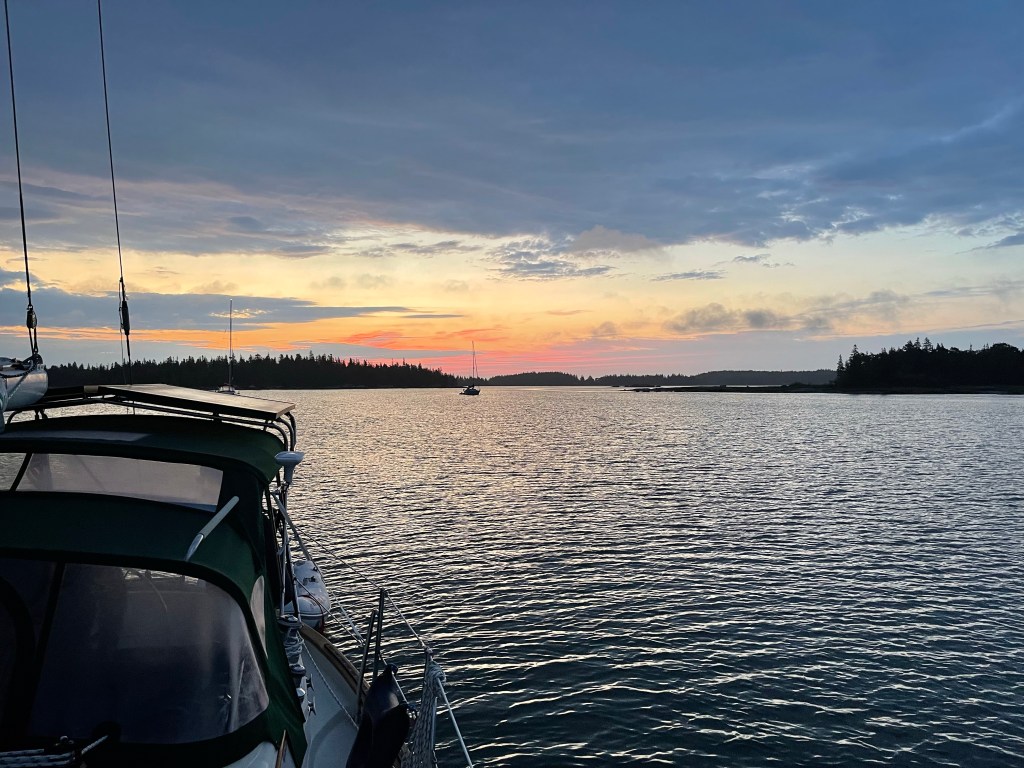
    Seal Bay, Maine. 04:30 and a brightening sky. There’s a strong probability of magic in the air. To get up or to linger awhile in the finally-comfortable position I’d found? The answer is obvious by now—up and at ‘em.

    Moving slowly as not to awaken the crew (who inevitably were awakening anyway), I slid open the hatch with an unwelcome bang that turned my intentions upside down. “Sorry,” I mumbled quietly. There’s just no sneaking around on a sailboat.

    Outside, the sky began to glow, as a light breeze carried wispy clouds of fog across the cove. Sitting a few beats, I heard the familiar song of a mosquito buzzing nearby. Damn. Soon another. We take the good with the bad in this world, and reconcile it as best we can. I celebrated a pristine, quiet cove distracted by a hungry swarm of fast flyers. “Such is the way,” whispered an understated sunrise rising above it all. And so it was.

  • Finding Soulfulness in Inefficient Places

    “Everything that feels soulful in life is inefficient. All the vacations that we find very soulful are inefficient places. The food that we really, really like and find soulful are inefficient to cook… maybe soulfulness is a function of chaos and inefficiency... It is impossible to imagine scaling in life without standardizing. And standardizing is the enemy of soulfulness.” — Kunal Shah, Interviewed on The Knowledge Project

    Don’t you feel the weight of truth in Shah’s words? Don’t we feel the lack of soulfulness in a “corporate” vacation destination versus the times we march to our own beat? Who seeks out a national restaurant chain for soulfulness and individual expression by the chef? No, we go to places like Disney World and Applebees for the predictability—good product delivered as expected. No need for translation or a Google search, it’s. just. as. expected. <yawn>.

    We all seek predictable when we can. Heck, I stayed at a Hilton in Vienna instead of a boutique hotel because I could use points and I knew there would be an iron and ironing board in the closet—because there is always an iron and ironing board in the closet of every Hilton property I’ve ever stayed in anywhere in the world. Sometimes you don’t need soulfulness, you just need to iron a damned shirt yourself.

    Contrast this my hotel in Castelrotto, Italy, where our room didn’t have a window but a skylight, no air conditioning or fan, uneven floors and a reception desk in another building down the street. The bell in the tower right above our heads through that open skylight would begin ringing at 06:00 sharp. And you know what? I loved it. The building was older than the United States, that bell was ringing long before I entered this world and the breakfast was a lovely spread of soulful local expression I’d never have found in a hotel chain. There’s something to be said for inefficiency too.

    So how do we create soulfulness in our own work? We don’t do it by parroting whatever business book we just read in our next meeting with coworkers or customers. And we don’t do it by following the corporate handbook to the letter (but don’t you dare stray a step too far). No, we create soulfulness when we find our unique voice in the process of turning chaos into order and eliminating inefficiencies. Ironic, isn’t it? But meaningful work isn’t chaotic, it’s expressive yet contributive. We don’t add to the Great Conversation by shouting over the crowd, nor do we help a company meet its quarterly objectives without following an informed policy or two.

    Here’s the twist: we find soulfulness in our work through routine. This isn’t standardization, this is disciplined dues-paying to reach a place where we might transcend the average. We write a million average phrases to turn one clever, soulful phrase that resonates. We refine widgets over and over again until something perfect emerges. Soulfulness is developed through routine but released through individual, and thus inefficient, expression.
  • Stepping Into a Larger Life

    “Only in those moments when we take life on, when we move through the archaic field of anxiety, when we drive through the blockage, do we get a larger life and get unstuck. Ironically, we will then have to face a new anxiety, the anxiety of stepping into a life larger than has been comfortable for us in the past.” — James Hollis, Living an Examined Life

    Many of us chase vibrant experience through state change. Early this morning I plunged into a pool to completely change my state from groggy to vibrantly aware of the world around me. As you might expect it did the trick immediately. But we don’t need a pool to change our state, any plunge into the unknown should get us there eventually.

    Many of us avoid change at all costs. There’s a reason that early morning plunges into a pool seems so unreasonable to so many—the majority would rather hit the snooze button and slowly reconcile themselves to another day of whatever it is that dictates their lives. People who deliberately and regularly challenge their comfort zone seem a bit… unusual. When you’ve got a good thing going why rock the boat? But isn’t it fair to ask: Why the heck not? When we consider the worst possible outcome to any given action, most of the time we’d come out okay in the end. We ought to take more examined leaps in this lifetime.

    What makes us unique out of the billions of people who have ever lived is our individual experiences and the perspective that is derived from them. That thought process cranking away behind those eyes that see (or don’t see) the world around them is the core to our identity. Call me crazy if you will, but I’d rather have the jambalaya version of life than the tomato soup. Throw as much as you can in the bowl and heat it up. We’ve only got this one meal together.

    The thing is, we’re all prone to both tendencies. For all my chasing of experience in this world, I live a relatively stable, some might say boring, life. But chasing state change doesn’t mean we have to throw ourselves into chaos daily. It simply means opening ourselves up to new experiences. Try to learn a new language, walk around the block the opposite way, have tea instead of coffee, write about something [eclectically] different every day, do something completely out of the norm this weekend… whatever makes the back of your neck tingle when you even dare to think about it.

    To step into a larger life, we’ve got to get used to treading into the unknown. When we dance with a bit of mystery we release magic into our lives. That measure of magic might just make us bold enough to go bigger next time, and the time after that. So it is that we grow into our lives one incrementally bolder step at a time.

  • A Swim in the Broth

    “Consider the ordinary barnacle, the rock barnacle. Inside every one of those millions of hard white cones on the rocks—the kind that bruises your heel as you bruise its head—is of course a creature as alive as you or I. Its business in life is this: when a wave washes over it, it sticks out twelve feathery feeding appendages and filters the plankton for food. As it grows, it sheds its skin like a lobster, enlarges its shell, and reproduces itself without end. The larvae “hatch into the sea in milky clouds.” The barnacles encrusting a single half mile of shore can leak into the water a million million larvae. How many is that to a human mouthful? In sea water they grow, molt, change shape wildly, and eventually, after several months, settle on the rocks, turn into adults, and build shells. Inside the shells they have to shed their skins… My point about rock barnacles is those million million larvae “in milky clouds” and those shed flecks of skin. Sea water seems suddenly to be but a broth of barnacle bits.”Annie Dillard, Pilgrim at Tinker Creek

    I confess to briefly recalling this tidbit from Dillard while reacquainting myself with Buzzards Bay, but mostly I considered the front paws of my canine swimming partner enthusiastically paddling in my direction, and equally pressing, the rumble of morning thunder close enough to keep the swim brief. We don’t think about barnacle bits when we swim in salt water any more than we think about the vapor particles we breathe in in a crowded room (at least until the pandemic). These are simply part of the deal. We embrace the universe as it snuggles in close or we curl up in terror under the covers.

    The point is, we’re meant to be out there living in the world. So dip a toe in the broth, or better yet, plunge right in. For we are very much a part of the stew of life and ought to celebrate our brief moment together. But appreciate that outdoor shower afterwards just a little more.

  • Become a Holy Fire

    “And I have often noticed that even a few minutes of this self-forgetfulness is tremendously invigorating. I wonder if we do not waste most of our energy just by spending every waking minute saying hello to ourselves. Martin Buber quotes an old Hasid master who said, “When you walk across the fields with your mind pure and holy, then from all the stones, and all growing things, and all animals, the sparks of their soul come out and cling to you, and then they are purified and become a holy fire in you.” — Annie Dillard, Pilgrim at Tinker Creek

    Walking about the garden upon a return from two weeks in Europe, seeing the progress of some plants and the decline of others from neglect, it’s easy to become lost in self-forgetfulness. Minor tasks become meditative when we focus on the work. So it is with hiking in solitude, where every step matters and the mind is forced to quiet itself that you may land properly to take the next one.

    If the aim is to become more open to the spirit of the world around us, surely we must quiet the chatter in our own heads. Be still, learn to listen, observe and receive the energy that might otherwise bounce off our closed mind to find a more willing recipient. What do we lose in our closed-minded self-conversation but our chance to be one with the universe?

    The thing is, most of our self-talk is useless at best and detrimental to our progress at worst. Our Lizard Brain, as Seth Godin calls it, is our worst enemy, making us feel like we aren’t measuring up, that we should have done things differently, that we don’t deserve the moment we’re in now. It’s all crap, and not what we’d expect in a close friend. But who is closer to us than ourselves?

    This Hasidic concept of receptiveness is one way to push aside the self. If we are to become a holy fire today—and in our stack of days, we must tune our receiver and accept the positive fuel that stokes our furnace. We must throw aside the wet blanket of self and accept the world as it offers itself to us.

  • Vividly Awake

    “Time to leave now, get out of this room, go somewhere, anywhere; sharpen this feeling of happiness and freedom, stretch your limbs, fill your eyes, be awake, wider awake, vividly awake in every sense and every pore.” — Stefan Zweig

    There were so many days during the pandemic when we told ourselves some version of Zweig’s quote. Now that the world is opening up again, we ought to stretch our limbs a bit and see what we’ve been missing while we were sheltering in place. The trick is that when we stir that vitality it’s impossible to revert back to the box we once existed in.

    Travel literally carries us to other places. Figuratively too, naturally, but always with an eye on our previous self and an underlying awareness of what comes next. We become aware of the changes we put ourselves through, as they say, even as we plot the next step.

    Joie de Vivre! We should embrace this freedom to experience the world and make the most our opportunity to squeeze joy out of the marrow of each day. For life is a gift, and so is our chance to fly. If we become what we repeatedly do, shouldn’t we choose to be vividly awake? And save the rest for eternity.

  • Vienna, At Last

    Slow down, you crazy child
    And take the phone off the hook and disappear for awhile
    It’s all right, you can afford to lose a day or two
    When will you realize, Vienna waits for you?

    — Billy Joel, Vienna

    A traveler seeks magic in places big and small, and in mountains and cities alike. Two weeks of trains, planes and automobiles carried us to some of the most beautiful places in the region, but we had to come to Vienna before we felt our trip was complete. Maybe it was Billy Joel’s reminder that the city—the world— is out there waiting for us to stop the madness and seek out the magic that inspired a visit, or maybe it was a voice inside. Vienna, like Paris or Budapest or Prague remains a myth until you reach out and meet it.

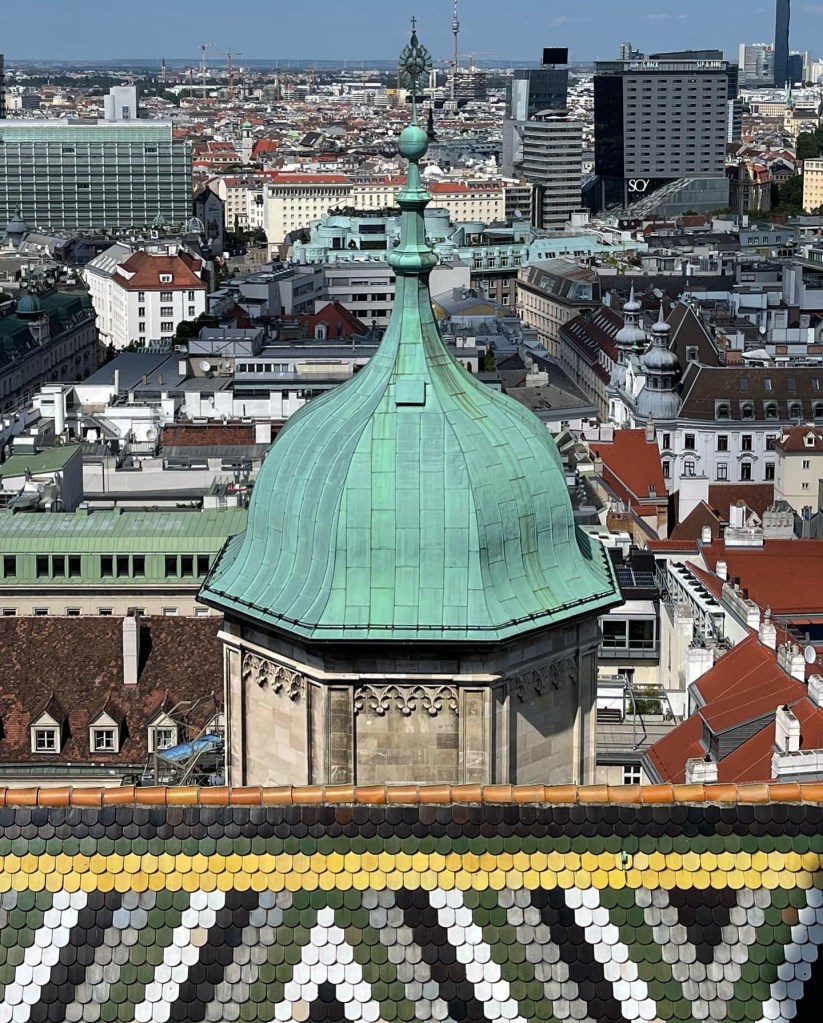
    The first impression a visitor may have of Vienna is that the city is far bigger than one might expect. The larger city looks and feels like the working city it is. Cranes all over the horizon indicate it’s still growing, and quickly. But for all its bigness the Old City itself is very walkable.

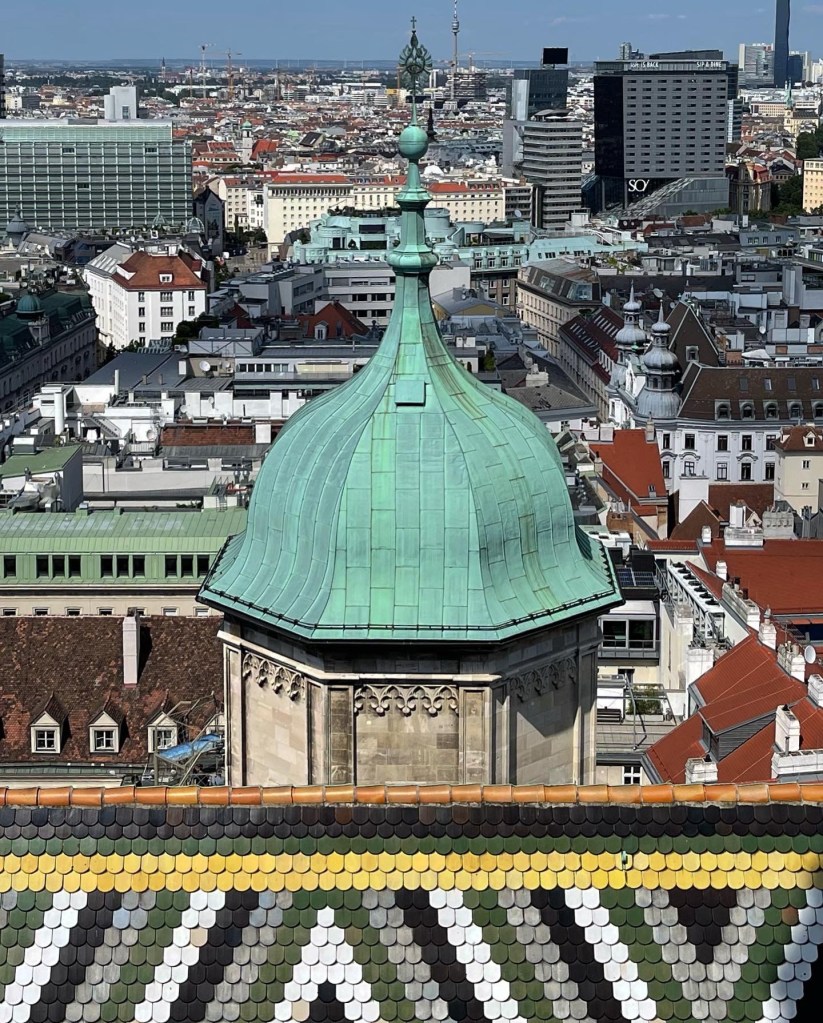
    Where do you go first when you visit Vienna? For me the choice was obvious: St Stephen’s Cathedral. Seeing the massive and ornate structure of the church itself was a goal, but climbing the 343 steps up the South Tower for the incredible views of the city was my underlying goal.

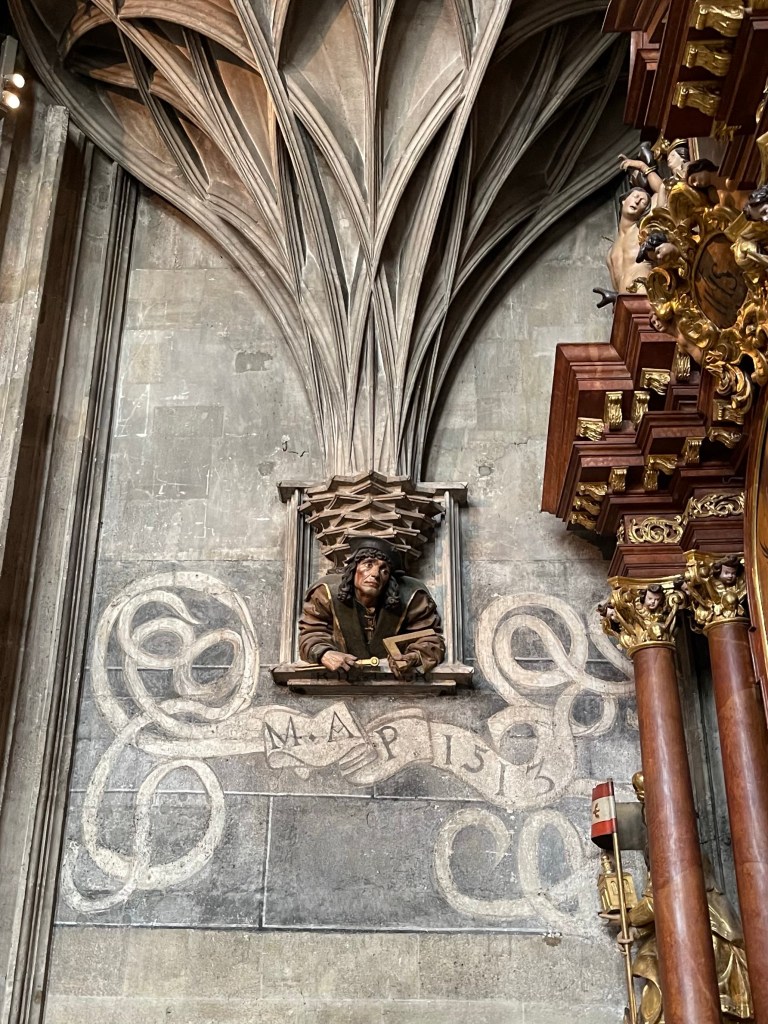
    Having seen the city from a high vantage point, it was time to find the details that make Vienna unique. One must walk an old city and find that which hides from casual visitors. This city offers something around every corner.

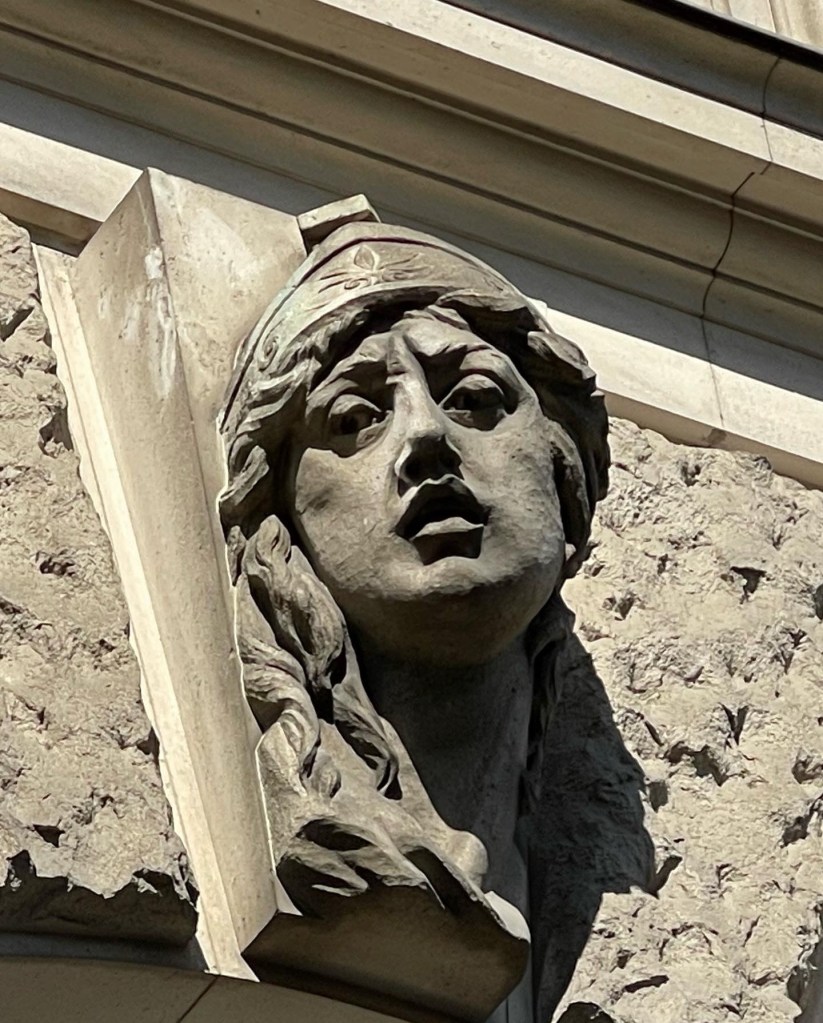
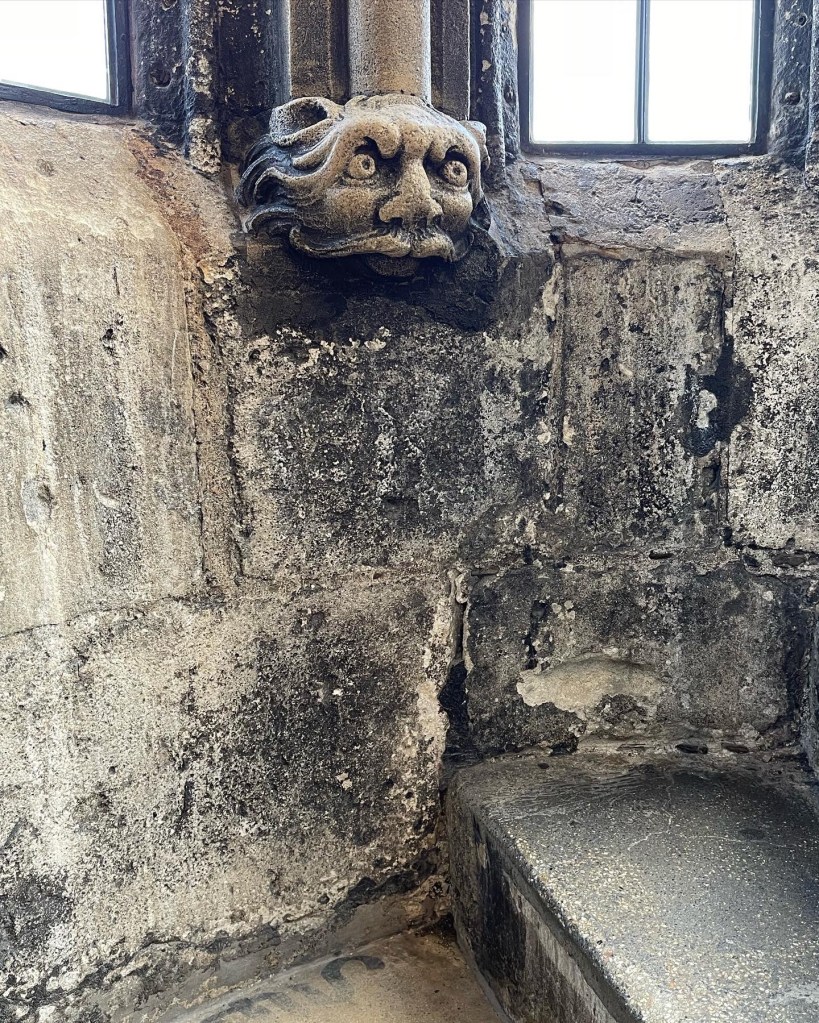
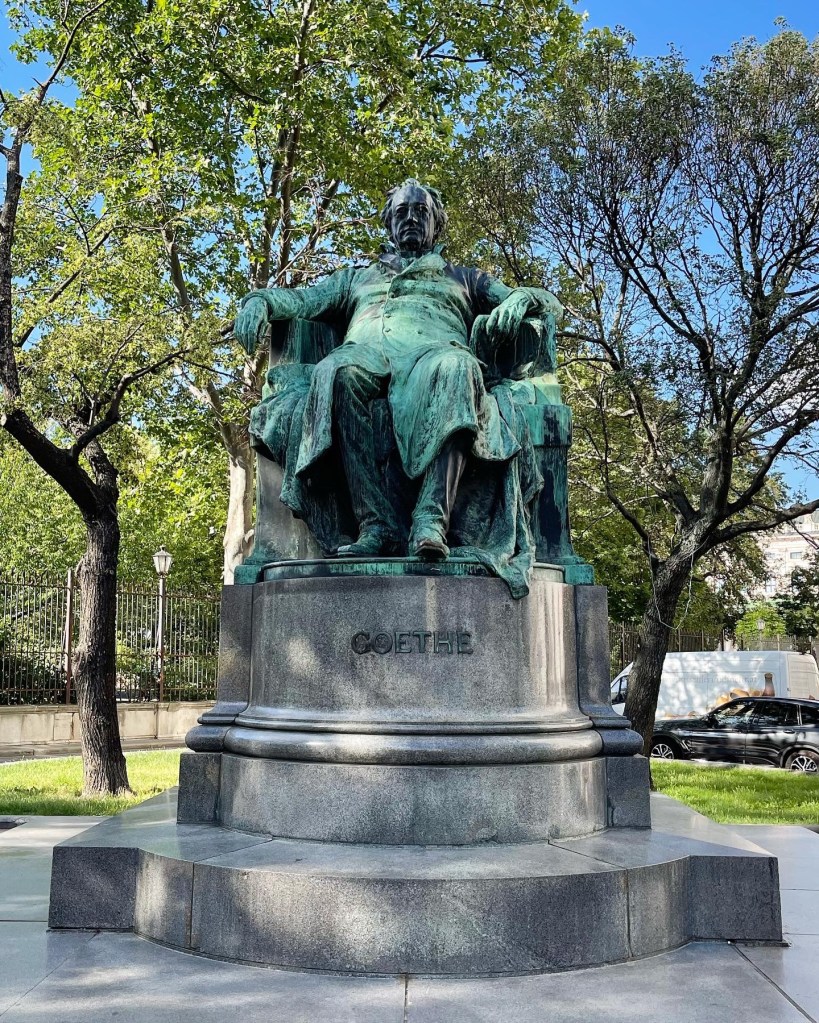
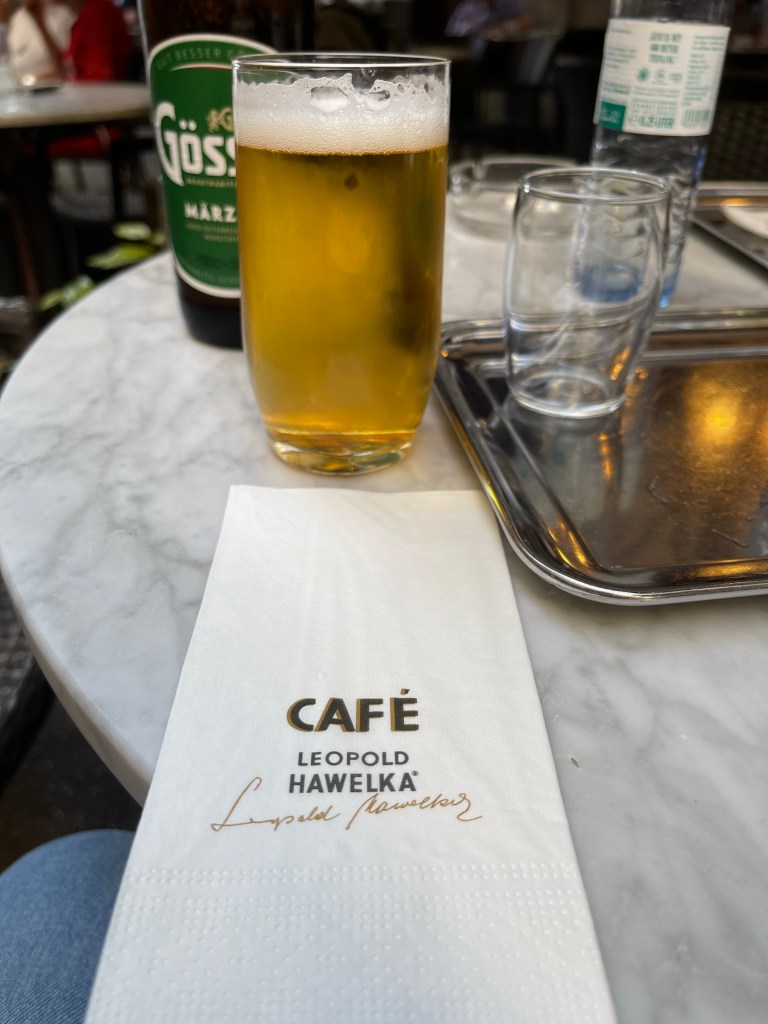
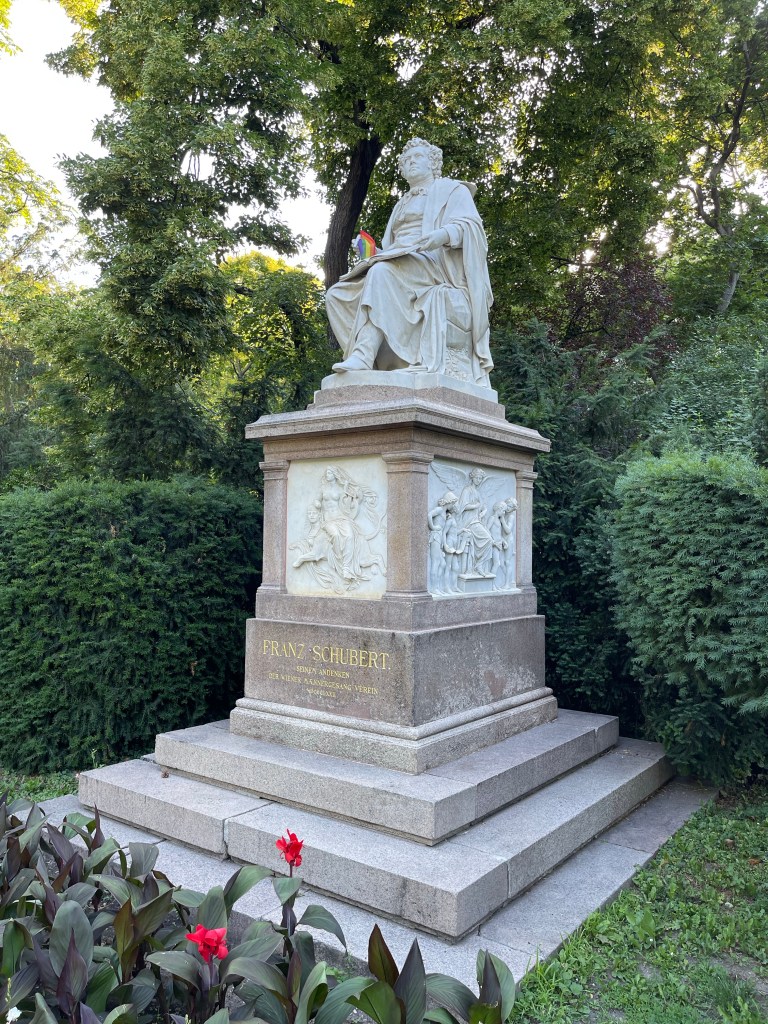
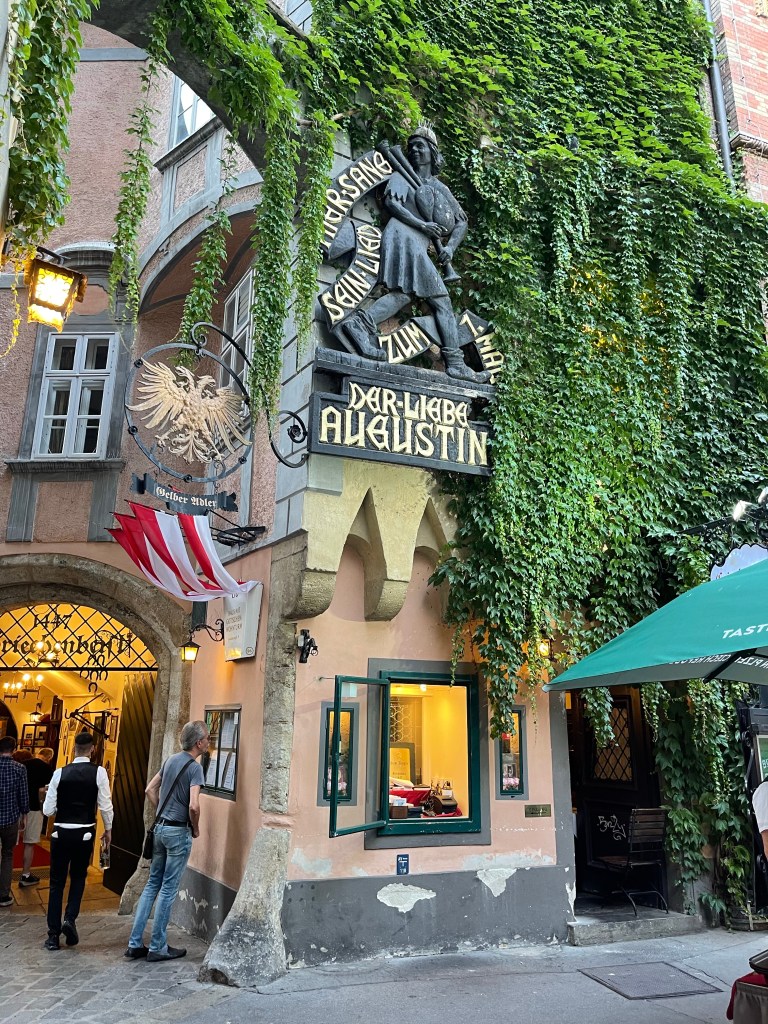
    When you’ve heard about Vienna your whole life don’t just skip across its surface like a stone, sink in! One should visit the palaces and museums and cafés to know Vienna, but you should also seek out the nooks and crannies where the place reveals its magic. Those who built this place leave a bit of themselves for us to discover, should we only look for it.

  • A Visit to Hallstatt

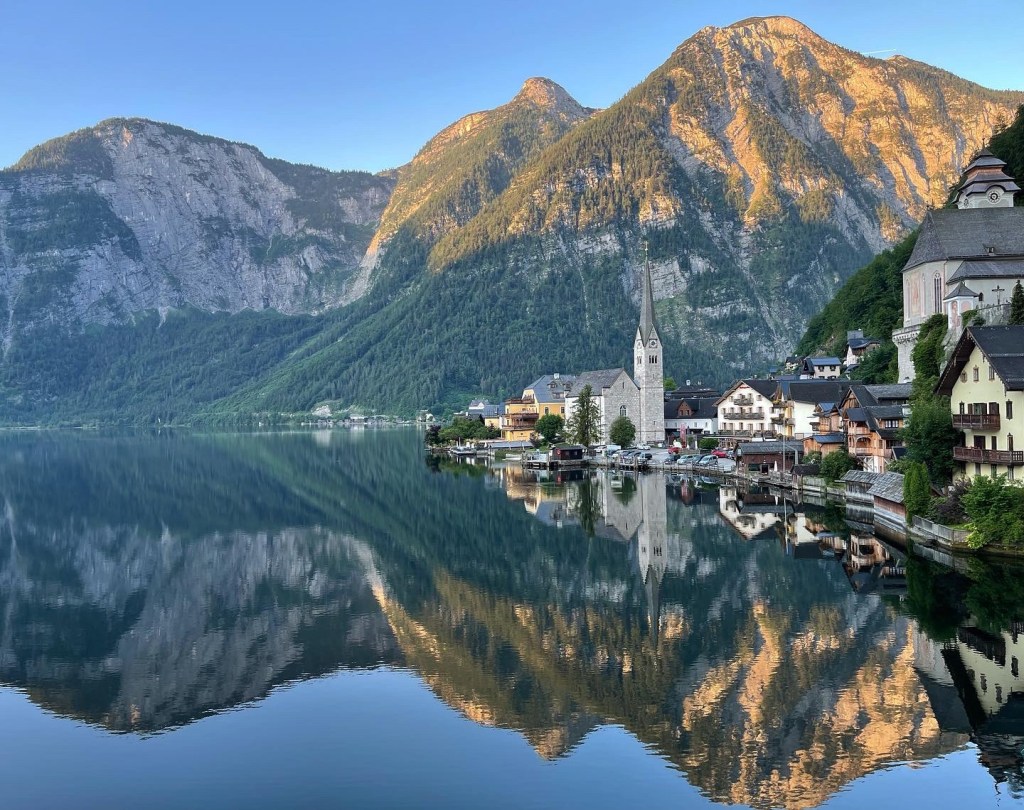
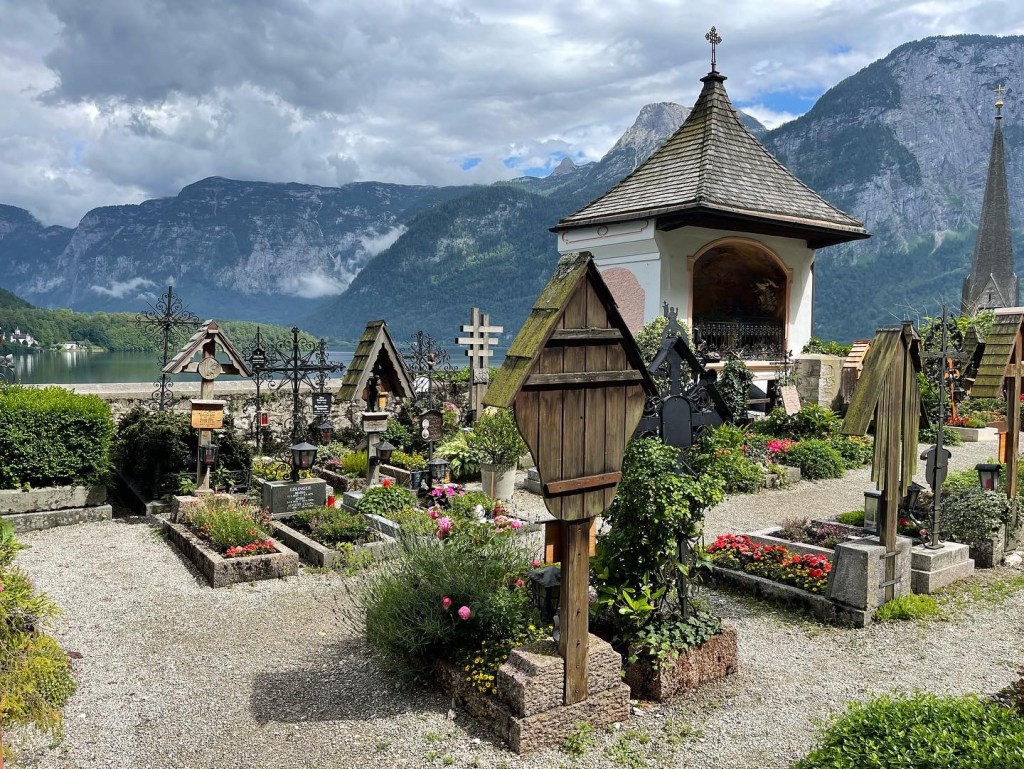
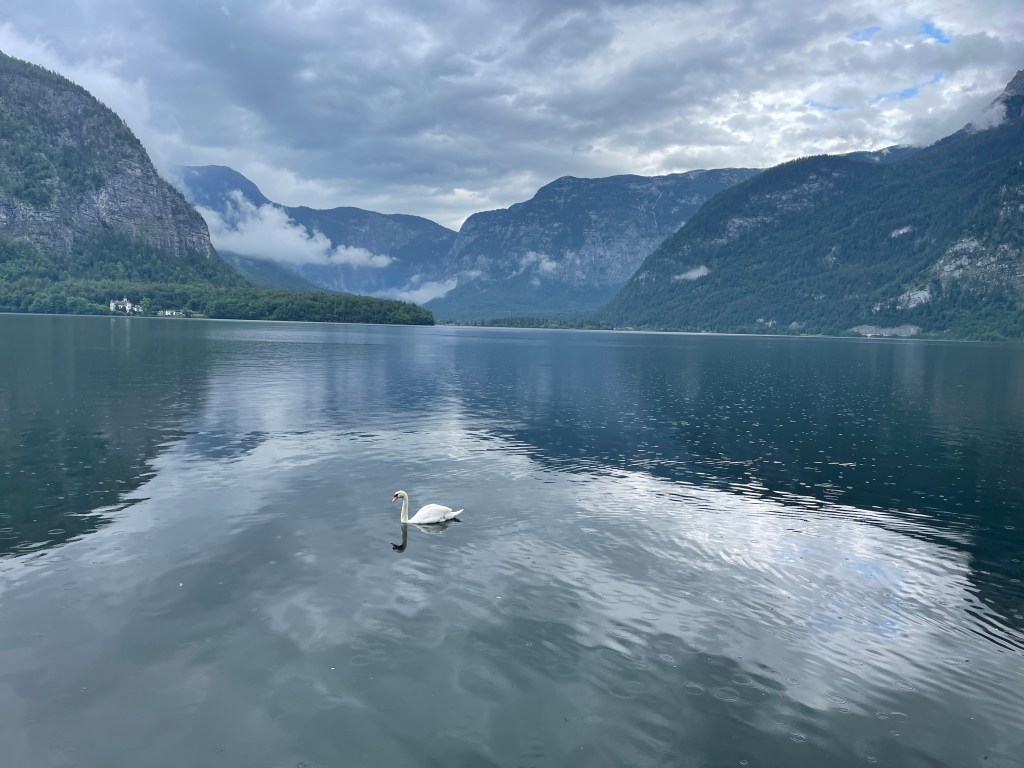
    Let’s get the obvious out of the way: Hallstatt is a tourist town. Thousands visit, take the same photos and leave. The crush of people in the middle of the day is an adjustment if you aren’t expecting it, but really—you should be expecting it. Hallstatt is famous for the iconic vista and the swarms that seek it out. But that doesn’t mean you shouldn’t go, just go prepared.

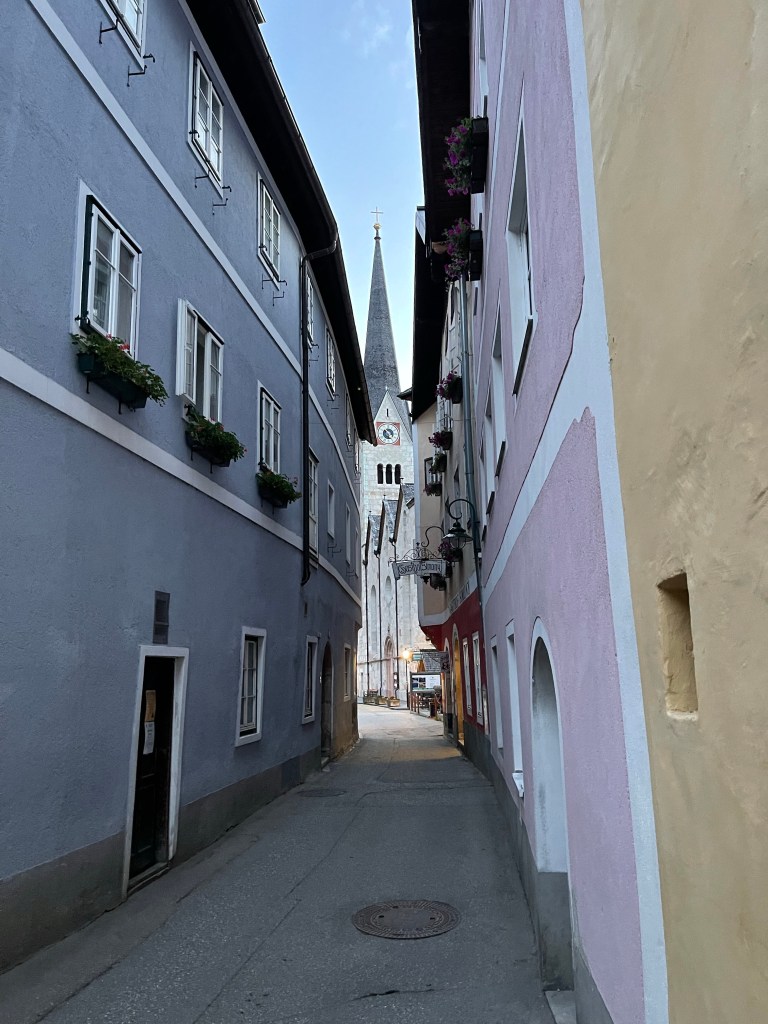
    Hallstatt is popular because it’s incredibly beautiful. like anything beautiful you either see it at surface level or you take the time to understand it at a deeper level. Linger with the little things. Savor the prolific roses that obviously love the climate. Get up really early and walk the town before anyone else is awake. Hike out to where the masses aren’t inclined to go. Don’t just be mesmerized by that pretty face looking back at you, ask for more.

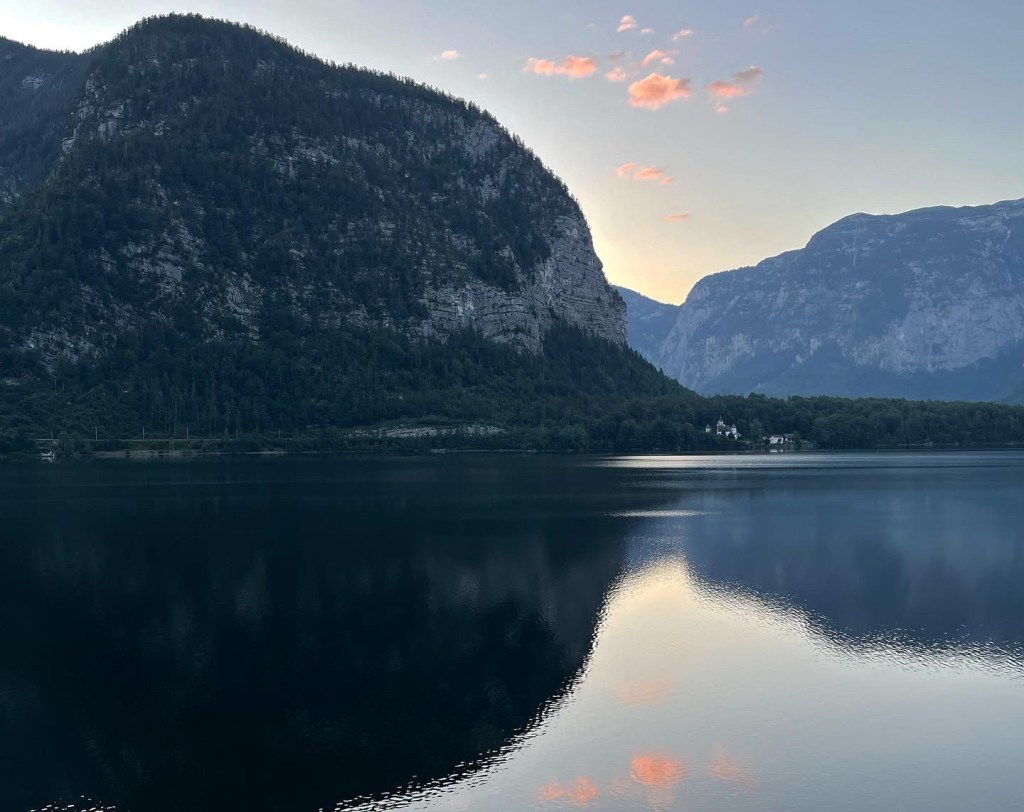
    There’s a camaraderie that develops with early risers. We all seek the same thing, and respect boundaries. After all, mornings are for reverence. In Hallstatt the mission seems clear—get your money shot photo. Before dawn there were two of us waiting for the light, that number soon doubled and then tripled just before the bells rang at 6 AM. It was time to move on. You learn to linger, but never overstay. You must remember to savor this place you’ve imagined going to for so long.

  • A Visit to the Pristine Königssee

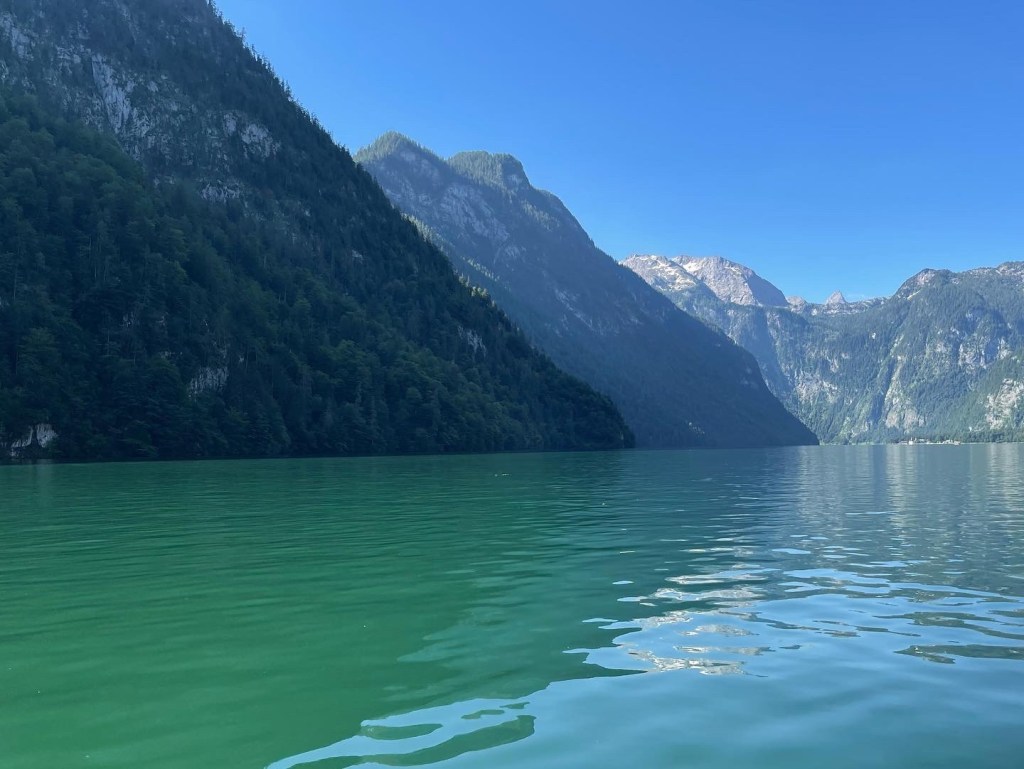
    I’d had this day circled for months, anticipating a spectacular day on the gorgeous Bavarian lake known as Königssee. I’d gotten a peek at the northernmost tip of the lake high atop Eagle’s Nest the day before, and it seemed finally real. And on a warm summer day when seemingly everyone was swimming in the lake and brilliant blue skies contrasted with the mountains, the experience exceeded expectations.

    The logistics of getting there seemed straightforward—it was a short drive from the hotel and the parking lot was plenty big. But that parking lot proved a stumbling block. Most of the pay machines only accept coins, and the change machines weren’t working. There are some credit card readers which also weren’t functional. Signage said to go to the information center for change, but it didn’t open until 09:00. That left several people scrambling for change. Fortunately an acquaintance happened to park nearby and had the app on his phone to pay. Hurdle cleared.

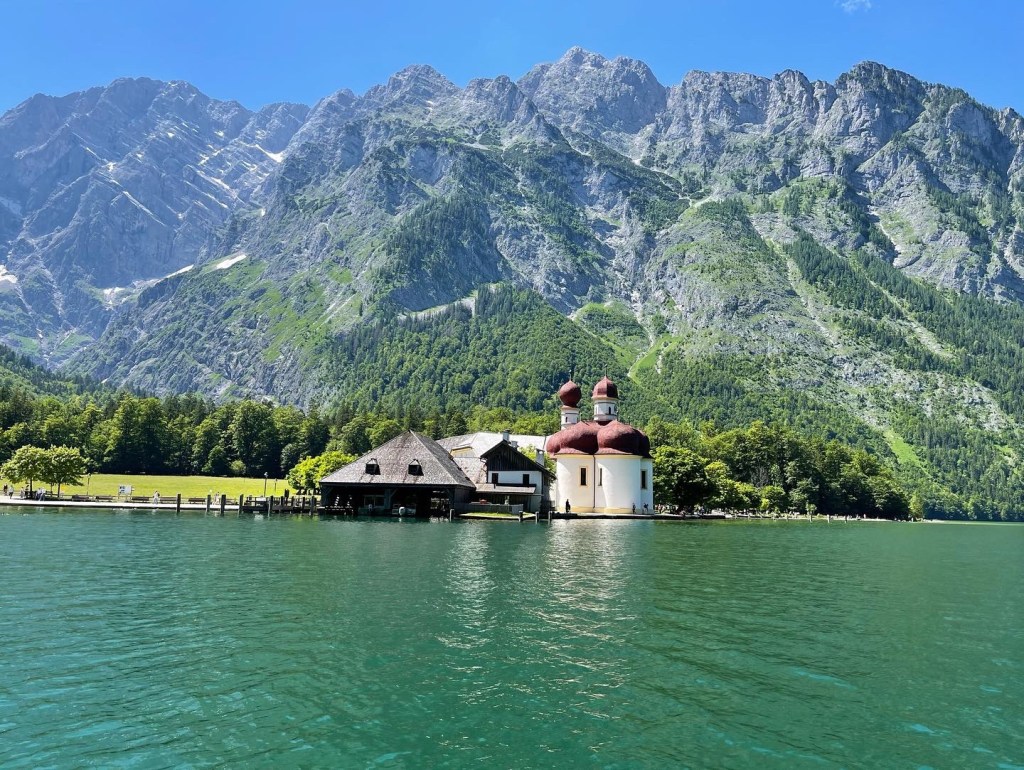
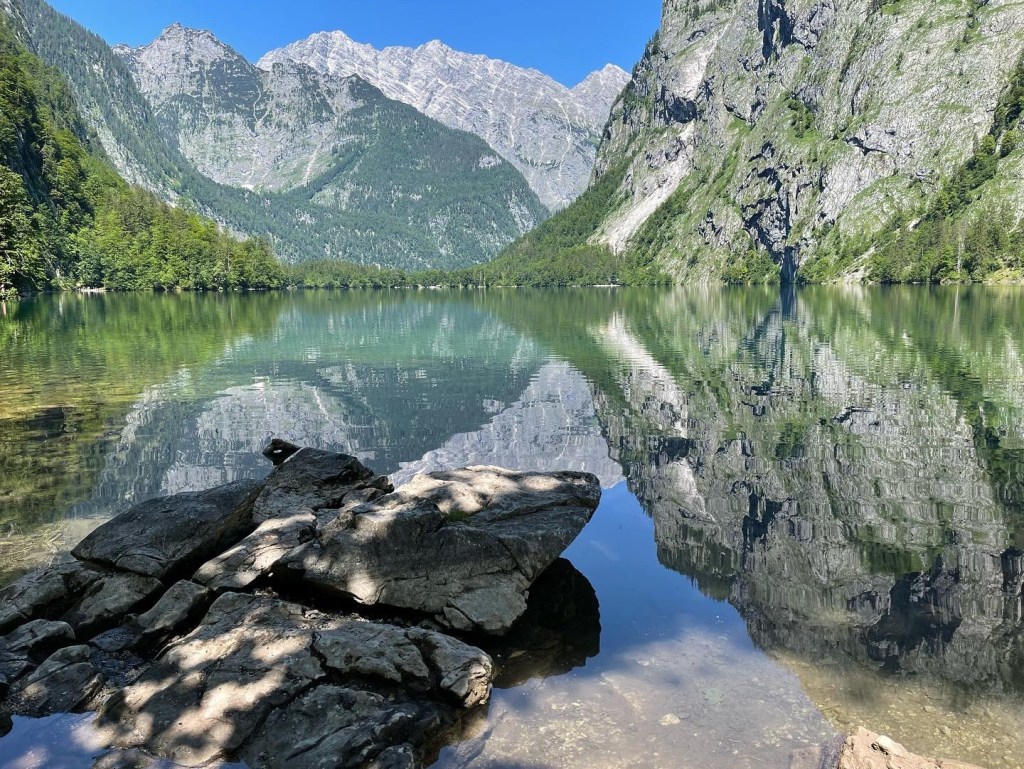
    Königssee, at almost five miles long, and its beautiful little lake sister Obersee, sit within Berchtesgaden National Park. Like Zion National Park in the United States, the towering rock faces seemed a cathedral surrounding you in a hug. You feel inclined to return that affection. There are plenty of options to feel the spirit of the place walking the paths, hiking, sitting in the biergarten or on Königssee itself. Of course, you may feel inclined to do all of those things.

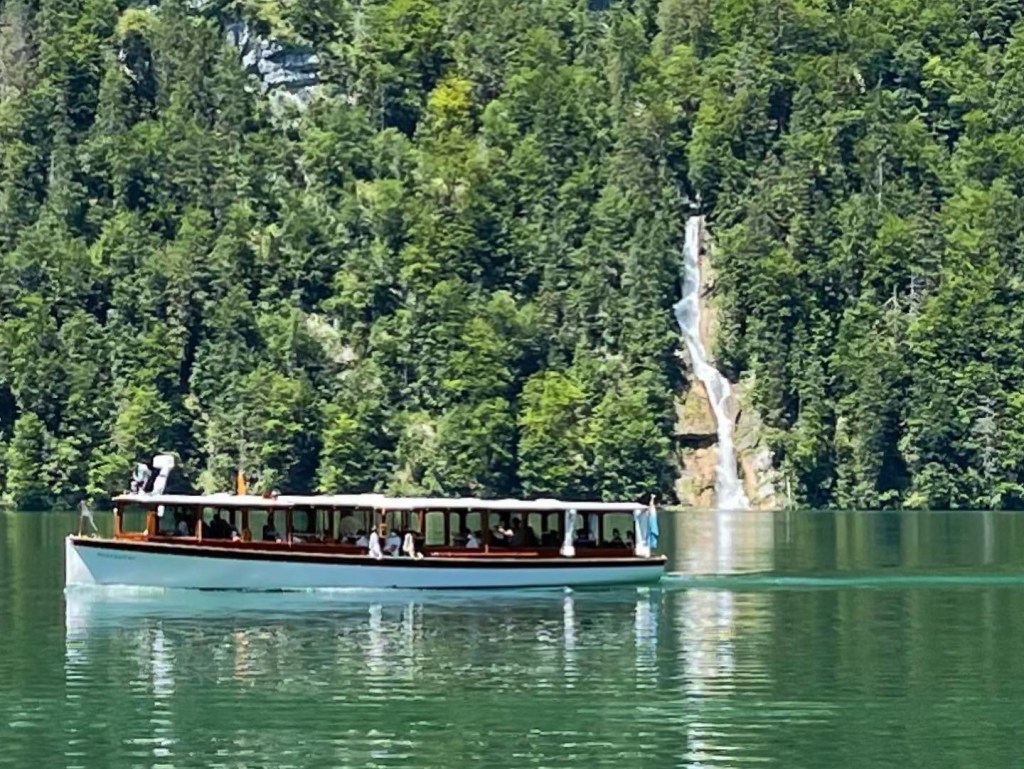
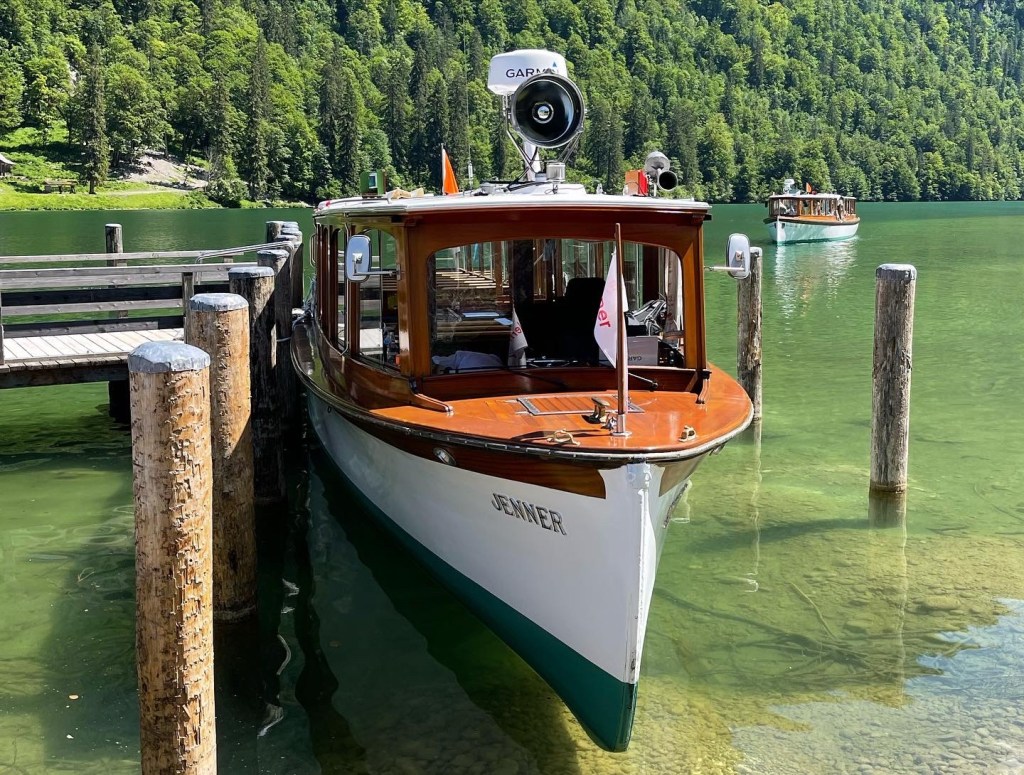
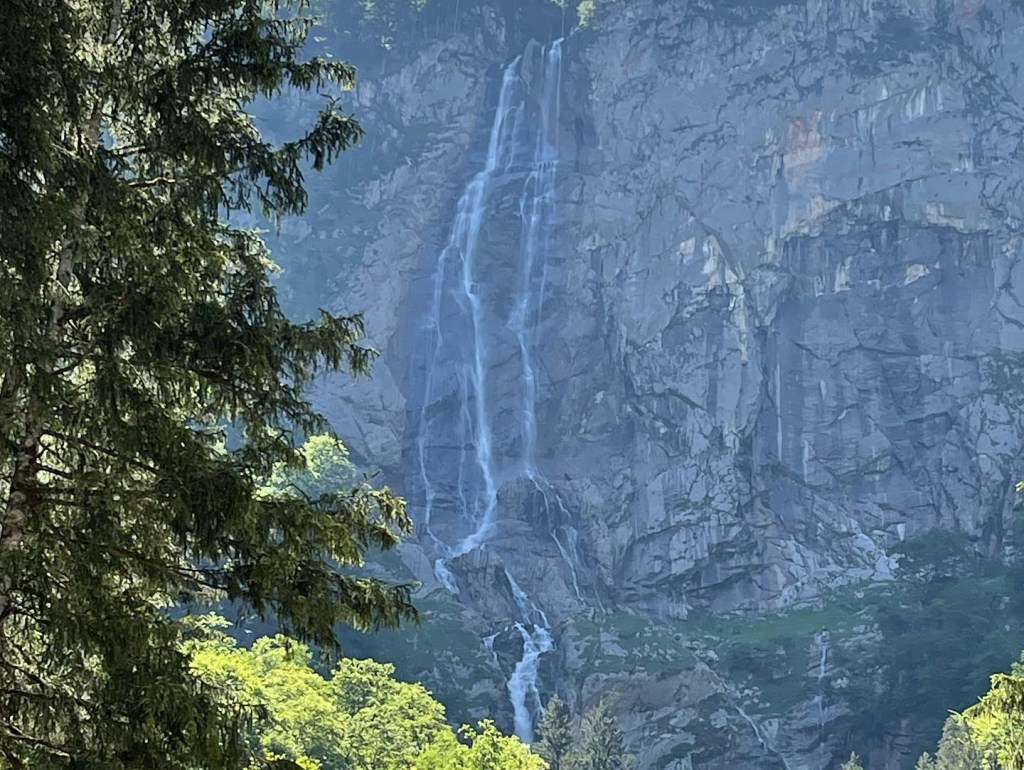
    The famous electric boats leave from Schönau am Königssee, with stops in St. Bartholomä and Salet. To make the most of your visit to Königssee you really should go to Salet. The longer trip brings you past the beautiful Schrainbach Wasserfall as it plunges into the lake. Salet itself offers dining services, but also access to Lake Obersee and the spectacular Röthbachfall as it plunges over 400 meters down a sheer rock cliff. As a bonus there’s another waterfall to the left that likely feels resentful at its bigger sibling getting all the attention. The hike itself is easy and offers some incredible vistas along the way.

    As an American with the tiniest grasp of the German language I was left in the dark when our boat guide rapidly rattled off historical facts and one-liners that had the passengers in stitches, but managed to pick up just enough to follow along. What transcends language barriers is music, and the highlight of the boat ride was our guide playing his trumpet accompanied by its echo on the mountain walls surrounding us. It was magical. So too is Königssee.

  • Here It Comes! A Visit to Krimml Waterfall

    Live water heals memories. I look up the creek and here it comes, the future, being borne aloft as on a winding succession of laden trays. You may wake and look from the window and breathe the real air, and say, with satisfaction or with longing, “This is it.” But if you look up the creek, if you look up the creek in any weather, your spirit fills, and you are saying, with an exulting rise of the lungs, “Here it comes!” —Annie Dillard, Pilgrim at Tinker Creek

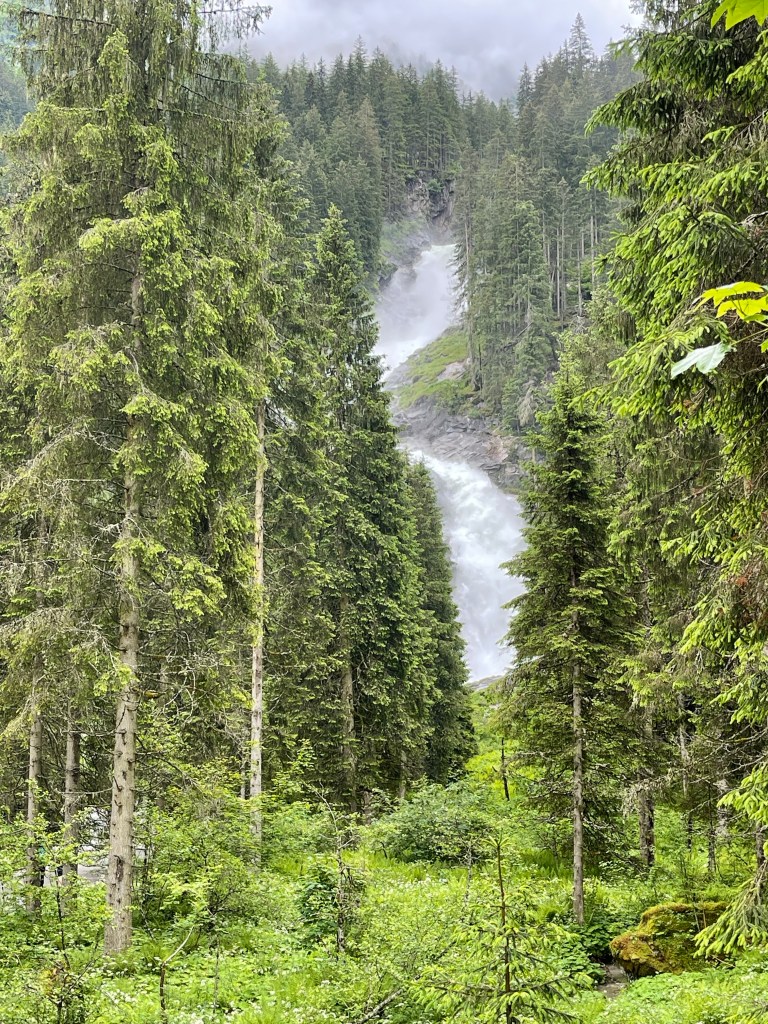
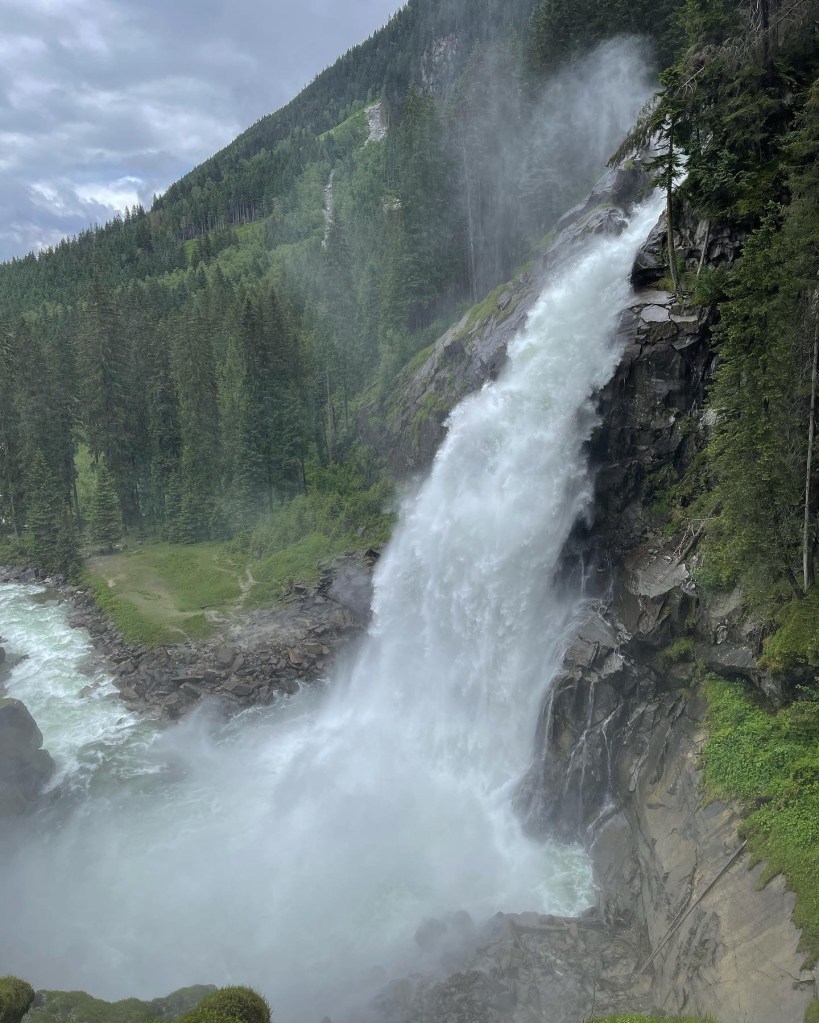
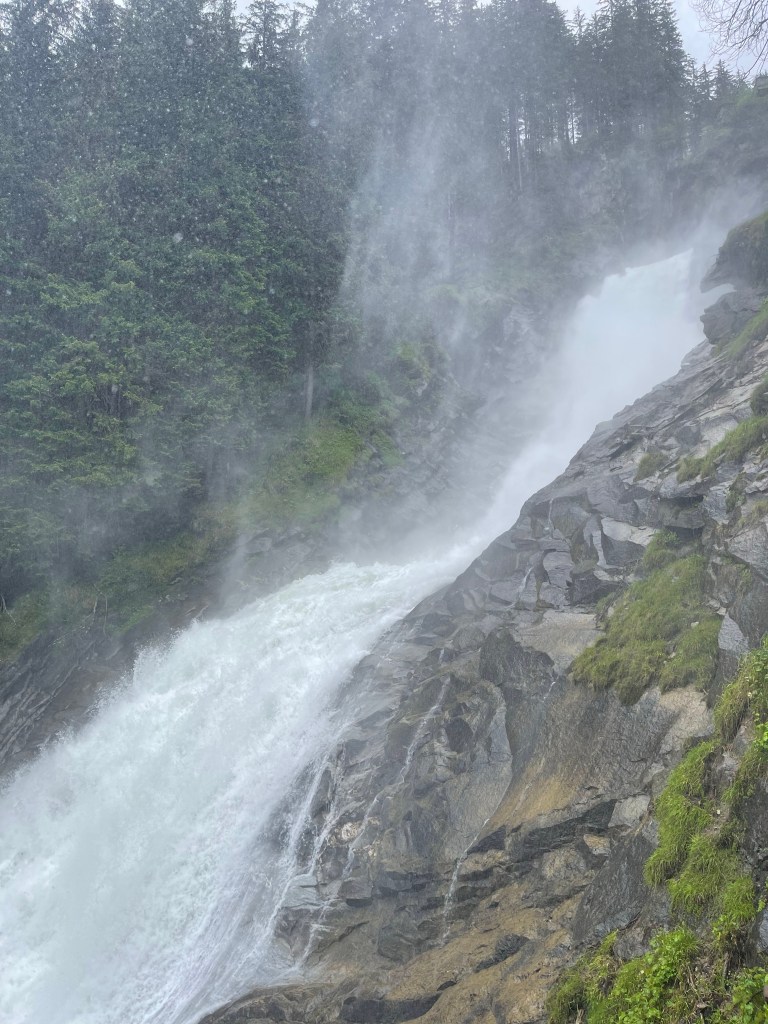
    I’m told that Krimml Wasserfall, or Krimmler Waterfall if you prefer, is the tallest waterfall in Europe. The cascades are broken up into distinct falls and the landscape makes it impossible to see the entire waterfall when you’re standing near it. Instead you hike up and discover the falls a bit at a time. With an hour to see them, this presented a slight problem—we simply couldn’t see the entire waterfall on this trip. But seeing half was quite impressive.

    It’s quite easy for your spirit to fill when you feel the spray swirl around you and hear the roar of frigid whitewater meeting stubborn rock. Maybe this is why we seek out big waterfalls, but small plunges offer their own lift. A giant like Krimml amplifies that spirit lift with awe. A visit locks in new memories.