Category: Exploration

  • Plymouth’s National Monument to the Forefathers

    Plymouth, Massachusetts might not be the oldest European settlement in the United States, but you can safely say it’s where England got its foothold in America. They might have landed in Provincetown first, hit a few places along the Cape Cod coast as they looked for a better place to settle, and maybe they would have been better off if they’d landed in what would become Boston or Providence, but they landed here. And the great floodgates of immigration began, changing this continent forever.

    That narrative of settlement and conquest is… complicated. But you can make a good case that the Mayflower Pilgrims’ pilgrimage was driven by religious freedom and a desire for peaceful coexistence with the Native American population. They happened to settle in a place where the native population had recently been decimated by disease, making for a bit more elbow room to root themselves in the place, but let’s stay on point. That first generation tried to fulfill the mission as best they could.

    To honor those noble intentions, and to put a spotlight on the best virtues that we humans aspire to, the Pilgrim Society of Plymouth conceived of a huge statue that would dominate Plymouth Harbor. The original monument was supposed to be 150 feet tall and right on the water. Reason eventually took over and they moved the monument to the top of a small hill with a commanding view of the harbor, then shortened it to 81 feet.

    The National Monument to the Forefathers is believed to be the tallest granite statue in the world. There is impressive detail in the carvings and a sense of Victorian optimism about what we aspire to be throughout. The cornerstone was laid in 1850 and the monument completed in 1889. That’s a lifetime for someone in the middle of the 19th century. Throw in the Civil War and violent conflict with Native Americans as the country was settled ever westward and those ideals were challenged even as the monument was being built.

    Today the National Monument to the Forefathers stands in dignified silence, 132 years after the dedication ceremony and a year after the 400th anniversary of the settlement of Plymouth by those Mayflower Pilgrims. That big party got cancelled last year with the pandemic, the narrative of living up to the best of virtues is more challenging than ever as we Americans sort out just who we want to be, but the monument stands. Still waiting for us to measure up.

  • Let Me Live Until I Die

    “Lord, let me live until I die.” – Will Rogers

    This is the kind of daily prayer or affirmation I can get behind. Said daily as I open my eyes to a new day. Let me live until I die is a bold stake in the ground to make the most of every moment. And shouldn’t we celebrate the possibility of the new day? What’s the alternative, to dread the commute to work, or the work itself, or what we come home to afterwards? To distract your life with media and alcohol and empty calories? No, thank you! Let me live until I die.

    It’s easy to slip into the dark melancholy of the world. It’s easier to slip than it is to climb. But slipping only leads you to new lows. Far better to climb, as tough as it might seem, to reach new heights and see new vistas. To leap out of bed to see what we might accomplish in this new day seems a far more interesting way to wake up to the world than to hit the snooze button and hide under your pillow.

    Life isn’t easy, we all know that. But the world bows to those who climb to the top, look around and light the way for the rest to see. To be a beacon requires energy and an unquenchable desire to burn brightly. You can’t burn brightly if you’re drowning in misery. Get up and get out there, where the oxygen is. Be fit and passionate and embrace life in a full bear hug.

    To live is to move, to embrace, to laugh, to love, to explore, to learn, to dance, to take a chance and to grow. Get out into the world and make the most of living while we can. I’ll see you out there.

  • Collecting Volumes of Experience

    To gain entry into restaurants in Manhattan in the current state of the pandemic you need to show your vaccination card or a picture of it. Some folks also ask for your ID, which I’m happy to provide. I’d left the card in my hotel room, but fortunately had a photo buried somewhere on my phone. And I eventually found it in the mass of recent pictures – was that San Francisco? Los Angeles? Raleigh? Vermont? It seems I’ve been busy lately.

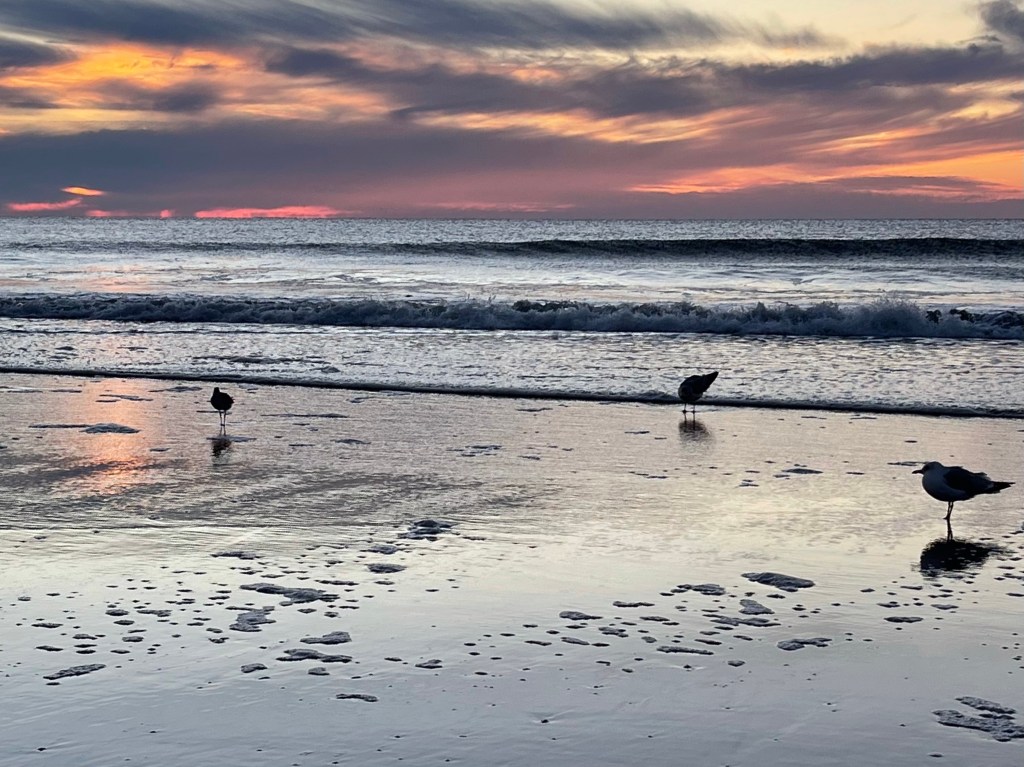
    During that search I stumbled on a photo of three birds pecking in the South Carolina surf at sunrise. I remember the moment, still less than two weeks ago, but the picture was lost in a crush of other photographs and memories (or is that .jpeg’s and memories now?). It occurred to me that I ought to hit pause again soon. And right on cue Thanksgiving arrives in America next week. More timely, and more different, than ever.

    Life comes at you in waves, and we’re a lot like those birds, waiting for something to chew on with the next one that rolls in. Sometimes you find that where you’ve landed is the perfect place at the perfect time for you. And sometimes you look around and wonder whether you’re on the right beach at all. The answer isn’t always obvious, and the real trick is to keep an eye on that next wave so it doesn’t wash over you.

    I’ve collected thousands of photos of moments like that moment with the birds. Small and large experiences captured in memory, both mine and in some data center in the Cloud. Scrolling through a few hundred photos looking for that picture of my vaccination card reminded me to spend a little less time planning the next landing spot and savor the one you’re immersed in now. It’s not always about finding a better beach, but simply enjoying the one you’re on, and appreciating where you’ve been.

  • Through Fields of Cotton

    Driving through the Carolinas on back country roads in harvest season, you’re struck by the endless miles of ripe cotton greeting you. With many crops, you look at it and wonder what it might be when you’re flying by at 50 MPH. Not so cotton. You know immediately what this crop is. You’ve been wearing it all your life. Ripe cotton waves back at you like a stadium full of home run hankies or laundry lines strung with tighty whities.

    Cotton fields echo. Deep down you know the labor history of this crop, know the historical advancement in picking the stuff from slavery to machinery and all it meant in between. Cotton and tobacco share similar echoes, but cotton reverberates a bit louder. As I understand it the crop was more labor intensive to pick, but also grew exponentially in demand. Cotton was one of the first commercial crops grown by European settlers in America. They grew it in both Florida and at Jamestown, Virginia in the first wave of settlements. The value of cotton in human lives demanded attention, and fueled generations of economic prosperity and more than a little oppression too.

    Driving through field-after-field of cotton you begin to feel the weight of it all, this essential crop for so much of what we wear and use in our daily lives. I wanted to shout to stop the car so I could walk through the fields, feeling the cotton plants (Gossypium) in my own hands. But we kept rolling through, and those endless fields soon felt like clouds rolling by your plane window. And I began to feel like we were flying through history.

    Cotton Firld
  • Pier, 2 Piers

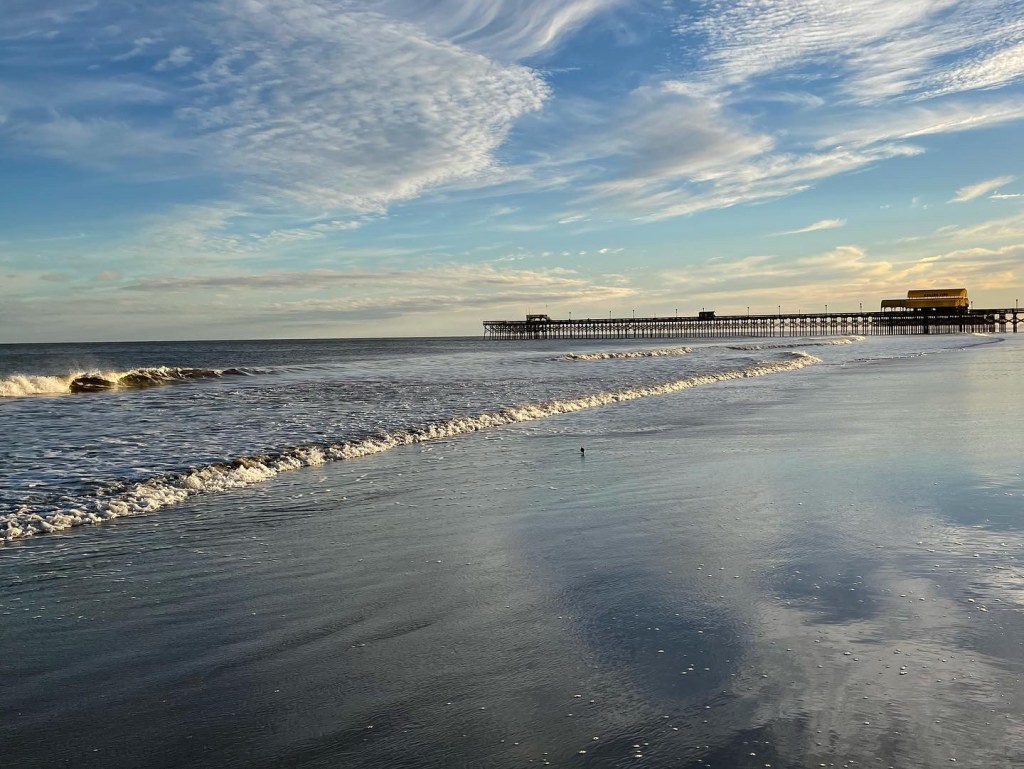
    The Apache Pier in Myrtle Beach, South Carolina and the Oceanside Pier in Oceanside, California share two things in common. They’re the longest piers on the eastern and western coasts of the United States, respectively. And secondly, this writer managed to unwittingly stumble upon both of them with no prior knowledge of their standing in the world of wooden fishing piers.

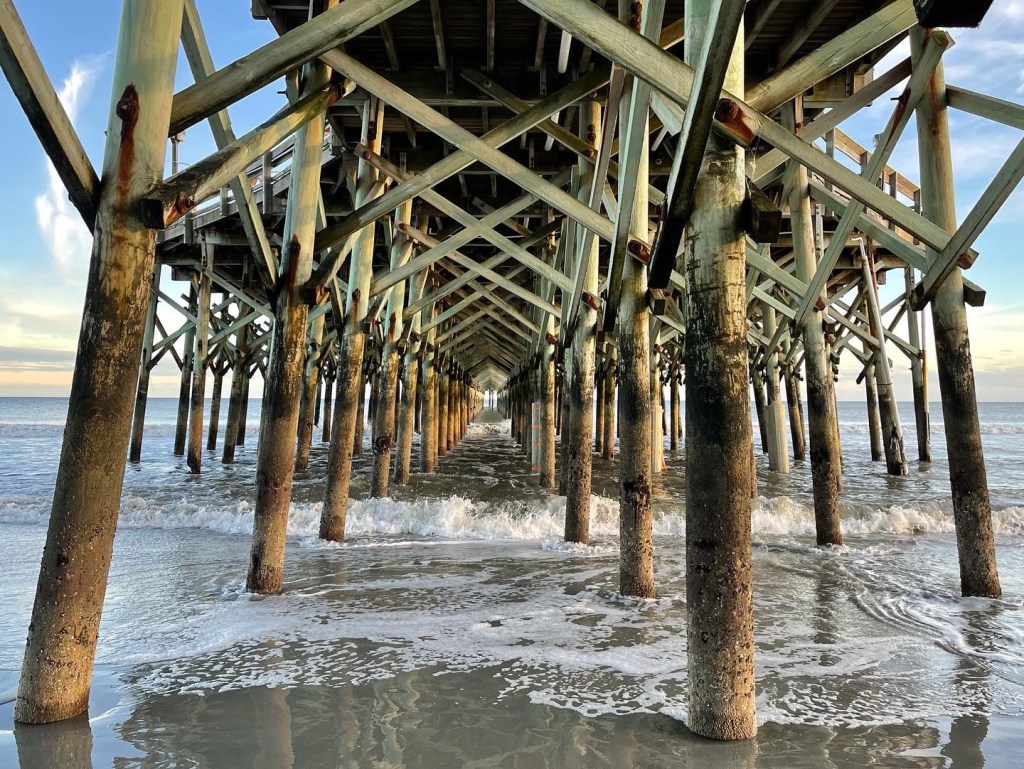
    The Apache Pier in Myrtle Beach was build in 1994, making it a relative toddler in the world of wooden piers. By comparison, the Oceanside pier was first built in 1888 and subsequently rebuilt several times. Apache reaches out 1,206 feet into the Atlantic Ocean, while Oceanside juts 1,954 into the Pacific Ocean. If you’re wondering, Apache Pier is named for the beachside campground that owns it.

    I’ve written a bit about Oceanside recently. Myrtle Beach is new for me, and it seems like paradise for year-round golfers, with over 100 courses nearby. I’m not much of a golfer, but I appreciate a long, walkable beach in the offseason, and they surely have that in Myrtle Beach. The piers connect two places for me, if only as common ground. Latitude isn’t that far off, Myrtle Beach is at 33.6891° N, while Oceanside is at 33.1959° N. The gulf currents are of course opposite between the coasts, with warmer water reaching up to greet Apache Pier, while Oceanside Pier has cooler waters coming down from Alaska.

    I confess I rarely think about fishing piers. I live in New Hampshire, and we have piers too, but not piers that stick a thousand feet out into the open ocean. So it’s interesting to spend a bit of time with a couple of the big boys in lumber allocation. I may never write about fishing piers again, but I never thoughts I’d have two posts about them already. You just never know where travel and blogging will take you, do you?

    Myrtle Beach and Apache Pier
    Apache Pier
    Apache Pier
    Oceanside Pier
  • Towards Empty Spaces

    “Hiking is not for everyone. Notice the wilderness is mostly empty.” – Sonja Yoerg

    It seems counterintuitive that an otherwise social being would be so quick to seek out solitude and empty spaces. But that’s generally where you’ll find me when the opportunity arises. Let the record show that I love interacting with people. I just don’t want to have them encroaching on me all the time. And so it is that you’ll find me in places others might think of as desolate and wild.

    My favorite destinations have the fewest people in them. You can have your hippest restaurants and trendy neighborhoods, I’ll stick with wide open places, thank you. I’m happy to visit the world’s big cities, I just don’t want to live in them.

    I think nothing of it when I lose cellular coverage. In fact, I celebrate it! To be off the grid is increasingly difficult, and it may one day be impossible. But for now, I dance with my zero bars when I get ‘em.

    If all of this seems like a diatribe against population growth or humanity in general, well, that’s not the point at all. No, this is a celebration of elbow room and quiet hikes in hard to reach places. May we always have them, for I surely can’t be the only one seeking them out.

  • A Bucket List Road Trip in California

    With a respectful nod to the beautiful interior of California, particularly Yosemite, Lake Tahoe and Death Valley, there are few drives that offer the best of California like the stretch of Highway 1 from the Sonoma Coast to San Diego. My own road trip began in San Francisco, north to Bodega Bay and Jenner, over to the vineyards of the Russian River Valley before turning south to the Pacific Coast Highway through Marin, Monterey, Big Sur, Moonstone Beach, Santa Barbara, Los Angeles, Oceanside and finally San Diego before heading back up to Los Angeles for a finale at the Hollywood sign. That trip was roughly 1000 miles and some loose change worth of driving. That’s a lot of windshield time, but it was broken up by 30 miles of walking and some incredible experiences along the way.

    The trip can be thought of as three distinct segments: San Francisco Bay and Sonoma, The Pacific Coast Highway, and the southern tier. Each segment could be a full vacation on their own, in my case, it was ten very full days of travel and adventure. But life is short, you’ve got to pack as much in to your days as possible while still feeling like you relaxed a bit during your time off. Here was the itinerary by segment:

    Day 1: San Francisco coastal walk from Lands End to the Golden Gate Bridge, Irish coffee at the Buena Vista and dinner in Tiburon. There are some nice ferry options from Tiburon that afford great views in good weather but the schedule is limited.

    Day 2: Alcatraz, Fisherman’s Wharf, cable car rides out and back to top of Lombard Street, walk down the zig-zagging Lombard and then walked to the Palace of Fine Arts.

    Day 3: Muir Woods, Bodega Bay to Fort Ross drive along the spectacular Sonoma Coast.

    Day 4: Vineyard tours and tastings in Healdsburg and the Russian River Valley.

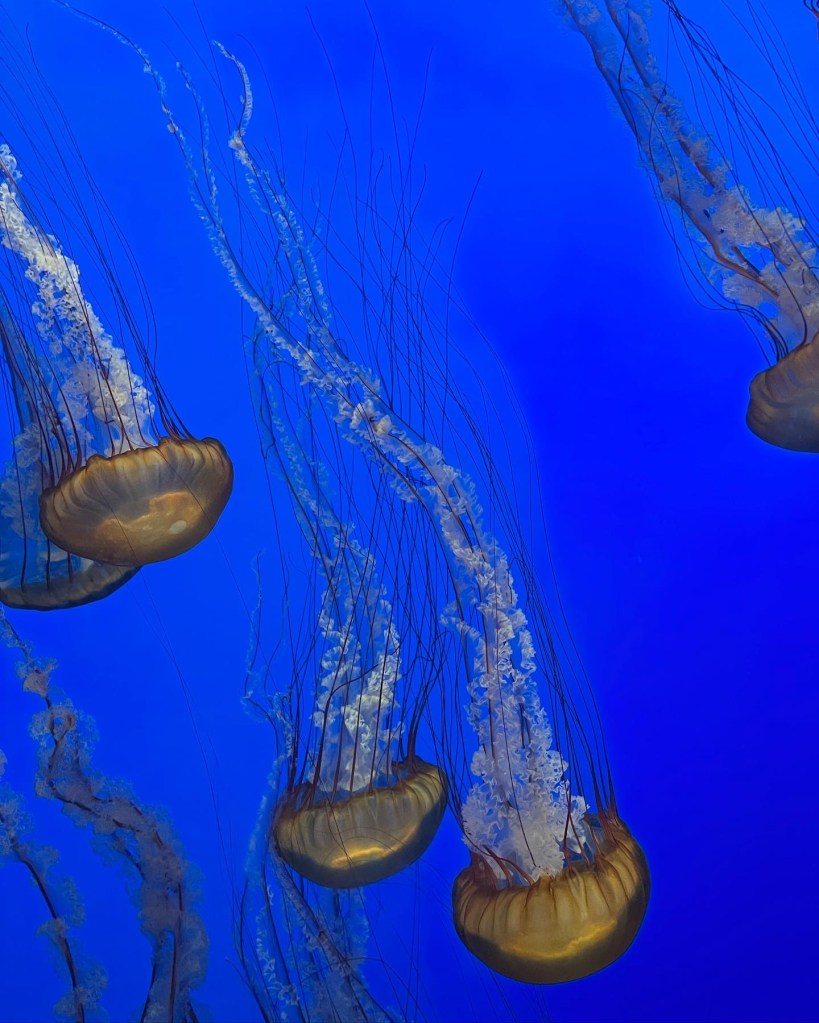
    Day 5: Travel day to Marin, beach walk between the crashing surf and the dunes and a visit to the Monterey Aquarium.

    Day 6: The gorgeous 17-Mile Drive with crashing surf from the offshore storms, then down the Pacific Coast Highway through Big Sur to Moonstone Beach. Multiple stops along the way to take in the coastal views and visit a couple of waterfalls.

    Day 7: Drive-by through central coast vineyards, beachside dining in Santa Barbara, Ventura to Los Angeles through miles of orange trees.

    Day 8: Los Angeles!

    Day 9: Oceanside and San Diego Zoo and friends and family time.

    Day 10: Academy Museum of Motion Pictures and a visit to the Chinese Theater and the gritty and touristy Hollywood Boulevard.

    Day 11: Warner Brothers Studio tour and a visit to see the Hollywood sign up close at Lake Hollywood Park.

    Whew! Drove more than 1000 miles and walked almost 30 miles in 11 action-packed days through ancient redwood trees, coastal dunes, spectacular cliffs, iconic city streets, legendary bridges and highways, past famous cultural attractions with a splash of California’s best wines. If you’re looking for an adventurous drive this is one you should plug into your own GPS. Here are a few favorite places found along the way:

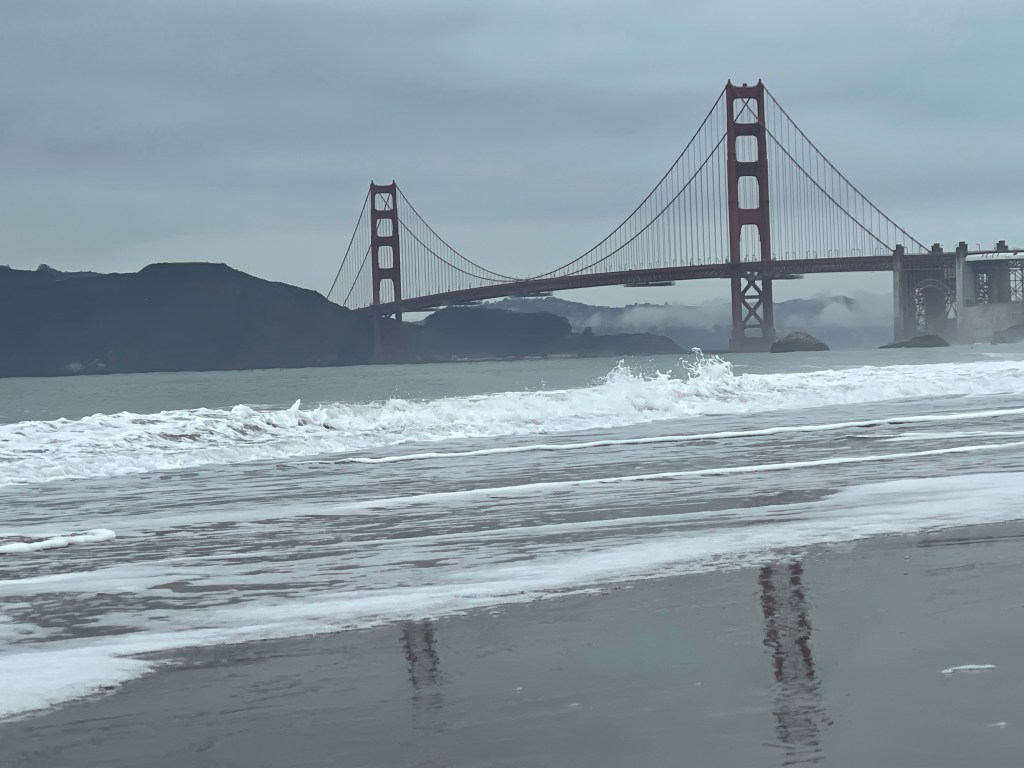
    Golden Gate Bridge
    Bixby Creek Bridge
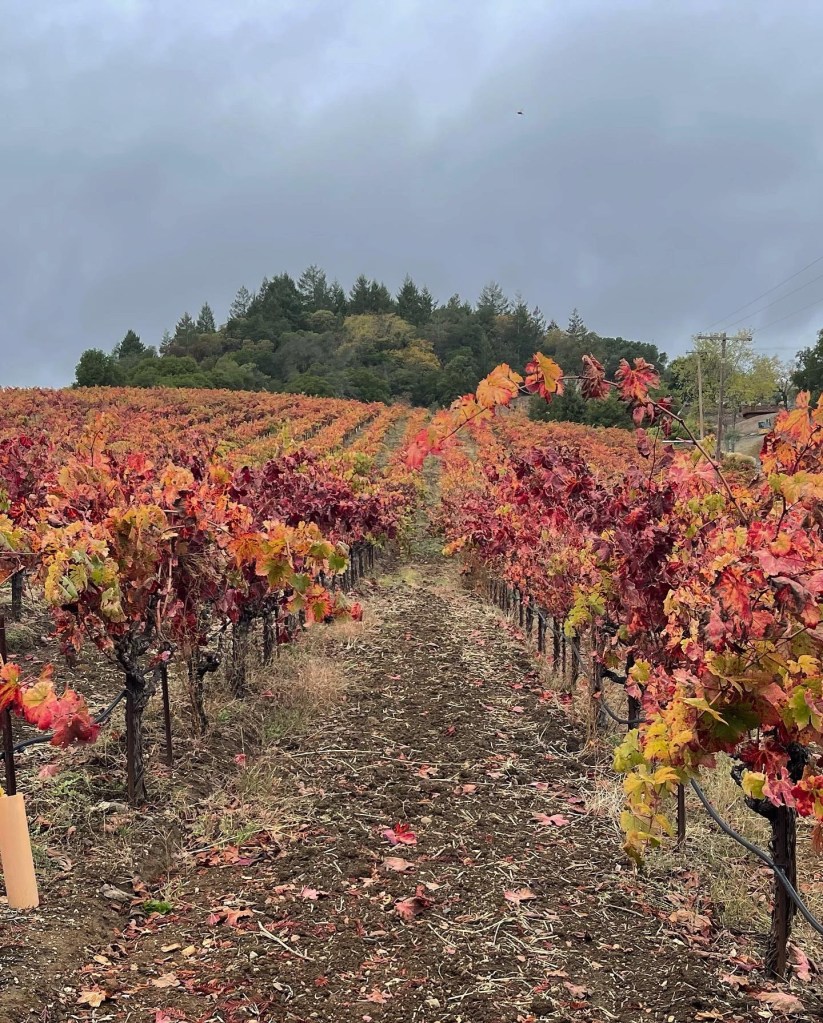
    Russian River Vineyard
    Alcatraz
    Koala at San Diego Zoo
    R2D2 at The Academy Museum of Motion Pictures
    Sea nettles at Monterey Aquarium
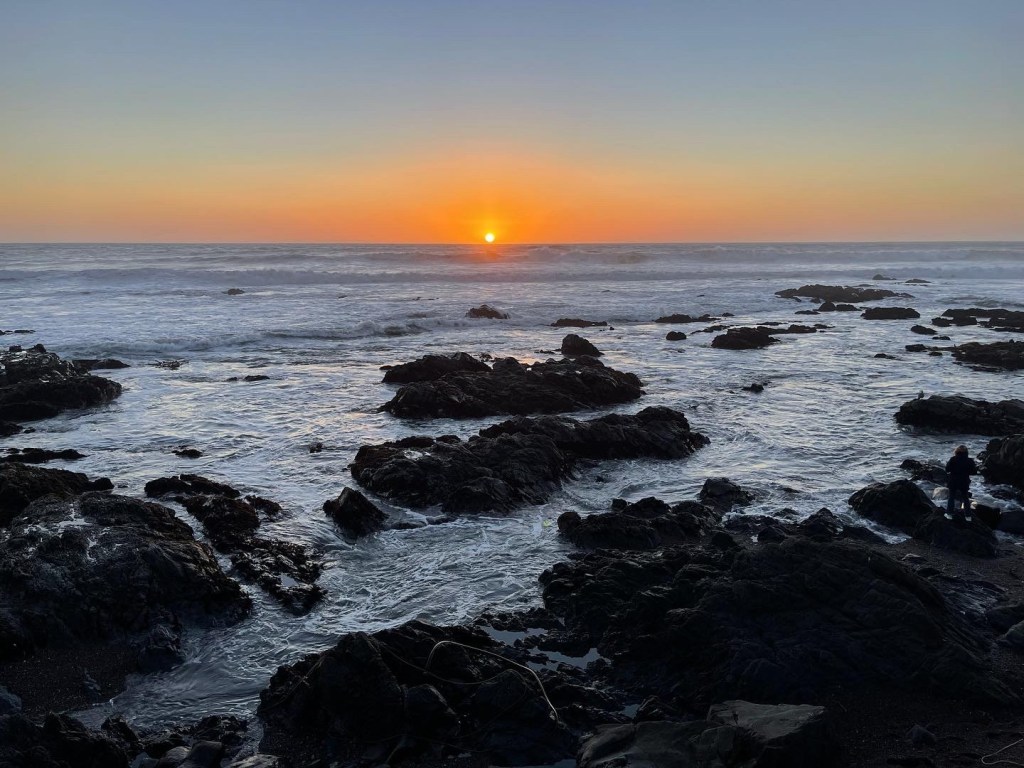
    Sunset at Moonstone Beach
  • Pacific Coast Highway

    “We do not associate the idea of antiquity with the ocean, nor wonder how it looked a thousand years ago, as we do of the land, for it was equally wild and unfathomable always.” – Henry David Thoreau

    I’m an East Coast guy. California is another world when you live with ice and snow and sunrises as your standards. You imagine what a place might be like when you’ve never been to it but hear of it often. It becomes the stuff of legend. Driving the Pacific Coast Highway and visiting Monterey and Big Sur became such a legend for me. And the experience lived up to its billing.

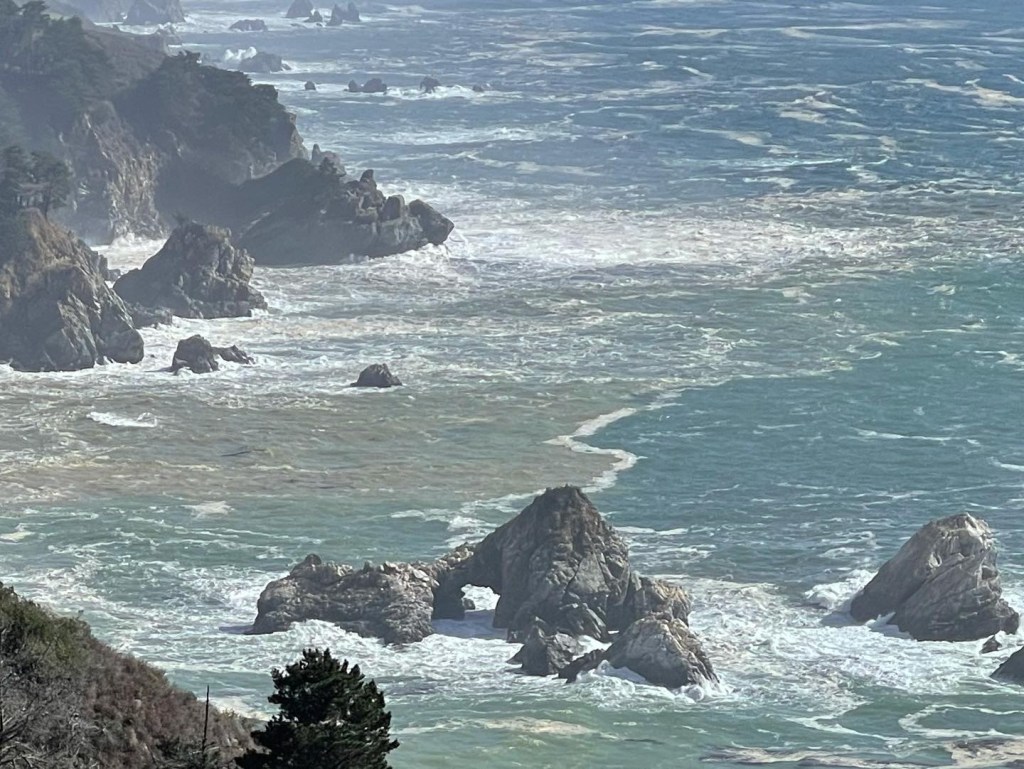
    When you look out at the Pacific Ocean for a few hours, and the rugged, mountainous terrain this highway snakes through, you feel the truth in Thoreau’s words. But for the highway itself and a few scattered houses and ranches this view hasn’t changed much in millennia. And unless it all tumbles into the sea it ought to look the same for another millennium. We’re just rolling footnotes passing through the eternal. The Pacific Coast Highway sets you straight about such things.

    Starting our drive from the dunes of Marin, we drove Ocean View Boulevard to Sunset Drive, making our way to pay the $10.75 entry fee for access to 17 Mile Drive. It was worth the price of admission, particularly with the big waves rolling in as remnants of a stormy ocean. Officially, 17 Mile Drive has 17 landmarks to view (all mapped for you when you pay to enter). Unofficially, the glimpses of the homes of the ultra-wealthy and a drive by Pebble Beach Golf Links are a big part of the draw.

    A quick visit (checking of the box) in Carmel and we were off to Big Sur. This is where cellular coverage all but disappeared and you put your trust in fate. There are hundreds of turn-offs you can pull over into and several larger scenic vista parking areas. The toughest places to find elbow room were Bixby Bridge and McWay Falls. Each offer that postcard or Instagram worthy image. The trick is to find an image that’s unique without putting yourself in peril. Sometimes the perfect picture is the one everyone else took too.

    The rest was simply breathtaking views and an appropriate focus on keeping the car on the road. Every turn brought another stunning view, and at some point you stop taking pictures of waves crashing onto massive boulders and cliffs and simply enjoy the drive. The Pacific Coast Highway is an embarrassment of riches in its beauty and a national treasure. Make sure you have a full tank and the time to enjoy this experience.

  • From Sonoma Wine Cellars to Bouncing 185 Feet Above a Raging Bay

    Autumn in Sonoma is a lovely mix of fall color and a mellower vibe as the hard work and hustle of making the wine gives way to letting time work its magic on it. After a long drought California braced for heavy rains as we wrapped up our time in the region, and talk with locals ranged from gratitude for the coming rains to trepidation at the prospect of mudslides and debris flows where the fire scars were. Northern Californians are stoic about this place they live in, a place that is so generous most of the time yet brutally cruel at other times. Vacationing in a place you’ve wanted to explore as a massive wall of water converges on it mandated stoicism for us too. We must work with whatever fate brings us.

    Fall foliage in the vineyards

    If the Scots utilize previously-used American oak for their liquid gold Scotch, Californians use French oak for their liquid gold, wine. The smell of these barrels of wine biding their time is uniquely wonderful. Scheduling a tour in a vineyard that brings you access to the cellars is a must to better understand the process, and to bring all the senses into your Sonoma experience. Add generous pours of wine to sample and stories of the history of the family who started the vineyard and you’ve securely locked your senses in the amber of the moment. You’ll remember these moments most of all.

    24 hours later, it was time to move on to our next destination, and, it turns out, make another memory. In stormy weather you make calculations about the timing of the worst of it. Do you cut your trip short or hunker down and ride it out where you are a bit longer? Timing makes all the difference, doesn’t it? Leaving Sonoma on our normal schedule but before the worst of the wind and rain we left the region behind.

    As we reached the Richmond Bridge to cross the bay we anticipated extreme wind gusts on the exposed drive across, but didn’t expect a camper trailer to blow over on its side ahead of us, closing a lane and stopping all traffic for 15 minutes as the tow trucks and emergency vehicles positioned themselves for a wrestling match in a wind tunnel 185 feet above the angry waves below. Stopped there for awhile to contemplate the violent wind, we were lifted up and shifted side-to-side with the bridge. It was thrilling or terrifying, depending on your perspective on bridge construction.

    Just a couple of memories on opposite ends of the heart rate spectrum during an all-too-brief visit to Sonoma. Sure, perfectly glorious weather would have left its mark on us too, but there’s something to the unexpected drama of a massive storm that forever imprints itself on your memory. Travel offers up these amber moments. Remember that time we…. moments. And changes us in the process. Isn’t that why we go in the first place?

    Seghesio wine cellars
  • An Epic Drive from Bodega Bay to Fort Ross

    Looking for an adrenaline-filled, twisting and turning cliffside drive with amazing coastal views? Get yourself to Bodega Bay, California on a dry, sunny day and head north on the Pacific Coast Highway. This route is not for those who imagine the worst-case scenario on every turn, but it’s a thrill for the rest of us!

    Hairpin turns and switchbacks are a big part of the menu here. Foggy or rainy days would be pretty scary. Don’t bring your RV for this stretch of road, ideally bring or rent a sports car. Utilize the turnoffs to enjoy the views or to let faster drivers pass.

    One perfect out-and-back drive is Bodega Bay to Fort Ross. Plenty of places to stop and see the rocky coastline and crashing surf, and just long enough that you don’t tighten up from the technical driving that you’ll do on this road. The show continues further north, but Fort Ross offers a quiet place to stretch your legs before a fun drive back to celebrate the day at your hotel or B&B with your favorite Russian River Pinot Noir or Zinfandel.

    Buckle up!