Category: History

  • Our History

    “How does the country come out of a crisis stronger and not weaker?” – Jon Meacham

    “It’s just a sign of the grim moment we’re in that a basic statement about the capacity of America to reform itself can even seem partisan” – Jon Meacham

    I supposed it took an historian to jolt me back to action. I read these two statements in a New York Times article this morning, which got me thinking about these times, which were predictable in the lens of history but ignored in the self-consumed orgy of partisanship. What’s in it for me? has taken over for what’s best for the greater good? As if wanting equality for all is some dark socialist conspiracy. And with this rise of media bile and self-absorbed profiteering, the country has turned on itself. And with it, I’ve pulled away from the entire sordid mess in revulsion. But I’m doing a disservice to the country, the global community and the environment in doing so.

    American politics was once no place for the weak or meek. If you wanted to be in the arena you had to face the crush of public opinion, backroom pressure and lobbyists currying favor. But more than ever the morally compromised seek office for the power it brings and for the chance to grow rich from those who would buy a vote. The undercurrent of inequality has always been there in this country, but the American public is having a collective reaction to the bile we’ve been forced to hold down.

    Hatred and bigotry, things that simmered under the surface for years, would reveal themselves steadily as they rose to a boil. Things like mass shootings, police brutality, and riots would bubble up from below, indicating a level of rage and pathology that needed to be addressed. But instead it was thoughts and prayers and all manner of bullshit from political leaders too busy growing fat on lobbyist bribes to actually do anything meaningful. Trump, and Trumpism, is all that crap that was simmering under the surface finally boiling up and rattling the lid. Everything I believe in seems to be taking a hit from the criminally greedy swirling about in the White House today. It isn’t unlike other dark periods in history, and it will get far, far worse in a second term.

    And so what do we do about it? What do I about it? Vote? Of course. Raise my voice? Definitely. But not in a way that divides the country even further. No lecturing people who believe in something I don’t believe in. No mocking the opposition. Seek first to understand. And then to be understood. The key to selling is to help people reach conclusions, not to trick them. There are plenty of people tricking the American public right now. Educate people, but do it without smugness and antagonism. Lead with dignity and steadiness… but lead. Be in the arena, be in the game. No more recoiling in revulsion. Face the truth of what we’ve become and work to change it.

    Our history as a country is written in divisiveness, cruelty to others, opportunism and greed. But also on hope for an ideal of equality and freedom. The current administration has spotlighted the worst traits in America, but the reaction to the current administration has spotlighted our best traits. There’s a battle for the future America happening right now. This is our history being written, today, and we’re the authors. This is/there is no time to sit on the sidelines.
  • Reflections of the Day

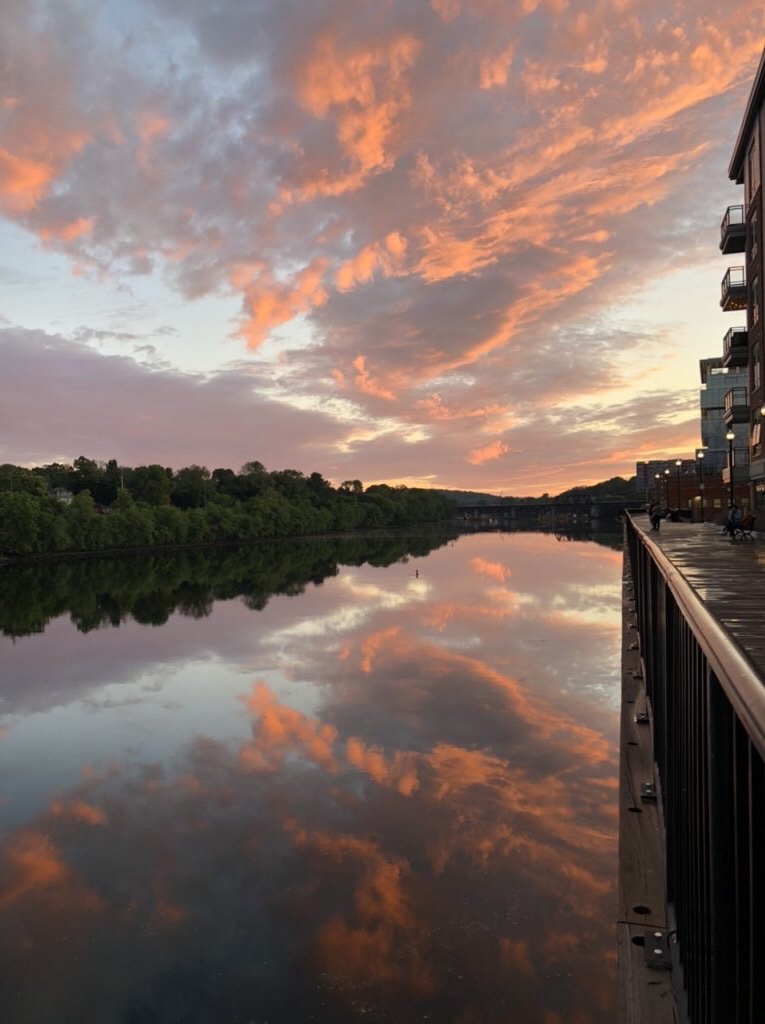
    Merrimack River at Sunset, Haverhill, Massachusetts

    “Water does not act like a perfect mirror. Light objects will appear a little darker and duller in their reflected images and dark objects will appear a touch lighter… A reflection [also] shows you the view from the point on the water’s surface that you are looking at, not the perspective from where you are standing.” – Tristan Gooley, How To Read Water

    I admit, standing on the riverwalk next to the Merrimack River in Haverhill, Massachusetts I didn’t think about whether the reflection was perfect or imperfect. I only thought about the beauty of the reflected light on the dark river water. For why dwell on the science behind the magic? Does knowing the science behind why something happens a certain way make it less magical? I should think not, and neither does Tristan Gooley. If anything it amplifies the beauty. Does knowing the name of the constellations improve or detract from the wonder in the night sky? Clearly it improves the experience. And so it is with water.

    I’ve borrowed How To Read Water from a friend and I chip away at it slowly. In fact, I finished two other books since he handed it to me. It’s not that I don’t want to read it, it’s more that the other books have been whispering to me more persistently. But after witnessing the sunset on the Merrimack River I’m inclined to dive deeper into the book.

    The Merrimack River holds a special place in my heart, flaws and all, because of my time living along its shores, and rowing on its waters, and exploring it from source to sea. Haverhill has never been my home, but I’m drawn to the city for its history and the raw beauty it still displays despite rough treatment by humans for generations. The land and the river both share the same affront from generations of humans, but still the land stoically holds on, scarred but dignified. And the river flows persistently onward, outlasting the generations who abused it. Those generations are eventually buried six feet into the land, becoming a part of it as we all must someday. For all our noisy encroachment, the land and the river silently have the last laugh.

    When you combine the history and the river and sunset, well, you’ve generally got me. And so I lingered along the edge of the river. My old friend and I quietly conspired as the light danced with shadows on her still water, until finally the shadows won out. The day faded and the river transformed into a black ribbon of water that now reflected starlight even as I reflected on another day that quietly slipped into the past.

  • The Four Chronometers of Greenwich

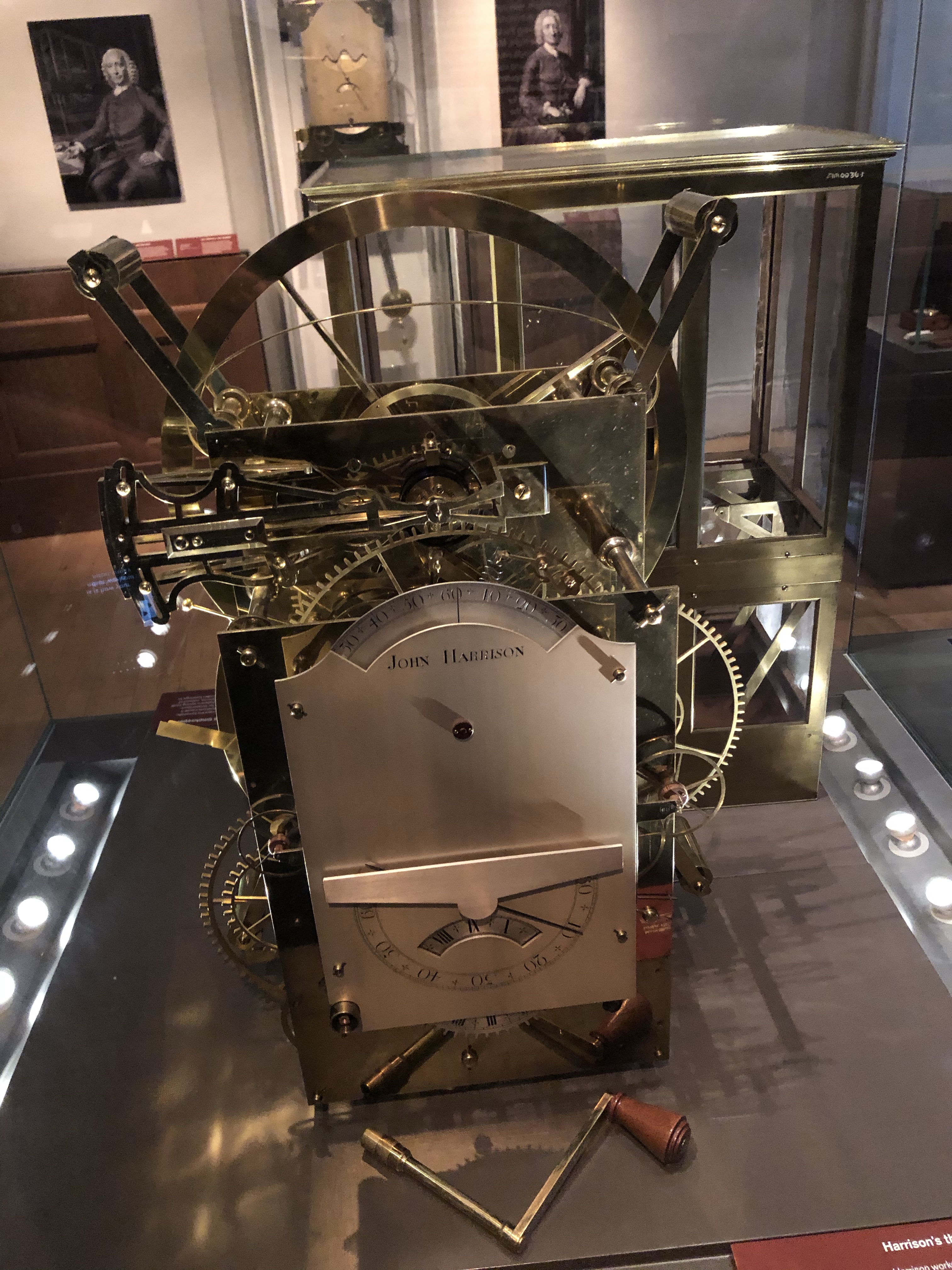
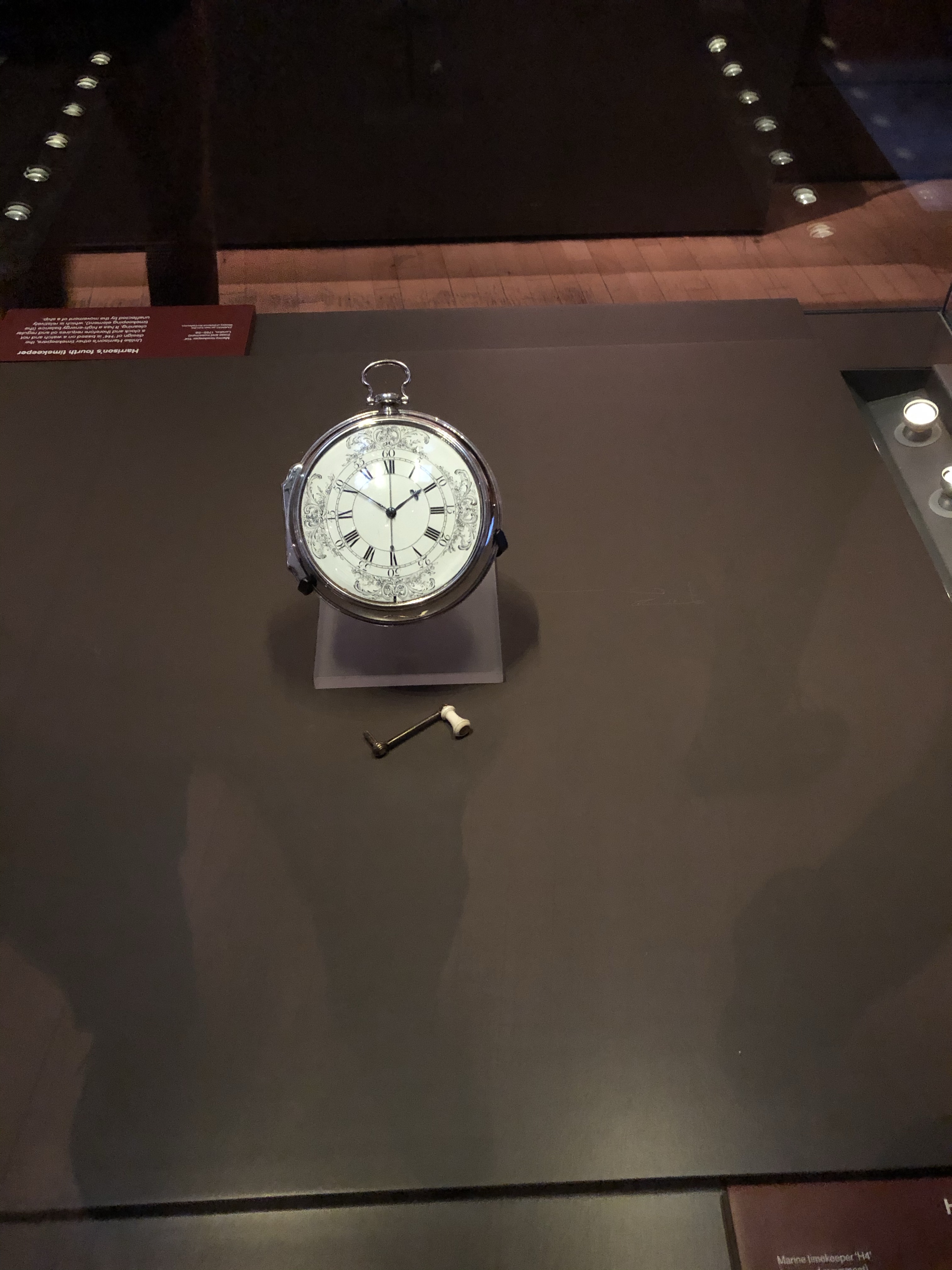
    I confess when I visited Greenwich my mind wasn’t on chronometers, it was on the Prime Meridian and Greenwich Mean Time.  But after the obligatory pictures at 0° along the famous line that dictates so much of our modern lives I spent the duration of my time exploring the Royal Observatory Greenwich, and listened intently as an exceptional guide detailed the story of the four clocks that changed the world.  That all four of the clocks were on display, and three of them were still running was a mind-blowing moment.

    John Harrison invented the first clock, H-1, in an attempt to solve the most perplexing problem of the day – determining longitude while at sea.  It was such a critical issue that Parliament passed The Longitude Act 1714 with a prize of £20,000 for anyone who came up with an accurate way to determine longitude.  Dava Sobel wrote an excellent book that details Harrison’s lifetime pursuit of a final solution.  H-1 was completed in 1735, but Harrison wasn’t completely satisfied with it and went about immediately to work on an improved chronometer.  H-2 never went to trial (tested at sea), H-3 was completed in 1759 but wasn’t trialed right away because of the Seven Years War.  While they waited to trial it Harrison invented the smaller H-4, which was the size of a very large pocket watch, which went on to win the prize money after a lifetime of work and refinement and continuous trouble with The Commissioners of Longitude (some of whom were biased towards an astronomical solution to the longitude riddle).

    Part of me wishes I’d read Sobel’s book before visiting Greenwich and seeing the four chronometers that changed the world.  But there’s another part of me that is grateful for discovering them unexpectedly.  I immediately purchased Longitude when I returned from the UK.  Having seen the four chronometers side-by-side in the museum, with all in working order (H-4 is deliberately kept unwound to preserve it), I felt an immediate affinity for the story when I began reading.  But another hero emerged from the book besides Harrison.  It was Rupert Gould, a Lieutenant-Commander in the British Royal Navy who was given permission to restore the four chronometers that had been sitting in a deteriorating state for almost a century.  Gould spent 13 years restoring the clocks to their original state, and in doing so returned four examples of timeless magic for visitors to the Flamsteed House and the Royal Observatory Greenwich.  He’s a quiet hero in history, and is rightfully remembered as such.  I was spellbound by H-1, H-2 and H-3 as they earnestly marked time 2 1/2 centuries after Harrison built them.  Now that I know their history, I look forward to a return visit someday, and will re-read Longitude and linger for a spell in the presence of history.

    H-2
    H-1

    H-4
    H-3
  • The Old Indian Meeting House

    The Nauset of Cape Cod are part of the Mashpee Wampanoag and were known as the “Praying Indians” because they became converts to Christianity.  They were an important ally for the colonists against tribes that rose up against the encroachment of the English settlements.  Most famously they worked with Benjamin Church as guides in his hunt for Metacom, or “King Philip”.  It was one of the Praying Indians who killed Metacom, effectively ending King Philip’s War in 1678.

    The Nauset were clearly converts to Christianity in the 1670’s, and they met somewhere in Mashpee to pray, but the original building is long gone.  A second building was purportedly built in 1684 at the original site near Santuit Pond.  That building is generally agreed upon as the current Old Indian Meeting House, relocated in 1717 to its current location on Meetinghouse Road (naturally) just across from the Mashpee River. This would make it the oldest church on Cape Cod and the oldest Indian church in the United States.  I’ve read at least one article that disputes the original date of construction for the meeting house, with a local historian claiming the building was actually built in 1757 or 1758 by Deacon John Hinckley.  I believe that Deacon Hinckley is agreed upon as the builder of the church, so determining the actual date should be relatively easy from there.  But I’m not diving deep into this controversy.  There’s no doubt that the Meeting House is historically highly relevant and important.  It was used by the Nauset as a church, and also no doubt that it was here that the Nauset staged a nonviolent protest known as the Mashpee Revolt against the Commonwealth of Massachusetts in 1833 over control of the tribe’s land.  Of course, that was exactly what Metacom was doing from 1675 to 1678, but he chose violence (spurred on by violence against the Pokanoket).

    I visited the Old Indian Meeting House on a quiet, hot August day.  Not a lot of Cape tourists hanging out at an old build next to a cemetery on a perfect beach day. I find that I’m often the only visitor to such places in the moment I’m there. But I prefer quiet time with places of relevance. It’s set on a small hill on the edge of the cemetery, roughly three miles from Santuit Pond, which would make moving it on logs on old colonial roads quite an undertaking.  The Mashpee Wampanoag hold this place as sacred, and I respectfully walked around the site for a few minutes, read a few of the nearby gravestones and generally tried to get a feel for the place before moving on.  A visit to their web site prompts a popup requesting that you sign a petition to help the tribe protect their lands from changes at the Bureau of Indian Affairs.  It seems that the contributions of the Praying Indians are once again being forgotten by some in the endless land grab of the native lands.  That would be par for the course.

  • A Sand and Scrub Pine Kid Visits the Past

    It might say a lot about me that on a hot Monday morning on Cape Cod when I found myself with time alone I didn’t opt for the beaches, but instead made a pilgrimage to an old graveyard in the woods of Forestdale.  This was a trip back for me, for I would walk in this graveyard as a kid reading the names and the stories behind the people who once lived and died in this place.  The graveyard was a short walk from the shores of Peters Pond, a place that I’d spend many summers in my formative years.  For I was a sand and scrub pine kid.

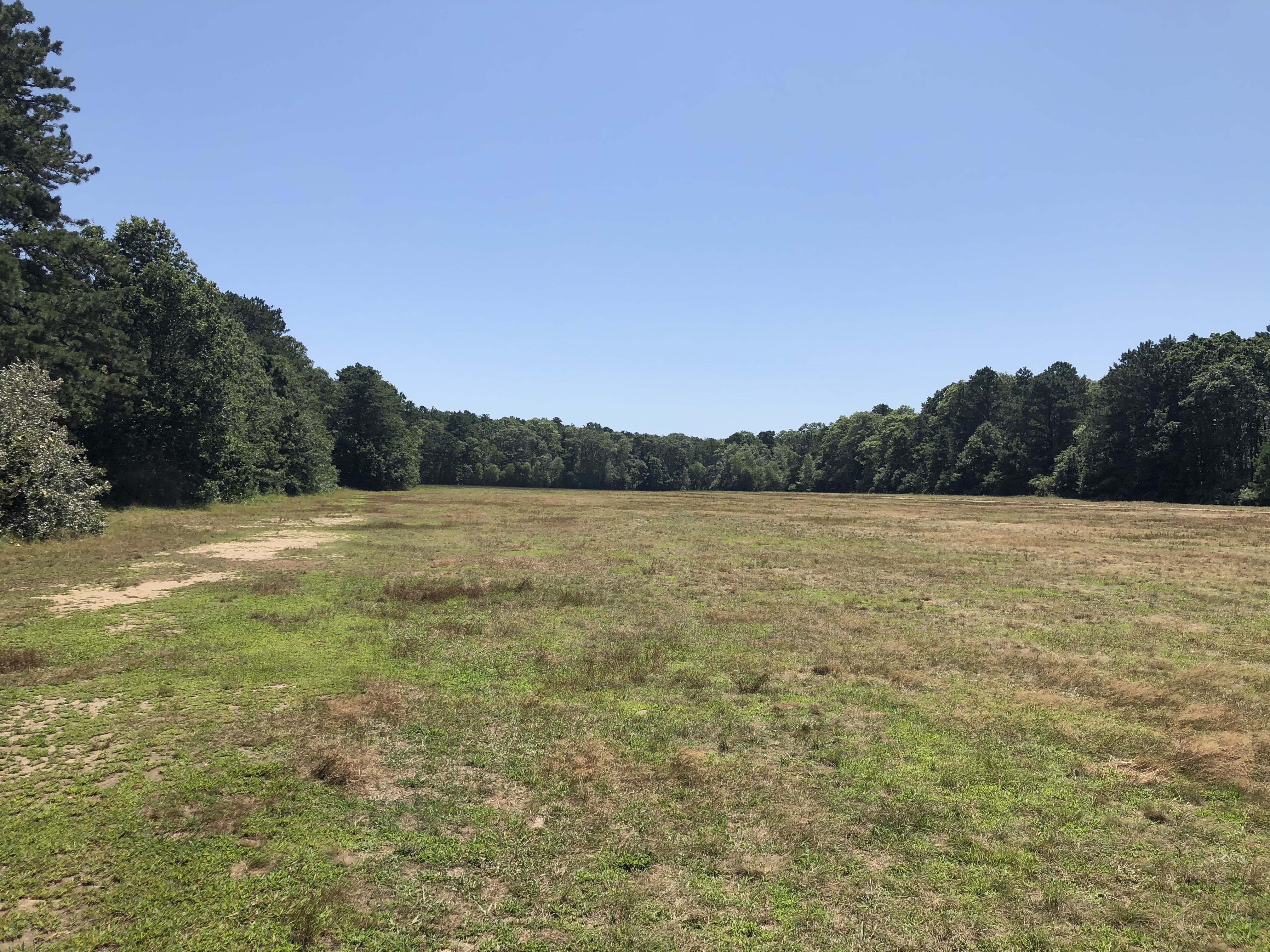
    30 years ago you could read the names clearly on most of the gravestones, and the cemetery was well-maintained by the caretaker for the Hewlett Packard Sandwich Resort (back when HP was a different kind of place).  That place on Peters Pond was a great perk for employees – a place to bring your kids for a week or two every summer at no charge.  When you went on the same week every year, you’d build friendships with other HP families, and that would build momentum year-after-year until it became a defining part of growing up for many of us.  The summer would end and they would have one last company party with employees grilling steaks and burgers and having games with prizes on a large field up the hill from the grounds of the resort.  That field is now home to The Sandwich Bazaar Flea Market, which effectively preserved the field in just as it was three decades ago.  I was grateful it hadn’t become a landing spot for condos.

    Sandwich Bazaar Field, once a part of HP’s Peters Pond Resort

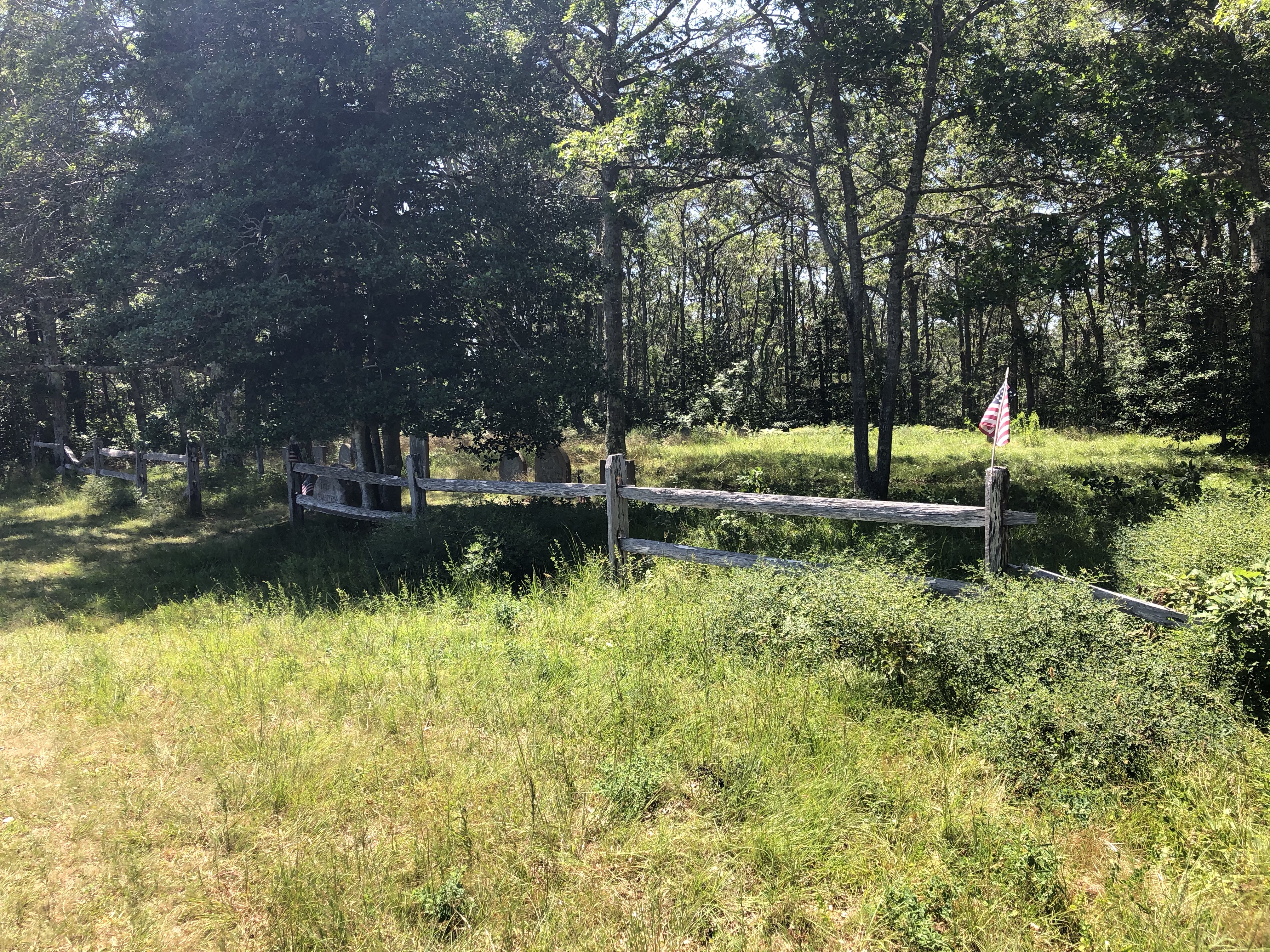
    The entrance to the field is chained off to prohibit cars, but I parked across the street and walked over.  Warning signs about deer ticks and Lyme Disease greeted me.  We didn’t think about such things when I was a kid, we’d just pull ticks off of our skin before they became engorged.  Now I guess you need to remind people.  And so I walked down to where I remembered the small graveyard being, walking in a time warp back to the late 1970’s and early 1980’s when this was my escape and the rest of the family didn’t think anything of you disappearing for the entire day as long as you showed up for dinner (I never missed dinner).  I saw the fence for the graveyard well past where the tire tracks for the flea market stopped.  Just where I remembered it being.  But sadly the old graveyard isn’t maintained anymore.  Where once the grass was neatly mowed, now it was as tall as the gravestones.  More troubling was the poison ivy that spread all over the grounds.  Apparently the Town of Sandwich has decided to let this cemetery return to nature.  At least the gravestones that were still standing.  Many were crumbled piles of broken stone.  Perhaps vandalized?  But even the gravestones still standing showed they haven’t aged well.  Most were illegible as the sandstone faces curled and peeled downward.  The last three decades haven’t treated the old graveyard well.

    The Sandwich Historical Commission does a great job of posting old maps of the area.  I compared two maps from around the time that the people taking up permanent residence here would have been alive.  The first was a map from 1794 that offers a larger view of Sandwich, with delightful details on the map.  Peters Pond is clearly named, making it an easy point of reference.  The land is marked as “wast land” on one side of the pond and “good land” on the other.  But the graveyard isn’t noted.  It does show up on a map from 1857, which also notes family names on houses in the community.  Interestingly, none of the names correspond with the people who are buried in the graveyard.  Its as if all references to them disappeared.  And so now is the graveyard, quietly being swallowed up by forest and poison ivy.  I thought of that 1794 map, describing this land as “wast land”.  Its impossibly hard to make a living farming on sand, but the land isn’t a waste.  It raised countless generations.  And for a dozen or so summers, it raised me.

    Segment of 1857 map of Sandwich

    I walked the serpentine path through the graveyard where the tall grass had been trampled down.  The path followed a route to the gravestones that were still intact.  I’m not the only one to visit Tobey Cemetery this year.  Which made me wonder, was it other sand and scrub pine kids returning to their childhoods as I was?  Or curious flea market people wondering what this remote graveyard was all about?  I’d like to think the former.  There were so many of us once.


    Tobey Cemetery

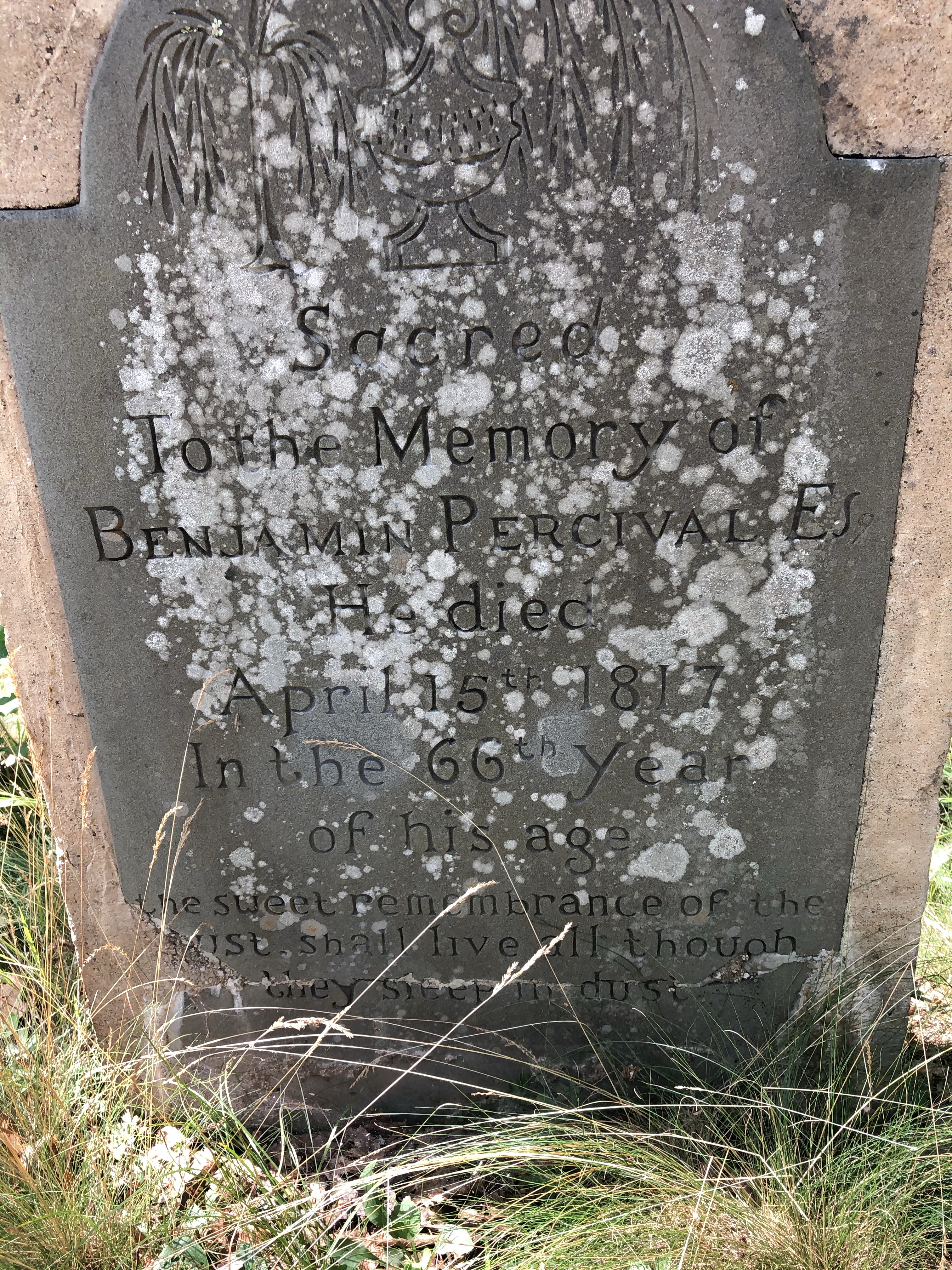
    One of the few intact and legible gravestones left
  • Skipping Across The Water: 20 Places To See By Boat

    Perhaps its my proximity to water at the moment, or perhaps the heavy influence of the crew of Fayaway on my thinking the last few days, but I’ve been thinking about places best seen by boat lately.  For when you combine water and beautiful scenery you can quickly build a list of must-see places that are perfectly situated to or only possible to see by boat.  I’ve managed a few of these in my lifetime, the rest are bucket list items for the right moment, should it come along.  But we all have to have hope for a future where we can once again explore the world, don’t we?

    Interesting if only to me, many of the places I want to go to most are in cold climates.  The tropical destinations are nice, but I’m a Northern bird and appreciate a bit of snow and ice in my life too.  And then there are the places I’ve been to before that I secretly plot to return to again as soon as possible.  You know you’ve fallen in love when a place haunts you for decades after visiting, and a few on this list qualify.

    Without further ado, here are twenty places best seen from the water for your consideration:

    The Outer Hebrides  Begin with Scotland?  I should think so.

    The Faroe Islands Stunning and remote?  Sign me up!

    Westfjords, Iceland – but why stop there?  The rest of the country whispers to me too.

    Iceberg watching between Newfoundland and Labrador (any excuse to return to Newfoundland works for me, and Labrador offers a world of remote exploration all its own.

    Easter Island, Chile to visit those Moai characters at sunrise and contemplate the extraordinary.

    Isla del Cocos National Park, Costa Rica – diving with hammerhead sharks?  Maybe.

    Nahuel Huapi Lake & Nahuel Huapi National Park, Argentina for the glory of the Patagonian Andes from the water.

    Whales and icebergs in Disko Bugt (Disko Bay), Greenland, and maybe a polar bear or two from afar.

    St Helena – maybe because its so remote, or maybe because of Napoleon, or the useless airport?  Whatever the reason, I’m interested in getting to St Helena someday.

    Carribean island hopping: Dominica, Martinique, Grenada, Saba, Barbados, etc. for all the reasons you’d expect.

    White water rafting through the Grand Canyon.  Because once was not enough.

    Inside Passage Alaska, and also because once was not enough.

    Revisiting the Statue of Liberty and New York Harbor again someday when the world is normal, or at least a little more normal.

    A cultural immersion in Okinawa, Japan for all that this place offers, from the historical perspective of Shurijo Castle and the WWII sites to slowing down in Sefa-utaki.  I have riding a bicycle across the Irabu Ohashi bridge on my short list of activities for someday, maybe.

    Milford Sound and Doubtful Sound in Fiordland, New Zealand remains on that evasive list of places to get to as soon as reasonably possible.  I fear that I might just want to stay in New Zealand should I ever visit, but its a chance I’ll have to take.

    Visiting Sydney Harbor and climbing that bridge are high on my list of things to do.

    Mo’orea, French Polynesia – and while you’re in the neighborhood, who doesn’t dream of visiting Tahiti, Bora Bora, Marquesas?  A visit to Mo’orea necessitates lingering to see more.

    Li River cruise China – China is a mystery to me, but a place I’d love to explore someday.  And I can think of no better place to start than on the water cruising the Li River.

    Cruising down the St. Lawrence Seaway and through the Great Lakes has been on my mind for some time.  If there were a reason to get another sailboat, it would be to do this trip.

    Last but not least and closer to home, sailing Lake Champlain is something I’ve contemplated since I was a teenager seeing sailboats moored along the shore with the Adirondacks rising in the distance.  And my fascination with the early history of this region makes it a must-do for me.  Early October would be sublime with the foliage.

    So there you go: twenty bucket list places to see from the water.  All we need is time and a way to get there.  A chance to skip across the water like a stone and see parts of the world you can’t always get to from land.  A mix of salt water and fresh water destinations just ready to explore.  Are you ready?  This list could take some time.


  • A Cape Cod Time Warp

    We slipped back into old Cape Cod for a quiet walk on the trails of Little Bay and Monks Park in Bourne, Massachusetts yesterday.  From a perspective of scale this park is of modest size, and the loop is quick, but from the perspective of getting you out of modern Cape Cod and back into a time before the place was built up it served us well.  A time capsule of sorts, onto shady paths of sand and scrub pine needles with surprising variations in elevation from sea level to 70 feet.  Not exactly the White Mountains, but a pleasant departure from the usual flat walks.

    The variation in flora matched the elevation changes, with sassafras, scrub pine, oak, highbush blueberries and a fair amount of poison ivy dominated the landscape, with salt marsh and views of the bay sprinkled in.  In some ways this feels like its always been this way.  But there are hints to other uses in the flora as well.  A pair of large beech trees guard the entrance to the park on Valley Bars Road, planted at some point maybe a hundred years ago.  A holly on the Loop Trail looks to be out of place in the landscape as well, perhaps planted by someone before this became conservation land in 1980, perhaps by someone taking a walk in the woods who wanted a home for a shrub.  The holly keeps her secret from me.

    All of this land is preserved because of the work of the Bourne Conservation Trust, which saw the explosion of development on the Cape in 1980 and decided to do something about it.  This land was once part of the estate of George Augustus Gardner, brother of Isabella Stuart Gardner, giving it a hint of Boston Brahmin.  This area was pretty exclusive back in the day, with President Grover Cleveland summering just up the road.  He bequeathed it to his daughter Olga Eliza, who married a man named George Howard Monks, which is where the name Monks Park comes from.  The family sold the land when Olga passed away, and thankfully it was purchased by the Bourne Conservation Trust.

    The Loop Trail is roughly 1.5 miles, with a few trails that cut straight across the land providing a shortcut of sorts.  If you were to walk this trail in late fall or winter the water views would be spectacular.  In summer the oak leaves obscure much of the view, making you earn it with a walk down steep grade to the beach from the trail, or simply walk under the railroad bridge from the parking lots.  Not the longest trail, but you could walk the loop a few times and try the side trails for variation if you wanted a longer walk.  This place is a gem hidden in plain site on busy Shore Road, and worth a visit.  A quiet connection to old Cape Cod, to the wealthy who acquired the land, and to those progressive people who saved it from ever being developed. Consider a donation to their future efforts, as Little Bay and Monks Park demonstrates just how much good a few people can do.

  • Hiking Pierce and Eisenhower

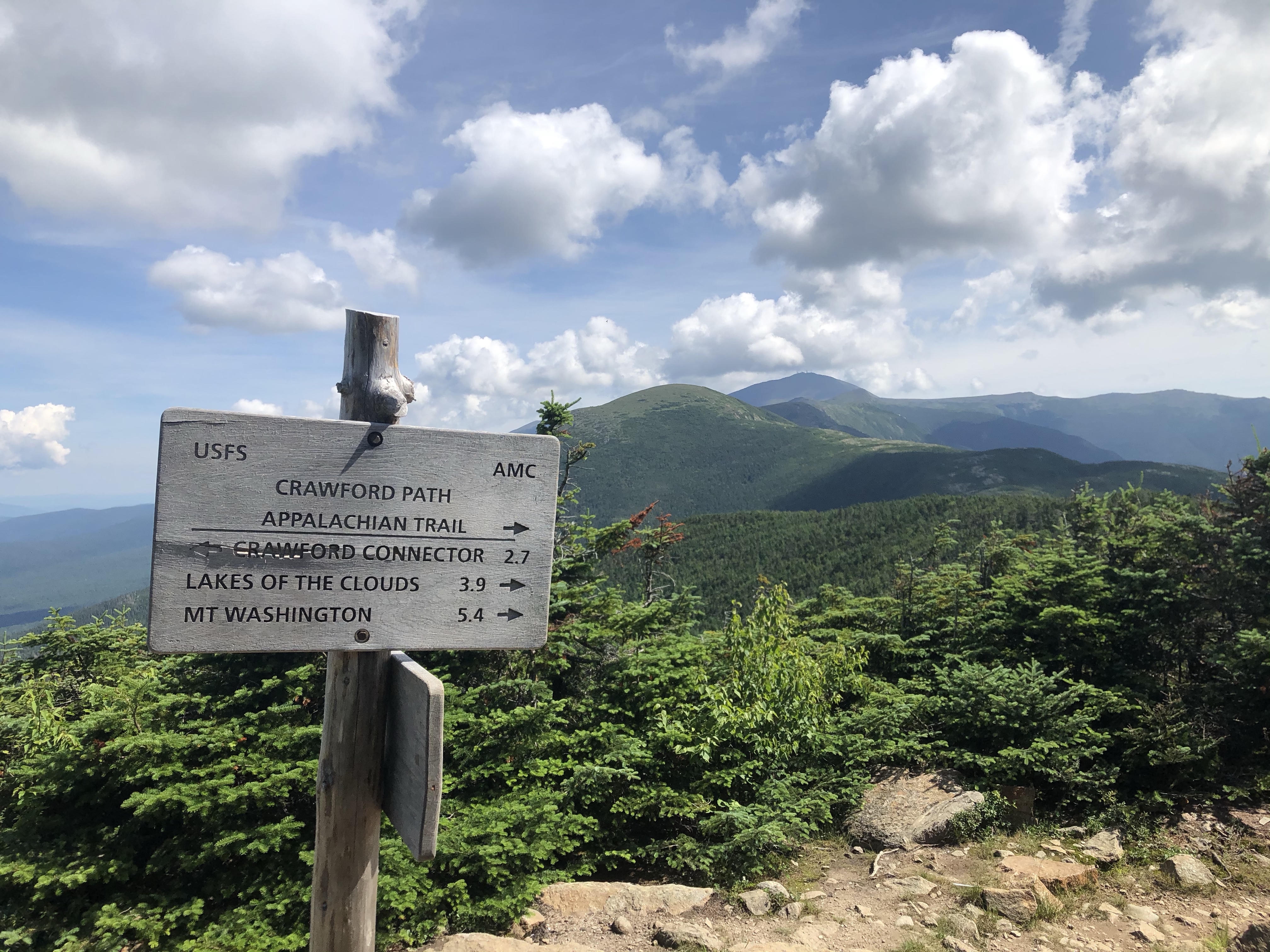
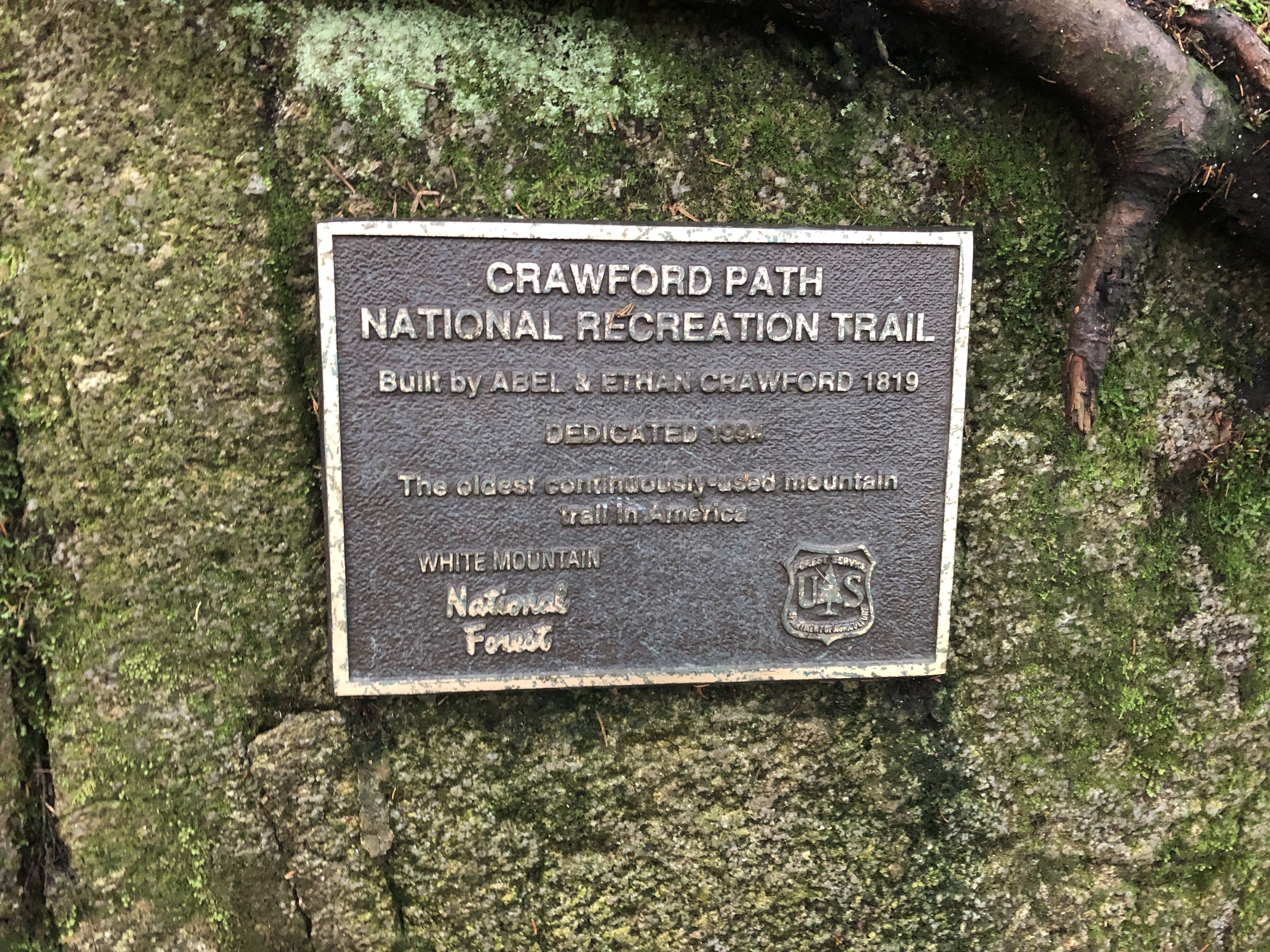
    201 years ago, in 1819, a father and son team of Abel and Ethan Allen Crawford cut an 8.5-mile hiking trail from what is today called Crawford Notch to the summit of Mount Washington’s summit.  A year later, Ethan Allen would guide an expedition up that trail, which became known then and to today as Crawford’s Path.  That group would name most of the mountains they saw after the early United States Presidents: Washington, Adams, Jefferson, Madison and Monroe. That we hiked on the oldest continuously maintained hiking trail in the United States wasn’t lost on me.  People have been walking or riding horses on this path since many of the Founding Fathers were alive.  The Crawford Path is a bridge of sorts, and 200 years later I hiked part of it to traverse the summits named for two Presidents who came after the trail was first cut: Mount Pierce and Mount Eisenhower.

    Franklin Pierce was the 14th man to be President, and the only one ever born in New Hampshire.  He was President between 1853 and 1857, and was well aware of the threat that the abolitionists from the southern states posed to the young United States of America.  Pierce was a compromise candidate nominated to appease the south, but he wasn’t a particularly popular President, making controversial decisions like nullifying the Missouri Purchase (if we can have anti-slavery Maine be a state we let pro-slavery Missouri be one too) by signing the Kansas–Nebraska Act.  That may be a post for another day, but the act essentially fueled the vigorous anti-slavery movement that led to the Civil War.

    “After the White House what is there to do but drink?” – Franklin Pierce

    Pierce wasn’t a great President when the United States needed one.  He was also a vocal critic of Abraham Lincoln, which didn’t endear him to most northerners then or today.  But he is a native son, and New Hampshire named a 4310 peak in his honor.  It would be the first of two 4000 footers I’d climb for the day.  The second would be the 4780 foot Mount Eisenhower.

    Dwight D Eisenhower was, like George Washington, a great General who became a relatively great American President.  He opposed McCarthyism, promoted civil rights, expanded Social Security and built the nations interstate Highway System.  He was a two-term war hero President who bridged the relatively peaceful decade between the Korean War and American escalation in Vietnam.  When he passed away New Hampshire took an existing mountain in the Presidential Range, Mount Pleasant, and re-named it Mount Eisenhower in his honor.

    “This world of ours… must avoid becoming a community of dreadful fear and hate, and be, instead, a proud confederation of mutual trust and respect.” – Dwight D Eisenhower

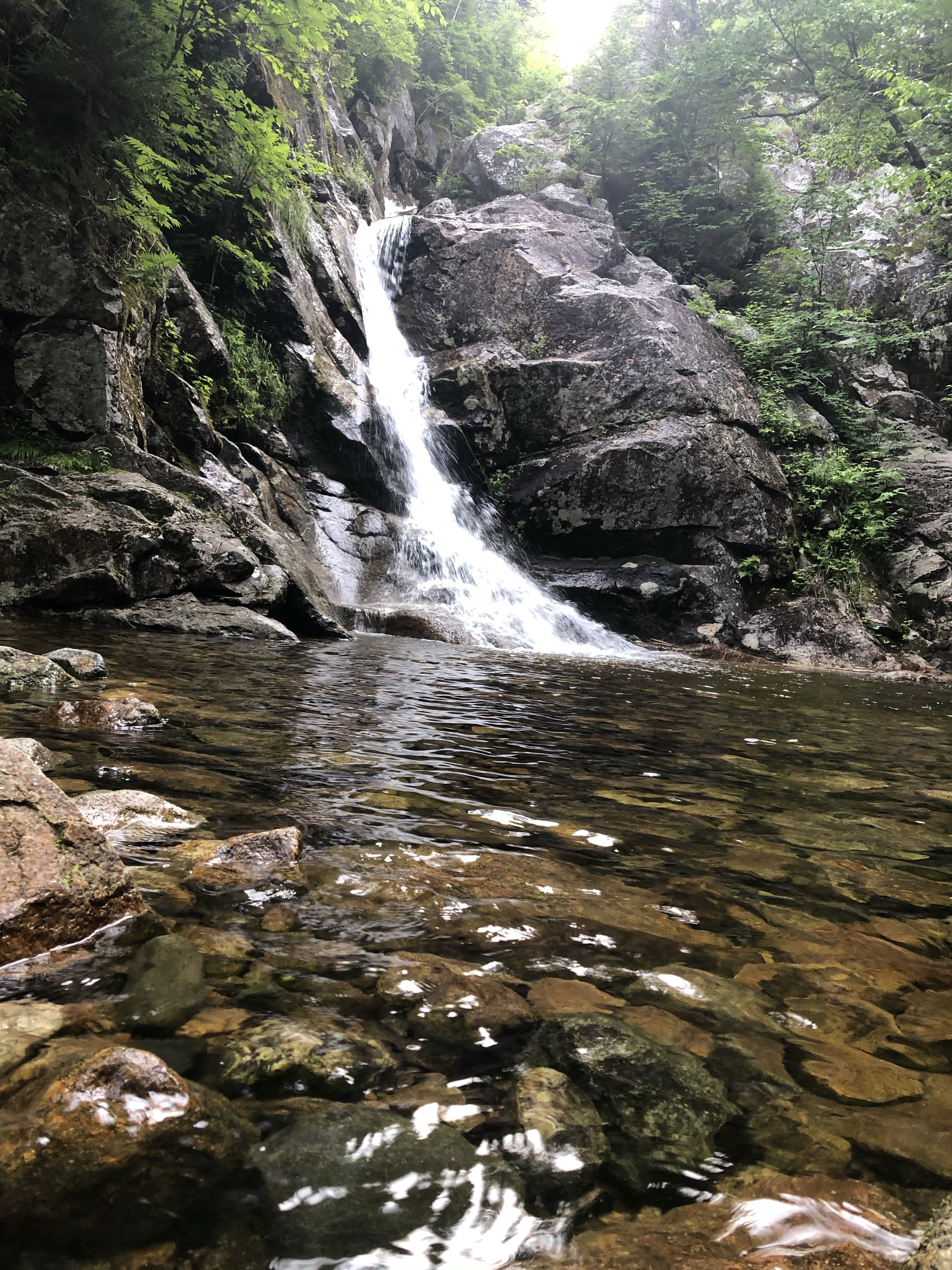
    Enough history, let’s get to the hiking.  Hiked up the Crawford Connector Trail to meet up with the Crawford Path, and made a point of stopping for a look at Gibbs Falls. I rarely pass up a visit to a waterfall, and today wasn’t going to be an exception.

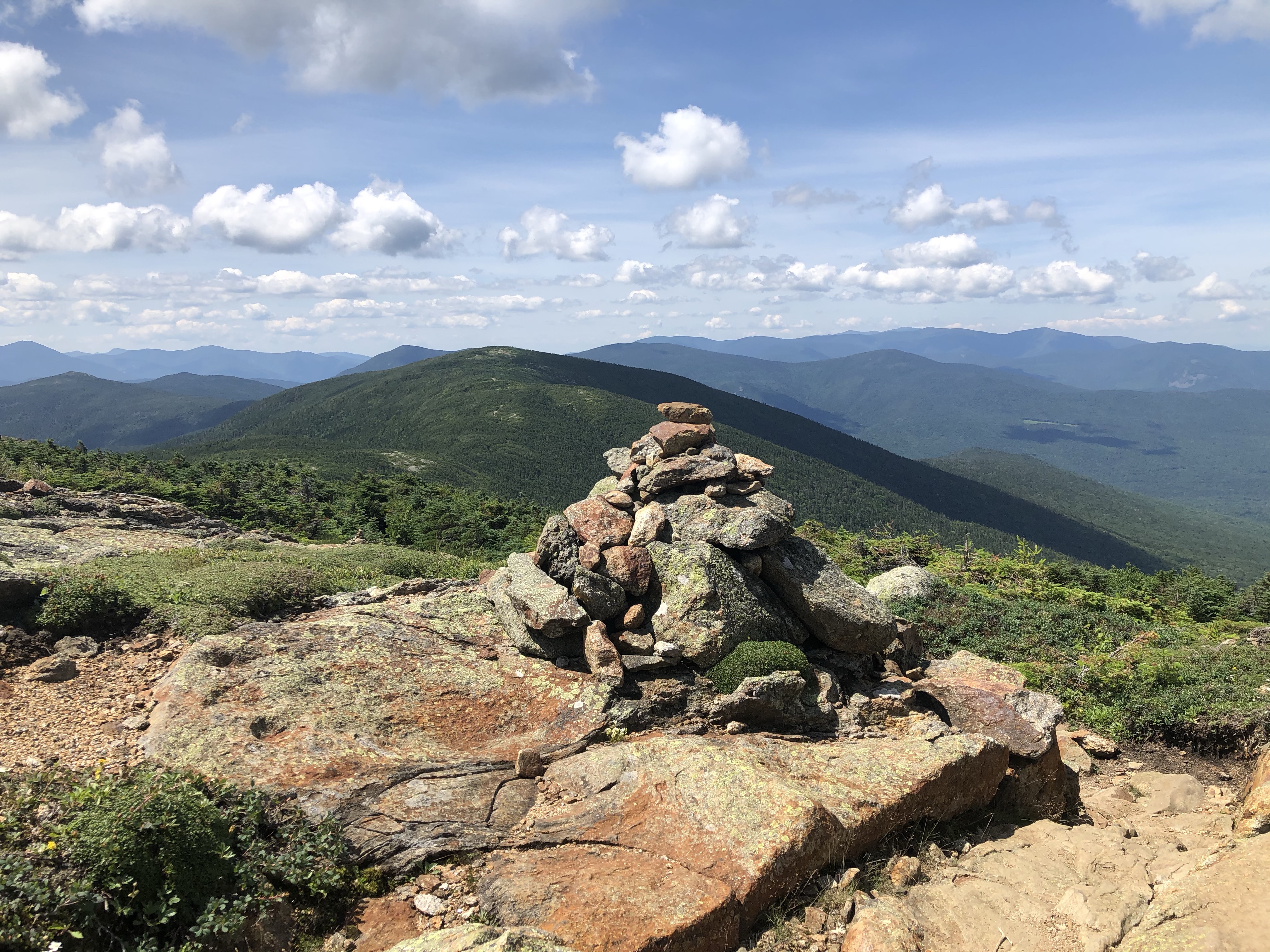
    From there we hiked up to Pierce and then Eisenhower. There was a lot of company on each summit (being a beautiful Saturday) but we managed to find a spot to stop for a quick break at each before moving on. Checked two peaks off the list of 48 and had a great day with three great people. We left Crawford’s Path for the Eisenhower Loop, summiting relatively quickly, had our quick lunch and descended via the Edmands Path, a rocky, wet trail that wasn’t a favorite. But it did the job of bringing us back to the quiet road that led to our car and cold beverages and hot showers. A long day, but a heck of a day. And I’ll publish this and enjoy the rest of a great Saturday.

  • To Visit All the Celebrated Places

    “Now is the time to visit all the celebrated places in the country, and fill our heads with what we have seen, so that when we become old and bald we will have something to talk about over the teacups.” – Jippensha Ikku

    Credit to Smithsonian Magazine for the Ikku quote, for it made me smile when I read it.  Ikku lived in Japan during a fairly important period in American history (1766-1831) so its easy to overlook what might have been happening in other places in the world.  The quote reminds me that our feelings about travel and aging are timeless.  We all hope to see the world while we’re young and full of vigor, that we might have epic stories to tell over a favorite beverage when we’re older and less mobile.

    The travel list of celebrated places is ready, and all earnest travelers wait for the starting gun to set us free to explore once again.  We’re all rooting for a vaccine and some level of herd immunity, some measure of personal responsibility from society at large and perhaps stronger political leadership to set policy that makes sense.  May we see it sooner than later.  But in the meantime, I’m traveling as Thoreau traveled: exploring the place where I am in ways that I hadn’t before.  Walking fully aware in the woods, or the mountains and shores of New Hampshire, stopping at local landmarks previously unknown to me, and exploring space  while looking up at the stars to pick out planets and constellations.  For the adventurous spirit, there’s no shortage of opportunities to explore, even in a pandemic.

    “Travel spins us round in two ways at once: It shows us the sights and values and issues that we might ordinarily ignore; but it also, and more deeply, shows us all the parts of ourselves that might otherwise grow rusty. For in traveling to a truly foreign place, we inevitably travel to moods and states of mind and hidden inward passages that we’d otherwise seldom have cause to visit.

    All [great travel writers]… believed in “being moved” as one of the points of taking trips, and “being transported” by private as well as public means; all saw that “ecstasy” (“ex-stasis”) tells us that our highest moments come when we’re not stationary, and that epiphany can follow movement as much as it precipitates it.

    Travel, then, is a voyage into that famously subjective zone, the imagination, and what the traveler brings back is — and has to be — an ineffable compound of himself and the place, what’s really there and what’s only in him.” – Pico Iyer, Why We Travel

    While nice on the surface, I chafe when spending too much time at resorts because I’m not looking for pampering or losing myself in a cartoon world.  Travel at its best isn’t distraction, but exploration.  It isn’t running away from ourselves, but finding ourselves.  And that can happen anywhere if we let it.  Our highest moments come when we’re not stationary…  and so we hear the call to explore.  I’m conspiring to travel locally over the next couple of weeks to places near, while foregoing far.  At least for now.  For there’s so much to see right in our own backyards that we rarely celebrate.  Over the next few weeks I’ll explore some of those places in New Hampshire and Massachusetts.  And as you might expect having read any of this blog, explore hidden inward passages too.

  • Hiking Mount Garfield

    As U.S. Presidents go, James Garfield is barely remembered, but he seemed like a decent guy.  He fought for the Union primarily to eradicate slavery, and is the only President to be elected from a seat on the House of Representatives.  So he should be viewed favorably and as an American success story.  Unfortunately, his tenure as President lasted a mere six months, as he fell victim to an assassination attempt, dying a few months after being shot from complications.  That you and I don’t remember much about Garfield has as much to do with his short and tragic life more than any flaw in his character  His mother Eliza was born in New Hampshire, so it seems fitting that there’s a mountain named after him.  This morning I climbed that mountain.

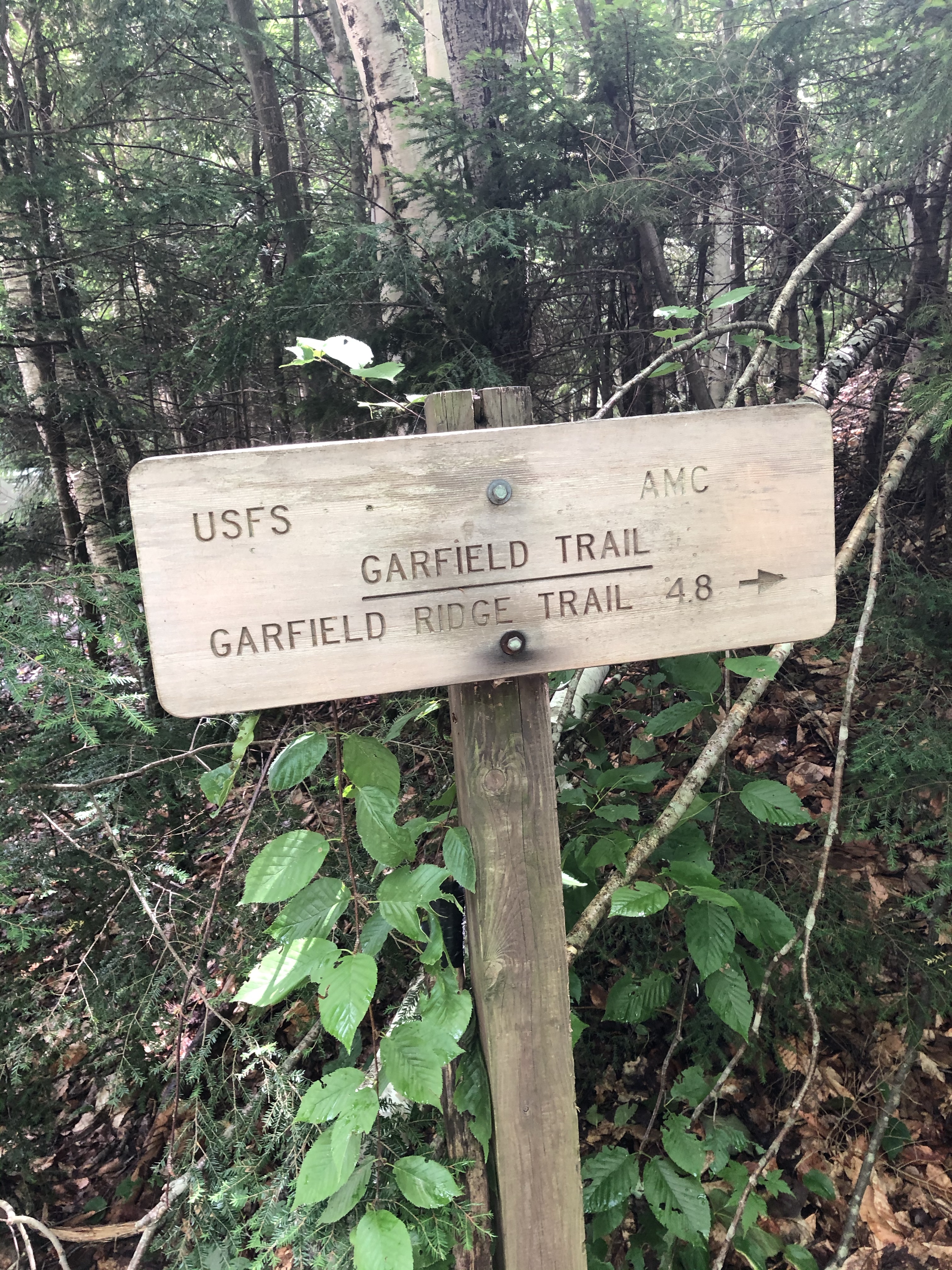
    Mount Garfield is known for the view from the summit.  There would be no view this morning, as rain and low cloud cover announced from the start that this wouldn’t be one of those days when you could see for miles.  I decided to hike it anyway, and to do it solo. The Garfield Trail is a relatively easy hike, and I was able to get to the summit in 2 1/2 hours.  As a wet hike, the Garfield Trail leaves a lot to be desired.  You feel like you’re hiking in a stream in stretches, and on the verge of getting bogged down in mud in some others.  But it’s a classic New Hampshire hike, with a cathedral of mature trees lining the ridge in the first third of the hike, and rocks for much of the rest of the way.  This is the type of hiking I’ve grown up with, and I quickly settled into my rhythm for the climb up.  For all its wetness, there were no bugs for the duration.

    Beginning at 7:30, I found little company on the trails.  I passed one father and daughter pair early on, and was in turn passed by a woman who flew past me after the first hour of hiking.  I’ve long checked my ego at the door when it comes to my pacing on hikes, and when I go solo I’m very deliberate with footing.  I’d see her again as she flew down the mountain at almost the same pace.  And that was it for company on the ascent.  It seemed most people were saving Garfield for a sunny day.  But the descent proved me wrong, with a steady parade of hikers streaming past me, most wondering about the view at the summit.  Not much of one, I’d tell them, but even as I spoke those words the day was beginning to change, with sunlight burning through the cloud cover and warming up the forest.  I was grateful for having done the ascent in the cool rain, even if the view didn’t cooperate.

    Mount Garfield is considered one of the easier climbs of the 48 4000 footers, but with that big payoff of a magnificent view waiting for you on a clear day.  If I wasn’t pursuing the 48, I might have saved this hike for better day, but I don’t view it as a waste at all.  20,000 steps later, I’d finished another 4000 footer and began my drive back home.  Garfield is a mountain I’ll do again a few times, certainly in autumn but also in winter when it becomes a longer hike as they close the gate on the access road.  Maybe my timing wasn’t good for a view, but it was an excellent 4 1/2 hour round trip anyway.  I’ve got my second notch on the 48 (I started over again from the beginning this year, since I rarely logged hikes previous to pursuing this goal) 4000 footers, and I got a decent workout in before lunchtime.  I’d call that a great success.

    A side benefit of hiking the 48 is learning more about the people the mountains are named for.  Other than knowing he was President and that he’d been assassinated, I didn’t know much about James Garfield until I chose this hike.  I’m glad I took the time to look back on his life a bit.  He only lived to aged 49, but managed to accomplish quite a bit in that time.  He was a classic rags to riches story with a life cut short too soon.  The White Mountains are dotted with more famous Presidents, but that doesn’t make Garfield a bit player.  Just a guy who ran out of time before he could do more.  I think he’s had a lot of company in that club.  A good reminder to get busy already, time waits for no one. And with that in mind I’m considering a peak bag for my next hike, which involves summiting multiple peaks in one day’s hike. I have another couple of former Presidents in mind for that one.