Category: History

  • Favorites From a Year of Reading

    This might go down as my favorite year of reading.  I made it a goal to read more the last two years, and the momentum from 2018 definitely carried over into 2019.  Reading inspired my travel to new places and offered side trips of meaning in places I’ve been many times before.  It kicked me in the backside with work, writing, exercise and diet, and it inspired me to be a better version of myself than I previously had been.  I’m still a work in progress, but aren’t we all?  In all I read 23 books cover-to-cover in 2019, and dabbled in chapters of a few more.  Here are my ten favorite books this year:

    Atomic Habits by James Clear was by far the most impactful book on self-improvement that I’ve read in many years.  Strongly recommend this if you’re looking to make meaningful changes in your life.  I’m going to re-read it again in January to get a jump-start on 2020.  Habits that are now part of my identity include reading, writing, walking and drinking water.  Habits that went by the wayside include daily burpees and drinking less.  2020 (every day really) offers a chance to reset on habits, with new possibilities with learning language(s) and a few notable work goals.

    The Gift by Hafiz is a stunningly beautiful collection of poems.  Why it took me until 2019 to find Hafiz I don’t know…  but I’m glad I got here.

    Dream Work by Mary Oliver is another collection of brilliant poetry that it took me way too long in life to discover.  Maybe Oliver’s passing this year put a spotlight on her work, or maybe the student was finally ready.  Either way I’m glad I’ve immersed myself in the world of Mary Oliver.

    To Shake the Sleeping Self: A Journey from Oregon to Patagonia by Jedidiah Jenkins is a travel book on the one hand, and a journey of self-discovery one the other as Jenkins wrestles with his religious upbringing and his sexual identity during an epic biking trip across North and South America.  The book reinforces my belief that most people are good while acknowledging some good fortune along the way.  As a bonus, Jenkins pointed me towards one Hafiz poem, Tim Ferriss pointed me towards another, and soon I was reading The Gift (above).

    Awareness by Anthony De Mello is not the kind of book I ever would have picked up, as it feels self-helpy and overly religious at first glance.  And it does have a healthy dose of both things, but this books is an incredible call to action for the self, and backed up with tremendous insight into human nature.  Another book I wish I’d read years ago that I’m glad I got to in 2019.

    How the Scots Invented the Modern World by Arthur Herman is a book I’ve had on the shelf for years that I finally got to in 2019.  Perhaps inspired by my then upcoming trip to Scotland, I burned through the book quickly, learning a lot about the Scottish people who made a massive impact on the world we live in today.  It also prompted me to add a few places to my trip that I might not otherwise have gone to.

    The Map Thief by Michael Blanding poured gasoline on my burning fascination with old maps, and fired me up in another way; as someone who is passionate about historical artifacts like maps and old books, and also in a career based on securing people and assets from criminals like Forbes Smiley, this book was highly relevant for me.

    The French and Indian War: Deciding the Fate of North America by Walter R. Borneman offered me more insight into the place I live than any history book in a long time.  The Northeast corner of North America is where most of this fighting took place, and I took the opportunity to visit many historically important sites in my travels that were inspired by this book.

    Benedict Arnold’s Navy: The Ragtag Fleet That Lost the Battle of Lake Champlain But Won the American Revolution by James L. Nelson is a look at the complex individual that is Benedict Arnold.  And it goes well beyond the Battle of Lake Champlain, with a detailed account of Arnold’s epic raid of Quebec through the wilderness of Maine.  The retreat from Quebec opened up the St Lawrence River to the British, which put Lake Champlain and Lake George in their sites as the critical water route to the Hudson River. Arnold’s fleet delayed the British just long enough to set up the victory at Saratoga (where Arnold played a critical role as well).  I followed this book by reading Valiant Ambition by Nathanial Philbrick, another excellent book with even more detail on complicated life of Benedict Arnold.  Benedict Arnold’s Navy inspired that read, so it gets the nod here in the top ten.

    The Daily Stoic: 366 Meditations on Wisdom, Perseverance, and the Art of Living by Ryan Holiday is, as the title indicates, meant to be read daily, one quick dose of stoic medicine at a time.  After immersing myself in Marcus Aurelius’ Meditations in 2018, I felt that The Daily Stoic would be a great way to add a little daily stoicism to my life.  And it became part of my morning routine, where I’d read this before other books.  I’ll continue this habit by re-reading The Daily Stoic one day at a time in 2020 and on into the future.

    So there you go, my top ten favorite reads in 2019.  I’m a better person for having read them all, and look forward to revisiting several of them again and again in the years to come.  I’m a better writer for having read them all (still a work in progress).  And there’s a big stack of exciting books to tackle waiting patiently beside them.  So here’s to some great reading in the year ahead!

  • What’s Up? The View From The Top Of Two Monuments

    One of the fun things about travel is seeing new things. Or more specifically seeing old things that are new to you. Climbing tight spiral staircases to see the view from the top isn’t high on many people’s lists, but an adventurous few make the climb to see what’s up there.  I had this experience twice while I was in the United Kingdom this year, once in London and the other time in Scotland.  Both offer similar experiences and yet are completely different.  I recommend doing each climb if you’re fit and aren’t afraid of heights.

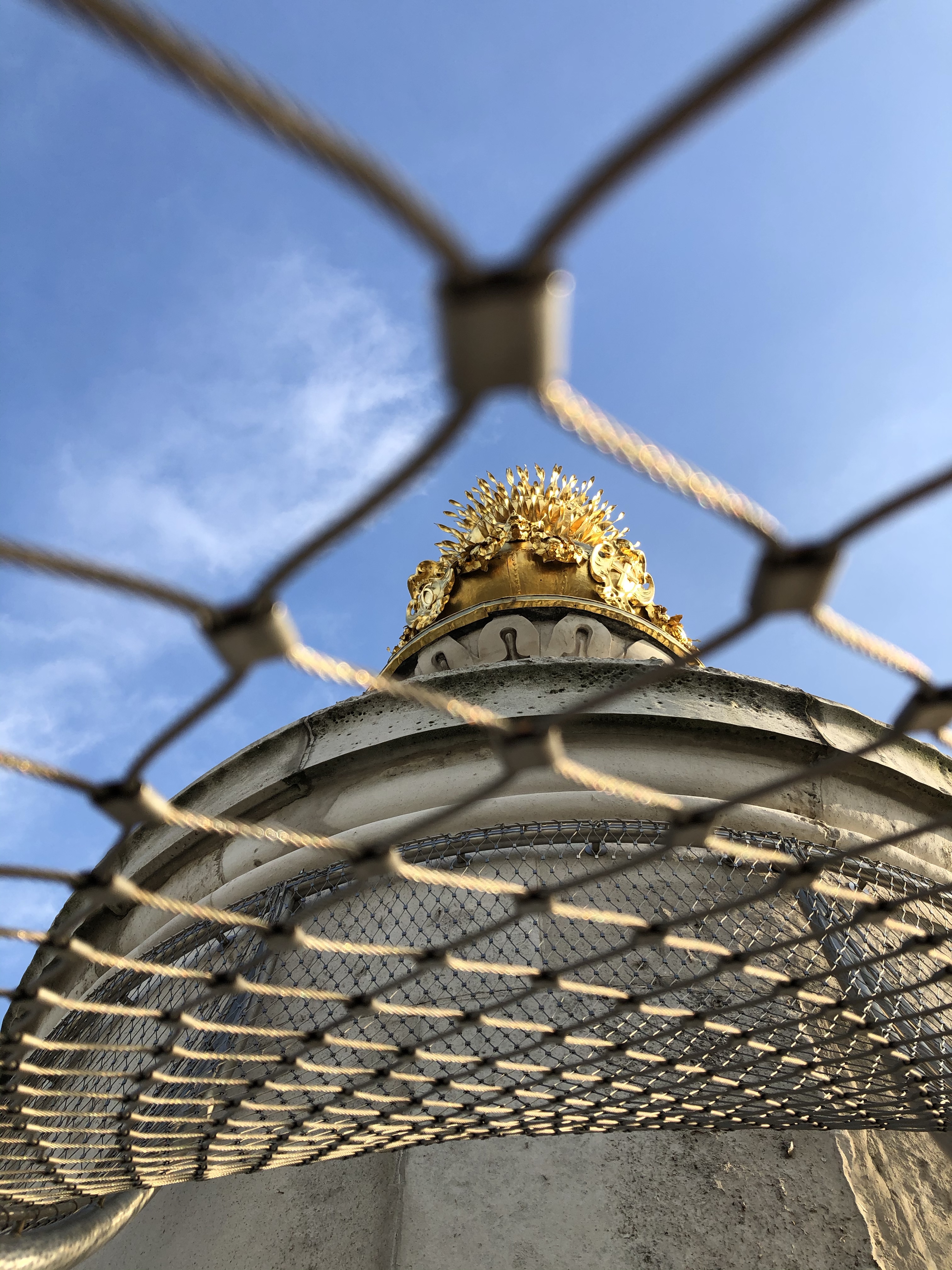
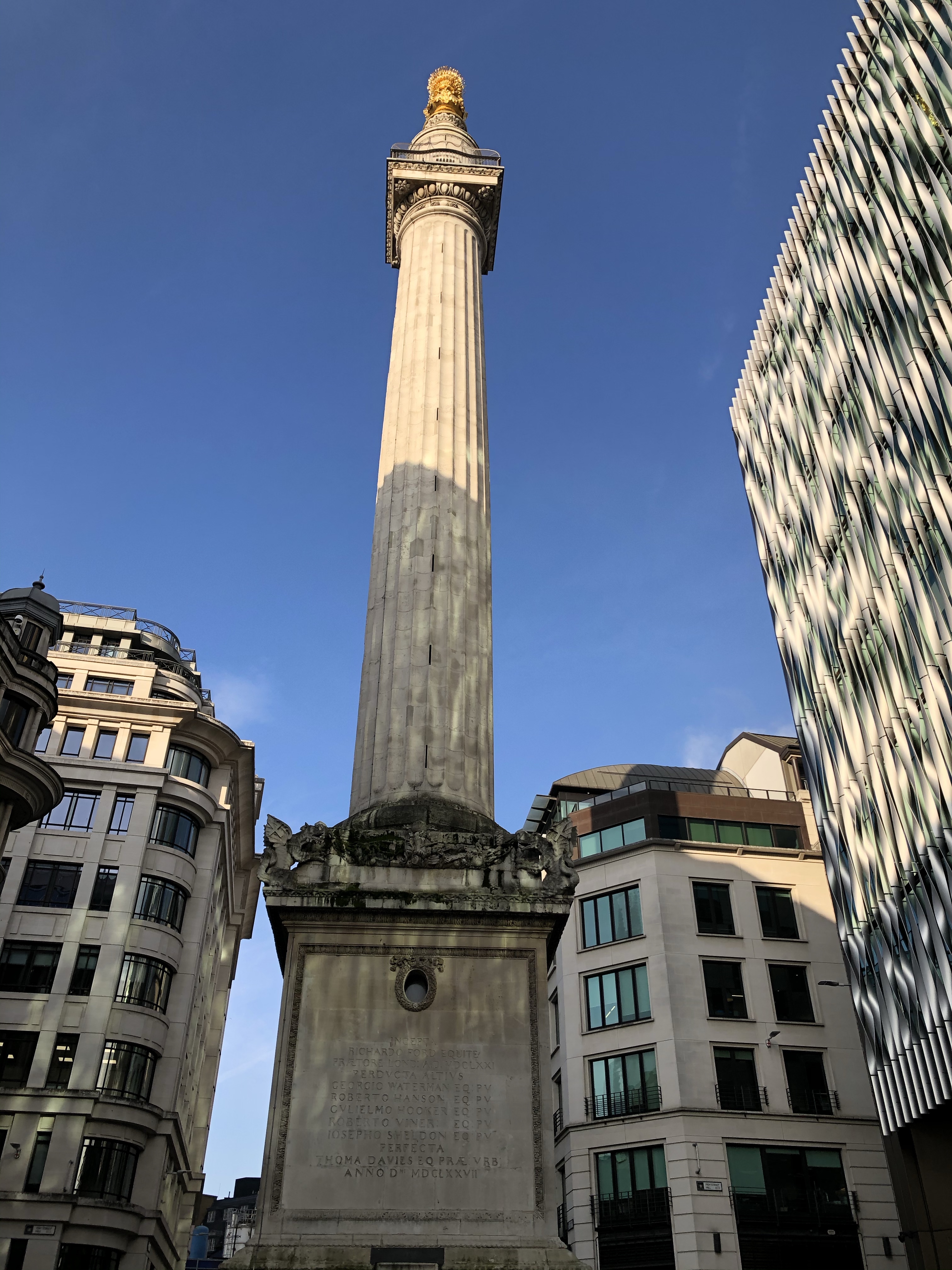
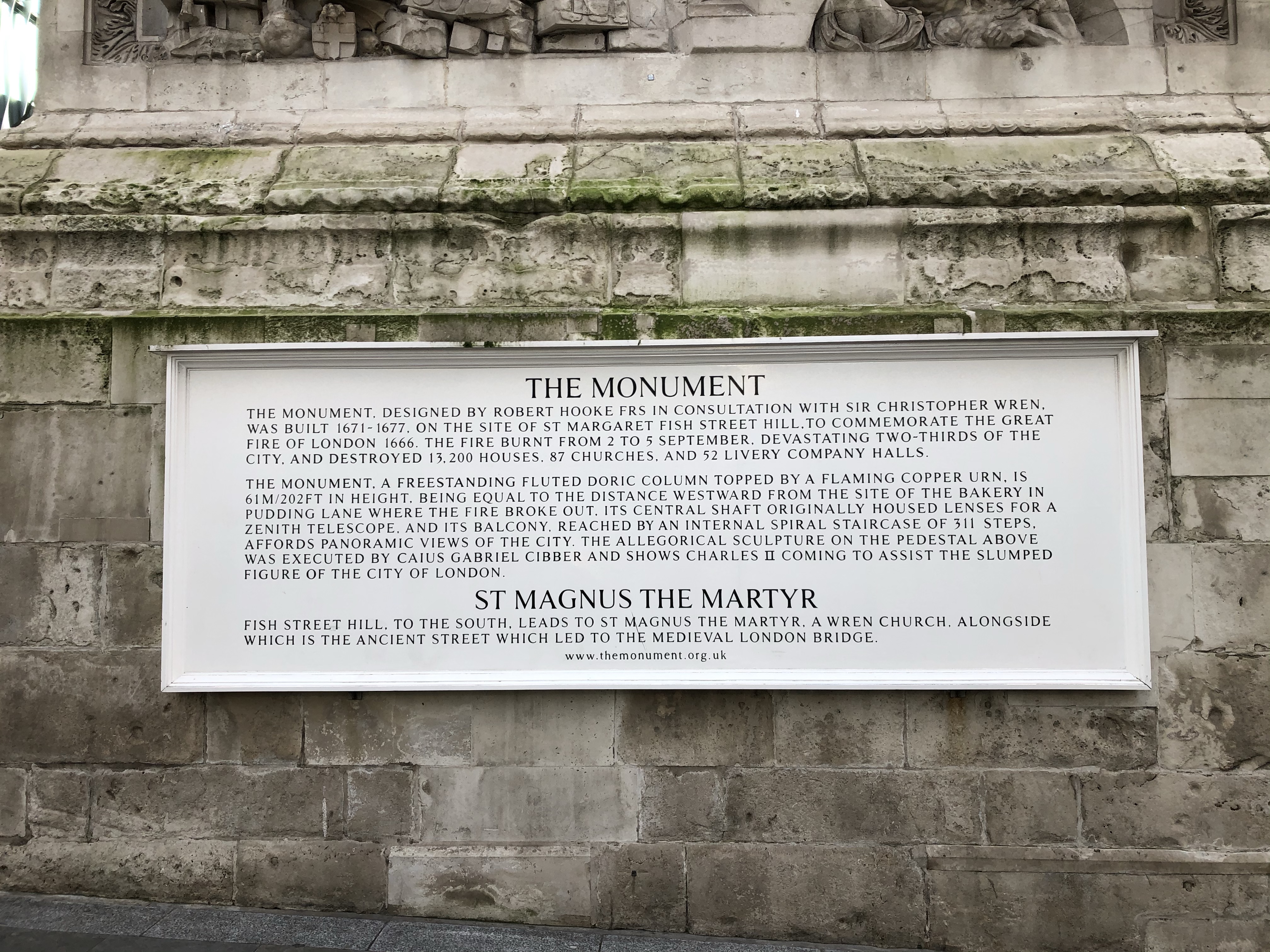
    The Great Fire destroyed over 13,000 homes and 87 churches in London in 1666, leaving upwards of 130,000 people homeless.  The re-build of the city was based on the design of Robert Hooke and Sir Christopher Wren.  These two men designed a monument commemorating the Great Fire, which was built of Portland Stone in the shape of a doric column with a spiral staircase inside running to an observation deck on top, and crowned with a gilded urn of fire.  I climbed up the 311 first thing in the morning on one of my last days in London, appreciating the stunning views of the city from up there.  The spiral staircase is easy to navigate, but you’ll feel it as you climb up.  I managed to get to the top without taking a break, but my heart rate was elevated when I finally reached the viewing platform.

    Perhaps the most impressive thing about The Monument is that it was completed in 1677, a century before America declared independence from Great Britain.  Think about the generations of people who have made the climb up those same stairs!  If you take a low number, maybe ten per day, multiplied by the number of days The Monument has been open for the public, you arrive at 1.2 million people who have made the climb to the top.  More realistic is a number topping 3-5 million.  All climbing a staircase ’round and ’round to the top; an adventure shared across generations.  Imagine the stories in that collection of people.  And now my daughter and I are on that list, with our own stories.

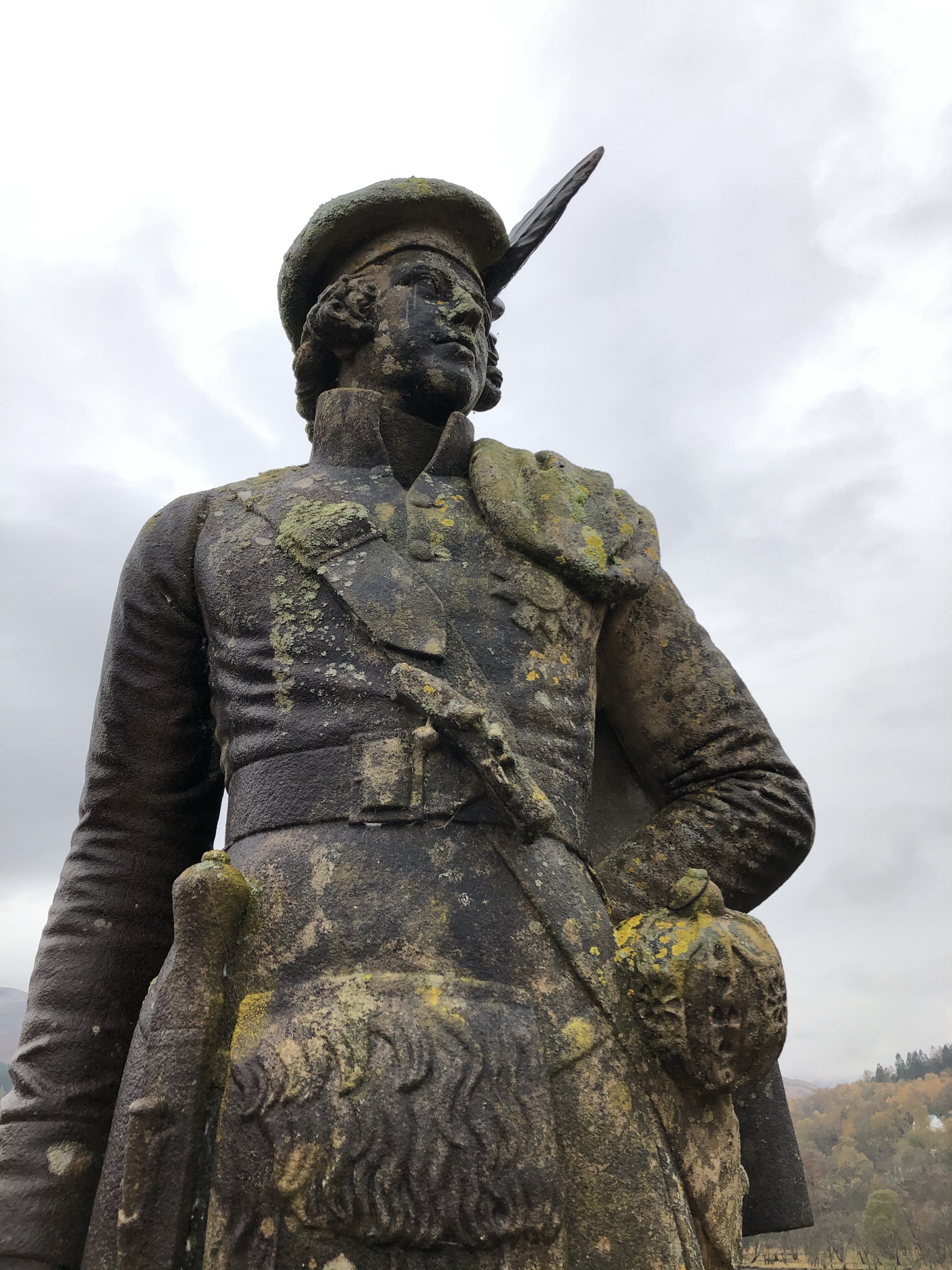
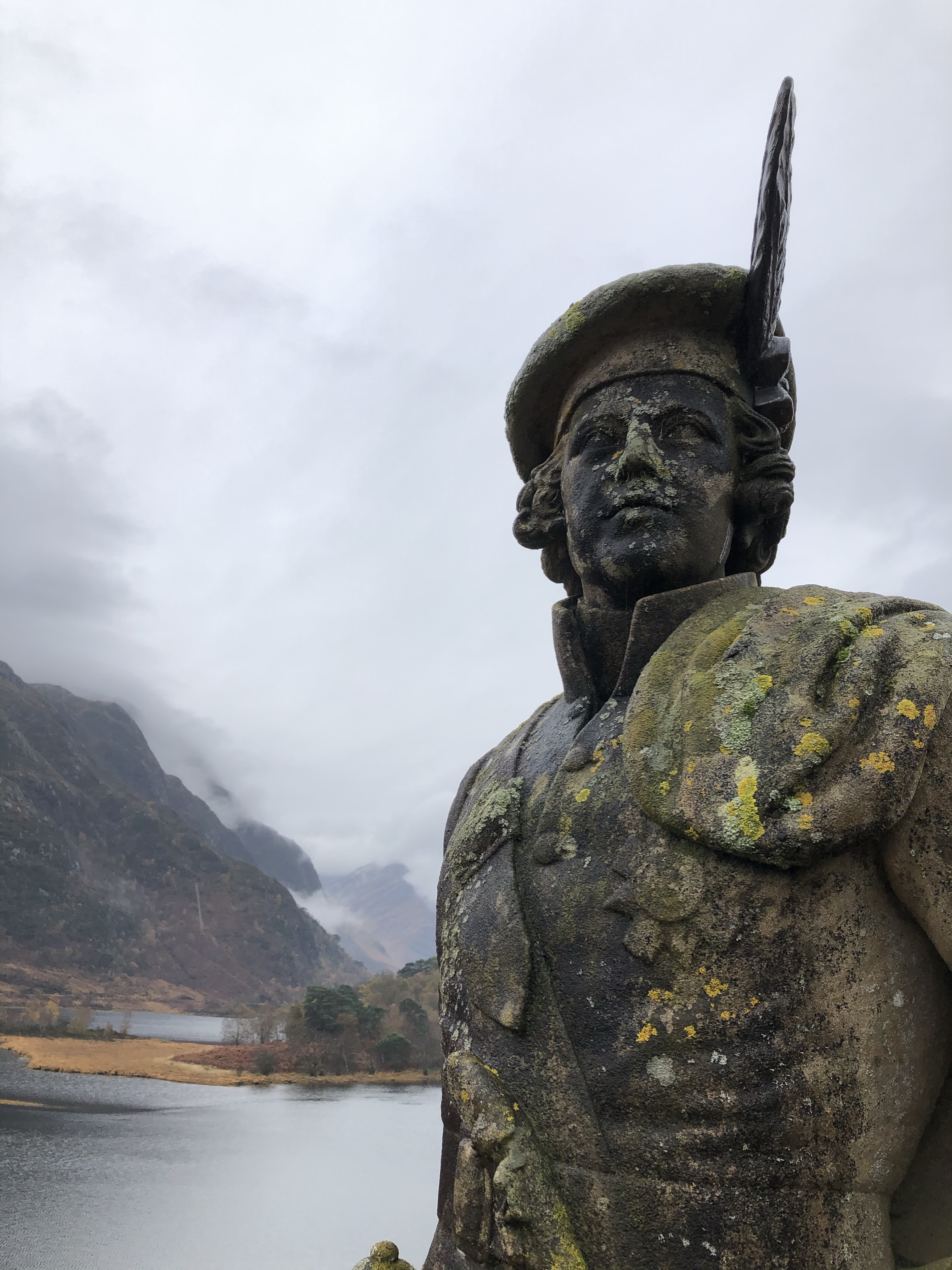
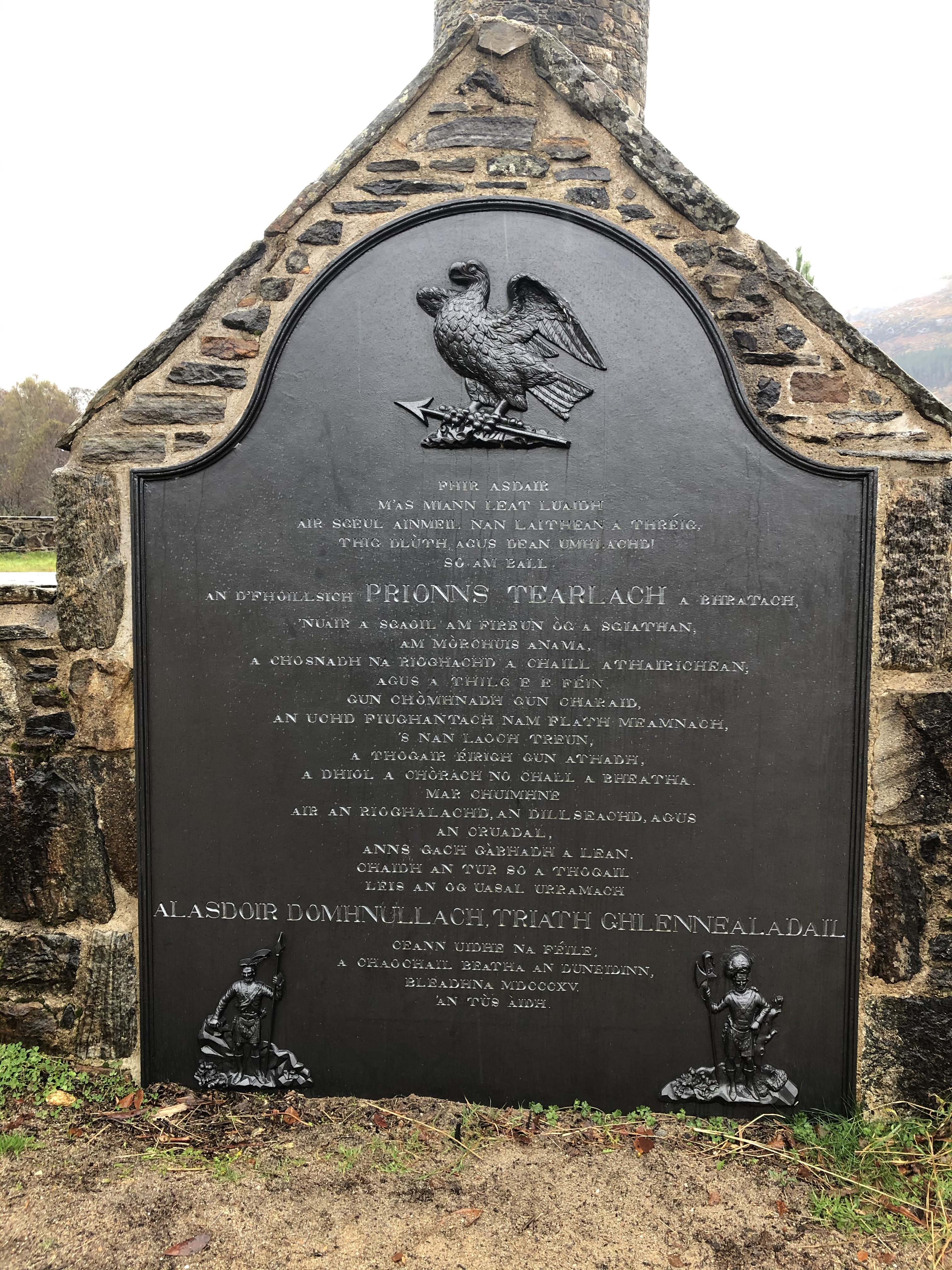
    Meanwhile, in Scotland at the head of Loch Shiel, there’s another monument that’s been standing stoically for generations.  The Glenfinnan Monument, built in 1815, commemorates the 1745 Jacobite Rising.  It’s topped with a statue of a lone Jacobite soldier looking north towards the Highlands.  This climb wasn’t as high as The Monument – it’s 18 meters, or about 60 feet tall, but it has it’s own challenges.  The spiral staircase is more like a tight and twisting ladder spinning you to the top step-by-step.  I’m 6′-4″ tall and felt like I was in a gun barrel spinning about to the top, where I emerged to see this moss and lichen covered Jacobite ignoring me as he’s ignored countless climbers before me.

    Where London has grown up above The Monument, squeezing it on all sides and shrinking the panoramic view, the Glenfinnan Monument offers the same view today as it did in 1815.  Stunning views of Loch Shiel, Sgùrr Ghiubhsachain and other surrounding mountains.  Turning your gaze towards where our friend the Jacobite is focused on, you see the Glenfinnan Viaduct, made famous by the Harry Potter movies, making its elegant sweeping curve.  This was a lovely view indeed, even with a bit of rain and fog playing games.  Aside from the paved road, the Glenfinnan Visitor Center, a few new buildings scattered about and the Viaduct, this view hasn’t changed since this monument was erected.  It offers its own whispers to the past, and was worth the climb.

  • Better For Having Done So

    2019 was a year of change for all of us, as every year is, but it felt more profound this year. That has everything to do with writing about it. I know people who made changes on a massive scale, and others minor, but change happens whether we choose it or not. In the spirit of self-improvement as we enter the New Year, here are some small changes in routine that offered a profound return on time invested:

    Coffee consumption doesn’t seem like a big thing, but ever since I switched to the AeroPress I’ve reduced my daily coffee consumption, favoring one or two amazing cups to savor over multiple cups of average coffee from a Kurig or drip coffee maker.  I’ve reduced my personal plastic waste significantly as well.  I’d estimate that I’ve subtracted about 500 used K-cups from the landfill just making the switch.  I wish I’d done this years before, both for the reduction in waste and for the exceptional coffee the AeroPress makes.  On a side note, since the London and Scotland trip I’ve increased my tea consumption, switching coffee about half the time for tea, and find it a nice enhancement for my daily steaming hot beverage.

    Reading every morning, beginning with a quick read of The Daily Stoic for a jump start and moving to whatever book I was chewing on at the time, has built a routine and habit streak that has greatly enhanced my personal philosophy, helped me to know more about the history of the place I live and places I traveled to, opened my mind to spirituality and changed my perspective on a few things. I’ve read more and better books in 2019 and chewed through a few brilliant books that mocked me for years sitting on my bookshelf.  Nothing improves the mind like active participation in The Great Conversation.

    Educated travel in 2019 was enhanced by the reading, as you might imagine, but became a mission in itself.  Major trips to London, Scotland and Chicago were enhanced with educating myself about the places I was going, adding things I would have missed and subtracting things that may have been good but replaced with things that were amazing.  But this really became powerful for me in local travel.  Local travel took on new meaning for me with quick side trips to see the Saratoga Battlefield while I was in the Capital Region in New York and Fort Niagara in Buffalo, New York and Fort Western in Augusta, Maine.  I’ve hiked the trails in Ithaca, New York to see the stunning waterfalls in winter and spring, stopped at lonely graveyards to see the tombstone of Revolutionary War heroes and walked in dress shoes on soggy battleground sites deep in the off-season.  Educated travel offers a greater sense of place, and I’m better for having made the time to learn about and then visit these places.

    Writing every day has changed me completely.  The daily cadence, the skills acquired, and the deliberate action in the previous two habits to enhance the daily writing offered far more to me than any other daily routine.  We’ll see where it takes me in 2020, but wherever it goes, you’ll read about it on this blog.

    Walking has always been a part of my life.  I used to walk home from school four miles instead of taking the bus just to get away from the noise and secondhand smoke that was a part of bussing teenagers home back in those days.  When my dog Bodhi got older and passed away in 2019 the walks had decreased in length, and I found myself missing the nightly routine of walking for an hour with him looking at stars.  So I started walking again to get that minimum 10,000 steps, but also to come alive again.  Doing those steps on the beach or the rail trail or walking around the block at a random hotel somewhere became a mission.  I’m currently on a 19 day streak of 10,000 steps per day, managing to get my steps in through the holidays and hopefully for a long time to come.  I know I won’t always have the time to do it with work, but then again, what’s more important than maintaining a base level of fitness?  Walking is easy, and hasn’t caused nagging injuries like the burpees did for me.  When I can’t walk outside I’ll read on the treadmill, magnifying the font to crazy sizes so I maintain good posture.  But I double down on two habits and feel better for having done so.  So I’ll keep moving, and add other activity to enhance my fitness whenever possible.

    Looking at 2020, I’m not looking at resolutions as much as what can I add to my daily routine that will pay off over time?  And the answer for me is language acquisition.  Being bilingual or multilingual is nothing unusual in the rest of the world, but in American we tend to stick with English.  I think I’ve got my head wrapped around that one already.  Nothing improves travel like knowing the local language, and nothing challenges the brain like learning to speak it, so it’s time to get back on track.  I’ve dabbled in French, Spanish and Portuguese over the years, and it’s time to double down on learning two of them.  French and Spanish are the leading candidates, but I have a soft spot in my heart for Portuguese and may explore the language a bit as well.  Let’s see where this takes me.

  • Friday the 13th and Ghost Stories

    Here we are again, at a point where the days and numbers on the calendar align and give us another Friday the 13th.  In general good things have come my way on a day many people associate with bad luck.  My son was born on a Friday the 13th, making it a very lucky day indeed.  More often than not you get what you expect in life, and if you’re primed to look for the negative it’ll find you.  I’ll stick with the opposite point of view, thank you.  Optimism with a healthy dose of stoicism seems to work for me.

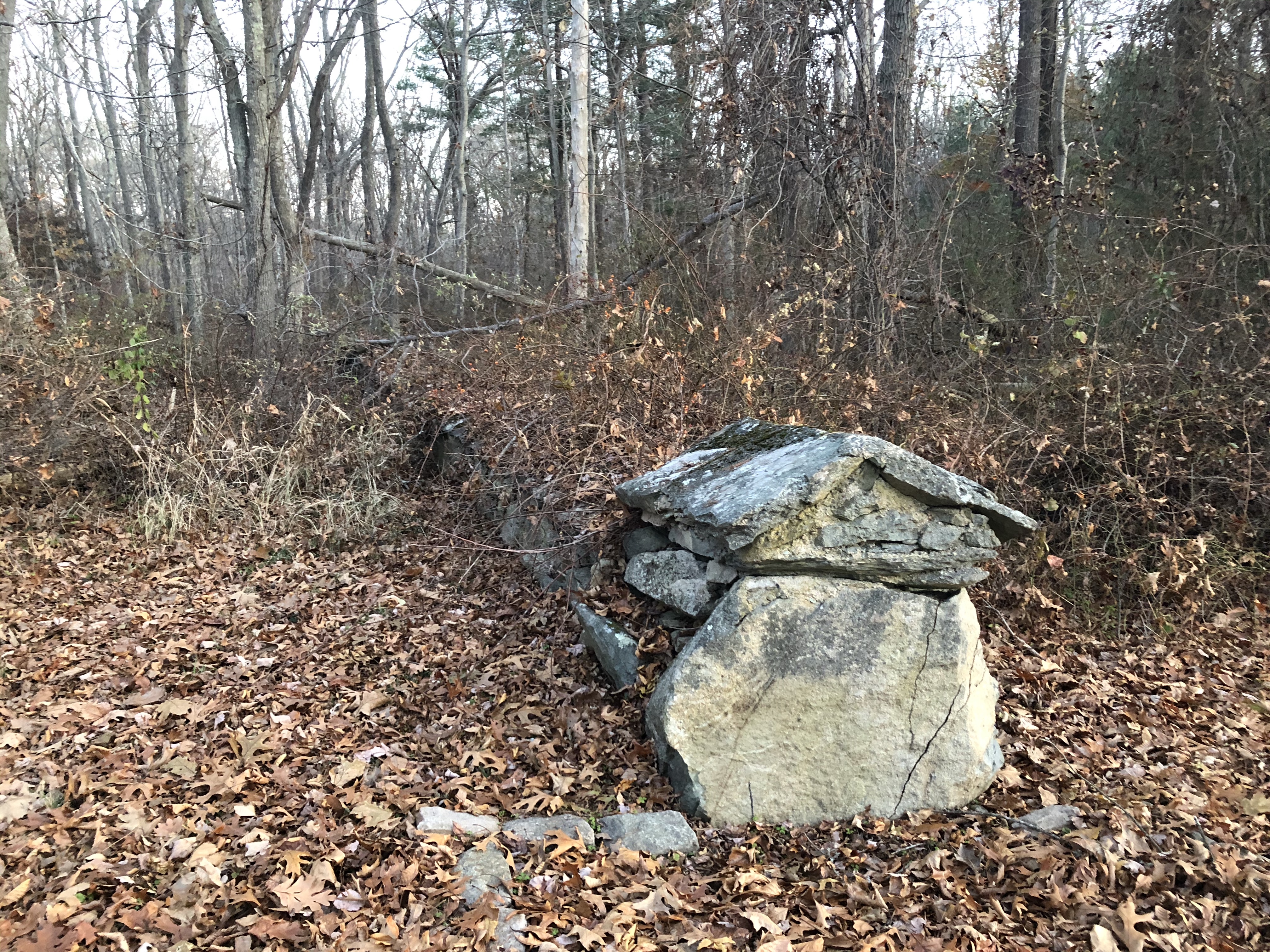
    I’ve written before about dancing with ghosts.  For me ghosts aren’t the creepy spirits that get annoyed that you’re in their space, they’re the people who lived in the past who’s story is all around us.  Historical figures and anonymous lives alike, all lived before we were here.  The stone wall standing alone in the woods, the old foundation on Isle of Skye left from the Clearances, the soot on the ceiling of a cave from fires long ago, and the groove worn into a stair tread; These are my ghosts. I love uncovering the stories of some person from centuries ago and visiting the place they did something memorable, and maybe their grave to remind them they aren’t forgotten.  We all want to be remembered, don’t we?  At least for a few generations.  Make the ripple last as long as possible, hopefully in a positive way.

    I’ve been bumping into the other kind of ghost stories lately.  People who encounter poltergeists.  A poltergeist wants attention, making its presence known by messing with things in “our” world, crossing some border between death and life.  Frankly I never think about the poltergeist kind of ghost.  Maybe I’m closed-minded about it, or maybe they see me dancing with other ghosts and leave me alone.  But I’ve got this stack of stories people tell me about poltergeists they’ve encountered, and after a while you have to wonder what’s real and what’s imagined.  I see good things on Friday the 13th, others see bad things; who’s right?

    Yesterday I was speaking with a Town Clerk in Connecticut.  I’d stopped to pick up a death certificate for an ancestor as a favor for my mother.  We noticed on the death certificate that this relative had died from a fall down the stairs, breaking his neck.  I joked about that house being haunted and the clerk, not missing a beat, told me about Antonio, pointing to the vault and saying he died right in there and still haunts the place. I looked in the vault and asked if he preferred Antonio or Tony.  We finished our transaction and I was on my way, with one more ghost story added to the list. I don’t know if Antonio is a poltergeist haunting the vault at Town Hall, but I do know that he tragically died in the vault at some point in history.  And people are still talking about him to this day.

    I’ve heard similar stories from separate friends about encounters at hotels in Boston and Nashville, and some good friends that insist there’s a ghost in a family home on Cape Cod.  What do I know?  I’m not in the poltergeist business.  I have no desire to stay in Lizzy Borden’s house for a night trying to bait unseen ghosts to come out and play.  No, I’m trying to bring their stories alive without all the mischief.  But now and then I do hear a whisper in the wind, feel a spirit in the air, and I give a nod to acknowledge.  Walking alone in the woods at Holy Hill in Harvard, Massachusetts in Autumn once had me thinking of Shaker ghosts.  Visiting King Philip’s Seat in Bristol, Rhode Island and spooking a hawk into flight had me hearing whispers of Metacom and the lost Pokanoket tribe as I explored the woods.  And visiting the Winter Street graveyard in Exeter, New Hampshire looking for the grave of Major General Nathaniel Folsom felt like I was being directed around to look at every other Revolutionary War hero’s grave before finding his.  I felt it that day too.

    So here we are on another Friday the 13th.  We generally get what we look for in life, and I hope today brings you good fortune.  If you happen to run into any ghosts, I hope they aren’t poltergeists – those buggers are nothing but mischief.

  • A Walk With Ghosts: King Philip’s Seat

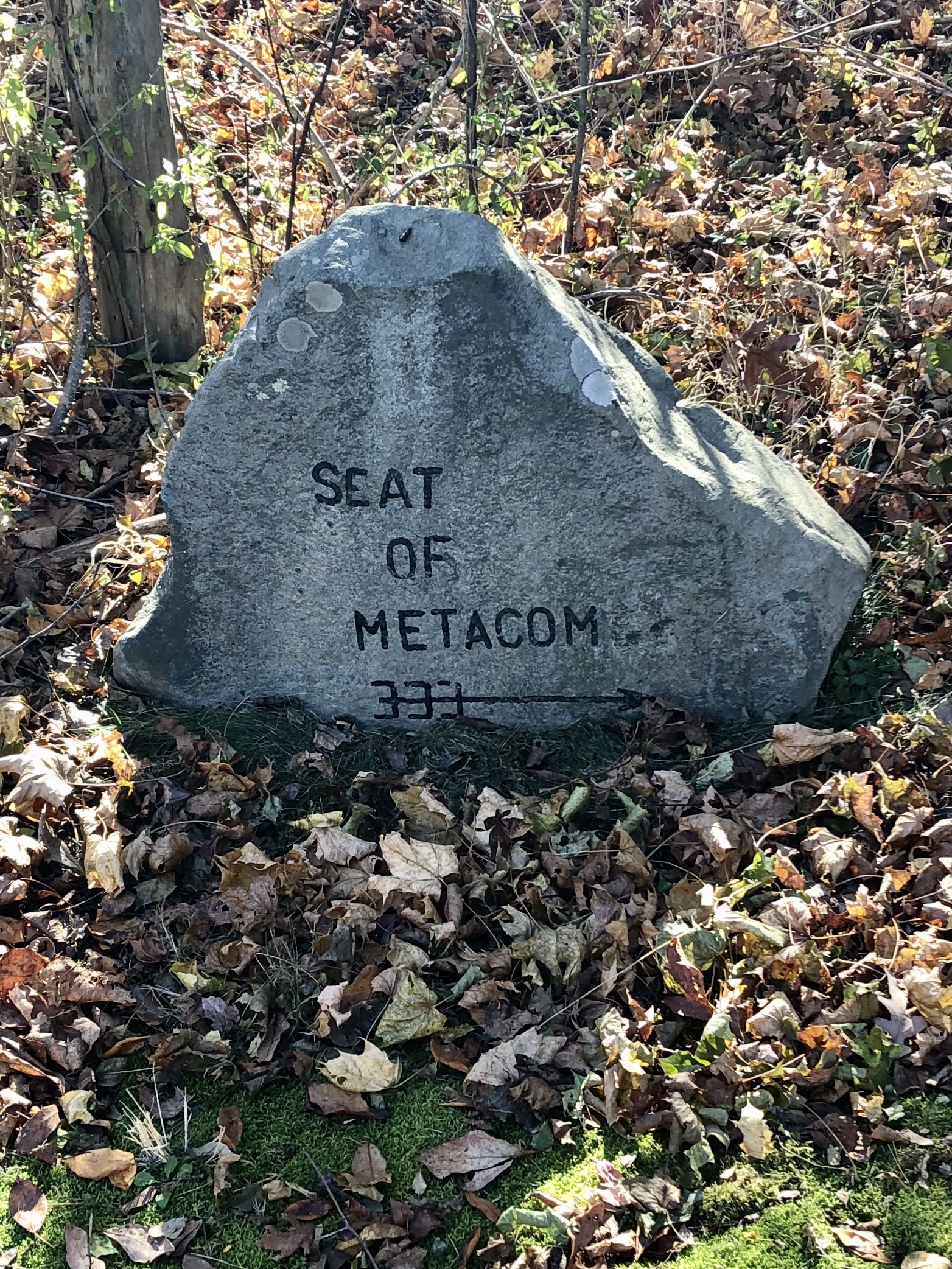
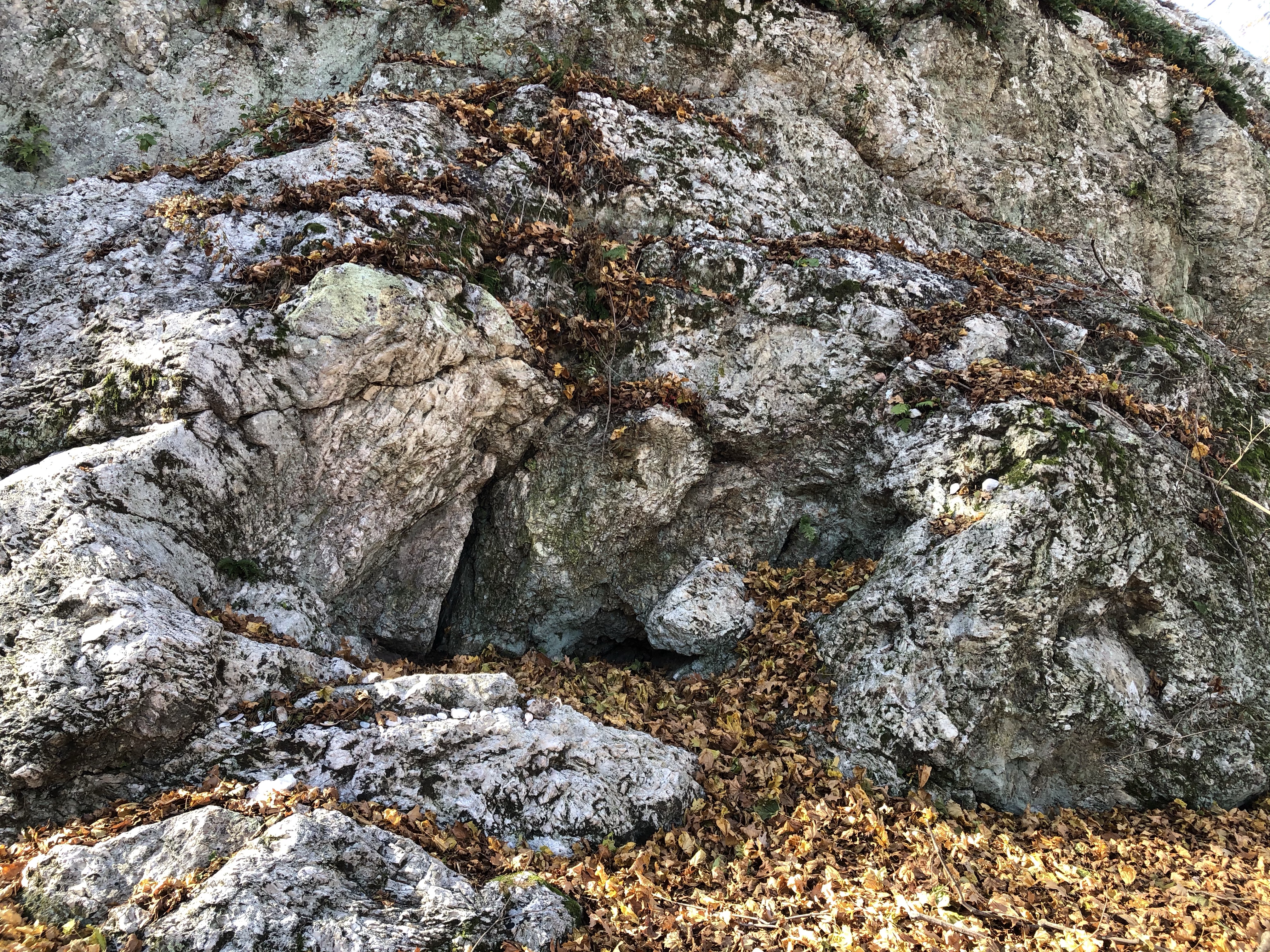
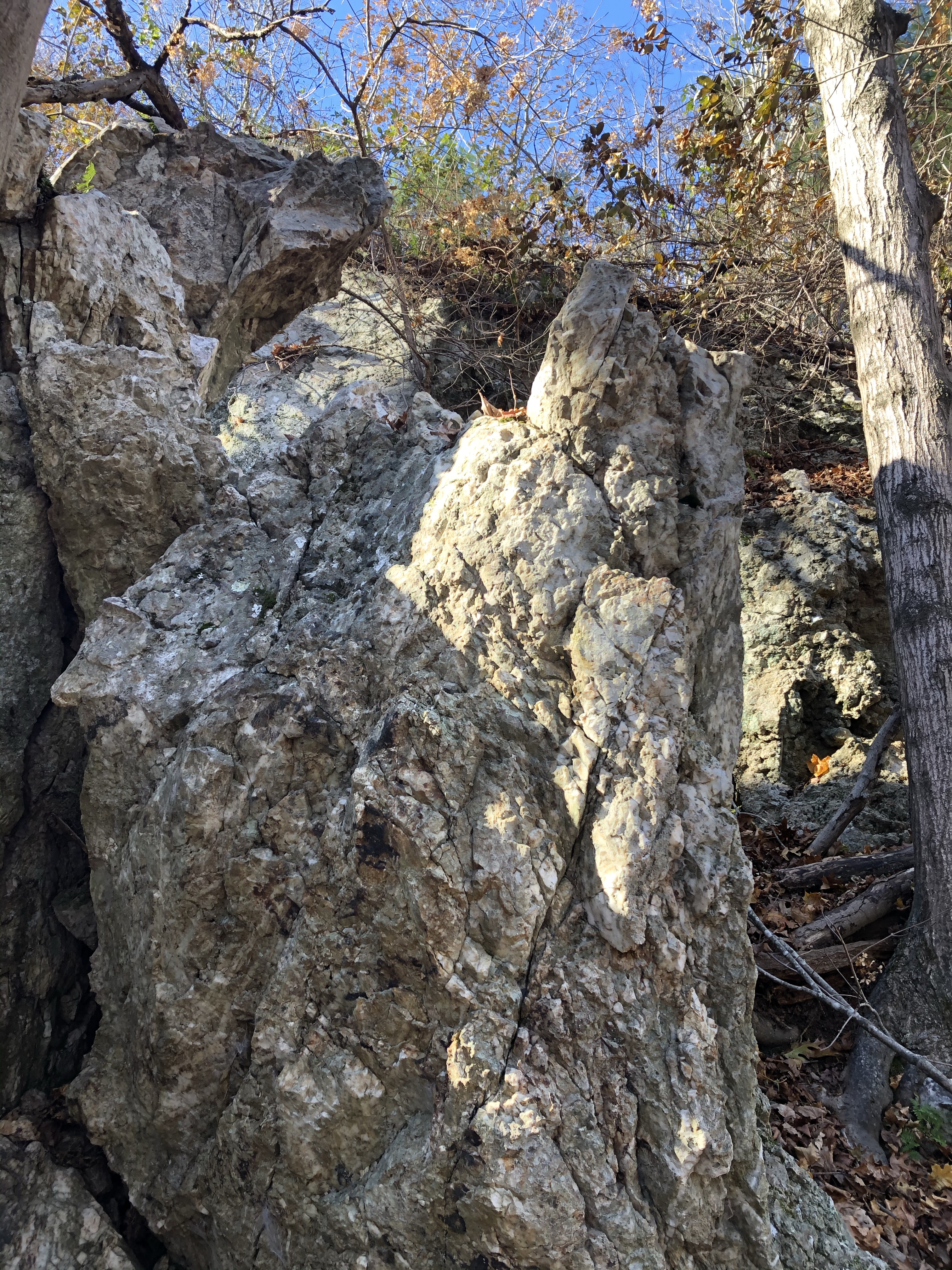
    If you want to walk amongst ghosts of the past, the walk from Brown University’s Haffenreffer Museum to the rocky outcropping forever known as King Philip’s Seat offers ample opportunity to feel you are. This is where the sachem Metacom (aka Metacomet), who had once taken the English name Philip as a gesture of goodwill, waged war on the English settlers in King Philip’s War from 1675 to 1678, when Metacom was killed. Metacom was the second son of Massasoit, who was born near this spot too, as countless generations of Pokanoket were. If Massasoit is remembered for trying to manage a peaceful coexistence with the English settlers, Metacom is remembered as the first to rise up against the relentless encroachment on their lands.

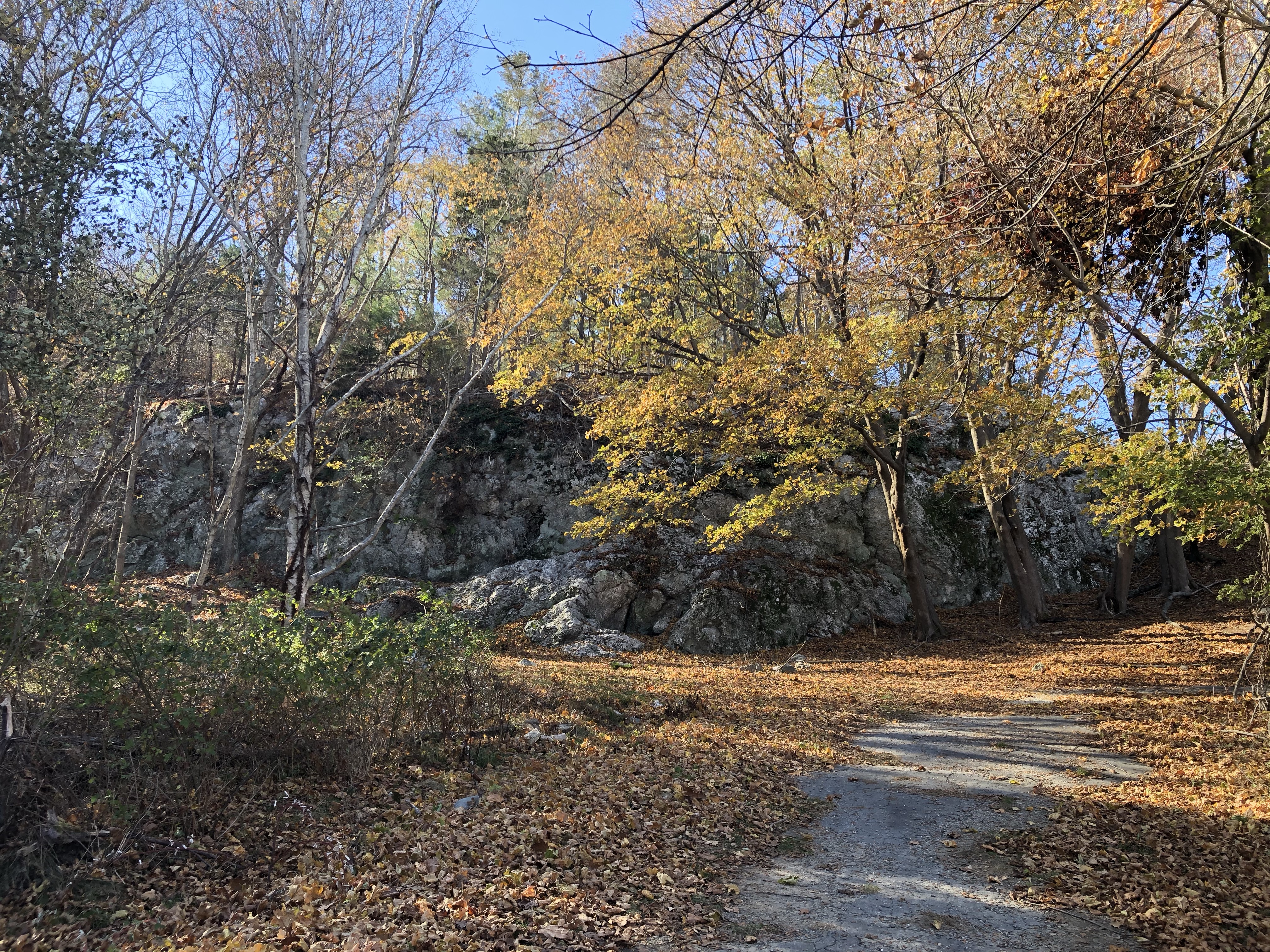
    Walking through the woods on an old paved road slowly being consumed by the forest, I spooked a hawk from the ground and watched it leap to the sky and arc above me, white feathers on blue sky. A sign? A welcome from Metacom or another ghost from the Pokanoket? I keep moving and soon after I saw the rock outcropping that was Metacom’s seat. And it just looked like a seat of power, silently commanding the forest and looking out to the bay, just like its sachems did before they passed, and the land passed to the settlers. Pokanoket survivors were sold into slavery in the West Indies, a final, brutal indignity.

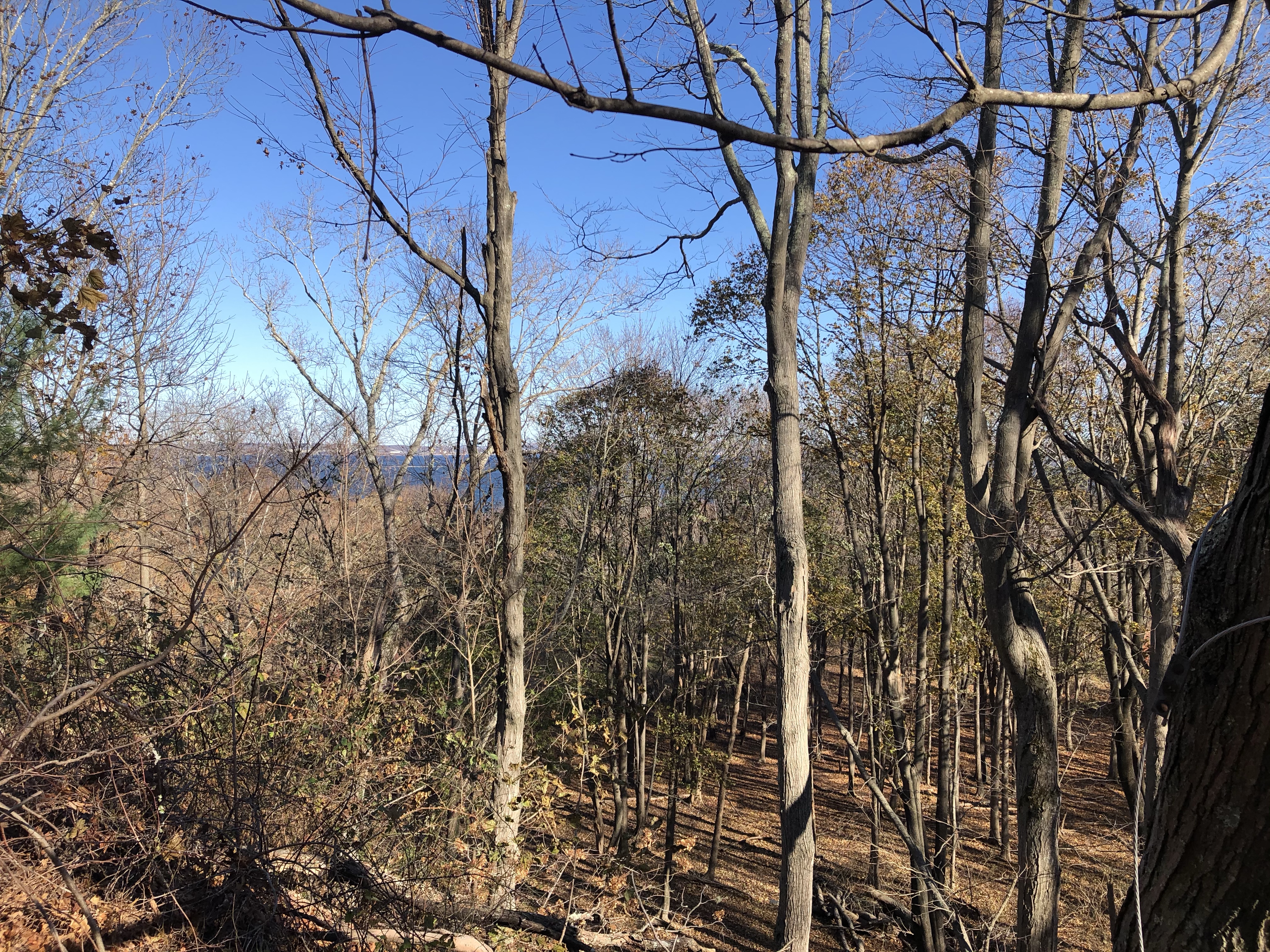
    I’m told that the Pokanoket recently attempted a takeover attempt to win back the land from Brown University. 341 years after Metacom’s death this place still evokes passion. This is one reason I had to get a permit to enter private property, and I was only given an hour to walk around. It was enough time this time, though I’d like to go back again knowing I missed more than I saw. I was alone as I walked and relied on written directions and one sign on the property to inform me where I should go. Instinctively I climbed the outcropping to see what Metacom saw: blue water above the dancing treetops. But I relied on a feeling about the place not signage. It seems they’ve made it challenging enough to visit that most people don’t. But I never really felt alone. That hawk, and many more spirits in the wind, were with me the whole time.

  • Whispers of Montaup: Mount Hope Farm

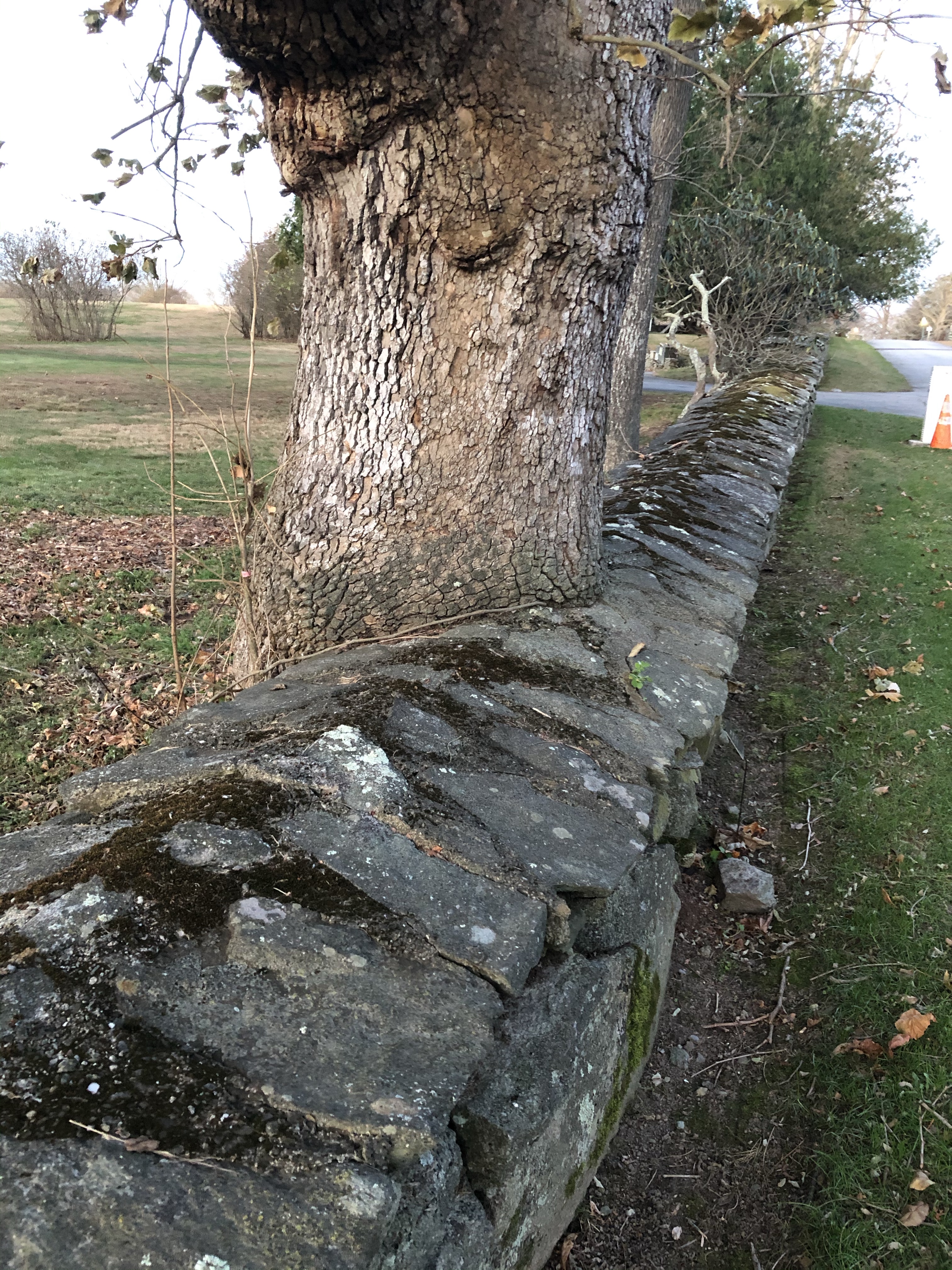
    Undiscovered places offer a bit of wonder, and I had that in spades on an early morning walk at Mount Hope Farm in Bristol, Rhode Island. Mount Hope Farm is a non-profit, running a bed and breakfast, educational programs and a camp. Walking the grounds is a time warp, with mossy old stone walls lining the road and running perpendicular off into the woods. They say this land has been farmed since the 1680’s, and there are places on this walk that feel like you could be stepping into that time. This land was once called Pokanoket, where the Wampanoag lived for untold centuries. It’s said that the first Thanksgiving actually happened here in 1621, when Pilgrims were welcomed by Massasoit. Walking the land, it whispers convincingly of those early days.

    When Massasoit died, his sons had a very different experience with the English settlers. The oldest, Wamsutta, took the name Alexander and his younger brother Metacom took the name Philip, which would become more famous. Alexander would die after getting roughed up by the English during an interrogation. Philip would unite tribes and wage war against the English in King Philips War. The land around Mount Hope was the heart of operations for Philip, and it’s where he would ultimately be killed in 1676. His wife would be sold into slavery in the West Indies. Not all whispers are pleasant.

    This land was eventually the property of the Royall family, which made their fortune from the slave trade. For all the beauty here now, there’s a healthy dose of human tragedy whispering through the grounds. Eventually the land was sold to a loyalist who fled during the Revolutionary War, and old New Hampshire friend General John Stark and General Sullivan would use the land as an encampment for the 2nd Rhode Island Regiment during the Battle of Rhode Island.

    Walking the farm, I’m thrilled to see the land preserved, but also used as a functioning farm. And for all the whispers, this farm has a strong foothold in the present. The Mount Hope Bridge is omnipresent, rising solemnly over Narragansett Bay, spanning the gap between Portsmouth and Bristol. The bed & breakfast, run out of the Governor Bradford House, is a wonderful place to stay and immerse yourself in history. The barn hosts weddings and a great farmers market every Saturday morning. The Mount Hope Farm – Montaup – is very much alive and well.

  • Poppies… In Flanders Fields

    Poppies are everywhere in London in the weeks leading up to Remembrance Day.  In Canada too, poppies are seemingly everywhere.  In the United States, where we call it Veterans Day, you don’t see many poppies nowadays.  And that’s a shame, because poppies are not just a symbol of support for our veterans and a gesture of remembrance for those who sacrificed for us in World War One and subsequent wars, those poppies raise millions for charity.  When I go to Canada, I make a point of purchasing a poppy for my jacket.  And I did the same when I went to London the last week of October and the first week of November.

    And how did poppies come to symbolize Remembrance Day?  From this poem:

    “In Flanders fields the poppies blow
    Between the crosses, row on row,
    That mark our place; and in the sky
    The larks, still bravely singing, fly
    Scarce heard amid the guns below.

    We are the Dead. Short days ago
    We lived, felt dawn, saw sunset glow,
    Loved and were loved, and now we lie,
    In Flanders fields.

    Take up our quarrel with the foe:
    To you from failing hands we throw
    The torch; be yours to hold it high.
    If ye break faith with us who die
    We shall not sleep, though poppies grow
    In Flanders fields.”

    – John McCrae, In Flanders Fields

    So do take a moment to remember those who sacrificed so much a century ago, and those who have served since then.  May we never break faith and have their sacrifice forgotten.  And may we never have another war where such sacrifices are needed.

  • A Castle, Reborn

    Scottish castles had a tendency of being blown up. If my time in Edinburgh, Stirling, Doune, Interlochy, Eilean Donan and Urquhart Castles has done anything, its reinforced this point. Some remain ruins to this day, others were rebuilt to support next generation clan objectives. All are tourist attractions today, but the day they were destroyed marked a world that was forever changed for the previous inhabitants.

    Castles were symbols of the power and influence of the clan that lived there. Stick a castle on a chunk of lava rock and you can hold out against a siege for a long time. At least as long as you have water, food, ammunition and the will to ride it out. Stirling Castle could have held out indefinitely had their water supply not been compromised.

    If a clan is only as safe as the strength of the castle they reside in, the opposite may be more true. Castles only survive history when there’s no reason to attack it. Diplomacy, political connection (being on the “right” side) and tactical value all play a role in a castle surviving.

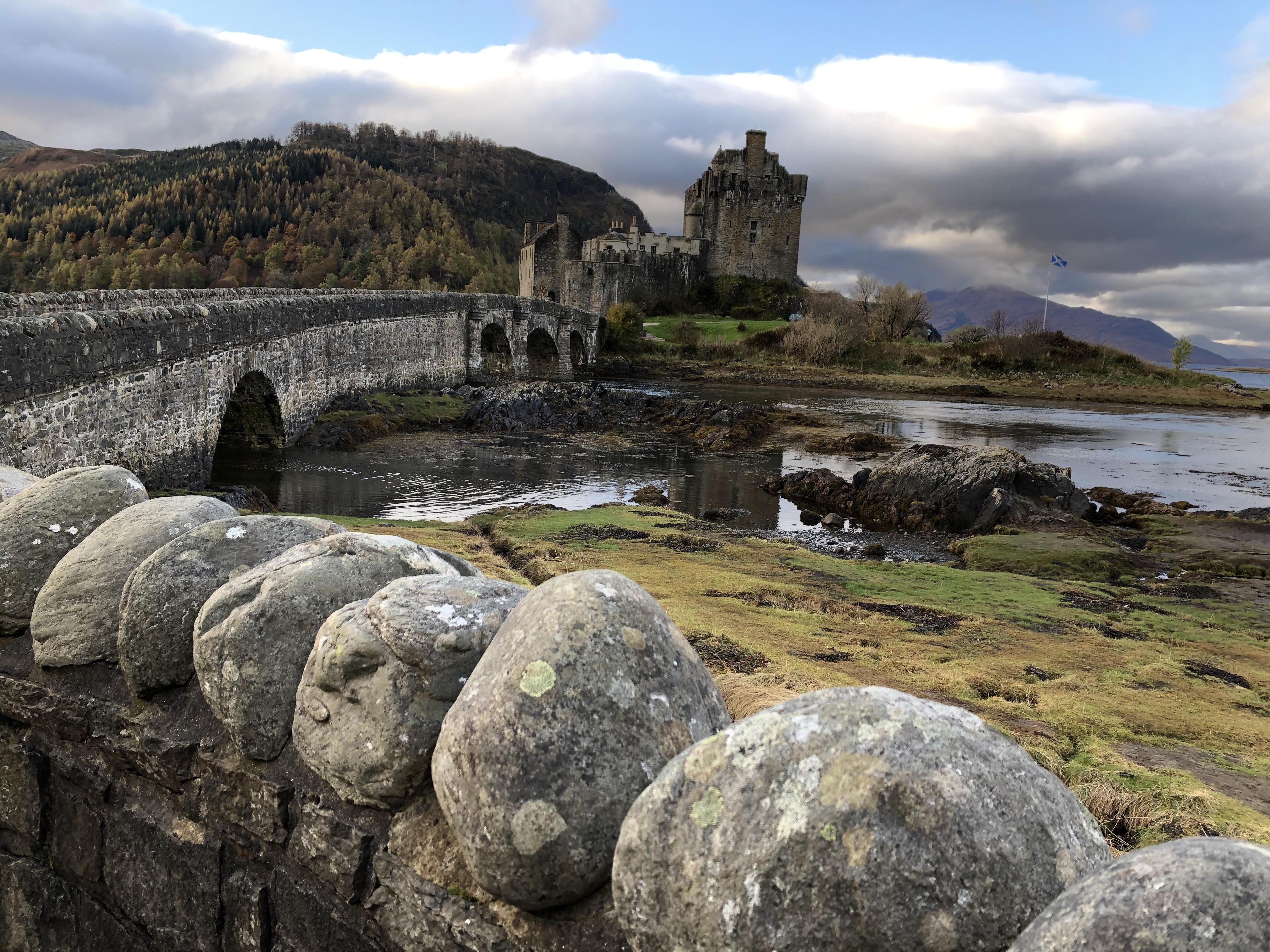
    The defeat of the Jacobites gave plenty of reason for the English and a united Scotland to persecute the clans that sided with Bonny Prince Charlie. The horrifying results to the clans on the losing side are well documented. The castles offer visual verification. Looking at Eilean Donan Castle now, it’s hard to imagine it being a pile of rubble like Inverlochy is, but it too was blown up to punish the Mackenzie Clan. It was eventually rebuilt by their ally the Macrae Clan and today is one of the most photographed castles in the world, playing host to hoards of tourists and many weddings. What might have been a violent end was just a dramatic pause in the life of this castle. This one is a must-see, and I’m grateful to the Macrae’s for opening it up for tours. If you go, be sure to drive up the hill on the opposite side of the road for an iconic shot of the castle.

  • The Birdman of Stirling Castle

    You see Stirling Castle long before you get to it. Perched high on a chunk of volcanic intrusive rock at the strategic point where the River Forth widens, offering the last downstream crossing between the Highlands and the Lowlands of Scotland. You couldn’t pick a more strategic spot for a castle, and the sheer cliffs made it impossible to breach from any side but the heavily-defended front. There were eight significant sieges on the castle, the last (unsuccessfully) by Bonnie Prince Charlie.

    Mary, Queen of Scots was crowned here. That’s a story many know. Lesser known but certainly noteworthy was the life of John Damian, resident alchemist for King James IV, who boldly declared that he would fly to France in a flying rig he created that looked like a chicken suit. Damian brought the court out to the Ladies Lookout, which offered one of the steepest drops. He flapped his wings, stepped off the edge and… promptly plummeted. He would have died right then had it not been for the large pile of chamber pot remnants. Instead the mound of muck cushioned his landing just enough that he got out of it with a broken leg and wounded pride. And on the bright side, a bit of immortality.

    Glancing over the wall where Damian made his flight, its hard for me to imagine him taking that leap into the abyss. But that demonstrates the power of convictions. Sometimes they work in your favor, sometimes they leave you covered in feathers and crap with everyone you know laughing at you. There’s nothing wrong with taking the leap, but maybe limit your downside first.

  • Live Awakened

    The book Awakening begins with a foreword by Francis J Stroud, relaying a story the author of the book used to tell when he was alive:

    “A man found an eagle’s egg and put it in a nest of a barnyard hen. The eaglet hatched with the brood of chicks and grew up with them. All his life the eagle did what the barnyard chicks did, thinking he was a barnyard chicken. He scratched the earth for worms and insects. He clucked and cackled. And he would thrash his wings and fly a few feet into the air. Years passed and the eagle grew very old. One day he saw a magnificent bird above him in the cloudless sky. It glided in graceful majesty among the powerful wind currents, with scarcely a beat of its strong golden wings. The old eagle looked up in awe. “Who’s that?” he asked. “That’s the eagle, the king of the birds,” said his neighbor. “He belongs to the sky. We belong to the earth—we’re chickens.” So the eagle lived and died a chicken, for that’s what he thought he was.” – Anthony De Mello

    Today I’m walking all around Edinburgh, feeling quite awake. Yesterday I came across Memento mori at Greyfriars Cemetery and smiled at the sight of this familiar reminder that life is short. Learn who you really are and live a larger life. The rest will take care of itself.