Category: History

  • Break the Chain

    “For you and your children hold a message: act so that the fruit of hatred, whose traces you have seen here, bears no new seeds, either tomorrow or forever after.” — Primo Levi

    This world offers a full sampling of good and evil. We sip from the fountain we choose to belly up to. It may be perplexing to see so many choose a path contrary to all that we believe to be true, but that doesn’t mean we should join them. We might instead offer a different path, one without hate.

    Despite it all, we each may choose what we perpetuate.

  • The Gloucester Fisherman’s Memorial

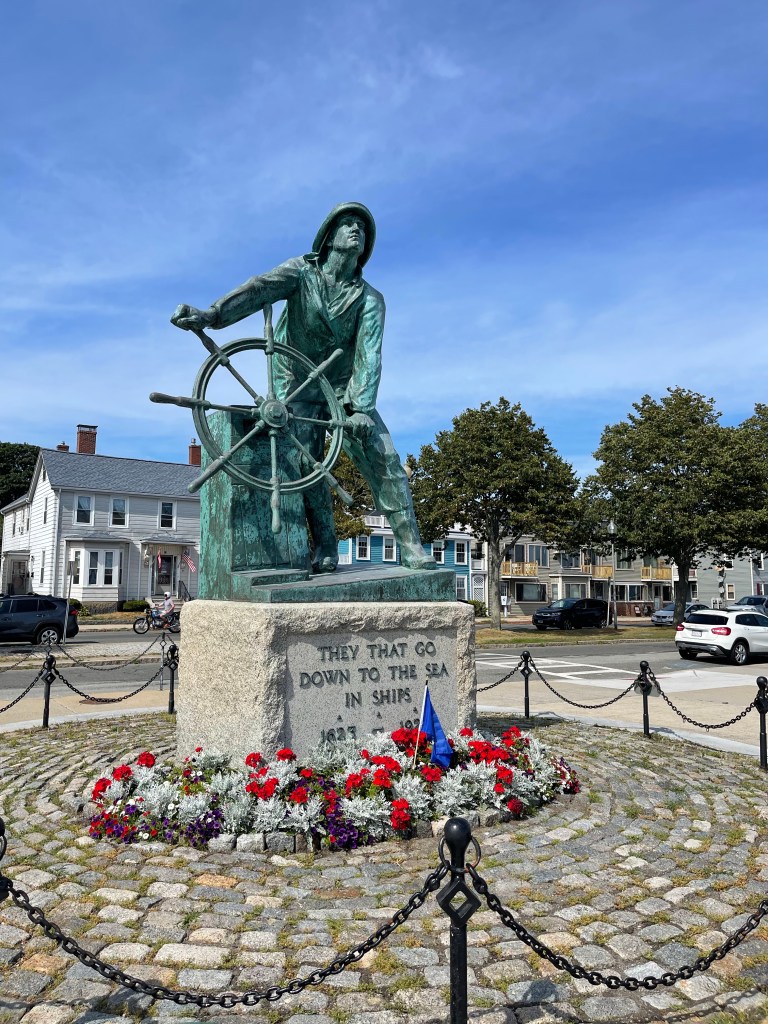
    “These courageous men have been known by names other than fishermen. They were father, husband, brother, son. They were known as the finest kind. Their lives and their loss have touched our community in profound ways. We remain strengthened by their character, inspired by their courage and proud to call them Gloucestermen.” — from the memorial plaque at the Gloucester Fisherman’s Memorial

    Gloucester is a small city that sits near the tip of Cape Ann, in Massachusetts. The city is growing increasingly gentrified, but there’s no doubt it maintains its roots in the fishing industry. And when you think of fishing, how can you not think of the Gloucester fisherman? Generations of men and recently women from the community have made their living from fishing. Many went to sea never to return. The Gloucester Fisherman’s Memorial was built in 1925 to forever memorialize them. A few years short of the 400th anniversary of the founding of Gloucester, and the 100th birthday of the memorial itself, I felt compelled to revisit.

    More than 5300 men who left Gloucester Harbor full of hope are known to have been lost at sea. Swept up in Nor’easters, collisions at sea and all sorts of tragedies, whole ships full of fishermen were lost in the unforgiving North Atlantic. Technology makes it safer to go to sea today than its ever been before, but there are still dangers lurking in the unknown. Names are still added to the memorial plaques, but instead of hundreds of names in a given year like 1879, there might be a couple. The most familiar names in recent years were those lost during the “perfect storm” of 1991.

    You don’t get into commercial fishing to be famous, you go to make a living, hoping to return to those you love when your work is done. The memorial itself is modeled after a man named Captain Clayton Morrissey, who died of an apparent heart attack while at sea, years after the memorial had been erected. There’s tragedy in this too, but doesn’t it feel appropriate, that he should pass away at sea? In a way, it makes his image on the statue ring more true.

  • Glimpsing Infinity

    “If you held a grain of sand up to the sky at arm’s length, that tiny speck is the size of Webb’s view in this image. Imagine — galaxies galore within a grain, including light from galaxies that traveled billions of years to us!” — @NASAWebb

    As the James Webb Space Telescope begins to share images from deep space, doesn’t it feel like we’re glimpsing infinity? We reach deeper into deep space than we’ve ever done, using the most advanced telescope we’ve ever sent into space, and it reveals billions of years of history (if you want to call it that), and yet indicates what we already knew—that it all keeps going further still. That glimpse of infinity reveals how immeasurably small our brief dance in the universe really is.

    So why do so many fixate on misery, pettiness and scarcity? The implications of this vastness indicate our smallness, forcing us to either recoil further back into ourselves or tell ourselves fairy tales that overinflated our place and power in the big scheme of things. Alternatively, we might simply accept and celebrate our small part in the infinite universe. I choose door number three, thank you.

    In a world with so much conflict, wouldn’t it be something if we all paused a moment and looked up at the universe. Our dance is ever so brief, and it doesn’t matter whether you lean left of center or right of it, the whole ball of wax is infinitesimal. We are indeed stardust—minute specs of life in a vast infinity. Isn’t it extraordinary to be alive to see it? To be a part of it?

  • To Rock the Boat or Stay Afloat?

    Rafted up for a fireworks show over a dark pond, I casually watched the heavily overloaded pontoon boat next to the boat I was on tilt precariously to port. Shouts erupted and intoxicated people shifted a bit too far to starboard, more shouting and finally everyone froze in a state of fragile equilibrium. The fireworks were about to happen and damnit if everyone on that boat wasn’t going to see them. We all want to be part of the story—sometimes we come dangerously close to writing a new story in the process.

    The irony of the moment wasn’t lost on me. The fireworks were in celebration of Independence Day, yet here they were so eager to be a part of the group that they nearly overwhelmed the very thing they all wanted to be a part of. A few characters jostling for better position and the danger of capsizing and thus losing everything was apparent to everyone. I don’t know if they even noticed the fireworks had started until well into the show.

    We live in a world where everyone is jostling for a seat at the table. Those who hadn’t traditionally been invited to the show naturally expect their fair share. Those who traditionally had the show to themselves resent the competition for the best seats and buy into stories about scarcity and loss of identity. And Mother Earth rocks dangerously close to capsizing while we all shout at each other.

    Happy Independence Day, America. Let’s be smart and look out for each other. For the world is watching and hoping for the best. Aren’t we too?

  • Understanding the Rhyme

    “Wer einmal sich selbst gefunden, der kann nichts auf dieser Welt mehr verlieren. Wer einmal den Menschen in sich begriffen hat, der begreift alle Menschen.” (Once you’ve found yourself, you can’t lose anything in this world. Whoever has understood the human being within himself, understands all human beings.) — Stefan Zweig

    I’d first read about Zweig years ago, for his story is compelling. A popular Austrian writer in his day, who’s popularity and influence reached across the world, he was swept up in the madness boiling over in Germany and Austria in the 1930’s and eventually fled to Brazil. It was there that he and his wife committed suicide in 1942. Just two more casualties of the Nazis. I wonder, had he only held on just a few more years, what he might have understood about humanity then? As it was, his view of the darkness in that moment was apparently too much to take.

    We work to reach our full potential in our lifetime, or we settle for whatever we grow comfortable with along the way. I suppose the question of motivation ought to be examined on this journey. For are we trying to rise above everyone else or reach our own personal peak? Doesn’t darkness lie in the relentless pursuit of the former, while hope lies in our earnest pursuit of the latter?

    I shake my head at some of the people in this world trying to grab for more and more power and influence, upsetting the apple cart and leaving scars on society that will take generations to heal. Zweig saw this in his time, seeing what was lost forever. Tragically, he didn’t hold out long enough for the best in humanity to overcome the worst. Who are we to judge him, for the darkest days eight decades ago were pretty damned dark. Looking at World War II, we like to think we could stand up to fight for decency and fairness like the greatest generation did. Well, we have our opportunity to prove that today, don’t we?

    When we rise up to meet our individual potential, we honor those who built the foundation we started from, and set a new standard for those who make the climb after us. But we can’t forget, in our pursuit of excellence, that foundations can erode quickly when undermined by waves of greed and hate. We are the cornerstones for the future, and must work to shore up the base. And if we understand anything about human nature, it’s that history rhymes.

  • Mastery is a Beacon

    “Besides, isn’t it confoundedly easy to think you’re a great man if you aren’t burdened with the slightest idea that Rembrandt, Beethoven, Dante or Napoleon ever lived?“ — Stefan Zweig, Chess Story

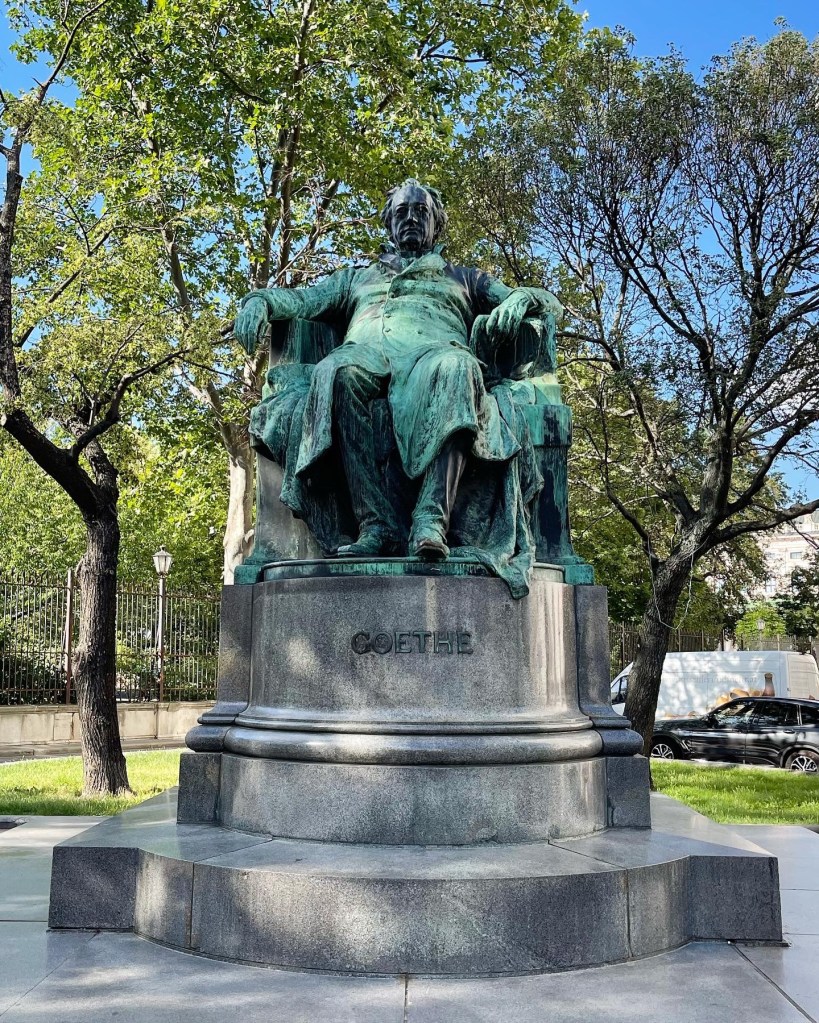
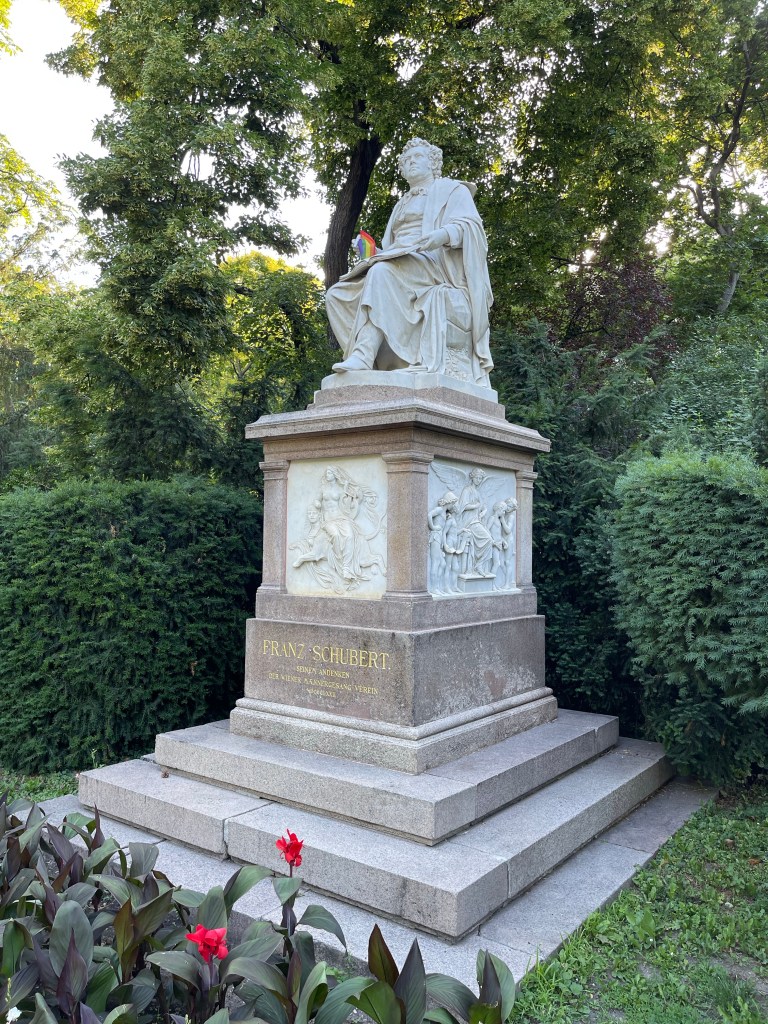
    My mind is still in Vienna as I write this—a city that’s had its fair share of high achievers walk her streets and contribute to humanity’s Great Conversation in their life’s work. Big names roamed those same streets, and you might feel a need to raise your game when you walk with that level of ghosts—I surely did. And shouldn’t we feel this compulsion to close the gap between the masters and where we currently reside?

    The world offers precious few brilliant shining stars. Most of us burn less brilliantly. And yet we burn just the same, and cast our own light on the darkness in the world. We may recognize that we aren’t quite at the level of a master in our field yet still have something to offer anyway. And knowing that there are more brilliant lights in human history, we may choose to stoke our fire—feed it with the fuel necessary to one day burn more brilliantly still.

    What provokes us towards greatness but comparison? We may never reach those levels, few do, but knowing there are heights we haven’t reached yet ought to inspire more. For mastery is a beacon.

  • Vienna, At Last

    Slow down, you crazy child
    And take the phone off the hook and disappear for awhile
    It’s all right, you can afford to lose a day or two
    When will you realize, Vienna waits for you?

    — Billy Joel, Vienna

    A traveler seeks magic in places big and small, and in mountains and cities alike. Two weeks of trains, planes and automobiles carried us to some of the most beautiful places in the region, but we had to come to Vienna before we felt our trip was complete. Maybe it was Billy Joel’s reminder that the city—the world— is out there waiting for us to stop the madness and seek out the magic that inspired a visit, or maybe it was a voice inside. Vienna, like Paris or Budapest or Prague remains a myth until you reach out and meet it.

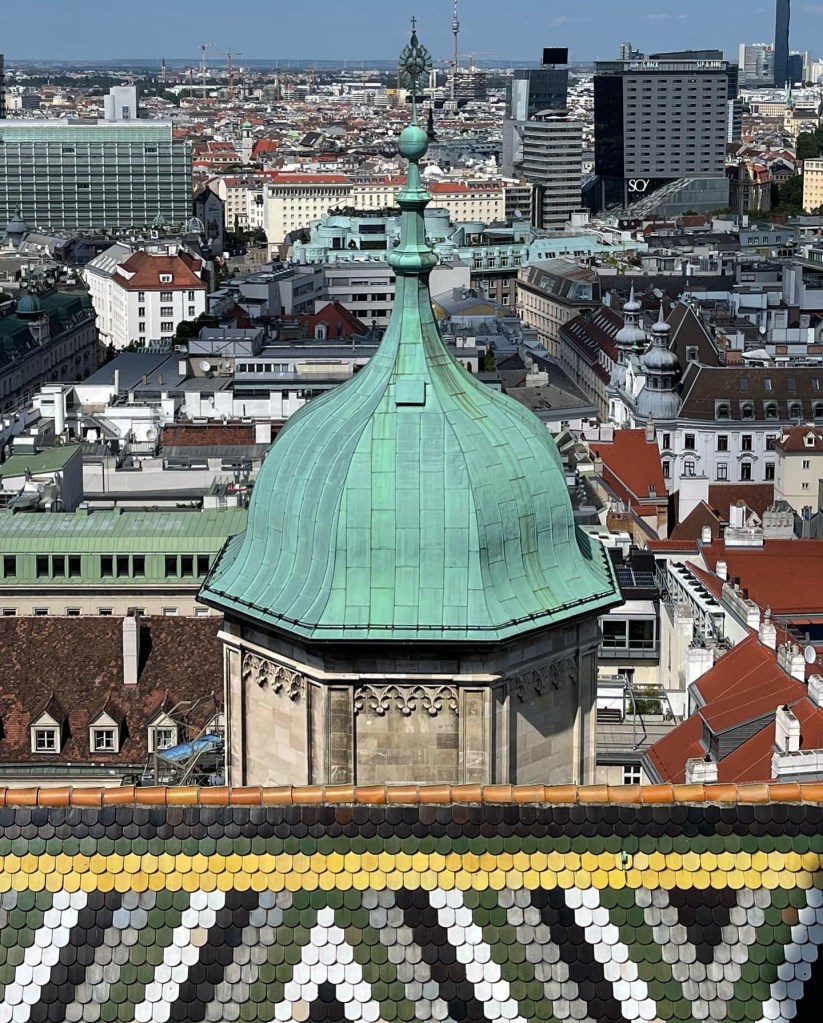
    The first impression a visitor may have of Vienna is that the city is far bigger than one might expect. The larger city looks and feels like the working city it is. Cranes all over the horizon indicate it’s still growing, and quickly. But for all its bigness the Old City itself is very walkable.

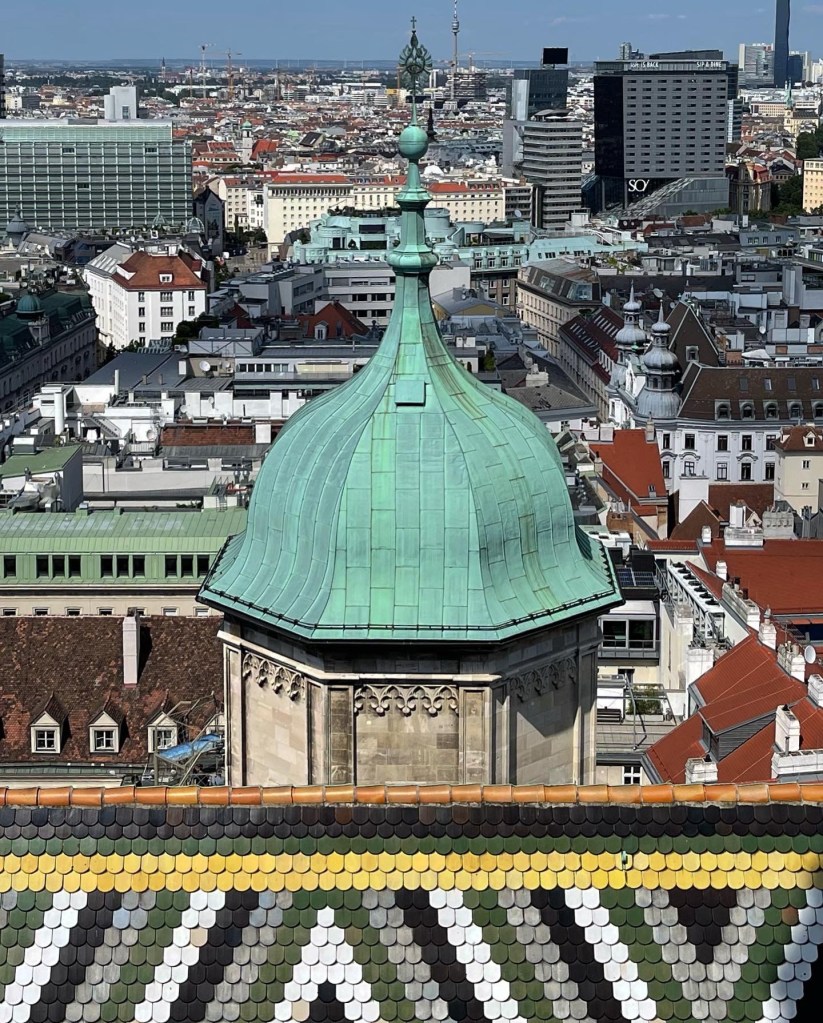
    Where do you go first when you visit Vienna? For me the choice was obvious: St Stephen’s Cathedral. Seeing the massive and ornate structure of the church itself was a goal, but climbing the 343 steps up the South Tower for the incredible views of the city was my underlying goal.

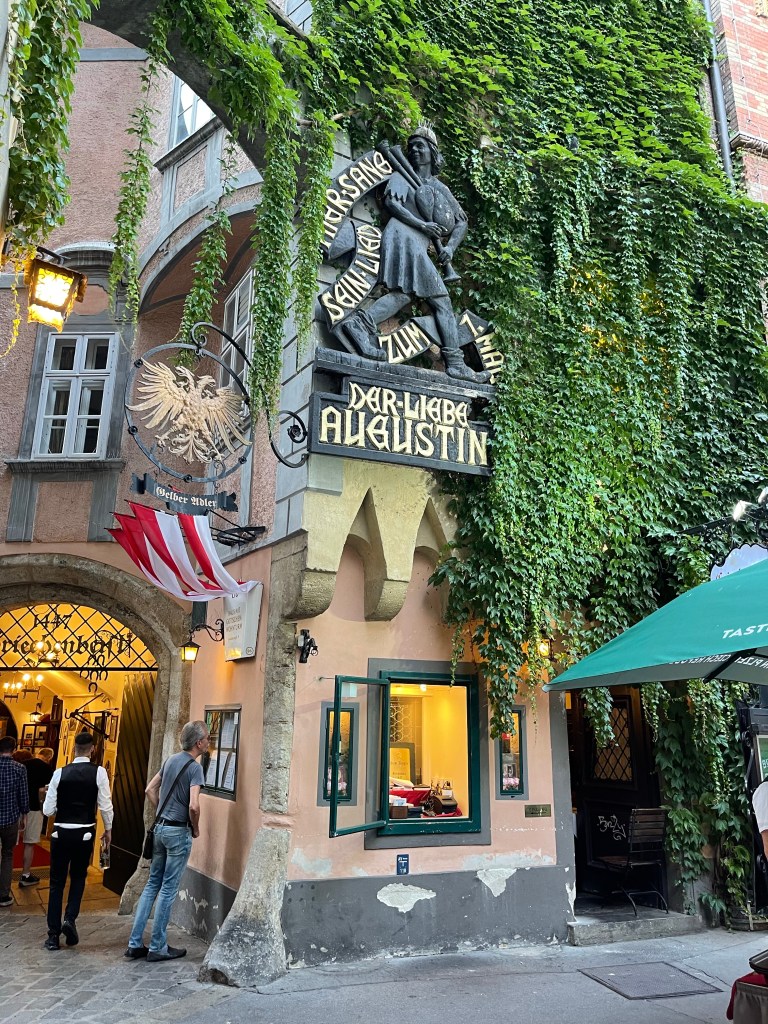
    Having seen the city from a high vantage point, it was time to find the details that make Vienna unique. One must walk an old city and find that which hides from casual visitors. This city offers something around every corner.

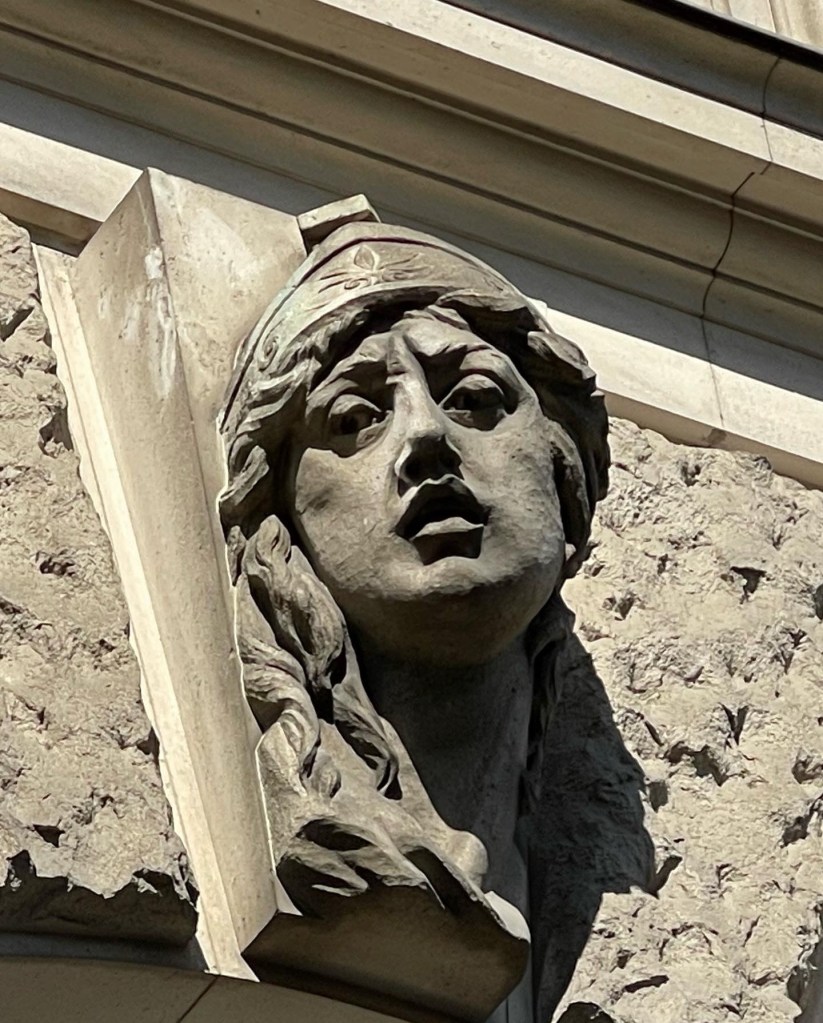
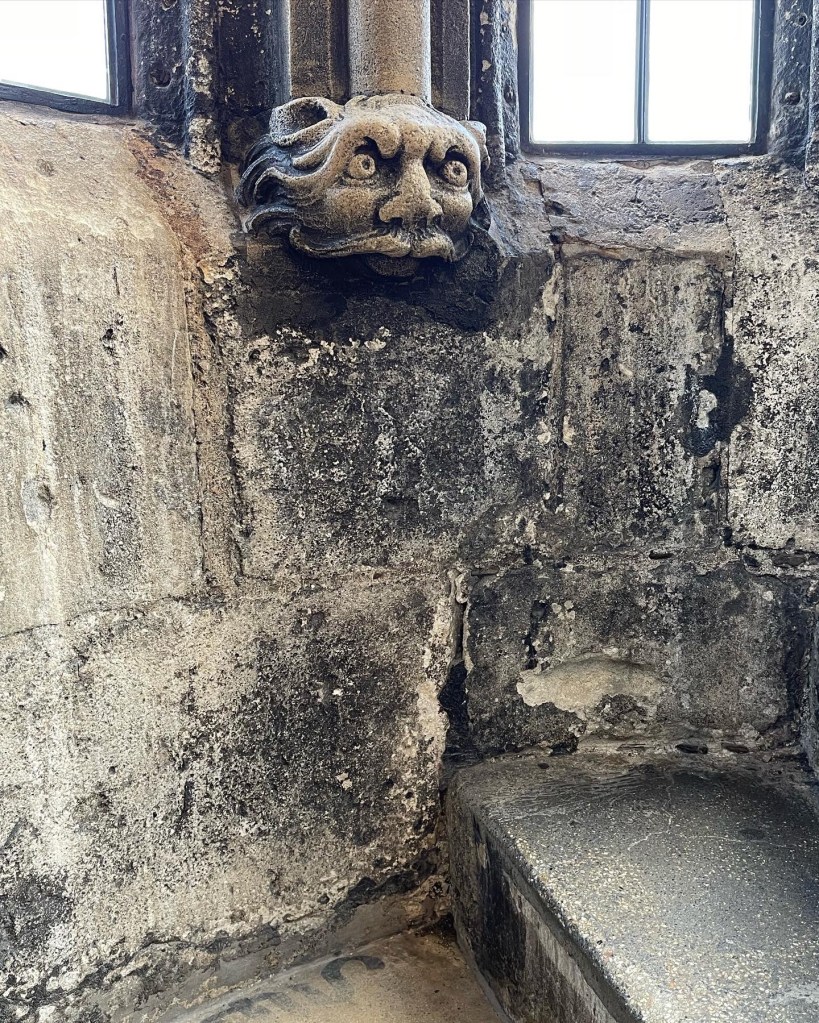
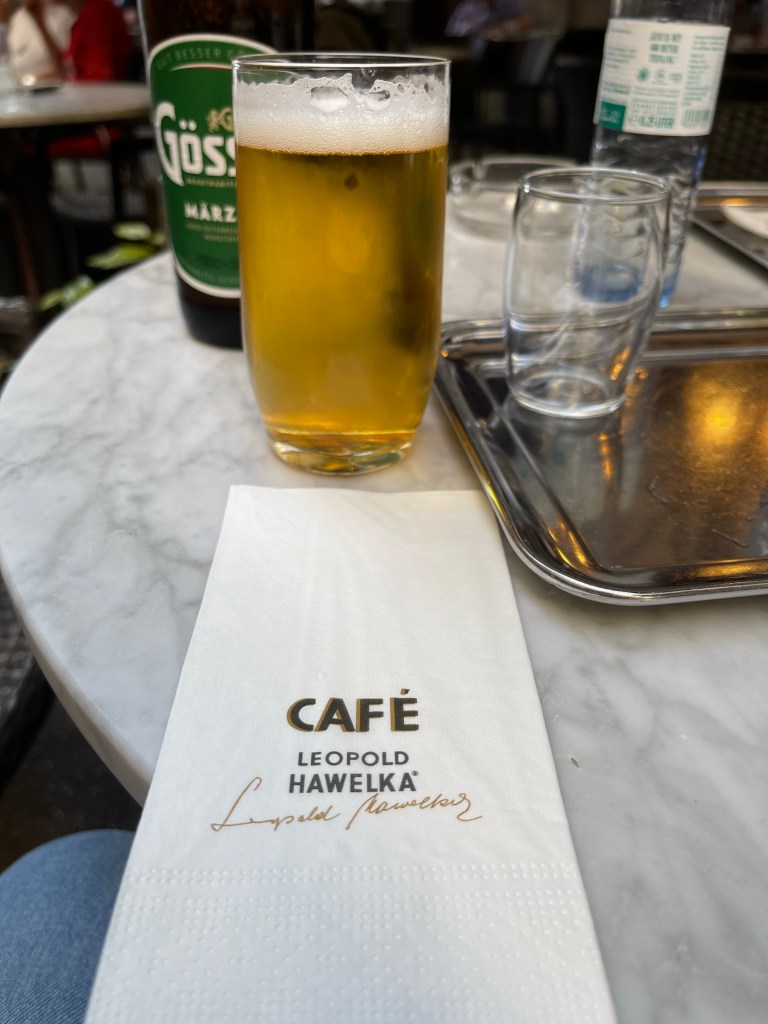
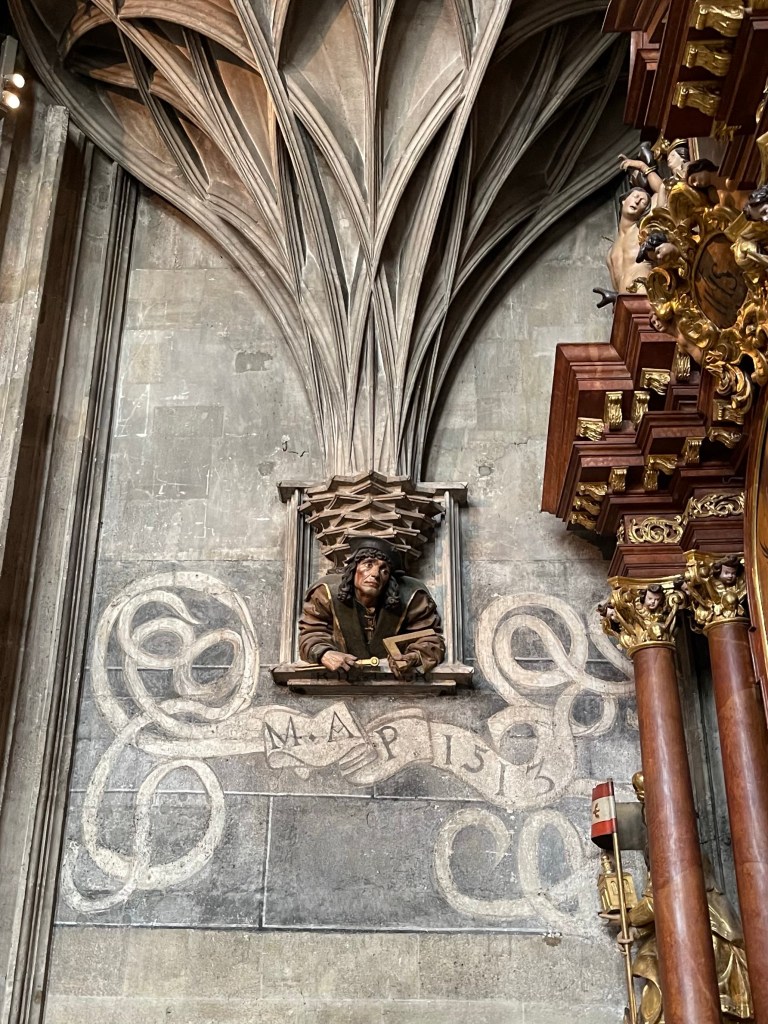
    When you’ve heard about Vienna your whole life don’t just skip across its surface like a stone, sink in! One should visit the palaces and museums and cafés to know Vienna, but you should also seek out the nooks and crannies where the place reveals its magic. Those who built this place leave a bit of themselves for us to discover, should we only look for it.

  • Courageously Memorable

    “All I insist on, and nothing else, is that you should show the whole world that you are not afraid. Be silent, if you choose; but when it is necessary, speak—and speak in such a way that people will remember it.” — Wolfgang Amadeus Mozart

    Taking the train between Salzburg and Vienna I’m reminded of Salzburg’s famous son, Mozart, who made this journey himself. Doing so launched his contribution to music and humanity to a level than it would have had he stayed home—a level of mastery very few attain in their lifetime. Sure, we know that taking this trip on its own doesn’t make us memorable, we’ve got to deliver the goods when we get there. Young Wolfgang delivered.

    Maybe that’s too much pressure for now. Maybe following in the footsteps of Mozart now might stir inspiration for later. We don’t accomplish great things without a rigorous apprenticeship and the courage to raise our hand when our time comes. Knowing when to raise our hand is as essential as knowing when to keep it down. Yet too many never get around to saying it’s our time. That shouldn’t be us.

    We sense when it is necessary for us to raise our game. We know when we can do more. The world may remain indifferent, but no matter. What matters is that we summon up the courage to rise up and do our very best to make our work memorable.

  • A Visit to Eagle’s Nest

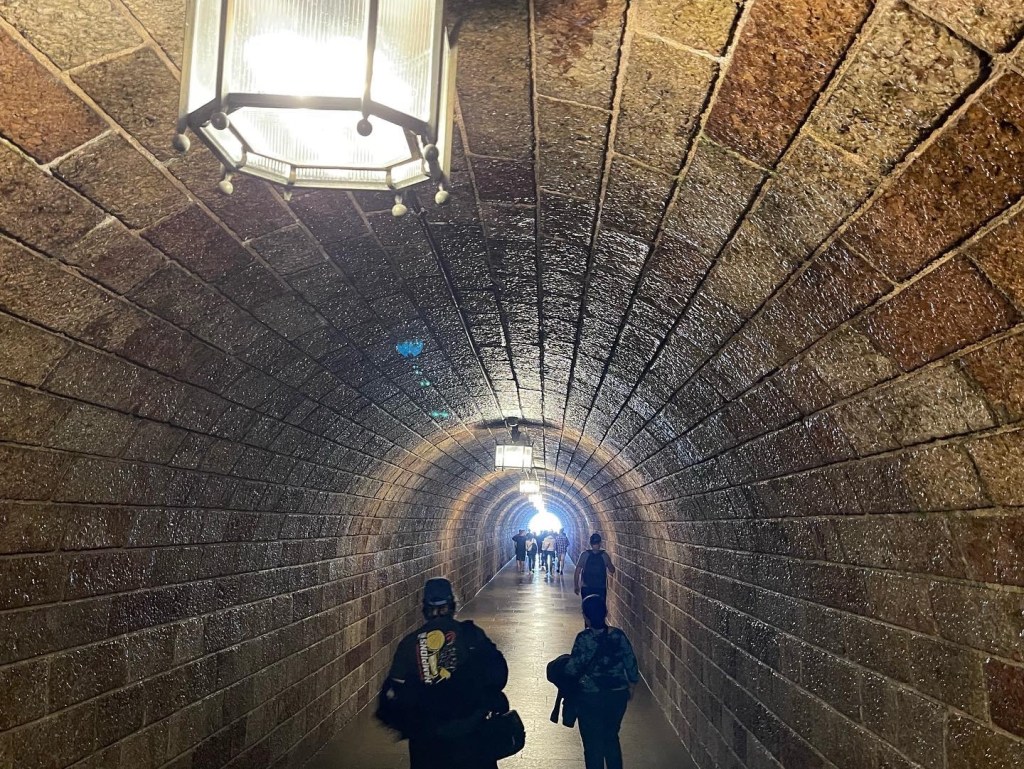
    You feel the history of the place well before you walk through the marble tunnel to the polished brass elevator that carries you more than 400 feet to the Eagle’s Nest. You feel it when you see the broken old bricks that were once the steps leading to the door of the most famous villain in modern history. You feel it when see the old guard hut still standing stoically almost 80 years since Nazis stood in it. Eagle’s Nest reputation precedes a visit you make to it.

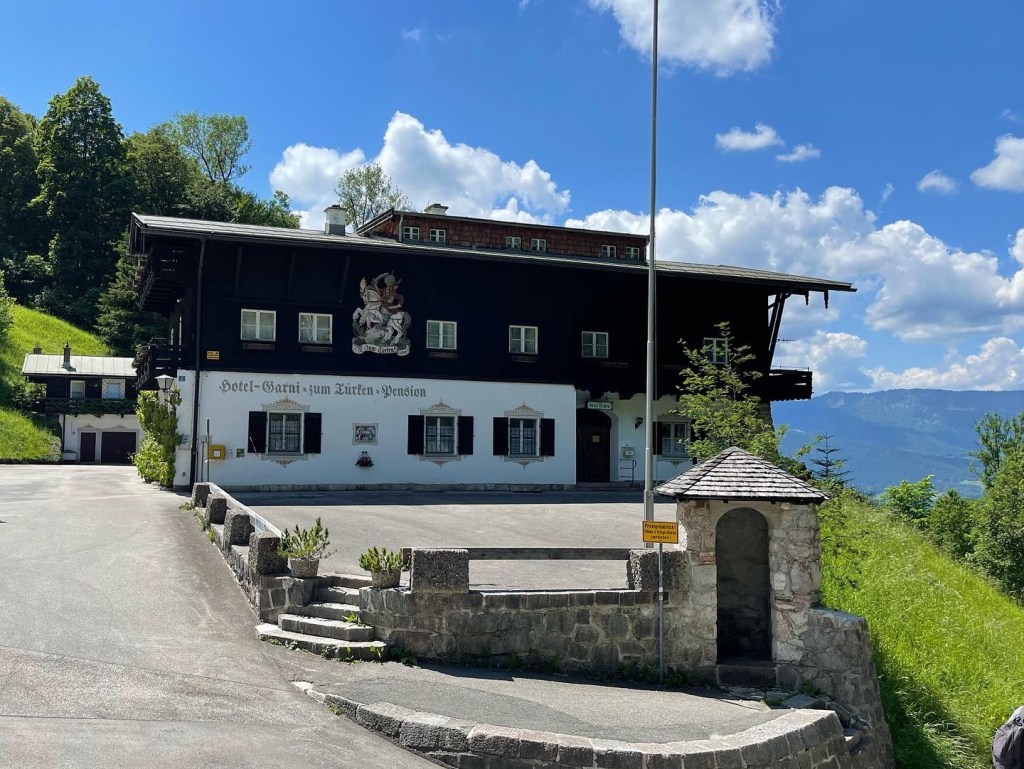
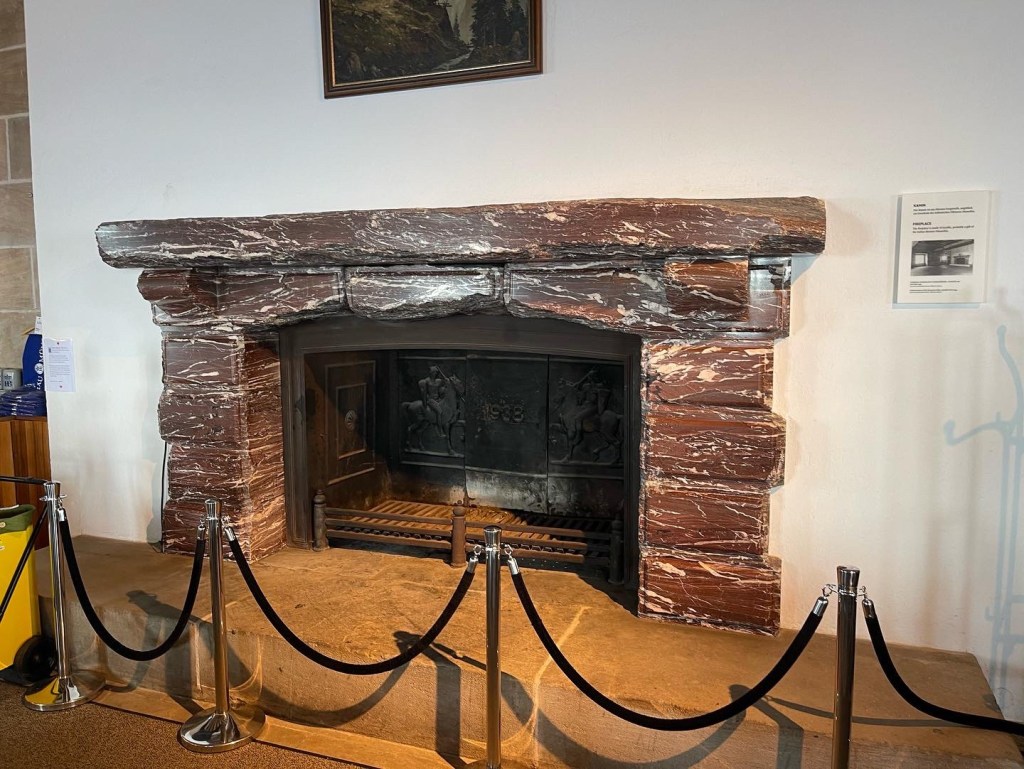
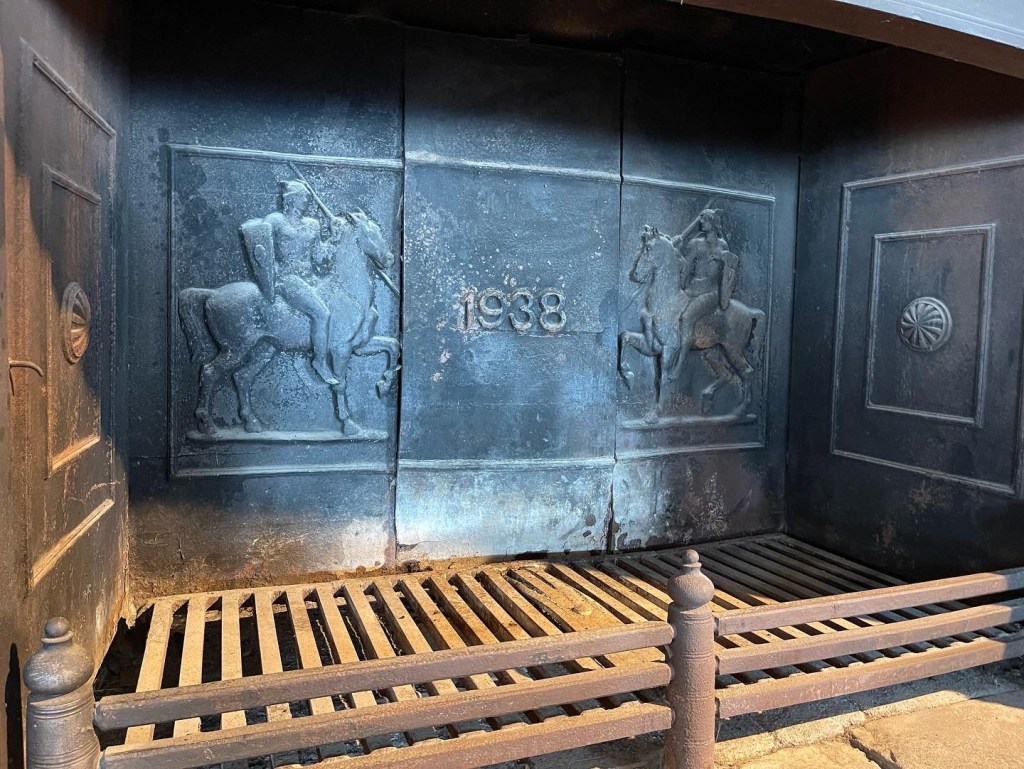
    The German word for Eagle’s Nest is Kehlsteinhaus. It remains largely the same as it was when Hitler and the worst of humanity plotted invasions and mass extermination of large segments of the population within reach of this mountainous enclave. That it was spared during the bombing raids of 1945 or the subsequent destruction of Hitler’s prized home is a lucky break. For all its dark history, Eagle’s Nest today is a beautiful place to spend a day.

    Despite the complexity of building a mountain road with its network of bridges and tunnels, cutting an entry tunnel and elevator shaft out of rock and dropping a building on top of it all, thousands of skilled laborers got it done in just over a year. For Hitler, a guy afraid if heights, that drive up must have been terrifying. Good. Who wants to think of him enjoying it?

    Walking around the mountaintop on a beautiful day, the world opens up around you. The stunning Berchtesgaden Alps surround you and sparkling Lake Königssee shimmers below. This place is a wonder. But don’t plan to stay for long at the top. People are moved in and out with quick efficiency. It may have started as a Nazi lair designed to awe visitors, but today it’s a major tourist attraction. Still in the business of awe, but very much on a tight schedule.

  • The Magic Is in the Smallest Things

    Walking around in Salzburg, Austria offers a visual feast of bustling streets and five squares, the Salzach River, the Salzburg Cathedral, the cafes and biergartens, and above all, the Hohensalzburg Fortress high atop Festungsberg hill. The core hardscape is essentially the same for us as it was for Mozart 250 years ago. You can feel history with every step in this city. You can hear the whispers of all those who came before you.

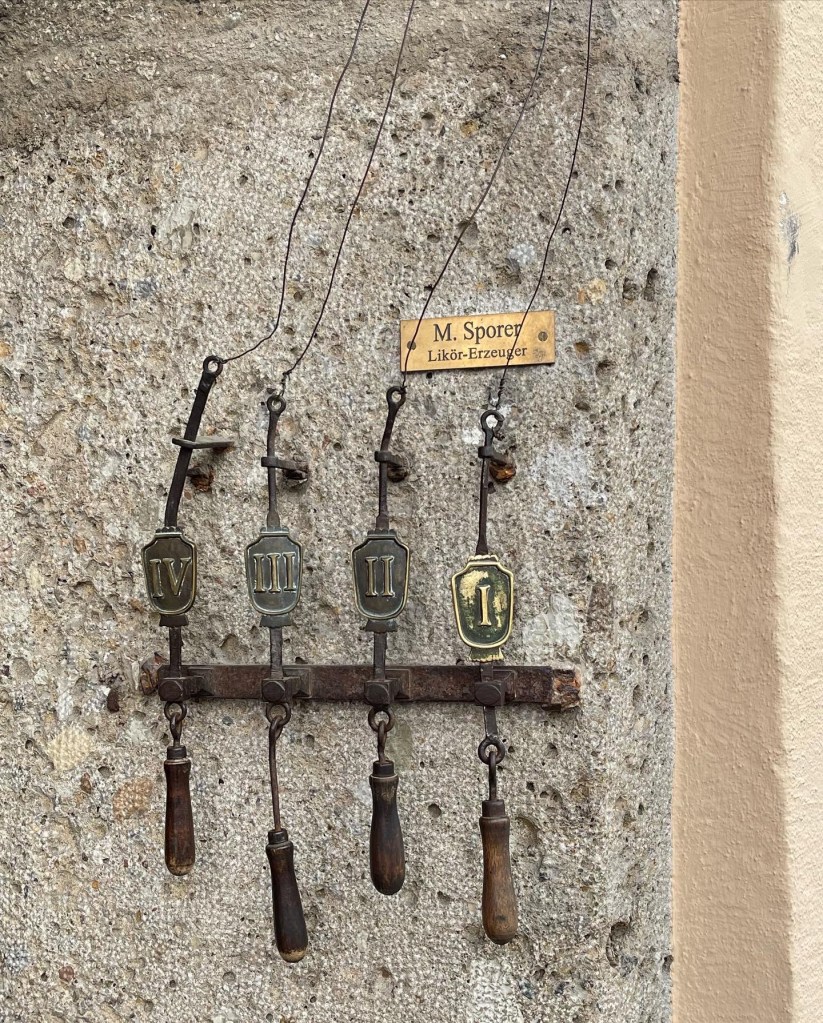
    One small detail struck me more powerfully than all the ornamentation in Salzburg combined. Walking along the Getreidegasse, with all its shops and people from all over the world, I came across a doorway with four pull cables that ran up the outside wall to the four floors above, each cable run to the inside of each apartment. It was an old doorbell system from the days before electricity, still functional today. I wanted to ring the bell and ask the local resident if I could see the bell on the other side of the cable. And imagine this has likely happened many times on such a busy street with such a tantalizing pull readily at hand for those returning from biergartens late in the day.

    It’s funny the things that stick with you when you travel. I look for small details like this wherever I go, for these details are where the magic is. The smallest things speak the loudest if you’ll only slow down long enough to listen.

    Doorbell pulls from another era