Category: Travel

  • The Vivacious Many

    There’s more to do, surely, before we go. But enough is enough. Lists are checked and then confirmed again. Having set one bird to fly it’s time to fly again myself. And I’m ready.

    “Who can guess the impatience of stone longing to be ground down, to be part again of something livelier?” – Mary Oliver, The Moth, The Mountains, The Rivers

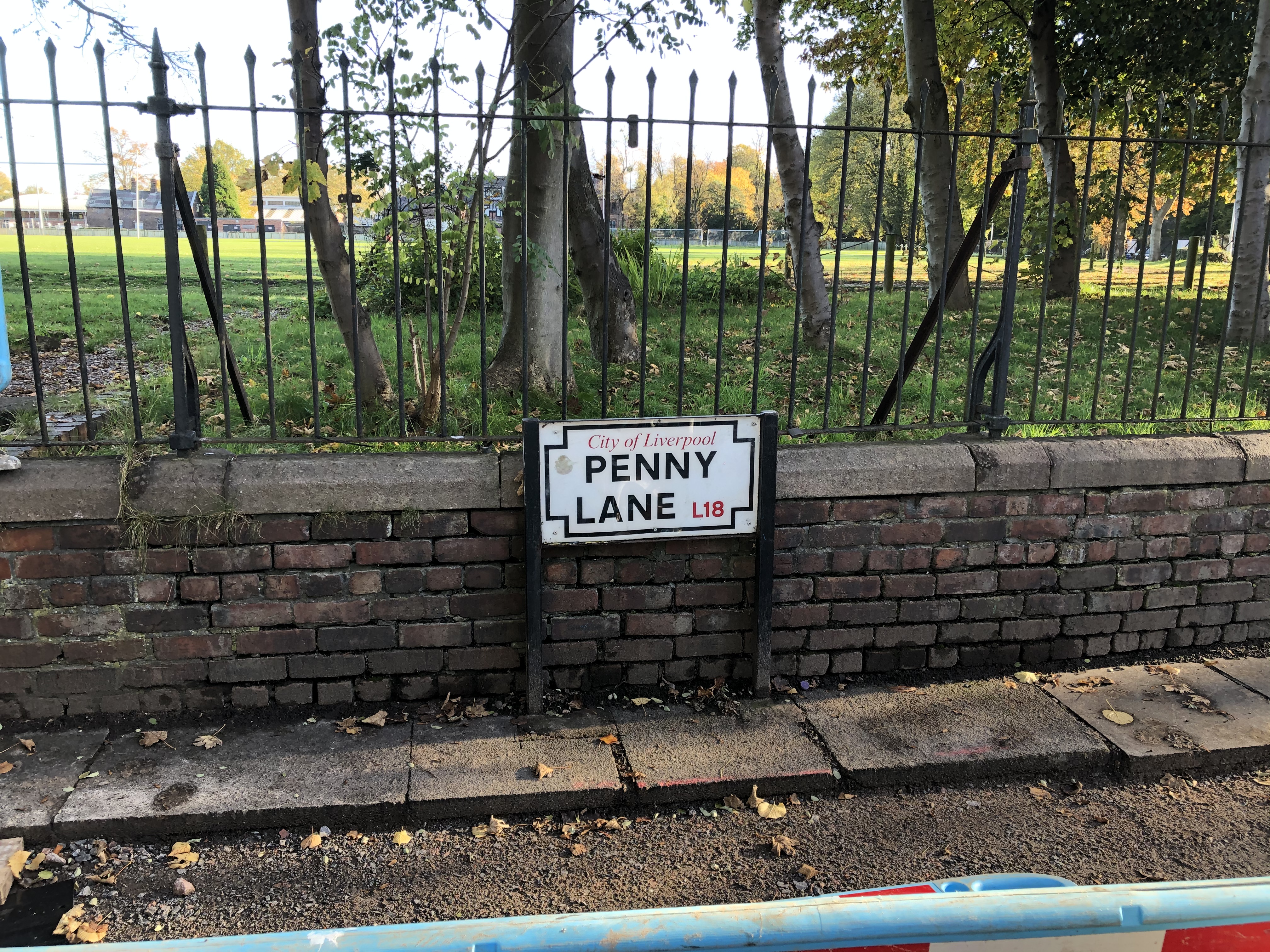
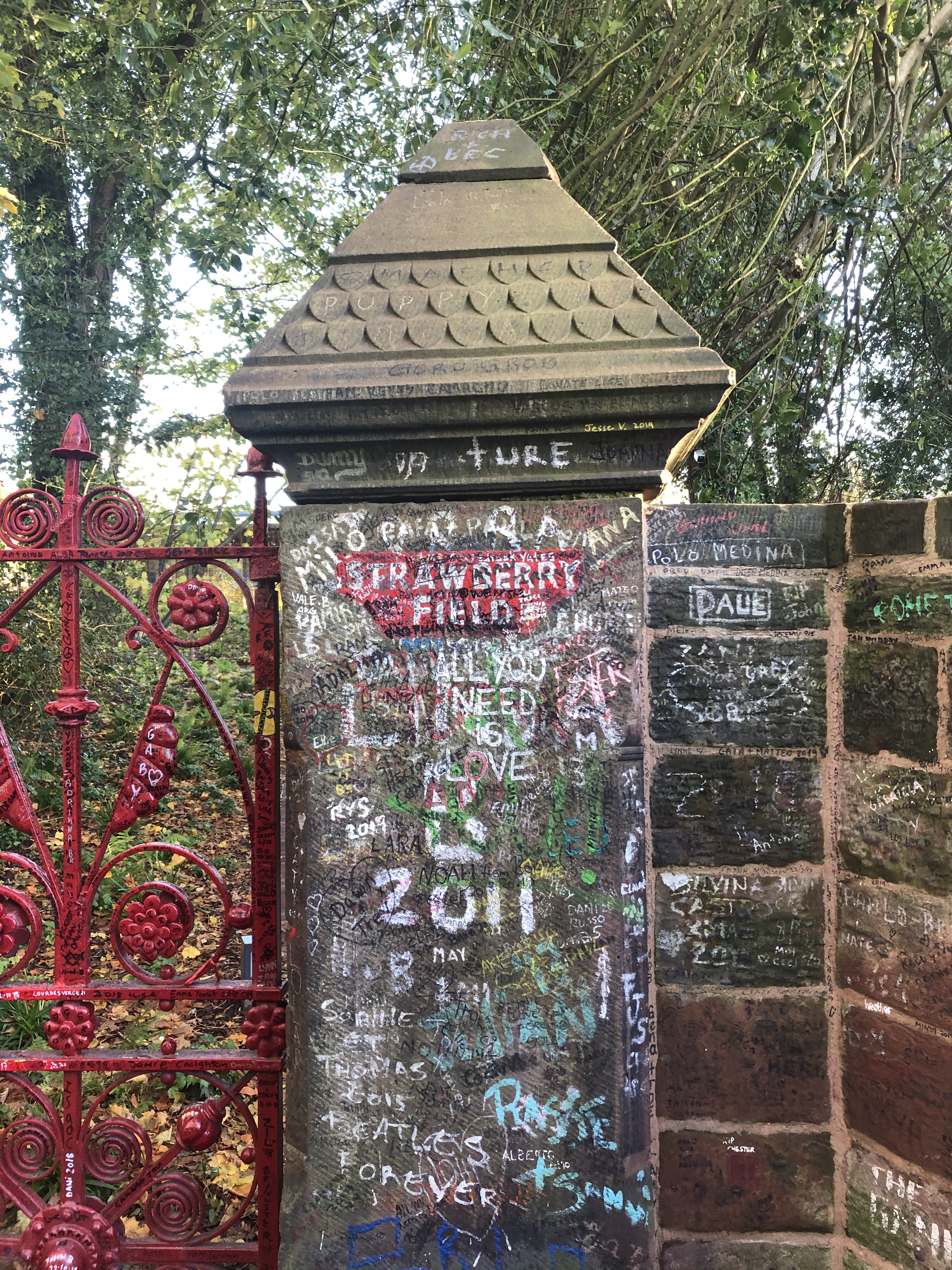
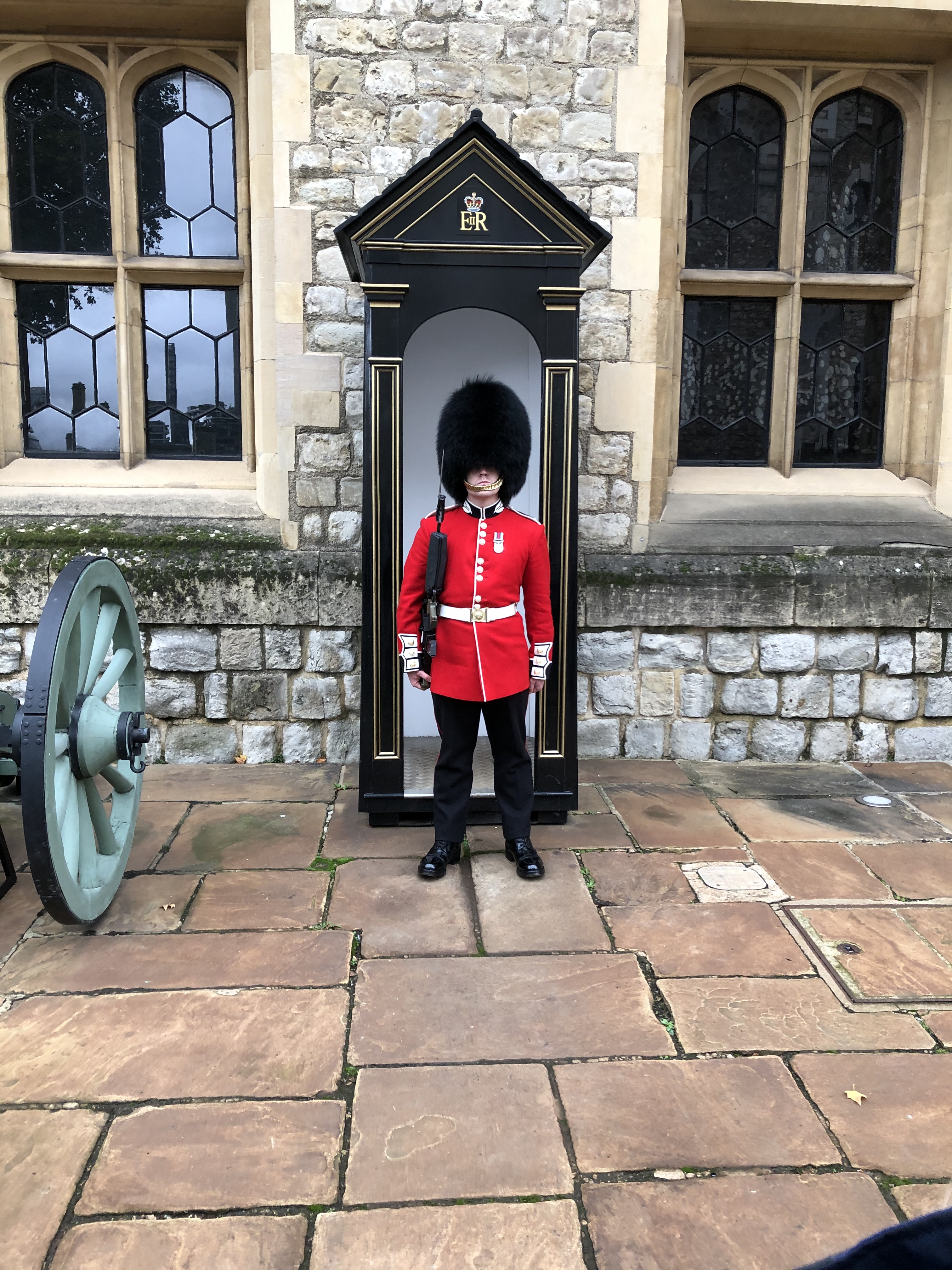
    I understand…  As much as I embrace the daily ritual of routine; the obligations of family and work and making sure the recycling is put neatly into a rolling bin on the edge of the road, I’m ready.  I’m ready for the speed dating bucket list items knocked off in succession, of conceding to wait in line for the obligatory went-there but then rewarding myself by lingering a bit longer in a few remote corners I’d never heard of before stumbling upon them. Shifting a car with my left hand.  Reflecting on alchemy in a distillery or two along the way.  Feeling the pulse of London and the weight of Edinburgh. The remote chance of an Aurora Borealis sighting in Skye or Speyside.  A pilgrimage to Abbey Road and Quiraing and Pennan. These precious few have been unchecked for way too long.

    And I suggest them to you also, that your spirit grow in curiosity, that your life be richer than it is, that you bow to the earth as you feel how it actually is, that we—so clever, and ambitious, and selfish, and unrestrained—are only one design of the moving, the vivacious many.” – Mary Oliver, The Moth, The Mountains, The Rivers

    The world calls.  Let other voices try to shout it down.  Tonight we fly.

  • A Weekend Between Trips

    I knew she’d be trouble.  My week away had wound her up, but it was her persistent hunger pangs that drove her mad.  12 hours between meals for a teenager is too long.  And as much as I wanted to finish reading the history of the sacking of Berwick in 1296, my office was being sacked while I ignored her.  First she got up under my book, pushing it back up to my chest.  I conceded a moment to pet her.  Next came the knocking about of small nuisance items, easy to ignore.  Finally, she got up on the end table, flicked her tail at me and knocked the lamp to the floor, shattering the bulb as it landed upside down.  Point made.  I cleaned up the shards of glass, righted the lamp and fed the cats.  It wasn’t yet dawn, but the fast was broken.

    I’ve been reading up on Scottish and English history in preparation for my trip.  I’ll call it a refresher course, as I’ve read much of it before, but with the immediacy of a pending trip I realize what I don’t know.  A personal goal is to never visit a place ignorant of its significance.  As with this trip, there’s so much to digest and so little time.  But we make do with the time we have, don’t we?

    Over the summer I smiled at my daughter as she packed and repacked bags for her semester abroad.  Now, just back from a week away and leaving in a few days for my own trip abroad, the joke’s on me.  There’s a lot to do before the trip, not least of which is taking care of matters on the home front before we leave.  Security cameras?  Check.  Alert neighbors to keep an eye on things?  To be checked.  Arrangements to have the cats fed so there’s a house left to come home to?  Definitely checked.

    I’ve mentally circled this weekend as the in-between time.  I had a business trip that wrapped up last night, a couple of days to get loose ends tied, and then off to the airport for the next trip.  The preparation is largely done.  The lists are made and ready for checking.  Last minute purchases of toiletries, laundry to do, decisions to be made on what to leave out when the bags grow inevitably overstuffed.  I feel like I just got home (I did), but I’m eager to get going once again.  The travel bug has got ahold of me once again.  My apologies to the cat.

  • Edgy in Satire: Edith Lunt Small

    There’s a painting in the long hallway at Richardson’s Canal House that you can get lost in for hours. The artist was Edith Lunt Small, who passed away in 2017, 38 years after creating this fanciful world on canvas. Edith lives on in the painting, portraying herself as a skinny-dipping artist swimming in the Erie Canal in 1825. As the self-portrait indicates, there’s a lot of whimsy in her work, and I enjoyed spending a few minutes with this one.

    Art is meant to be enjoyed, and I found myself smiling at the little details she dropped into this painting, commissioned for Richardson’s Canal House. 1825 Bushnell’s Basin in Small’s world was raucous fun, and I imagine the artist was too. Her son called her work edgy in satire in his eulogy, and based on this one, I see what he means. I was happy to get a glimpse into the spirit that was Edith Lunt Small. These close-ups offer a small glimpse for you as well. This was an artist who clearly loved life!

  • Leap

    I was contemplating the Erie Canal on a walk early this morning and thinking about whether there were fish in it.  And to answer one jumped out of the water and splashed down in a ring of ripples.  And I thanked the fish for clearing that up for me.  Then it occurred to me; Most fish don’t jump out of the water, only a few do.  If all fish jumped out of the water the surface would look like a pot of boiling water.  Instead it’s an event.  And I wondered, why wouldn’t all fish jump out of the water to see what’s on the other side?  Because most fish are content with the environment they’re in and don’t care to know what’s “out there”.

    People are like fish in that way.  Most just swim along blissfully unconcerned about the state of the world outside their pond.  But the bold few make the leap, breaking the surface tension for the glorious freedom just beyond their comfort zone and make a bigger ripple in their moment.

    I’m watching some people in my life take bold leaps, and I’m thrilled for them.  There’s nothing wrong with the pond, after all that’s what keeps you alive, but seeing the world beyond seems worth a leap now and then. Go make a big ring of ripples. I’ll do the same.

  • The Migration

    The skies are filled with masses of migrating birds this time of year. They pirouette in sky dance, beautiful shape shifters creating momentary sculpture of black on blue. Where they’re heading from here I don’t know, but I’m grateful for our moment together before they bring their art show to another stage.

    Another migration takes place on the highways below. Masses of SUV’s heading home from soccer and lacrosse tournaments, or leaf peeping long weekends in the northern states. If the birds offer coordinated air shows that inspire, the highways offer myriad close calls and highly questionable driving behavior. I’ve witnessed multiple tragedies that almost happened today, and can only shake my head in wonder at the decisions of others. But to them I’m an obstacle, driving in a long line of cars at frustratingly variable speed. This isn’t driving that lulls you into meditative bliss, it’s hours of ‘pay attention or suffer the consequences‘ power commuting. And today my migration took me across I-90 West from Worcester, Massachusetts to Batavia, New York with the most distracted, irritable parents and empty nesters Columbus Day Weekend could muster.

    Driving is a pleasure when the environment you’re driving in is predictable and the drive is at highway speed. When one or both condition becomes highly variable, well, it becomes less of a pleasure. But most of us got where we were going without incident, which isn’t exactly shape shifting sky dance, but hey, it’s something.

  • In the Moment

    “Ask yourself at every moment, ‘Is this necessary?’” – Marcus Aurelius

    There are times when I read a page in a book and realize as I reach the end that my mind didn’t make the journey with my eyes. My mind will race along with thoughts of urgency of my own design, distractions of this, that and the other thing. Am I not in a place to be reading these words at this time? Sometimes closing the book and addressing the pressing thoughts is the answer, but other times the answer is to take a deep breath, push aside the noise and refocus the mind. In an inner dialogue version of I’ll turn this car around right now! I tell myself I’m here for this page, and you might as well stick with this, mind of mine.

    I understand why my mind is racing. I have upcoming trips to New York, London and Scotland the next three weeks. Logistics, meeting preparation, and ensuring what I’ll leave behind doesn’t fall apart in my absence consumes me as I read about, of all things, stillness. They say when the student is ready the teacher will appear… in this case the teacher is patiently standing over my desk while the other students giggle and I jolt awake from a daydream.

    We live in a noisy, demanding world, and it feels like your brain is like the close-up shot of the crowd in a tennis match, following the ball this way, then that way, then “Ooohh!” followed by “Woah!” and so on. The next three weeks are pulsing in my thoughts, but I know I’m getting ahead of myself. There was a moment yesterday when I contemplated packing my bag for anticipated Isle of Skye November weather when I caught myself, thinking I’m going to need that bag for a business trip to Rochester, New York beginning tomorrow. Plan for the future, but please, focus on now!

    Which brings me back to… now. I’ve set aside reading Stillness Is The Key to write this blog post. The list of things to do between now and the end of November is expanding rapidly, if only in my mind. I follow the Getting Things Done approach and write it down to get it out of my head, and something else pops up and I write that down in turn. Such is the power of anticipation, but that teacher is standing over my desk again, and I look up slowly from my scattered mindscape to hear her remind me “There’s only now“. Be in the moment. Now: This Sunday in New Hampshire, surrounded by golden leaves lit by morning sun; leaves that will be piled on the ground when you return in three weeks. Make the most of this moment, won’t you? Tomorrow will be there waiting if you should get there.

  • A Handshake with Norman Rockwell

    I always make a point of grabbing the newel post and sliding up my hand on the stair railing when visiting the homes of artists, writers and historical figures.  I’ve written about doing this at Ernest Hemingway’s Key West house, at Mark Twain’s Hartford, Connecticut house, and at Robert Frost’s farmhouse in Derry, New Hampshire.  I had the opportunity to do it again when visiting the Norman Rockwell Studio in Sturbridge, Massachusetts recently.  This to me is a handshake with those who came before, and I feel it most profoundly when I visit the places like these where the giants of the past did their greatest work.

    If you live in America you know Norman Rockwell.  His paintings and sketches are more widely known than any other artist in the 20th century, thanks in large part to his work with The Saturday Evening Post during some of the most significant milestones of that century.  Rockwell was capturing the very human moments everyone felt during the Great Depression, World War’s I and II, the Kennedy Assassination, etc.  The museum carries you through his work and is worth a visit.  I’ve driven by it for decades before finally stopping by for an hour while driving home from New York.  Seeing his paintings doesn’t give me the same feeling as seeing Aivazovsky’s The Ninth Wave did, but that’s largely because there’s a humbleness to Rockwell’s work that doesn’t inspire awe as much as appreciation for the incredible detail he put into his work.

    There’s a story of the painting Country Doctor, which when published on the cover of the Saturday Evening Post inspired letters from people asking about the woman in the photograph on the doctor’s desk.  It seemed she looked like a nurse that had treated patients in England during World War II, and a soldier wrote to ask if she was in fact the same woman….  and was.  Such was the detail in Rockwell’s paintings that a random detail in a larger work, shrunk down for the cover of a magazine, sparked recognition. Rockwell apparently made his subjects, mostly his neighbor’s in the Berkshires, laugh while painting, and there’s joy in most of his work.

    I appreciate art, and linger in the museum longer than I should have on my trip home, but for me standing in the space where Rockwell created that art was more impactful. That space is his studio, moved four miles from downtown Stockbridge to a hill overlooking the Housatonic River and the Berkshires in 1976. Rockwell gifted the studio to the Norman Rockwell Museum, and the studio is set up as it would have been in 1961 when Rockwell was painting Golden Rule, which seems appropriate for an artist who’s work reflected that rule. The space is largely the same, if transported from its original foundation in the heart of Stockbridge. The staircase to the loft is roped off, but the newel post and railing are in reach, like a handshake with Norman. And that sums up his art; within reach of everyone. Simple but complex, and beloved, like the artist himself.

  • Thin Walls

    Contemplating the snoring of the person in the room next to mine, I appreciate the consistently good hotels I usually stay in. Not expensive, mind you, but clean, friendly and generally built with thicker walls and floors. This one is old school independent, built economically – I’m guessing – in the 1980’s. The comforter I peeled off looked to be an original. The television, which shall remain dark, doesn’t owe them anything. Yeah, this place was new when Huey Lewis was cranking out hits.

    I’ve stayed in some dive hotels and motels before; from the run down to the truly gross. This isn’t one of those. The owners keep it clean, it just shows it’s age a bit. In this era of Airbnb and chain hotels it’s a throwback to another time. Yelp and other such online review sites has made it less of a mystery what you’re walking into, but I’ve found most people who write negative reviews need to be filtered out. Find the average and go with it. For me, if a room is clean, I received a warm welcome when checking in and the environment is safe you’re already at 3 1/2 stars.

    Ultimately we’re spoiled by the relative luxury we live in. Who am I to complain about the choice of bread in a free continental breakfast? I’m trying to cut down on carbs anyway. I’m well aware of how lucky I am to live here, at this time, with a great job and good health. Most of us have more than enough. I will eat today; that’s more than many can say. Thin walls just remind you that there’s other traveling souls out there, and I learned many years ago to always bring ear plugs.

    “Choose not to be harmed — and you won’t feel harmed. Don’t feel harmed — and you haven’t been.” – Marcus Aurelius

  • The Road Less Travelled: Route 20

    Route 20 runs from the Atlantic Ocean to within a mile of the Pacific Ocean in Oregon. I’ve been on various sections of this route over the years, but my favorite stretch may just be in Upstate New York. The highway snakes along rolling hills, dipping into valleys and small towns along the way. Stunningly beautiful in places, sadly distressed poverty in others, but always interesting.

    In autumn the views can be breathtaking, but it’s always good to remember you’re zipping along at highway speeds with nothing to keep you from a terminal velocity head-in crash but a double yellow line. 55 plus 55 is a bad equation for traveling souls. Yeah… Right lane travel is preferable. It’s not like the roads are jammed out here. Go to Charlton, Massachusetts and you’ll see many white crosses on Route 20 marking tragic endings to road trips. Less so here, not because the road doesn’t present the same risk, but because there simply aren’t as many cars. Another reason to prefer this stretch of this long road.

    Highways cross-cross the landscape, transforming the communities they pass through in the process. Some communities win, some lose; It’s all depends on how you look at it. Fuel the economy or retain the character of your small town? Choices… Route 20 was once the major east-west route across the northern tier of the United States, until the parallel, more efficient I-90 diverted traffic. There’s a lot to be said for a steady speed limit ride across long distances, and I-90, for a price, offers efficient high speed. But you lose the local flavor of the land. Driving will never give you everything, but it gives you more the more you slow down. Slowing down (at least a little) gets more interesting to me as I get older.

  • Ghost Dancers in the Wild

    We’re all borrowing time, and the ground we stand on too. How many people passed through the spot you’re occupying now? And what was their story? That’s history, and you either dance with the ghosts or ignore them. I like to dance with the ghosts – bring them back to life for awhile. Perhaps they’ll welcome me warmly when I reach the other side.

    Yesterday I had a business lunch with a couple of consultants in Boston. After the usual talk of feature enhancements and product roadmap one of the consultants mentioned his drive from Lake George to Quebec City, and suddenly we’re all pulling out our phones comparing pictures of various forts we’ve visited. Were we the hippest table at Row 34 that day? No doubt. But it’s nice to run into people who know the lay of the land as well, or better, than you do.

    I stopped by the Bourne Historical Center recently as a follow-up to a visit I made to the Aptucxet Trading Post Museum a few weeks back. Both are places to meet other history geeks, and places where you can talk openly about King Philip’s War without the listener backing away slowly. Ghost dancers aren’t always easy to spot in the wild, but corral us in a museum and we open right up.

    Aptucxet was missing one artifact that brought me eventually to the Bourne Historical Center. Specifically, a rock. History is all sticks and stones and the occasional cannon, isn’t it? No, it’s the stories behind those things. It’s always the stories, the rest of this stuff just helps you see it better.

    Anyway, that rock. The Bourne Stone. A piece of granite engraved with markings (pictographs) sometime before the 1650’s. Was it some kid with time on their hands scratching pictures on a rock or some ancient wisdom being passed down to us in a language lost to history? Who knows? But there’s a story in that rock, from the person who marked it to the threshold it once occupied at a Native American meetinghouse and the many people who have stepped on it, touched it and speculated on its meaning ever since.

    I’m no archeologist, but I found it interesting enough to stop by for a look. Maybe the sailboat engraved on the stone captured my attention, or maybe I have a thing for questions with no answer. Whatever it is, I’ve checked a box that’s been nagging me a bit. The mystery of the Bourne Stone for me was solved. What is it? What does it look like? The stories behind it I leave for other ghost dancers.